
Lightweight hiking backpack choices will determine your hiking comfort, gear weight, and trail efficiency more than any other single piece of equipment. Whether you’re planning a long trek or a quick day hike, getting this decision right pays dividends in every step.
Key Takeaways
- The sub-1 kg pack is the new benchmark for “ultralight” hiking, now adopted by 63% of serious thru-hikers.
- Durability and real-world load comfort are just as important as weight, especially for longer trips.
- Material choice (nylon, Dyneema, ripstop) impacts pack longevity, comfort, and price—balance all three for best value.
- The Core Concept: What Makes a Lightweight Hiking Backpack?
- Step-by-Step Guide: Choosing and Packing Smart
- Advanced Analysis & Common Pitfalls
- Conclusion
- FAQ
The Core Concept: What Makes a Lightweight Hiking Backpack?
A lightweight hiking backpack balances minimum weight with enough durability and support for real-world use. Recent market data shows the global hiking backpacks market hit USD 4.67 billion in 2024, showing huge demand for hiking-specific packs. But there’s a crucial boundary today—true ultralight packs now target a weight under 1 kg, with 63% of Pacific Crest Trail (PCT) thru-hikers using sub-1 kg packs in 2024, up sharply from 29% just six years before.
Most “lightweight” packs—often in the 1.2 to 1.8 kg range—provide more structure, thicker padding, and added features. True Ultralight Packs use advanced materials and minimalist designs to shed every possible gram.
For most users, the journey isn’t about picking the absolute lightest bag, but finding your own best middle ground between comfort, volume, support, and weight. That’s where understanding key features and trade-offs comes in.

Step-by-Step Guide: Choosing and Packing Smart
- Define Your Mission
Are you planning day hikes, multi-day fastpacking, or full-blown thru-hiking? The more days and gear, the more the balance shifts toward comfort and capacity over going truly ultralight. - Identify the True Weight Class
Look for the listed “pack only” weight. If you want to join the modern ultralight club, seek bags under 1 kg (63% of PCT thru-hikers now do), but recognize you’ll give up some structure and padding. - Analyze Carry System and Features
Don’t just focus on grams. Investigate shoulder straps, hip belt quality, load lifters, and back panel design. Minimalist packs sacrifice features for weight and may get uncomfortable as loads rise above ~10 kg. - Select the Right Fabric
Nylon (especially ripstop), is dominant—holding 35% of ultralight pack market share in 2025. Dyneema, X-Pac, and similarly advanced materials drop weight but often raise price. Consider your terrain and abrasion risks. - Test Fit & Adjustments
Try packs loaded to your typical carry weight. Look for hot spots, shifting, or sag. Fit matters more as padding and support decrease. - Pack Strategically
Minimize redundant gear, use compressible items, and avoid overloading. Remember, a lightweight hiking backpack achieves its potential only when paired with low-bulk, low-mass equipment. - Prioritize Durability Where It Counts
Stress points—such as shoulder strap bar-tacks and reinforced bottom panels—take the most abuse. Examine build quality, especially if going for the absolute lightest packs.
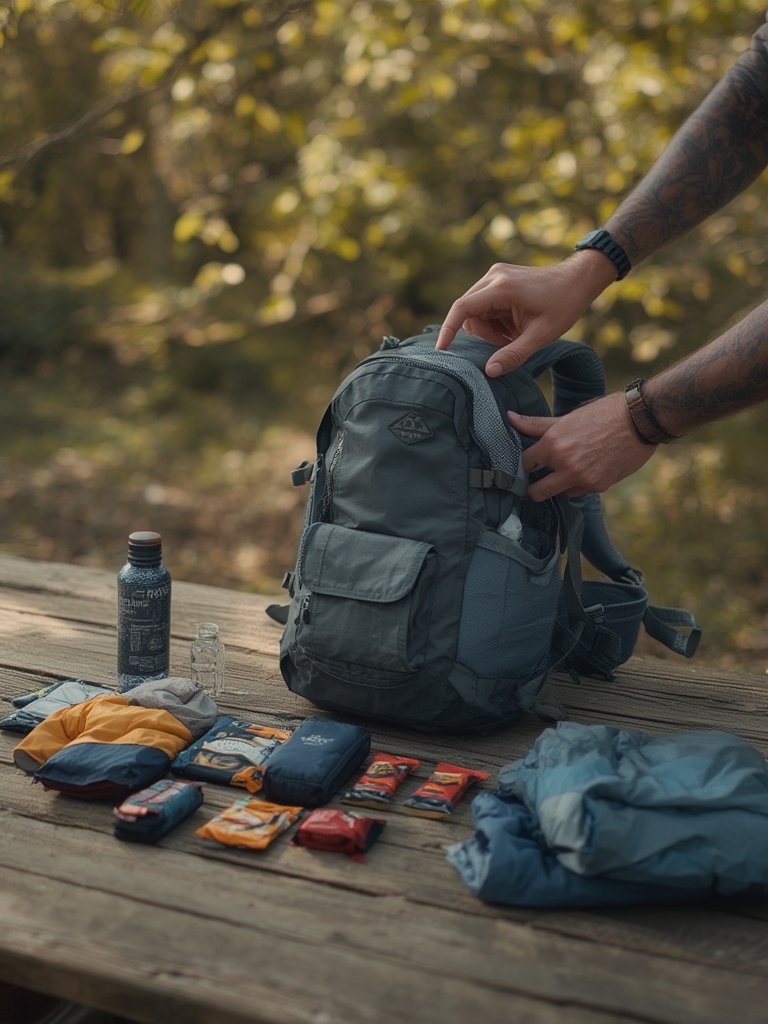
Those ready to go lighter often combine this approach with minimalist home workout routines using adjustable resistance bands or neoprene dumbbells to save weight before hitting the trail.
Advanced Analysis & Common Pitfalls
Every smart backpacking decision involves real trade-offs. Here’s what experienced hikers and new buyers need to watch for:
Common Pitfalls with Lightweight and Ultralight Packs
- Durability Drops Too Far: Lighter fabrics (especially sub-200D nylon or minimal Dyneema) can tear fast on sharp rocks or bushwhacks. Reinforced zones matter if you hike rough trails.
- Carry Comfort Is Sacrificed: Removing frame sheets, thick hip belts, and load lifters can make even 7-9 kg loads feel painful over long miles.
- Poor Fit at Low Weight: With less padding, pack fit is less forgiving. Bodies with broad shoulders or high-torso lengths may struggle with “one size fits all” designs.
- Unsupported Packable Day Packs: While a 200-gram packable can wow on weight, most lack padding and structure—meaning bruised shoulders and constant shifting above about 5-7 kg.
- Overpaying for Minimal Returns: Each 100 grams shaved often doubles pack price. If you aren’t carrying less gear or doing long miles, you might not notice the benefit.
Lightweight vs. Ultralight: Side by Side Comparison
| Standard Lightweight Pack | True Ultralight Pack | |
|---|---|---|
| Typical Weight | 1.2 – 1.8 kg | 350 – 950 grams |
| Support Level | Internal frame, padded hip belt | Minimal/no frame, light or no hip belt |
| Best Use | Multi-day trips, moderate to heavy loads | Fastpacking, thru-hiking, light overnight trips |
| Durability | High, often mid-weight nylon reinforced 210-400D nylon | Moderate to low, mostly 70-210D fabrics |
| Price Range (2024) | Unavailable in supplied sources, usually mid-range | Higher, justified by tech materials, though no specific prices in research |
| Materials | Ripstop nylon (dominant), some hybrid fabrics | Ripstop nylon, Dyneema, X-Pac (price increases with exotic fabric) |
How Fabric Impacts Performance
According to market data, nylon remains the king: It owns 35% of ultralight pack market share and delivers an excellent mix of price, weight, and durability. Dyneema and similar high-end fabrics cut grams further, but at high costs and sometimes more abrasion sensitivity.
If you want a pack that’ll last season after season, a mid-weight nylon (ripstop or gridstop) with reinforced bottom and shoulder seams is hard to beat.
Most Overlooked Questions
- Is the comfort worth the weight savings for your trip length and base weight?
- Does the pack use enough high-wear reinforcements in stress zones?
- Do you know exactly where “lightweight” ends and “ultralight” begins? (Use the under-1 kg rule of thumb cited by multiple studies.)
If gym performance is part of your trail training, consider cross-comparing gear storage options—a top gym bag for women or exercise mat for prep can support your lightweight philosophy.

Conclusion
The pursuit of the right lightweight hiking backpack is about real-life balance. While ultralight sub-1 kg packs are now mainstream among dedicated hikers, most users will do best with a model that prioritizes true fit, excellent support, and proven durability—not just lowest weight. Durable nylon remains the best trade-off for most hikers, but you’ll decide how much structure and comfort you’re ready to trim.
For more actionable gear tips, discover our field-tested guides for foam roller for recovery and a versatile smart fitness tracker watch to round out your training setup.
Ready to choose your next lightweight hiking backpack? Put these steps into action, try before you buy, and invest in the right features for years of safer, more enjoyable hikes!
FAQ
What’s considered a “true ultralight” hiking backpack in 2024?
A true ultralight hiking backpack is generally defined as a pack weighing less than 1 kg (2.2 lbs), following trends set by 63% of 2024 PCT thru-hikers (dataintelo.com).
Are lightweight hiking backpacks durable enough for rough terrain?
Durability depends on materials and construction. Mid-weight ripstop nylon (210-400D) with reinforced seams and paneling can handle multi-season abuse, but the lightest options may need gentler use.
Is a packable day pack good for multi-day hikes?
Packable day packs are best used as a secondary bag—for summit pushes or town resupplies. As a main pack for multi-day trips, they usually lack support and comfort above 5-7 kg loads.
Do I need to buy Dyneema or expensive fabric packs to go ultralight?
No—nylon still dominates the ultralight market by revenue share. Dyneema is lighter and more water-resistant but much pricier and requires careful use to avoid abrasion or puncture.
What can justify a higher price on a lightweight hiking backpack?
Premium packs cost more for advanced materials, better fit, superior load-carrying comfort, and sophisticated suspension systems—not just for being lighter. Pay for features and build that matter to the way you hike.
[…] transport. For example, check our guide to insulated hiking water bottles and best practices for ultralight hiking backpacks for efficient, eco-friendly […]
[…] moderate stack are crucial, especially for loaded fast-packing. For versatile stability, check our lightweight hiking backpack guide for efficient gear pairing […]
[…] better results, pair your smart fitness tracker watch with purpose-designed hiking GPS tools or a lightweight hiking backpack. These setups ensure that if your GPS watch battery drains, you’re still covered for navigation […]
[…] If longevity and stable pitch matter, silpoly or DCF outperform silnylon over years of use. Slip a lightweight hiking backpack into the mix for greater comfort on longer […]