
### Blog Post:
Smart fitness tracker watch technology is redefining how millions approach health, training, and daily life—but understanding what matters most can save you time, money, and frustration. In 2024, choosing the right device means looking deeper than just step count or design. Here’s everything you need to know to choose, use, and get real results from the latest models.
Key Takeaways
- The global smart fitness tracker watch market is growing fast, but real-world performance varies—don’t trust marketing specs alone.
- Sensor accuracy, waterproofing, comfort, battery, and data privacy are big pain points for users—understand these before you buy.
- Actionable steps and advanced tips can help you pick the right model and get the most from your smart fitness tracker watch every day.
- The Core Concept: What is a Smart Fitness Tracker Watch in 2024?
- Step-by-Step Guide: How to Choose and Use a Smart Fitness Tracker Watch
- Advanced Analysis & Common Pitfalls
- Conclusion
- FAQ
The Core Concept: What is a Smart Fitness Tracker Watch in 2024?
A smart fitness tracker watch measures activity, heart rate, sleep, stress, and sometimes advanced health metrics—all from your wrist. In 2024, these aren’t just step counters. The best models now combine multi-band GPS, waterproofing, 24/7 sensors, AI-driven analytics, mobile payments, and app integrations for a seamless health experience. What sets them apart is the ability to turn raw data into real insights, helping you train smarter, sleep better, and stay motivated.
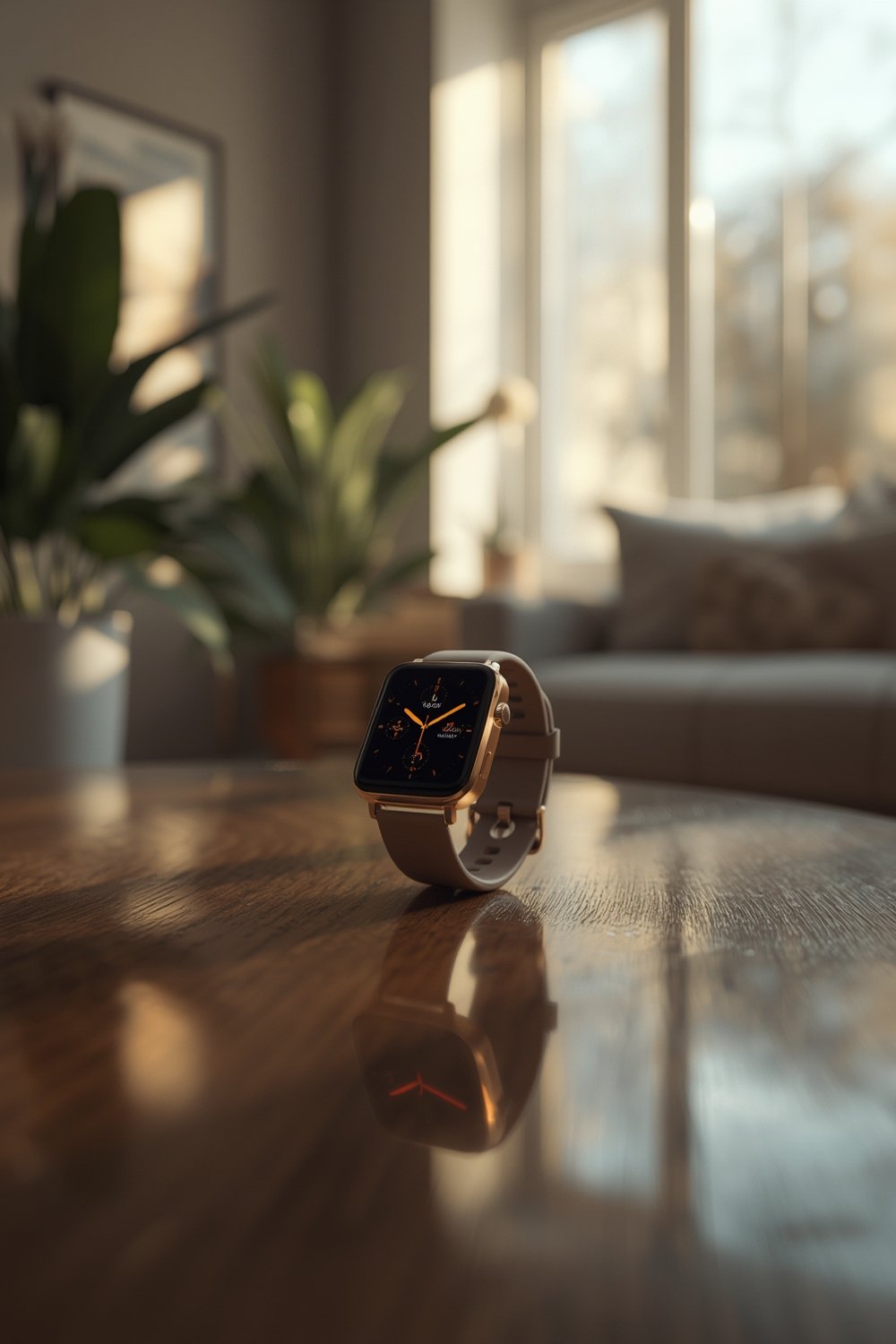
Driven by rapid advances and consumer demand, the global fitness tracker market is estimated at $60.9-$70.05 billion in 2024, with smartwatches making up over half the revenues. Growth is fueled by fitness culture, corporate wellness, online retail, and the shift from simple bands to full-featured smart fitness tracker watches. [MarketDataForecast] [GrandViewResearch] [TowardsHealthcare]
But not all devices are equal. Marketing claims often overstate battery, waterproofing, or accuracy. Understanding the real-world performance differences—and knowing how to select and use your watch—matters more than ever.
Step-by-Step Guide: How to Choose and Use a Smart Fitness Tracker Watch
-
Decide on Your Primary Goals
Do you want accurate training stats? Sleep tracking? Long battery for hikes? Or is style and app integration for daily life your top priority? Clarify your main goal before shopping. -
Set Your Budget & Requirements
Entry-level trackers ($40-$150) have basics—HR, steps, and sometimes connected GPS. Spend $150-$350 for onboard GPS, swim features, and better displays. Advanced sports smartwatches ($350-$800+) offer dual-band GPS, 10 ATM waterproofing, longer battery, and deep analytics. Premium features like ECG, music storage, or offline maps usually require stepping up. -
Shortlist Compatible Devices
Do you use Android, iOS, or both? Some watches restrict features if paired with a different phone brand. Also check health platform integrations—Apple Health, Google Fit, Garmin Connect, or Fitbit—for your needs. -
Check Sensor Accuracy for YOUR Activities
Most heart rate monitors are accurate at rest or gentle cardio. For HIIT, interval runs, dark skin, or tattooed wrists, look for watches rated highly in independent tests—not just brand claims. If you train at high intensity, consider a device that pairs with a chest strap for best heart data. -
Verify Battery and Waterproofing for Real Use
Official specs often overstate. If you need long GPS workouts (hiking, triathlon), avoid watches with “up to” claims that drop to a day with all features on. For swimming, look for 5 ATM at minimum, but for daily or pool use, verify owner reports for fogging or button issues. -
Consider Comfort & Wearability
Bulky sports watches can irritate skin or disturb sleep. Lighter fitness trackers tend to be more wearable 24/7 but may lack advanced training functions. -
Review App Quality and Data Policies
Test the companion app for usability before buying if you can. Look for clear export options, sharing controls, and whether advanced analytics are paywalled by subscriptions. -
Pace Your Feature Use
If you want maximum battery, disable always-on display, music streaming, and continuous SpO2. Customize which notifications and sensors you actually need. Overloading features shrinks battery fast. -
Regular Maintenance
Rinse the band and case after pool or saltwater use. Dry daily to reduce skin irritation. Update firmware regularly but note that some updates can disrupt syncing—back up important data first. -
Link with Your Routine for Real Results
Set realistic step or workout goals. Sync with other home gym equipment: For resistance training, check out this resistance band workout guide for ideas you can track optimally with your fitness watch. For treadmill routines, see the treadmill workout steps.
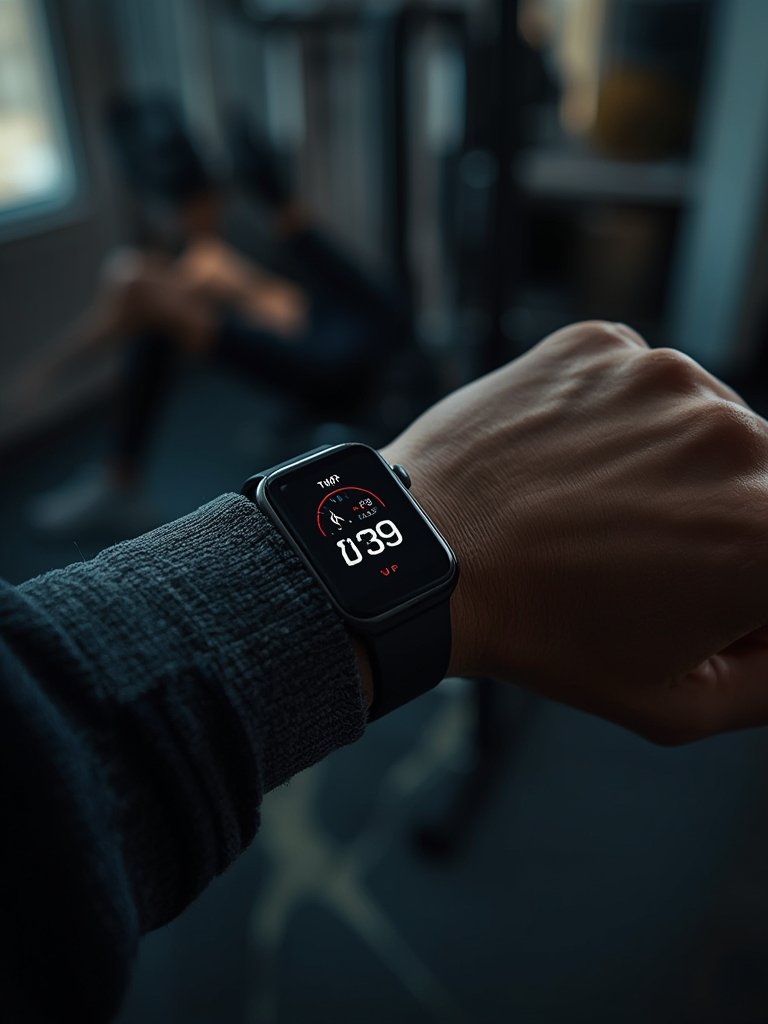
Maximize your data by linking your smart fitness tracker watch to compatible fitness apps. For strength workouts, integrating with power rack routines gives you better progress tracking. For recovery days, pairing your data with a portable massage gun routine can highlight how your body responds to rest and muscle relief.
Regularly export your fitness data for backup. Some platforms limit historical access or may require an active subscription for detailed analytics. Prioritizing open platforms can save headaches when switching devices later.
Advanced Analysis & Common Pitfalls
Even top smart fitness tracker watches come with practical problems:
- Sensor inaccuracy in real workouts: Optical heart rate is less reliable during sprints, HIIT, or when worn loosely, especially on dark or tattooed skin. GPS “drift” or stutter appears in dense cities or forests, with route errors up to 5%.
- Battery life claims don’t match real use: Multi-day battery can disappear if you use continuous sensors, streaming music, or keep GPS on. Charging can also be slow or require proprietary cables.
- Subscription walls: Key performance, recovery, or health analytics are often gated behind monthly fees, frustrating users after purchase.
- Waterproofing isn’t bulletproof: Even with 5 ATM or 10 ATM ratings, long-term pool and chlorinated water exposure can weaken seals or cloud screens. rinsing after every swim and checking for fog is essential.
- Software and ecosystem pains: Syncing errors, firmware bugs after updates, or having features disappear if you change platforms (iOS to Android) are increasingly common.
- Skin irritation & discomfort: Wearing 24/7 can cause rash or discomfort—especially with low-quality bands or if you don’t rinse/sanitize after sweaty workouts.
- Durability issues: Straps and bezels sometimes break or degrade quickly, especially for heavy sweat, chlorine, or rugged sports use. Not all watches are built equal—even premium devices have failure rates after a year of hard use.
- Data privacy & portability: Many users discover health data is not easy to export, with some metrics locked to proprietary apps or subscriptions. Always check export options before you start logging months of health data.
| Spec/Feature | Entry Level Tracker | Mid Range Smartwatch | Advanced Sports Watch |
|---|---|---|---|
| Typical Price | $40-$150 | $150-$350 | $350-$800+ |
| Water Resistance | 5 ATM or IP | 5 ATM | 10 ATM or Dive Cert. |
| Heart Rate | Basic, 24/7 | Improved, SpO2, some ECG | High accuracy, dual sensors, chest strap support |
| GPS | Phone-shared or Basic | Multi-GNSS | Dual band, maps, navigation |
| Battery (Daily Use) | 5-10 days (real: 2-5) | 7-14 days | 15-30 days+ |
| Durability | Standard plastic/TPU | Better bands, improved coating | Metal, premium fiber, replaceable bands |
Before choosing, explore unbiased test reports and real user forums (not just product pages). Curious about upgrading home routines? Pairing your watch with a bumper plate setup or neoprene dumbbells can extend exercise tracking for strength progress as well.
For more in-depth comparison, check the latest wearable technology trends in this industry report.
Conclusion
Choosing a smart fitness tracker watch in 2024 is less about hype and more about matching features to your real-world needs. Focus first on sensor accuracy, comfort, and honest battery/waterproof specs for your daily habits. Remember that platform and subscription policies can affect your long-term value. Know why you’re tracking—then follow these tips to get not just data, but actual results.
The smart fitness tracker watch you select should empower you every day—not become another tech frustration. Compare, check real user feedback, and start building healthier, more insightful routines now.
FAQ
How accurate is heart rate monitoring on today’s smart fitness tracker watches?
Accuracy is good for resting and steady workouts (within 2-5 beats of a chest strap) but can be off by 10+ bpm during intense intervals or with tattoos/dark skin. For precise training, consider a model that supports external chest straps.
Can I swim or shower with my smart fitness tracker watch?
Most mainstream models are rated 5 ATM (safe for swimming and showering), but repeated hot water or chlorinated/salty water can eventually cause leaks if you don’t rinse and dry your watch after each use.
Do I need to pay a subscription to unlock all features?
Basic tracking is usually free, but advanced analytics (long-term trends, training readiness, recovery, nutrition insights) are often locked behind monthly subscriptions. Always check what’s included before committing.
How do I export or backup my fitness data?
Most apps export basic data as CSV, GPX, or sync to platforms like Strava or Apple Health. However, detailed metrics or history can sometimes be locked to your account or lost on model switches—choose open platforms when possible.
What’s the average battery life with all features enabled?
Most mid-range trackers last 2-5 days of heavy use, while advanced sports models can stretch to 7-14 days. Music playback, GPS, and always-on displays will reduce battery life significantly.
[…] your calories using a fitness tracker watch for maximum […]
[…] cause discomfort, and tech that tracks your workouts or vitals in real time. If you also use an advanced sports smartwatch, or a portable massage gun for your recovery, great headphones complete your workout […]
[…] even better results, pair your smart fitness tracker watch with purpose-designed hiking GPS tools or a lightweight hiking backpack. These setups ensure that […]