
Hiking water bottle insulated options are now a core part of serious trail gear, but most guides gloss over crucial details hikers need for real performance in 2024. If you care about cold water, all-day comfort, or avoiding common pain points, this guide breaks down the latest research, hike-tested pitfalls, and real innovations to help you pick what actually works on trail.
Key Takeaways
- Double-wall vacuum insulated stainless bottles offer the best cold and hot retention, but the weight tradeoff is real for multi-day hikers.
- Collapsible bottles save weight and space but bring risks of leaks, bad taste, and cleaning hassles—insulation is nearly absent.
- Most insulated hiking bottles still lack hands-free quick-sip solutions and don’t address dynamic trail access or durability after drops.
- What Makes an Insulated Hiking Water Bottle Different?
- How to Pick and Use the Right Hiking Water Bottle Insulated for Your Needs
- Advanced Analysis & Common Pitfalls
- Conclusion
- FAQ
What Makes an Insulated Hiking Water Bottle Different?
Insulated hiking water bottles use double-wall vacuum construction, most often with 18/8 (304) stainless steel, to keep liquids cold or hot for hours in real field conditions. Unlike bladders or collapsible soft bottles—popular for their weight savings—insulated bottles prioritize temperature retention and durability, making them the default for day hikes, high-heat outings, or anyone who truly hates lukewarm water.
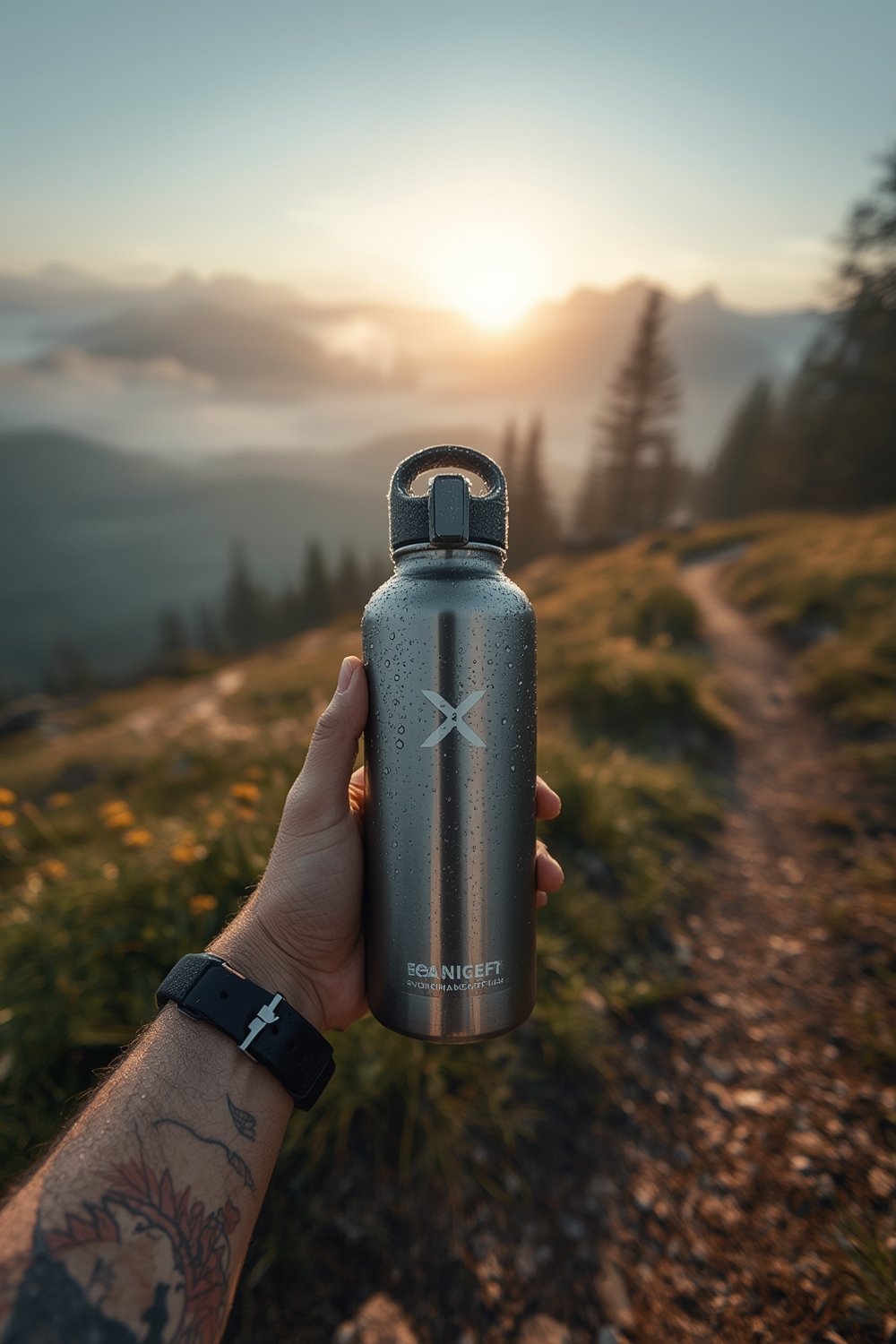
This matters because, according to global market data, the demand for insulated outdoor bottles is climbing, reaching US$ 3.7B in 2024, driven by outdoor activity, eco-consciousness, and users willing to pay more for performance. Most guides agree: true trail-ready bottles require reliable insulation, but real-world use reveals much more nuance—including access, cleanability, and comfort—that isn’t solved by insulation alone.
If you also care about organizing all your gear, check out our practical gym bag for women tips.
How to Pick and Use the Right Hiking Water Bottle Insulated for Your Needs
-
Decide: Do You Really Need Insulation?
Do you hike in conditions where cold (or hot) drinks matter, or are you prioritizing weight above everything? Insulated stainless bottles are almost ten times heavier than a collapsible soft bottle. If you’re committing to hot desert trails, long day hikes, or simply can’t stand warm water in summer, insulation is a must. Otherwise, see our advanced analysis below about tradeoffs. -
Pick the Right Capacity and Weight Balance
The most popular sizes for hikers are 32–40oz. Lightweight models like the Hydro Flask Trail Series (32oz, around 10oz empty) offer premium insulation while trimming some weight, making them worth the higher price for many users. For day hikers, a 32oz insulated bottle is often the “sweet spot” for volume, weight, and usability. -
Choose Quality Materials and Construction
Look for double-wall vacuum insulation in 18/8 stainless steel. Avoid cheap single-wall or foam-insulated bottles—they lose heat faster and often develop leaks after impacts. Premium bottles (Hydro Flask, YETI, Stanley) are far more likely to keep your drink cold all day and survive accidental drops. -
Pick Your Lid: Straw, Chug, or Classic?
One-handed straw or flip lids are far more convenient on-trail, but can leak if tipped and may be harder to clean. Screw-top lids ensure leak resistance and sometimes better thermal retention, but you’ll need both hands to drink while moving. Choose wide-mouth styles for ease of adding ice and cleaning. -
Consider Trail Access: Holster, Shoulder-Pouch, or In-Pack?
Many overlook real-world hydration access. Traditional bottles live in side pockets—hard to reach on the move. Try insulated holsters (like Mountainsmith, K4, or lightweight hiking backpack shoulder options) for one-hand grab, but realize this doesn’t yet rival the hands-free performance of a hydration bladder. -
Always Clean and Dry Your Bottle Between Trips
Even stainless bottles can develop mold under gaskets or within straw caps if left damp. Take apart all removable parts and scrub thoroughly. Pro tip: Use bottle brushes and dry upside down with lid off. -
Test Ergonomics Before Committing
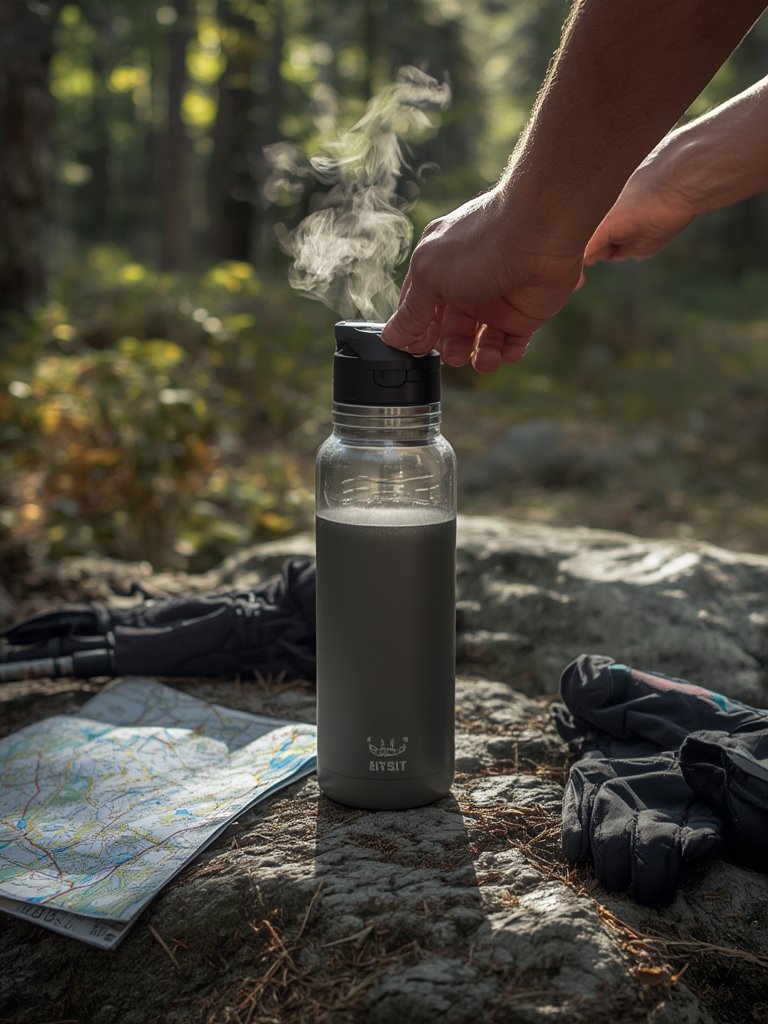
If you hike long hours, fill your new bottle and practice retrieving it from your planned pack configuration while wearing gloves, or moving at pace. You’ll spot design snags (bad grip, lid jams, poor balance) before they matter in the wild.
Want to upgrade your recovery gear for the trail? See our actionable foam roller for recovery guide for real results after long hikes.
Or, for trail workouts, our latest research-backed exercise mat tips keep your stretching routine safe and effective anywhere.
Advanced Analysis & Common Pitfalls
Common Pitfalls with Insulated Hiking Bottles and Flasks
- Weight Penalty: Double-wall insulated bottles (32oz size) typically weigh ten times more (10–12oz) than a Platypus SoftBottle 1L (~1.2oz). For heavy water carriers or multi-day hikers, this adds up fast.
- Durability Isn’t Always Equal: Premium models from Hydro Flask, YETI, and Stanley are resistant to loss of insulation after drops, but budget stainless bottles (sub-US$ 20) often lose their vacuum after just one impact—resulting in poor retention and wasted money.
- Cleanup and Mold: Flip-top straw lids and integrated handle systems are notorious for hidden gunk if not fully disassembled. Mold and odor can develop—especially in warm climates—if bottles are not thoroughly cleaned and aired between uses.
- Access Frustrations: Most insulated bottles still sit in side pockets or basic holsters. Sipping on the go still means reaching around, pulling out the bottle, and sometimes wrestling to re-stow, especially while on technical terrain or wearing gloves. Hydration bladders are still hands-free but bring other tradeoffs (taste, cleaning, leaks).
- Real Insulation Loss: Freezing or repeated impacts can destroy the vacuum in double-wall bottles. Once breached, these bottles lose much of their temperature performance but often look normal—a common issue with cheap or abused models.
Comparison: Collapsible, Semi-Rigid, and Insulated Bottles on Trail
| Bottle Type | Example | Capacity | Weight (Empty) | Main Pros | Main Cons |
|---|---|---|---|---|---|
| Ultralight collapsible | Platypus SoftBottle 1L | 1.0 L | ~1.2oz (34g) | Light, packable, ideal for weight-critical trips | Pinhole risk, plastic taste, weak insulation, tricky to clean |
| Semi-rigid collapsible | HydraPak Flux 1L | 1.0 L | ~3.6oz (102g) | More structure and grip, easier to drink from | Heavier than softbottles, may develop seam leaks or odor with age |
| Double-wall vacuum insulated | double-wall vacuum insulated | ~0.95L | ~10–12oz (280-425g) | Keeps water cold/hot for 24+ hrs, taste-neutral, ultra-durable | Heavy, no collapse, always takes up pack space, takes time to fully dry |
For full gear breakdowns of lightweight and packable options, see our lightweight hiking backpack guide.
What Leading Guides Miss: Under-Explored Topics
- Usability Metrics for Quick Access: Most guides compare lid types but do not quantify how fast you can hydrate without stopping, especially while moving or with gloves on.
- Real-World Insulation Loss After Impact: Budget bottles can lose all insulation after a single drop. Premium models fare better, but guides often skip post-damage performance.
- Deep Hygiene and Taste Analysis: Trouble cleaning straw lids and bladders leads to biofilm, odors, or “plastic taste”—a big reason many switch to stainless steel, not always discussed in usable detail.
For portable muscle recovery, see our proven portable massage gun guide for serious hikers.
Looking to track your trail stats? Try a smart fitness tracker watch for hydration and movement data on the go.
For a sustainable setup, check our guide to eco-friendly yoga mats—great for camping stretches.
Conclusion
Weight, insulation, and real-world access define your experience with a hiking water bottle insulated. Double-wall vacuum stainless bottles deliver unmatched performance for cold and hot drinks but come with extra grams and minor access frustrations. Balancing convenience, longevity, and cleaning ease isn’t simple. Review your needs, weigh the proven research, and choose what fits your trail. Ready to upgrade your hiking routine? Invest in the right hiking water bottle insulated and enjoy hydration that actually works—where it counts.
Want to optimize your whole trail setup? Start with a quality insulated bottle and then explore upgrade picks like neoprene dumbbells for strength, or adjustable resistance bands for portable trail workouts.
FAQ
How long do insulated hiking water bottles really keep water cold?
High-end double-wall vacuum bottles keep water cold for 24 hours or more in real world conditions. However, this depends on bottle quality, ice volume, and outside temperature. Budget bottles may lose chill much faster after a drop or heavy use.
Are insulated bottles worth the weight on multi-day hikes?
If you need cold or hot beverages all day, especially in high heat, yes. For ultralight hikers or where water is easily available, stick with collapsible or soft bottles to minimize carried weight.
Do straw and flip lids leak in backpacks?
Some do. Most straw and flip lids are not fully leak-proof if tipped sideways for long periods. For best security, use a screw-top when moving, and switch to straw/flip only when drinking while standing still or on gentle terrain.
How should I clean my insulated bottle and lid?
Take apart all removable parts (lid, gaskets, straws), scrub with a bottle brush and hot soapy water, and allow to dry fully with both lid and bottle separate. Clean after every trip, especially after sweetened drinks.
What is the best bottle for cold and hot retention?
Premium double-wall vacuum insulated bottles made of 18/8 stainless steel, such as Hydro Flask, YETI Rambler, or Stanley IceFlow, consistently perform best for both hot and cold use on the trail.
[…] a lightweight kit? Match your rain jacket with a lightweight hiking backpack or consider a compact insulated hiking water bottle to keep your load […]
[…] safety and hydration, a good insulated water bottle is just as crucial as your headlamp on longer […]
[…] your whole hiking system? Explore our proven guides to hiking socks merino wool, shock-proof hiking water bottles, and even trail-tested hiking tents for the best outdoor […]
[…] hiking gear guide for eco-friendly choices, or get our top tips for staying hydrated with a hiking water bottle insulated—because prevention is half the […]
[…] longer trips or varied weather, consider clothing that adds value: a hiking water bottle insulated to avoid dehydration chills and a weatherproof hiking tent for safe overnight […]