
### Blog Post:
Foam roller for recovery is more than a trendy gym accessory—it’s a widely studied tool with modest but real benefits for muscle recovery, soreness relief, and flexibility. But do foam rollers really work, and are vibrating models or spiky textures worth the higher price? In this brutally honest guide, you’ll get evidence-backed answers, not marketing hype, plus step-by-step advice to maximize results while avoiding common pitfalls.
Key Takeaways
- Foam rolling delivers small but measurable gains in flexibility, pain reduction, and strength recovery—backed by multiple 2024 studies.
- Vibrating rollers may offer slight extra pain relief in specific cases, but the difference compared to standard rollers is usually tiny.
- Correct technique, realistic expectations, and awareness of safety risks are essential for effective and safe use.
- The Core Concept: How Foam Rollers Help Recovery
- Step-by-Step Guide: Evidence-Based Foam Rolling for Recovery
- Advanced Analysis & Common Pitfalls
- Conclusion
- FAQ Section
The Core Concept: How Foam Rollers Help Recovery
Foam rollers for recovery are self-massage tools designed to apply pressure to muscles and connective tissue (myofascial release). They are shown to support recovery by:
- Reducing perception of muscle soreness and stiffness
- Improving flexibility (especially pre-exercise range of motion)
- Supporting minor improvements in post-exercise strength and sprint recovery
Unlike massage guns or stretching alone, foam rolling relies on your body weight to target large muscle groups. According to 2024 peer-reviewed research, rolling each muscle group for at least 120 seconds leads to the best recovery effects. However, benefits are generally small and highly dependent on proper technique.

Step-by-Step Guide: Evidence-Based Foam Rolling for Recovery
- Pick the Right Roller: Choose between standard, vibrating, and textured rollers. Most users do well with a mid-density roller unless you crave extra pain relief (vibrating) or want to experiment with textures. Check for quality materials like EVA or EPP foam, and avoid ultra-cheap models that flatten fast.
- Prep Your Muscles: Warm up lightly (walking, dynamic movement) before rolling. Never use a foam roller directly on an acute injury, bruise, or open wound.
- Apply the Correct Technique: Position your body so that the target muscle rests on the roller. Use slow, controlled motions, rolling each muscle group for at least 120 seconds.
- Quads, calves, IT band: Roll in straight, unhurried passes, pausing over tight or sore spots for up to 30 seconds.
- Back: Keep spine neutral; never roll directly over the low back or neck.
- Start with moderate pressure. If pain is intense, lighten the load—discomfort is normal, but sharp pain is not.
- Sequence Matters: For recovery, roll after training; to boost flexibility, roll before activity. Evidence suggests small acute gains with both routines.
- Dosage and Frequency: Aim for 1–2 sets of 120 seconds per major muscle after exercise. 2–4 times per week is enough for most (more may increase habit adherence challenges).
- Monitor for Downsides: Watch for bruising, prolonged pain, or skin irritation. If symptoms worsen or don’t improve, reduce frequency or consult a pro.
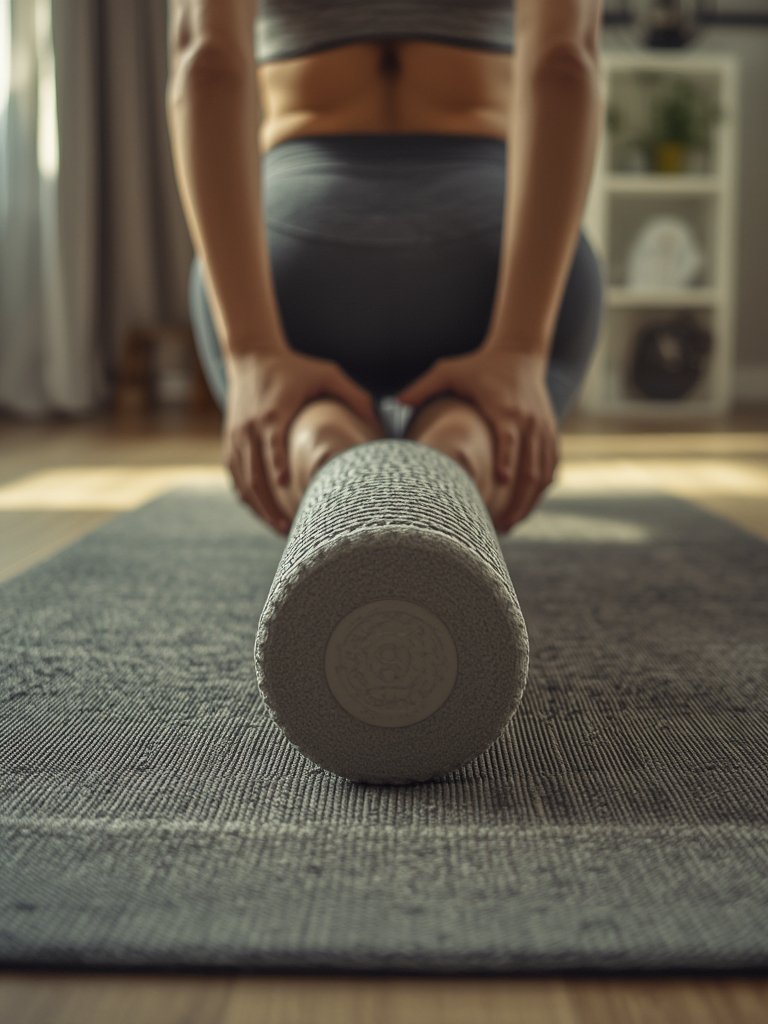
Want to level up your home gym versatility? Read our guide on 7 Resistance Band Workouts for effective warm-ups and post-roll activation, or see the Situp Bar: 7 Proven Workouts to complement your recovery routine.
Advanced Analysis & Common Pitfalls
Despite wide use, many real users report disappointment or give up quickly due to pain, confusion, or minor results. Here’s a realistic look at what goes wrong and how the latest research compares foam rollers, vibrating options, and alternatives.
Common Pitfalls and Real-World Problems
- Pain and Discomfort: For many, especially over the IT band or quads, foam rolling actually hurts. This pain can lead to poor adherence or simply abandoning the roller.
- Technique and Instruction Issues: Many products arrive with little to no guidance. Poor form, rolling too fast, or too short, and misunderstanding duration reduces effectiveness.
- Limited Effectiveness: Peer-reviewed meta-analyses show only small—sometimes barely noticeable—improvements in soreness and recovery. Sleep and nutrition remain primary tools, not foam rolling alone.
- Bulky, Imprecise Devices: Standard rollers are awkward to store and travel with. Large models are not ideal for small trigger points, feet, or neck (requiring small balls or sticks).
- Quality and Durability Problems: Cheap models flatten or crack within months; batteries and motors in vibrating rollers are prone to failure.
- Noise and Vibration Issues: Many users complain that vibrating rollers are loud or have uneven vibration patterns.
- Exaggerated Marketing Claims: Promises like “dramatic recovery” or “clinical grade results” often exceed what real world and research outcomes support.
Comparison Table: Roller Types & Recovery Outcomes
| Tool Type | Benefits | Downsides | Who Should Try? |
|---|---|---|---|
| Standard Foam Roller | Small improvements in soreness, flexibility, strength recovery; affordable; widely available | Painful for some; hard to target small areas; can compress over time | Beginners and most general users |
| Vibrating Roller | May provide slightly better pain relief; multiple modes/settings; high-tech feel | Expensive; battery/motor failures; noisy; effect only slightly better than standard | Those wanting best comfort or who don’t mind paying for tech |
| Roller Stick / Bar | More control over pressure; less bodyweight required; portable | Mixed results for strength recovery; limited large muscle coverage | Travelers, those with mobility issues |
| Textured/Hard Roller | Marketed for “deep tissue” release (but evidence shows little extra benefit) | Can cause pain/skin irritation; no measurable advantage over standard | Advanced users seeking strong pressure |
Vibrating rollers get a lot of attention, but 2024 studies found their benefit versus regular rollers is marginal at best—useful for some pain relief, but rarely game-changing. Want another (sometimes more convenient) recovery option? Explore how a portable massage gun compares, especially for hard-to-reach trigger points or if you struggle with foam roller pain.
Price, Warranty, and Specs Snapshot
- Cost: Standard rollers range from $10–80, vibrating models from $60–250.
- Warranty: Most offer 1 year (vibrating: 1–2 years), some premium foam versions have lifetime guarantees.
- Specs: Look for durable EPP or EVA, reinforced core, and (for vibration) solid battery/motor support. Avoid no-brand knockoffs.
For a closer look at home gym upgrades, see our guides to the Best Bumper Plates for Training and Ultimate Power Rack setup.
Who Should Not Use a Foam Roller?
- Injuries: Never use on acute muscle tears, fresh wounds, or surgery sites. Wait for professional clearance.
- Medical Conditions: Avoid rolling with deep vein thrombosis, clotting issues, or unstable bone conditions (advanced osteoporosis, recent fracture).
- Neurological/Sensory Loss: Those with numbness or nerve conditions may not feel excess pressure, risking harm.
- Pregnancy: Avoid abdomen and pelvis rolling. Limbs and back are usually safe with care.
Want a less painful core training tool? Check our Core Sliders: 7 Proven Exercises for joint-friendly alternatives.

Conclusion
Foam rolling is a helpful tool for muscle recovery if you use the right technique, have realistic expectations, and pick a high-quality roller. The net benefits are small but measurable—especially in combination with sleep, nutrition, and smart training. If you’re considering a foam roller for recovery, understand that patience, consistency, and evidence-based practices make all the difference.
Ready to recover smarter? Choose a roller that matches your needs, follow the steps above, and always listen to your body. Got more fitness gear needs? See our full reviews for exercise mats and other home gym essentials.
FAQ Section
Do foam rollers really improve recovery time?
Peer-reviewed studies show foam rollers can produce small improvements in recovery markers like pain and strength restoration, but effects are modest. The largest benefits are seen in combining foam rolling with good sleep, nutrition, and overall active recovery.
Is a vibrating foam roller worth the higher price?
For most users, vibrating rollers may feel more comfortable and deliver slightly better pain relief, but the actual improvement over standard rollers is small in most trials. They are a good choice if you value comfort or tech, but not essential for effectiveness.
How long and how often should I foam roll for recovery?
Scientific evidence recommends at least 120 seconds per target muscle group, 1–2 sets per session, several times per week. Rolling before exercise increases flexibility, while rolling after exercise supports soreness relief and recovery.
Who should avoid foam rolling?
Avoid use if you have an acute muscle injury, recent surgery, blood clotting disorders, unstable bone conditions, or reduced sensation in the target area. Always consult with a professional if unsure.
Are textured or high-density rollers more effective?
No. Studies show similar effects on muscle soreness and recovery between standard, textured, and high-density rollers when used for the same amount of time and technique.
[…] or resistance band workouts to minimize repetitive stress on lower legs. Use recovery tools like a foam roller to stay […]
thank you for your opinion
[…] for full-body workouts, check out our expert tips in the HOTWAVE Push Up Board review or explore foam roller recovery tips for post-yoga […]
[…] improve your overall shoulder health as you scale up? Learn about joint-protecting routines in our foam roller for recovery guide and build grip safely with a hand grip strengthener […]