
Sustainable hiking gear is no longer just a trend but a practical necessity for outdoor enthusiasts aiming to minimize their impact while staying well-equipped for the trail. If you’re searching for gear that actually delivers—without the greenwashing or technical trade-offs—you need straight facts, tested strategies, and realistic advice. This guide covers what matters in 2024: evidence-based tips, performance gaps, real consumer frustrations, and how to build a genuinely sustainable hiking kit.
Key Takeaways
- Sustainable hiking gear now matches traditional gear in most performance areas, but there are honest trade-offs around fit, price, and certain features.
- Look beyond green marketing—pay attention to certifications like bluesign, GOTS, and GRS to ensure authenticity and trace true environmental impact.
- Combining recycled-material gear, extended use, proper care, and zero-waste habits gives the largest carbon and waste reduction on the trail.
- What Is Sustainable Hiking Gear & Why Is It Critical?
- Step-by-Step: How to Build a Real Sustainable Hiking Kit
- Advanced Analysis & Common Pitfalls
- Conclusion
- FAQ
What Is Sustainable Hiking Gear & Why Is It Critical?
Sustainable hiking gear refers to outdoor apparel and equipment intentionally designed to reduce negative impacts on the environment. This includes using recycled or certified organic materials (like recycled polyester, organic cotton), eco-certified manufacturing (bluesign, GOTS, OEKO-TEX), and promoting longer product lifecycles through durability and repairability. In 2024, over half of outdoor enthusiasts say they prioritize these attributes, with top brands transitioning much of their product lines to recycled content and responsible practices.

This shift is driven by both necessity and demand. Textile manufacturing has a huge carbon and water footprint. With global sustainable outdoor clothing projected to grow at nearly 6% annually (from USD 9 billion in 2024), adopting sustainable gear is one of the clearest ways individual hikers can reduce emissions and landfill waste, while also signaling to brands that greener options matter.
Step-by-Step: How to Build a Real Sustainable Hiking Kit
-
Prioritize Core Apparel With Verified Certifications
- Look for bluesign, GOTS (for organic cotton), or GRS (for recycled content)—these ensure reduced chemicals, safer worker conditions, and traceable impact (source).
- Brands like Patagonia (most lines), The North Face (85%+ recycled polyester), and Cotopaxi (100% recycled or upcycled) lead on certifications and transparency.
-
Choose Recycled or Organic Technical Layers That Match Your Environment
- Select base and mid-layers made with recycled polyester or certified organic blends. Balance sustainability with use-case—some recycled fabrics may be slightly heavier or warmer, making them best for moderate conditions (performance data).
- For hot weather, check that fabrics have high breathability and UPF; not all recycled options excel here, so read detailed user reviews.
-
Focus on Durability and Repairability
- Higher quality recycled gear is now nearly as robust as traditional gear (90–95% of tensile strength), but check for reinforced stress areas and user feedback about seam/longevity issues.
- Prefer brands offering repair programs, spare parts, and robust warranties—a critical part of true gear sustainability.
-
Adopt Zero-Waste and Reusable Solutions
- Use reusable stuff sacks, wide-mouth insulated bottles, bulk food containers, and bar toiletries instead of single-use plastics. Gear like beeswax wraps, reusable pee cloths, and solid soaps cut trail waste quickly.
- Prioritize multipurpose and modular gear to minimize redundancy.
-
Plan for End-of-Life: Recycle, Donate, or Upcycle
- Check if your gear is part of a brand’s take-back or recycling initiative (like Patagonia’s Worn Wear, Cotopaxi’s upcycling, or Ecoalf’s textile-to-textile recycling).
- For items not accepted in brand programs, research local textile recycling programs or repurpose materials for home or garden use (patches, pet beds, cleaning rags).
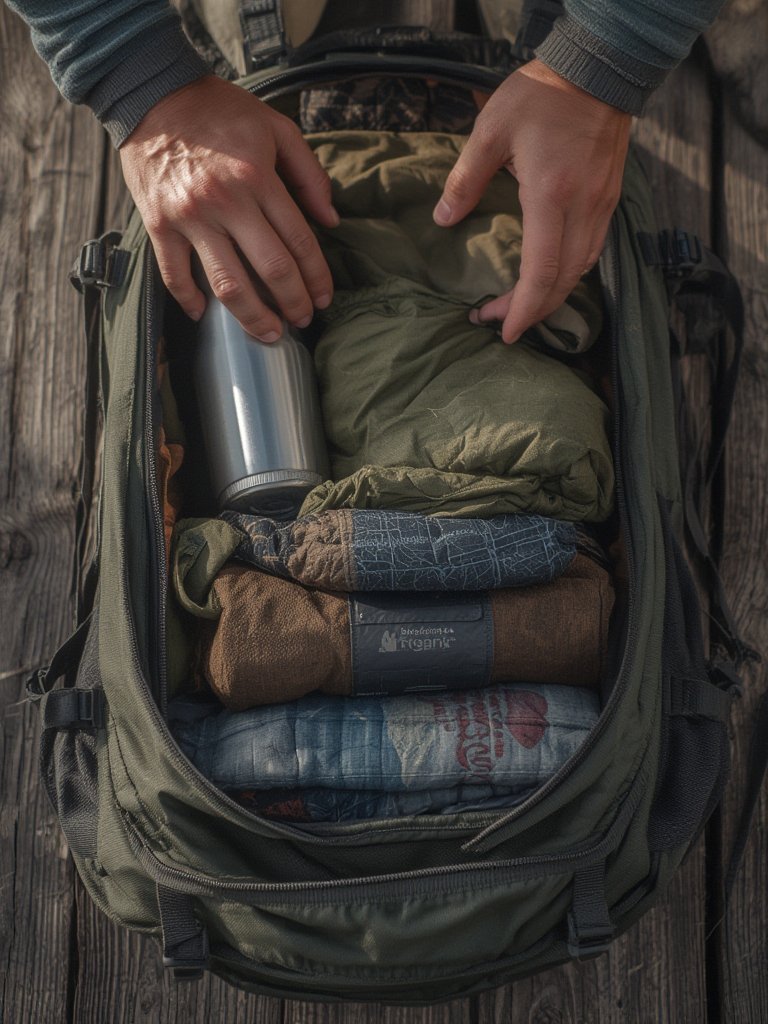
Also, if you’re assembling a lightweight, waste-cutting pack, compare sustainable options for hydration and food transport. For example, check our guide to insulated hiking water bottles and best practices for ultralight hiking backpacks for efficient, eco-friendly setups.
Advanced Analysis & Common Pitfalls
Buying sustainable hiking gear isn’t always smooth. Here are realistic problems and how to sidestep them:
| Common Pitfall | Details & Evidence | How to Minimize |
|---|---|---|
| Fit and Comfort Issues | Some recycled fleeces fit too snug or run hot for layering; recycled nylon pants may feel thin or abrasive. (review aggregation) | Try before you buy or order from retailers with free, easy returns. Read deep-dive field reviews, not just product blurbs. |
| Variability in Durability | User feedback shows mixed seam/longevity results, especially in new recycled lines from smaller brands. (Cotopaxi feedback) | Stick to gear with multi-year warranties and a strong repair/returns culture where possible. |
| High Prices | Eco gear—especially jackets—can cost 10–50% more than mainstream. Many consumers accept a 10–20% premium but balk above 25%. (Ethical Consumer Guide) | Watch for off-season sales or buy last year’s colors for deals. Consider if the gear will offer longer service life or lower cost per use. |
| Incomplete Sustainability Claims | Many products say “recycled” but only use bottle-based rPET, not true garment-to-garment recycling. Some blends cannot be recycled again at end-of-life. | Seek detailed labeling: look for GRS/GRS+ or full-chain bluesign. Prefer mono-material items if end-of-life recycling is a priority. |
| Limited Features or Colors | Smaller sustainable brands often offer fewer sizing or color options due to limited batch runs and deadstock use. | Check large brands’ sustainable lines for broader choice, or embrace “function over fashion” in colorways. |
| Recycling Program Gaps | Few textile-to-textile recycling programs accept gear that’s dirty, damaged, or blended with spandex/elastane. | Whenever possible, buy items with documented take-back or upcycling options, and remember not all “recycled” gear will be recyclable again. |
For a deep dive into sustainable fitness gear for other activities, see our guides to eco-friendly yoga mats and foam rollers for recovery.

Conclusion
The world of sustainable hiking gear has matured. With leading brands now using 50–100% recycled materials in technical apparel and new certifications providing real trust, dramatic progress is tangible. Still, some compromises remain—especially on price, certain fit/styles, and feature sets. If you prioritize certified materials, real durability, and intentional buying, you can drastically reduce your outdoor impact without sacrifice. Start rethinking your hiking kit, make informed, impact-driven choices, and be part of the next wave in sustainable hiking gear. Ready to upgrade? Review your closet, research those certifications, and try a new item on your next hike.
FAQ
Does sustainable hiking gear perform as well as traditional gear?
Most high-quality recycled polyester and nylon now perform 90–95% as well as virgin fabrics for hiking use (and are often indistinguishable in comfort tests). Some minor trade-offs exist in the most extreme environments or with lower-end lines.
Is sustainable hiking gear always more expensive?
Yes, usually 10–30% more, sometimes higher for premium brands or technical jackets. This is due to smaller production runs, higher certification costs, and investment in repair or recycling programs, but you can offset this by buying used or waiting for sales.
What certifications matter when buying sustainable hiking gear?
The most trusted are bluesign (chemicals/process), GOTS (organic cotton), and GRS/RCS (recycled content). For down and wool, look for RDS or RWS. These ensure actual environmental progress and better supply chain ethics.
Can I really recycle my old hiking gear?
Some brands run take-back or recycling programs, but these often only accept items in reasonable condition and certain materials. Most true textile-to-textile recycling is still limited—try to buy mono-material gear or repair and donate when possible.
How can I make my hiking kit more zero-waste?
Use reusable food/gear containers, buy in bulk, avoid disposable wipes/packaging, repair instead of replace, and choose brands with upcycling or recycling schemes. Combine these for the biggest impact on landfill and ocean waste.
[…] for car camping, but a dealbreaker on the trail. For more on full kit optimization, our new Sustainable Hiking Gear Guide goes deep on eco-impact and gear […]