
### Blog Post:
Adjustable resistance bands have quickly become a home gym favorite for effective strength training, stretching, and rehab routines—offering a level of flexibility that traditional weights and fixed bands struggle to match. But before you grab the first set you see, it’s worth digging into what really sets adjustable resistance bands apart, what to watch out for, and how to actually get the results (and safety) you expect.
Key Takeaways
- The global resistance band market is booming, but actionable info on adjustable bands versus other types is hard to find.
- Stackable adjustable bands offer the most flexibility for home strength workouts but bring unique pain points, such as durability and calibration issues.
- For effective, safe results, buyers should look beyond marketing claims to real material choices, failure risks, and incremental resistance accuracy.
- What Are Adjustable Resistance Bands & Why Do They Matter?
- How To Use Adjustable Resistance Bands: A Practical Guide
- Advanced Analysis & Common Pitfalls to Avoid
- Conclusion
- Frequently Asked Questions
What Are Adjustable Resistance Bands & Why Do They Matter?
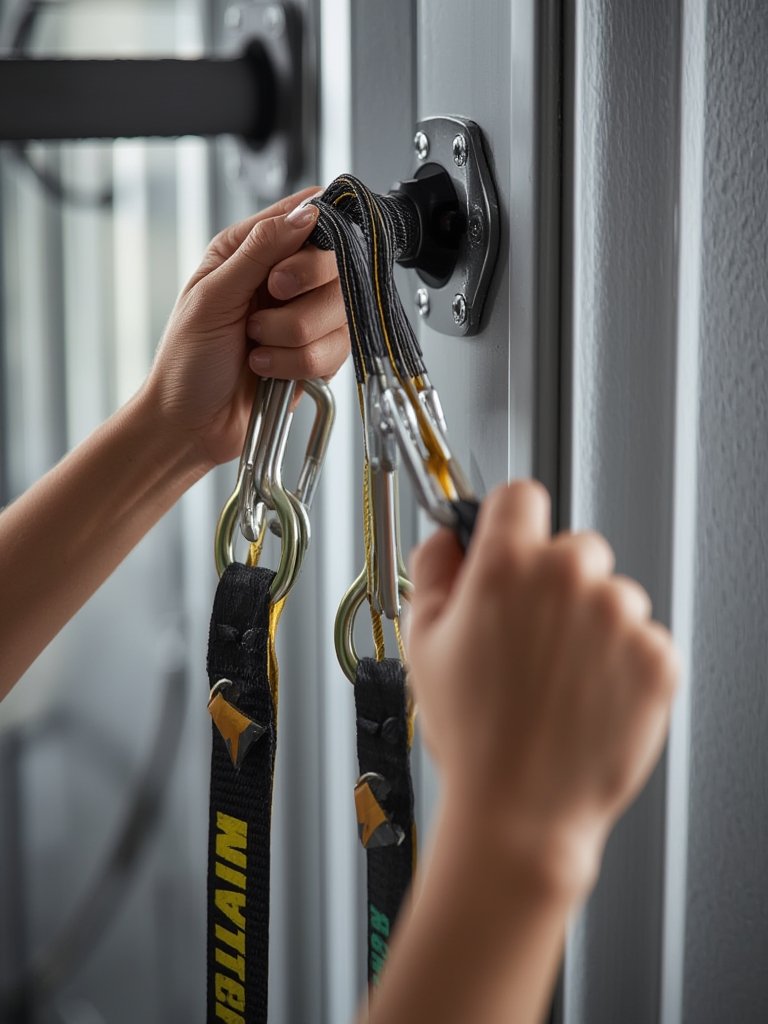
Adjustable resistance bands are strength training tools made up of multiple elastic tubes (usually color coded), detachable handles, and anchor points. The “adjustable” feature refers to being able to stack or swap different band resistances—using carabiner clips, you can add or remove one or more tubes per handle to customize the total load for each exercise.

This concept matters because it lets home users replicate gym-style progressive overload without bulky weights. Compared to loop or flat bands (often used in rehab), adjustable stackable bands are marketed for “weight replacement,” home gyms and strength progression. Typically, these sets offer resistance from around 5 to 150 pounds (sometimes higher) by stacking tubes in different combos for rows, presses, and curls. According to Grand View Research, while the entire global resistance bands market is surging past $1.6 billion in 2024, detailed numbers for adjustable vs. loop bands remain unavailable. However, expert consensus holds that adjustable tube sets dominate the home workout and strength training segment due to their flexibility and value per dollar.
Learn more about band-based training benefits in our resistance band workouts guide.
How To Use Adjustable Resistance Bands: A Practical Guide
Step up your training results and safety with this practical approach to getting the most from your adjustable resistance band set.
- Inspect Your Bands Before Every Use
Look for cracks, fraying, or signs of stress where the tube meets the carabiner or handle. Replace damaged bands immediately—snaps most often happen at these stress points. - Secure Your Anchor
Slide the door anchor through a locked, heavy door ideally on the hinge side. Give a firm tug before starting your exercise. Don’t use drawers or unstable objects as anchors. - Select & Stack Bands for Desired Resistance
Clip 1–5 tubes to each handle for your target load. Reference the manufacturer’s chart, but don’t trust the labeled pounds blindly; real resistance can vary. Test with a controlled first rep to confirm tension feels right. - Maintain Proper Technique
Keep the band under tension through the whole range of motion. Adjust your position so the band isn’t slack at any point. If you can’t maintain form, reduce resistance. - Progress Resistance Systematically
Once you hit your target reps easily, add a small tube or step back (to increase stretch). Log your band combinations and rep performance for consistent progress. - Store & Care Correctly
Avoid sharp corners, sunlight, and moisture. Detangle tubes after use, and hang them rather than stuffing them in a bag whenever possible to prevent kinks and cracks. - Keep Accessories Organized
Use a drawstring bag or wall hooks to prevent tangling. Mark tubes with tape if color-coding gets confusing or wears off.
- Bonus: When training for strength, keep rests short to maintain tension and target muscle fatigue. For rehab, consult a qualified professional for band grading and progressions.
For more gear tips, check our pull up bar home gym guide — it pairs perfectly with band training.
Advanced Analysis & Common Pitfalls to Avoid
While adjustable resistance bands offer big upsides, users often run into real-world problems not obvious from the box. These issues aren’t just “wishlist” gripes—some affect safety, progress, or long-term satisfaction.
| Common Pitfall | Description | Actionable Fix |
|---|---|---|
| Band Snap or Breakage | Most breakages happen at the joint (tube to clip/handle), especially with low-cost sets or improper use. | Inspect connections before use; upgrade to sets with reinforced anti-snap ends. |
| Misleading Resistance Ratings | Labeled numbers often don’t match real tension, especially when stacking bands (resistances don’t always add linearly). | Use perceived exertion, not just labels. Track progress by exercise reps, not arbitrary pounds. |
| Anchor Instability | Poor quality anchors may slip or fail, risking injuries or wall/door damage. | Use secure, load-bearing doors and test anchor placement every session. |
| Band Length Fit Problems | Bands can be too short for taller users or too long for shorter users, limiting proper exercise range. | Opt for sets offering “above 6 feet” bands if above 6 feet, or tie off excess slack for shorter users. |
| Latex Allergy & Material Uncertainty | Latex-sensitive users may react to unlabelled bands; latex-free often feels or performs differently. | Look for explicit “latex-free” claims, and confirm material type (TPE, silicone, etc.). Use quality guides from trusted reviewers. |
| Storage and Tangling | Multiple tubes and clips become a tangled mess, wasting time and potentially damaging the bands. | Hang bands individually on hooks, or use a wall-mounted rack system. |
| Expensive Nonstandard Accessories | Replacement parts for name-brand kits (handles, anchors) can be pricey or unavailable. | Choose sets with standard carabiner sizes, or brands with affordable spare parts. |
For even more comparison details (including pricing and progression), see our neoprene dumbbells review and in-depth resistance band workouts. If you prefer classic metal, our bumper plates guide breaks down weighted options for home setups.
On the material and market side, both Grand View Research and Credence Research confirm that adjustable tube sets are leading the charge in individual and home gym sales, driven by these user preferences and pain points.

Conclusion
Adjustable resistance bands empower anyone to train effectively at home, travel, or rehab settings, but they come with real-world trade-offs—longevity, resistance labeling, calibration, and storage headaches among them. Always inspect your set, choose quality construction, and recognize that the best “adjustable” features favor safety and incremental progress, not just high poundage claims. To get the most out of your adjustable resistance bands, invest in user-tested gear, progress patiently, and build habits around safe usage. Ready to discover the best bands for your specific fitness goals? Check our reviews and take action today.
Frequently Asked Questions
Are adjustable resistance bands suitable for serious strength training?
Yes, many adjustable tube sets safely provide resistance equivalent to 100 pounds or more when tubes are stacked. For maximal strength or powerlifting goals, however, consider supplementing with heavy loop bands or traditional weights as well.
Do adjustable resistance bands break easily?
Quality matters. Cheap sets can snap, especially at ends or clips. Look for reinforced connectors and inspect before each use. High-end brands often add extra internal cords for anti-snap protection.
Is there a difference in resistance between latex and latex-free bands?
Yes. Latex-free bands (usually TPE or synthetic rubber) feel stiffer and less “snappy” than latex. They may wear out sooner and cost more. Latex bands offer more consistent stretch but trigger allergies for some users.
How do I clean and store adjustable resistance bands?
Wipe bands with a damp cloth after use, let them air dry, and store them hung up or coiled loosely away from sunlight. Avoid storing bands bunched up or in hot, damp spaces to extend lifespan.
Can I use resistance bands if I’m allergic to latex?
Choose products explicitly labeled “latex-free,” and verify material type in product info or from the manufacturer. When in doubt, prioritize brands specializing in therapy or clinical use with clear allergen statements.
—
[…] maximize your resistance bands? Try these 7 proven resistance band workouts for results or see how adjustable resistance bands fit progressive training into your […]
[…] more compact strength tools? Discover Adjustable Resistance Bands: 7 Amazing Ways to Build Strength (Proven Guide) for advanced multi-modal training or compare essentials for your home gym buildout in our Power […]
[…] recovery tools: Layer your recovery with methods like foam rolling, portable massage guns, or resistance bands for full-spectrum […]
[…] Consider combining stability ball exercise routines with tools like foam rollers for recovery or adjustable resistance bands for a more comprehensive, safe home […]
thank you for your advice
[…] mats, dumbbells, headgear) becomes important—consider pairing with gear like an exercise mat or adjustable resistance bands for full routine […]
[…] ready to go lighter often combine this approach with minimalist home workout routines using adjustable resistance bands or neoprene dumbbells to save weight before hitting the […]
The atmosphere here is so welcoming for newcomers. I appreciated the straightforward terms and conditions and the instant payout feature saved me during a weekend tournament. Trust me you will love it. arwin1