
workout headphones wireless have quickly become a must-have for anyone who exercises, runs, or trains at home and outdoors. Choosing the right pair is crucial for comfort, performance, and safety, especially with all the new advancements in 2024’s wireless audio technology.
Key Takeaways
- True wireless and open-ear workout headphones are the fastest-growing segments, with buyers prioritizing secure but comfortable fit for all exercise styles.
- The main challenge is finding sweat-proof, stable headphones that don’t cause ear fatigue—and premium features like built-in fitness sensors are now emerging.
- Understanding specs like battery life, Bluetooth stability, fit, and long-term moisture resistance is now essential when shopping for wireless workout headphones.
- The Core Concept: What Makes Wireless Workout Headphones Different?
- Step-by-Step Guide: How to Choose and Use Workout Headphones Wireless
- Advanced Analysis & Common Pitfalls
- Conclusion
- FAQ
The Core Concept: What Makes Wireless Workout Headphones Different?
Wireless workout headphones are designed to handle intense movement, sweat, and varied environments. In 2024, the global market for true wireless earbuds (TWS) exploded, reaching 330 million shipments—a 13 percent year over year increase. Open-ear designs and secure-fit sports models became the focus as consumers demanded more than just music playback: comfort, stability, sweat-proofing, and, increasingly, built-in health tracking.
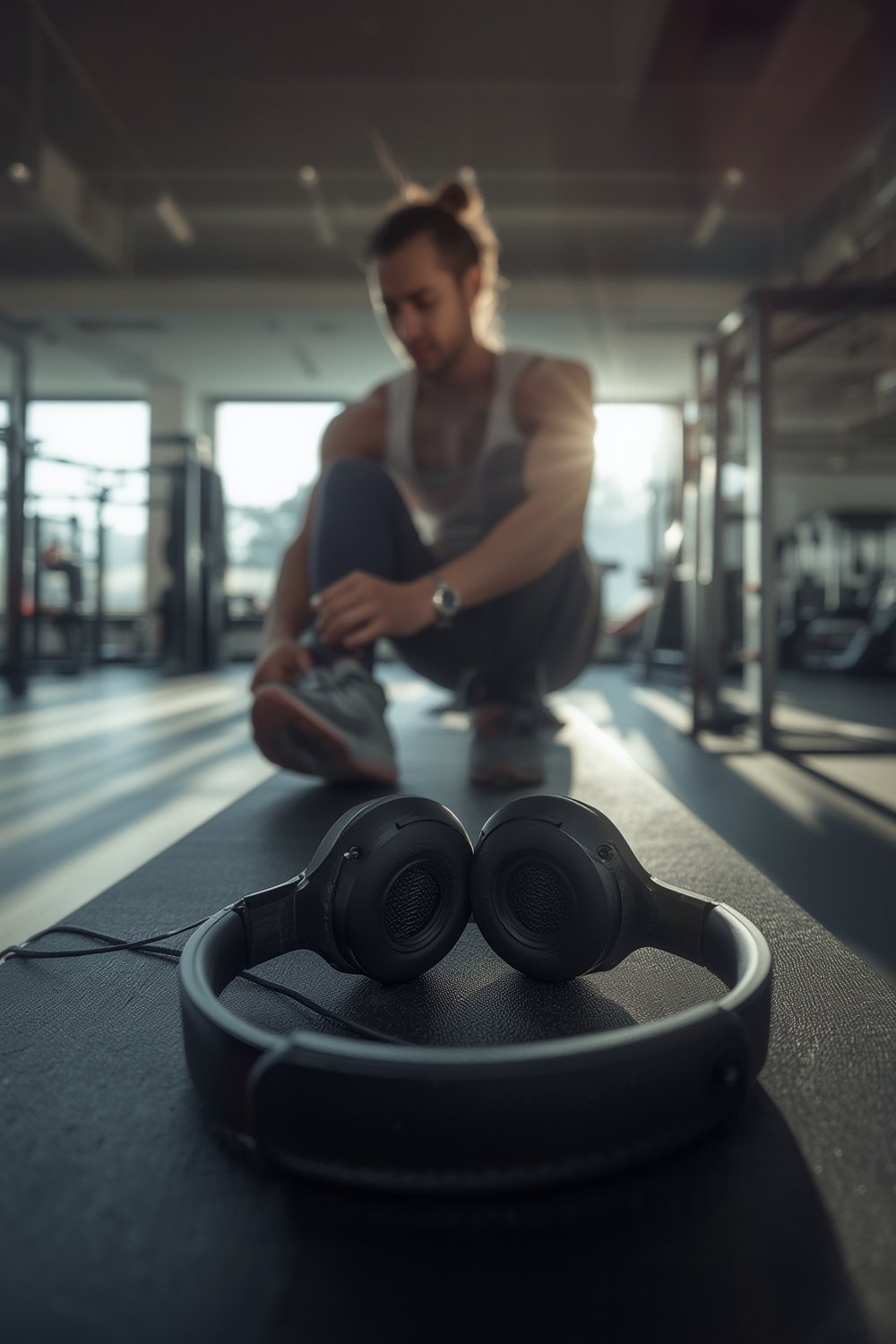
These changes address real-world use cases: running, HIIT, weight training, cycling, and even commuting. What sets workout headphones wireless apart is not just wireless convenience but their ability to remain secure and comfortable through all movements—unlike standard media earbuds, which easily slip out or falter with sweat.
As buyers shift from standard TWS to open-ear and secure-fit models, the real difference is design: materials that endure moisture, fit systems that don’t cause discomfort, and tech that tracks your workouts or vitals in real time. If you also use an advanced sports smartwatch, or a portable massage gun for your recovery, great headphones complete your workout ecosystem.
Step-by-Step Guide: How to Choose and Use Workout Headphones Wireless
-
Define Your Needs and Activity Level
If you mainly run, opt for lightweight, snug-fit or open-ear designs. For gym or mixed workouts, prioritize secure-fit buds with customizable tips or ear hooks. If you work out at home, multi-scenario compatibility (wearing comfort with mats, dumbbells, headgear) becomes important—consider pairing with gear like an exercise mat or adjustable resistance bands for full routine synergy.
-
Check Key Technical Specs
- Battery life: Look for at least 6 to 8 hours use per charge, especially for longer sessions or combined commute and workout cycles.
- Bluetooth version: Prioritize v5.2 or later for more stable connections.
- Audio codec support: Seek support for aptX or AAC if sound quality matters during training.
- Weight: Lighter buds fatigue your ears less—crucial for long sessions and endurance workouts.
- Sensor features: If you want fitness tracking, confirm if the device offers meaningful heart rate or SpO2 tracking—not just marketing labels.
Recent reports show over 6 million sensor-enabled TWS sold in 2024, a 41 percent global growth.
-
Evaluate Fit and Comfort In-Depth
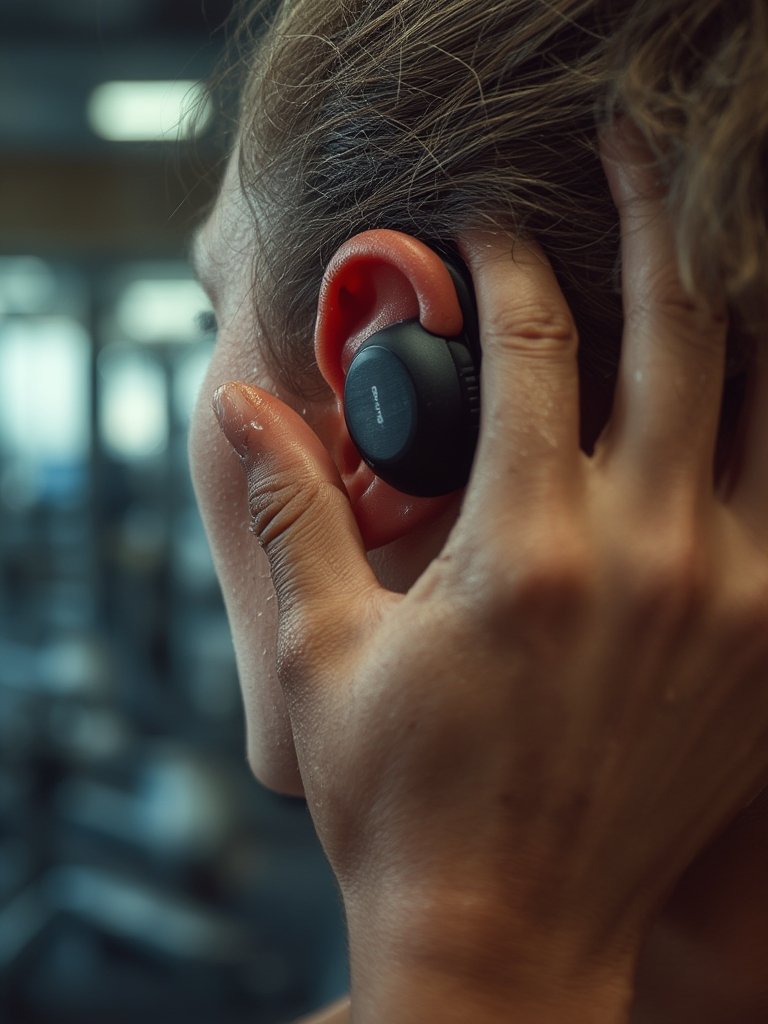
Try on different fit systems: ear hooks, wing tips, angled nozzles, and shell shapes. Make sure you can wear them comfortably for an hour or more—seek out “open-style” designs if you often struggle with ear fatigue.
💡 Pro Tip: Bring your glasses, helmet, or hat to the store and test headphones with all your regular exercise gear. A perfect fit solo may slip or pinch with extra accessories.🔥 Hacks & Tricks: If you sweat heavily, add a thin silicone earbud ring or sports cover—these boost grip and moisture resistance. Clean tips/earpieces weekly to prevent long-term discomfort or odor buildup.
-
Investigate Sweat-Proof Credentials and Durability
Most premium options are designed for sweat and water protection as a core feature, not an extra. While IP ratings aren’t always published, ask manufacturers about how their moisture/waterproofing is validated—real sports headphones will highlight this specifically in their specs or marketing.
Long-term reliability means more than advertising: look for brands with a warranty and positive user feedback for durability over months, not weeks. This is especially important if you cycle routines and mix outdoors with indoor training.
-
Analyze Price vs. Features Realistically
The current market includes both mass-market TWS (lower price, fewer athlete-specific features) and premium sports/open-ear/sensor models (higher price, tailored fit and durability). Think in terms of value: Do you need built-in heart rate? Is secure fit or comfort worth a premium? Check competitor models in each price bracket and create a shortlist based on your real exercise routines and goals.
Remember, spending more does not always guarantee better fit or long-term durability—prioritize fit and sweat resistance over audio specs if you use headphones mainly for training.
For strength routines, pairing with neoprene dumbbells or cross-training tools like a pull up bar doorway lets you test multi-scenario fit in real time.
Advanced Analysis & Common Pitfalls
The most frequent issue reported by active users isn’t poor sound or battery—it’s discomfort during medium to long training sessions. Many guides don’t go far enough comparing true fit mechanics (hooks vs. wings vs. open shapes) or how those interact with different ear shapes, glasses, or headwear. Below is a side-by-side comparison of fit systems and use risks:
| Fit System | Stability for HIIT/Run | Comfort for Long Use | Sweat Resistance | Multi-Scenario Compatibility |
|---|---|---|---|---|
| Ear Hooks | Excellent | Can cause pressure with glasses/helmets | Usually good (depends on seal) | May conflict with some headwear |
| Wing Tips | Very Good | Medium—can fatigue after 1+ hour | Good with silicone tips | Generally compatible, but not all ear shapes |
| Open-Ear/Clip-On | Good for moderate motion | Best for all-day wear | Usually top-notch (no ear canal seal issues) | Excellent, fits most ears and accessories |
| Classic In-Ear TWS | Varies—can easily slip with sweat | Poor for long workouts | Varies widely by model | Easy to lose fit if moving heavily |
Other critical pitfalls that guides miss:
- Moisture damage over time: Cheap buds may claim “sweat proof” but corrode, lose charging, or degrade after months of heavy use.
- Sensor “checklist” syndrome: Not all earbuds with sensors actually give accurate or useful health data—in many, the feature is just for marketing.
- Battery life misalignment: Specs list max playback at half-volume and no sensors. Real workout use (louder, high-motion, more sensors active) means you may get 20 to 40 percent less life per charge.

For hardcore athletes or all-day wearers, consider the external data: major open-ear headphone sales in China rose over 200 percent this year—evidence that comfort and real-world compatibility are now the biggest drivers.
Pairing your headphones with foam roller for recovery routines or a jump rope cardio training block can further reveal comfort limits or slippage during explosive movement.
Conclusion
Wireless workout headphones are more advanced and diverse than ever. The market shows a clear trend toward secure, sweat-proof, and sensor-enhanced options that fit all training scenarios. Above all, real comfort and stability in daily exercise should trump specs or marketing hype. When you shop for workout headphones wireless in 2024, match features to your routine, test fit with all gear, check real sweat resistance, and prioritize models with proven durability and support. Choose smart—your ears, workouts, and results depend on it.
Ready to make your training easier and more enjoyable? Start with a trial fit and active test session—don’t just go by brand, try before you buy.
FAQ
Are open-ear designs better for outdoor workouts?
Open-ear headphones let you stay aware of your surroundings—ideal for road running and cycling—while reducing ear fatigue. However, they may leak more sound and offer less noise isolation, so weigh your priorities carefully.
How important is water or sweat resistance?
Essential. Even moderate sweat can damage standard earbuds or cause electrical/charging failures. Look for at least IPX4 or better, and check real user reviews for long-term reliability.
Is battery life a deal breaker for active users?
Yes, especially if you combine workouts with commutes or long sessions. Actual battery life in “real-world” use is often lower than advertised, so plan for at least 20 percent buffer over your longest routine.
What features are overrated in wireless workout headphones?
Extreme audio specs and digital assistant gimmicks matter less than stability, sweat-proofing, and fit. Heart rate sensors can be useful, but not all are accurate—always check third-party tests, not just marketing claims.
Can workout headphones wireless replace a fitness tracker?
Some new models track heart rate and motion, but they’re not as comprehensive as a dedicated fitness tracker watch. If serious data matters to you, supplement headphones with a smart fitness tracker watch for the best of both worlds.
Been playing on aviamasterscasino for a few weeks now. Payouts seem legit, and the Aviator game is actually pretty addictive. Give it a shot! More fun than I expected. Check out aviamasterscasino yourself.
[…] you’re ready to complete your trail kit, remember other upgrades help too: check our guide on wireless workout headphones for no-slip audio, or boost recovery after hard runs with a portable massage gun to keep your feet […]