
### Blog Post:
Portable massage gun devices are changing how people approach muscle recovery—making deep tissue therapy easier to access at home, at the gym, or even while traveling. But do they really deliver on their promises? Here’s what you need to know to get real results and avoid common pitfalls.
Key Takeaways
- Global demand for portable massage guns is booming, but the market is crowded with varied quality and performance.
- Users face recurring pain points like insufficient power, excessive noise, and durability concerns—especially in lower cost models.
- Smart shopping means understanding specs, safety risks, and warranty terms before you buy.
- What is a Portable Massage Gun and Why Use One?
- How to Use a Portable Massage Gun: Step-by-Step Guide
- Advanced Analysis & Common Pitfalls
- Conclusion
- FAQ
What is a Portable Massage Gun and Why Use One?
A portable massage gun is a cordless handheld device that delivers rapid percussive pulses to muscles. The idea: promote recovery, relieve soreness, and improve mobility, without always visiting a massage therapist. In 2024, these devices have become a mainstream tool for everyone from athletes to office workers—thanks to miniaturization, longer battery life, and wider availability.
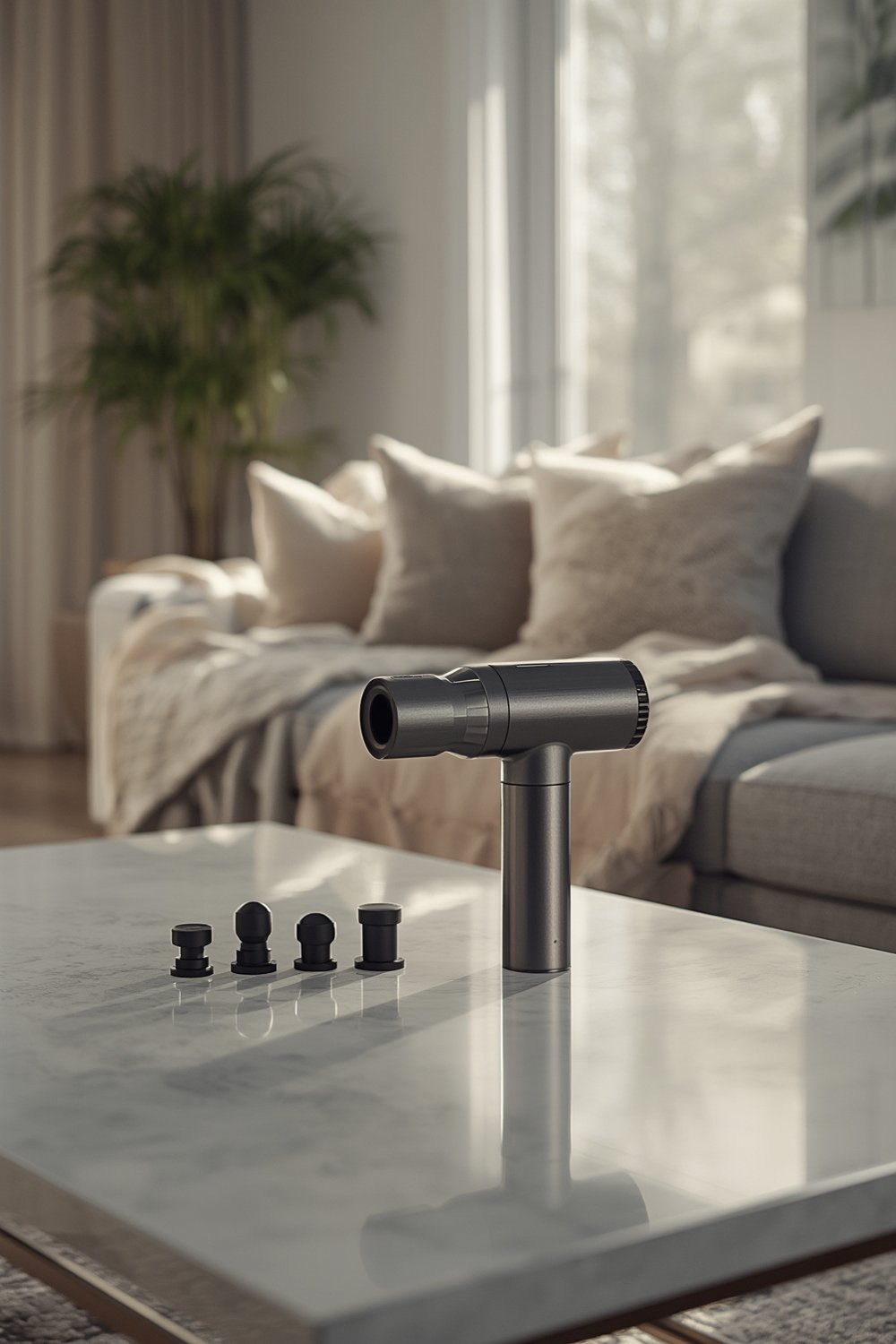
Top models can reach deep tissues, offer multiple speeds, and deliver professional-level power. This accessibility fuels market growth—global sales are projected to hit between USD 0.5B and 1.5B in 2024. But the surge in popularity has also attracted a flood of low-quality imitations. That’s why paying attention to specs, reviews, and safety warnings is critical.
If you’re assembling a home gym, a massage gun fits alongside essentials like a pull up bar or a resistance band, serving as a quick, self-directed way to manage muscle fatigue.
How to Use a Portable Massage Gun: Step-by-Step Guide
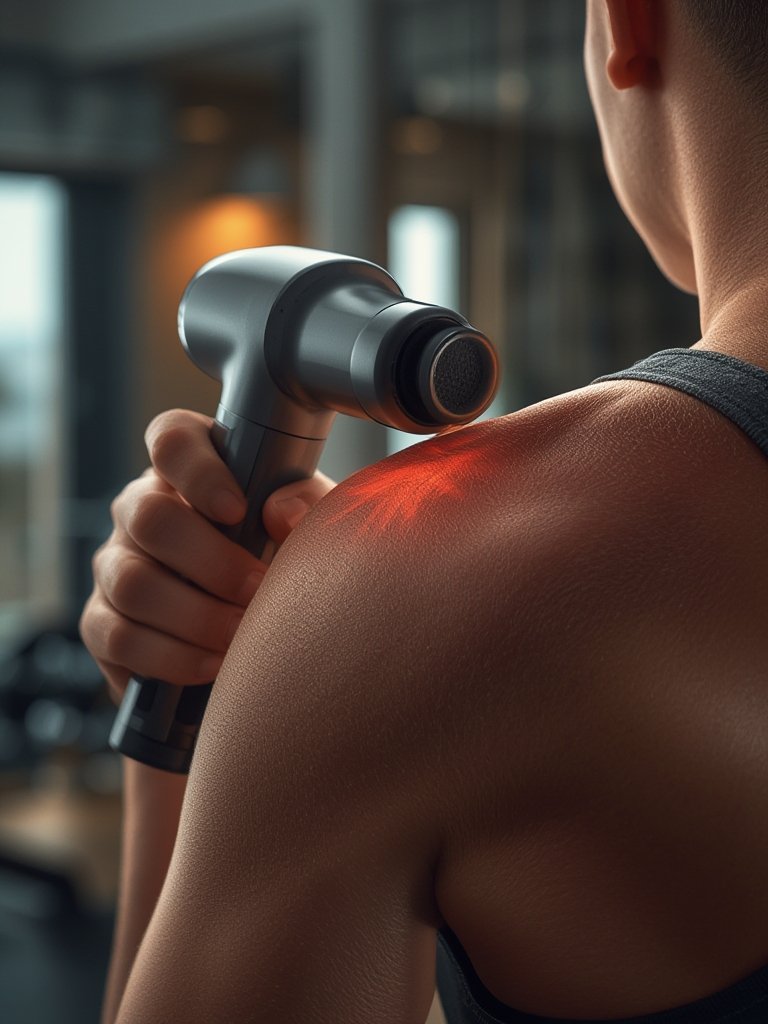
Getting the benefits of a portable massage gun requires more than just switching it on. Follow these steps for effective, safe use:
- Charge your device fully using the recommended cable and plug. Avoid overcharging and check for voltage compatibility if traveling internationally.
- Select your attachment—use round heads for large muscle groups, bullet heads for trigger points, and flat heads for general use.
- Choose the right speed starting at the lowest setting, especially for sensitive or new areas. Higher speeds deliver more intensity, but can cause bruising if not managed.
- Slowly apply the gun to the targeted muscle without pressing too hard—let the device’s weight and movement do the work. Hold for about 30-60 seconds per muscle group.
- Move the gun in slow, controlled sweeps covering the muscle belly while avoiding bony areas, joints, and sensitive zones.
- Monitor discomfort. If you feel sharp pain, tingling, or notice redness or swelling, stop using immediately.
- Clean the heads after use with a disinfectant wipe or mild soap, especially if sharing between users.
Want to further optimize your recovery? Consider pairing your device with other home workout equipment like a neoprene dumbbell set or a quality exercise mat for a truly all-in-one approach.
Advanced Analysis & Common Pitfalls
The rise of the portable massage gun comes with challenges. Here’s what research and real-world users say about what goes wrong—and how you can avoid wasted time and money.
Most Common Pitfalls and Realistic Problems
- Low stall force (power): Many cheap units stall or stop under firm pressure, making them useless for deep tissue relief.
- Noise complaints: Lower-end devices often reach annoying noise levels—hardly ideal for apartments or late-night sessions.
- Battery issues: Short runtimes, slow charging, or rapid battery decline are regular pain points that disrupt recovery routines.
- Poor durability: Reports of attachments breaking, buttons malfunctioning, and cases cracking within the first year are common—especially on mass-market models.
- Pain or bruising: Misuse, hard heads, or too high settings on sensitive users can lead to real discomfort or minor injury.
- Lack of support: Many brands do not offer helpful customer service or warranty, especially in the budget segment.
- Unclear guidance: Most products lack proper instruction about which heads, speeds, or muscles are best—leaving users to trial-and-error their way to results.
- Safety risks: Few reviews spell out that people on blood thinners, or with implants, need extra caution or medical clearance.
| Feature/Metric | Low-Cost Massage Guns | Premium Massage Guns |
|---|---|---|
| Stall Force | Often below 25 lbs, stalls under modest pressure | 40–60+ lbs, can handle heavy use |
| Noise Level (dB) | 60–75 dB, intrusive in quiet spaces | 45–55 dB at low/med speeds, office-friendly |
| Battery Run Time | 1–2 hours, degrades quickly | 3–6 hours, more stable over time |
| Warranty | 6–12 months, often with weak support | 2 years or more, accessible service |
| Ergonomics | Poor handle angles, heavy heads, fatigue risk | Balanced, textured grip, designed for easy reach |
| App/Smart Features | Rare or absent | App control, guided routines, sensor feedback |
For a deeper comparison between recovery tools, see our bumper plates review where we discuss strength gear for 2026, or explore the stadium seat guide for optimizing comfort in fitness and sports settings.

Conclusion
Portable massage guns can be a powerful addition to your wellness or recovery arsenal. The key is making sure you choose one with sufficient power, a usable noise profile, and a warranty that matches the price—not just a flashy low cost. Always read the manual, know your risk factors, and stop use if you notice unwanted pain or bruising. By following the steps above and understanding the real-world research, you can make a smart investment in your portable massage gun and accelerate your fitness journey.
Ready to upgrade your recovery? Research well, compare features, and choose your ideal device today.
FAQ
Are portable massage guns safe for everyone?
Not everyone should use a portable massage gun. People on blood thinners, those with neuropathy, recent surgeries, or implants like pacemakers should consult a doctor first due to risks of bruising or device interference. Always read safety warnings before using.
What specs matter most when buying a portable massage gun?
Pay careful attention to stall force (power), noise level, battery run time, and warranty. High-quality motors, 2+ hour battery life, and ergonomic grips are priorities for most users.
Do portable massage guns work as well as traditional massage?
Clinical research shows portable massage guns help relieve muscle soreness and improve flexibility short-term. However, no strong evidence shows they match manual massage by professionals, especially for injury rehab or chronic pain.
How do I avoid bruising or pain when using a massage gun?
Start at low speed, use soft or rounded heads, and avoid bony areas. Limit sessions to 30-60 seconds per muscle. If pain or bruising occurs, stop immediately and allow recovery time.
Are there portable massage guns good for travel?
Yes, many mini models weigh under one pound and come with travel cases. Make sure your device supports universal charging and meets local voltage requirements. Expect some trade-offs in power versus full-size units.
—
[…] power rack routines gives you better progress tracking. For recovery days, pairing your data with a portable massage gun routine can highlight how your body responds to rest and muscle […]
[…] power, performance, and resilience. Explore our related guides on push up boards for home gyms or portable massage gun recovery for a complete strength […]
[…] with other active recovery tools: Layer your recovery with methods like foam rolling, portable massage guns, or resistance bands for full-spectrum […]
[…] athletes, combine compression recovery with established tools like a foam roller for recovery or a portable massage gun to increase circulation and reduce post-session […]
[…] tracks your workouts or vitals in real time. If you also use an advanced sports smartwatch, or a portable massage gun for your recovery, great headphones complete your workout […]
[…] the most comfortable yet. For deeper packing and hiking upgrades, check out our honest take on the best muscle recovery guns or see how the jump rope cardio training can unlock better endurance for your next backpacking […]