
### Blog Post:
Pull up bar doorway models have surged in popularity for accessible home workouts, but not all are created equal—especially when it comes to safety and long-term value. Choosing the right doorway bar involves more than checking the weight rating online. Here’s exactly what you need to know before you buy, install, and use a pull up bar doorway at home.
Key Takeaways
- Doorway pull up bar sales from 2024–2026 are led by a few best-selling models such as Ally Peaks and Iron Gym, but real-world market share percentages are not public.
- Common problems include improper installation, slipping of telescopic/no-screw bars, and progressive door frame damage—pay close attention to your wall or frame type before buying.
- Most manufacturer weight ratings assume static loads—dynamic moves (like kipping pull ups) need much sturdier mounting and extra safety margin.
- 1. What Is a Pull Up Bar Doorway and Why Does It Matter?
- 2. Step-by-Step Guide: How to Choose, Install, and Use Safely
- 3. Advanced Analysis & Common Pitfalls with Doorway Pull Up Bars
- 4. Conclusion
- 5. FAQ
What Is a Pull Up Bar Doorway and Why Does It Matter?
A pull up bar doorway is a versatile upper body training tool that mounts in or above a standard door frame, allowing you to perform pull ups and chin ups at home. There are three main types: over-the-frame (multi-grip), telescopic no-screw bars, and wall-mounted bars positioned above a door. Their appeal lies in convenience, affordability, and minimal space use—but they differ in safety, compatibility, durability, and performance. Understanding these differences is crucial so you don’t end up with damaged trim or subpar equipment.
Step-by-Step Guide: How to Choose, Install, and Use Safely
The right approach ensures your pull up bar doorway is stable, safe, and built to last. Here’s a stepwise method for every stage—from deciding on the best model to everyday use.
- Measure Your Door
Use a tape measure to check both width (most bars require 24–36 inch ranges) and the depth/thickness of the top trim for over-the-frame bars. Confirm there are no obstructions above the frame if you want a wall-mounted option. - Choose the Right Bar Design
- Screwless telescopic bars fit between jambs and don’t require hardware, but carry the most risk for slipping and frame damage (especially with dynamic moves).
- Over-the-frame multi-grip bars need strong, wide trim and give you more grip variety, but may still mark fragile trim. These are common for renters and require no wall damage.
- wall-mounted bars like the Rogue Jammer offer maximum safety and load capacity—install directly into wood studs with lag bolts. These are best for advanced users or heavier athletes.
For side-by-side product specs, see our dedicated pull up bar comparison table.
- Installation (Critical Step)
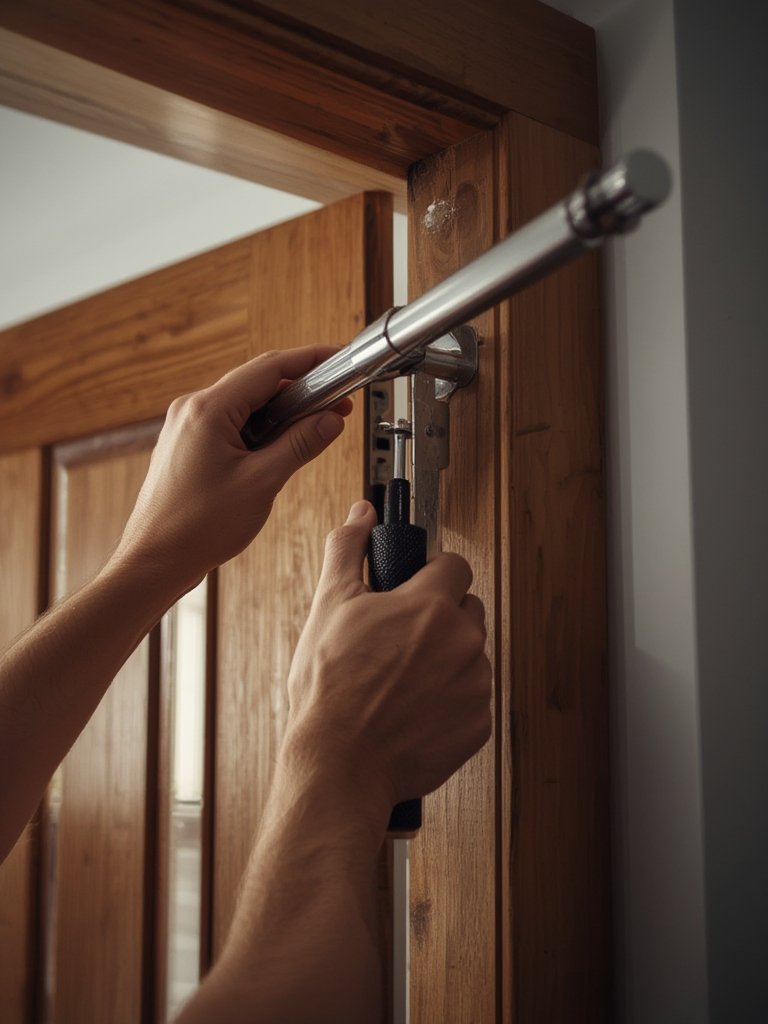
- Telescopic/screwless: Position the bar at the correct height, tighten until it’s immovable by hand, and, if included, use secondary locking pins or adhesive pads. Do NOT use friction bars on hollow, MDF, or fragile doorways.
- Over-the-frame: Hang securely from the upper trim, nudging the bar fully toward the frame; confirm the cross-brace is flat against the opposite side.
- Wall-mounted: Locate studs using a finder, pre-drill holes, and use the supplied (or higher grade) lag bolts. Ensure the bar is level and has 12–24 inches of clearance above it.
If you’re looking to build a more robust home gym setup, see our power rack buying guide.
- Safe Usage & Progression
- Stick to basic pull ups, chin ups, and controlled negatives until you’ve validated the bar’s security over multiple sessions.
- Avoid swinging, kipping, or muscle-ups on friction-mount bars and on any setup not fully anchored into studs or masonry. These movements may exceed actual load limits and loosen hardware.
- Check for movement, creaking, or paint dust between sessions. Re-tighten hardware or move the bar if you find issues.
- Protect your hands—if foam grips start to smell or tear, clean them with mild soap or switch to athletic tape (see our guide to gym gloves for grip).
For supplemental bodyweight training, resistance bands help maintain balance and avoid excessive strain. Try our resistance band workout routine.
- Maintenance
- Clean the bar and pads regularly. Wipe away sweat, and dry any metal exposed to humidity to prevent rust.
- Re-check all mounting points or tension every month.
- If using in a rental, always apply trim protectors to limit landlord disputes.
To expand your upper body routine, consider mixing in push up board workouts or add a situp bar for core training.
Advanced Analysis & Common Pitfalls with Doorway Pull Up Bars
The convenience of a pull up bar doorway often masks some real-world issues. Here’s what experienced buyers and physical therapists report after months of use—drawn from dozens of expert review roundups and aggregated buyer data.
1. Safety Risks by Bar Type
| Type | Common Pitfall | Risk Level | Where to Use |
|---|---|---|---|
| Telescopic/Friction-Mount | Slips or rotates with dynamic moves; frame/jamb damage | High if no solid wood | Solid wood jambs only; avoid rentals |
| Over-the-Frame | Depends on trim strength; can dent or loosen molding | Medium | Standard size doors, sturdy trim |
| Wall-Mounted | Loose mounting/lack of studs can cause failure | Low if installed correctly | Permanent setups only |
2. Real-World Problems with “Weight Limits”
- Most brands cite a 250–440 lb static rating. In reality, dynamic movement (kipping, swinging, uneven reps) generates much higher forces and can exceed design limits. Heavier athletes should double-check with their own weight and movement style.
- Foam grips compress, tear, or slide after heavy use—especially with sweaty palms and high rep counts. Users report needing to replace grips or switch to tape after 6+ months, which can impact hygiene if ignored.
- Many renters find after months of use that the door trim becomes permanently marked or even loosened, risking security deposit deductions. Protective padding is essential.
3. Maintenance Issues
- Repeated installation and removal (common in apartments or multi-use rooms) often leads to chipped paint, surface rust, and, on cheaper bars, worn-out plastic end caps.
- For wall-mounted bars, lag bolts may need re-torque every quarter—especially after high-rep sessions or if mounted above HVAC/heated spaces (thermal cycling loosens hardware over time). For details, see this expert review.
4. Market Overview & Sources
The best-selling pull up bar doorway models on Amazon for 2024–2026—namely Ally Peaks, Iron Gym, and high-capacity telescopic bars—hold the largest segment according to Amazon’s own best seller listing. Exact market share percentages are not released, but monthly sales analytics suggest dominance by just a few leading ASINs. (See also independent reviews from Garage Gym Reviews.)

Want to improve your overall shoulder health as you scale up? Learn about joint-protecting routines in our foam roller for recovery guide and build grip safely with a hand grip strengthener program.
Conclusion
A pull up bar doorway can transform your home fitness routine—if chosen and installed with care. Top models like Ally Peaks and Iron Gym dominate sales for a reason, but no solution is universally safe for every door or trainer. Always check your frame type, respect real-life weight/dynamic limits, and perform routine maintenance. With a few precautions, the right pull up bar doorway is a smart, space-saving investment for building upper body strength at home.
Ready to maximize your results? Explore our 2026 Pull Up Bar Guide for deeper comparisons or dive into a home workout with our favorite resistance band exercises.
FAQ
What’s the difference between screwless (telescopic) and over-the-frame pull up bar doorway designs?
Screwless or telescopic bars use friction to stay in place between door jambs; they don’t require metal hardware and are easy to install, but can slip or damage weak frames. Over-the-frame models hang on top of the trim—easier still, but dependent on strong, solid trim. Both types have pros and cons depending on your door construction.
Can I use a pull up bar doorway in an apartment rental?
Yes, but check your frame first. Many apartments have hollow or thin MDF trim that can dent or break with repeated pull ups, leading to security deposit issues. Use extra padding, and avoid dynamic moves. When in doubt, ask your landlord about modifications or consider alternatives like a resistance band setup instead.
How do I know if my chosen bar is installed safely?
For the safest setup, your bar should not budge, wobble, or squeak when you hang from it. For wall-mounted bars, use a stud finder and the supplied lag bolts. For over-the-frame or telescopic, check for any trim movement and always test with a few slow pull ups before full workouts. Re-tighten or reinstall if anything shifts.
What’s the real maximum weight for a pull up bar doorway?
Most models state 250–440 lb, but that’s a static weight rating. Actual safe limits are lower for dynamic movements, especially with no-screw bars. If you’re above 220–250 lb or plan on powerful reps, choose wall-mounted or rack-mounted models for greater safety.
How often should I check or maintain my pull up bar doorway?
Inspect your bar for movement, damaged grips, and hardware tightness every 3–5 uses. Monthly, take the bar down, clean it, and re-check mounting. For wall mounts, re-torque lag bolts quarterly. Maintenance matters—especially for shared spaces or rentals.
—