
### Blog Post:
If you want a reliable and comfortable shelter for the trail, choosing the right hiking tent 2 person can make or break your adventure. Whether you’re dialing in your ultralight setup or need stormproof security, this guide cuts through the noise with real research, hands-on advice, and pitfalls to avoid.
Key Takeaways
- Modern 2-person hiking tents balance weight, durability, and true weatherproofing—but every model has trade-offs you must understand before buying.
- Setup time and ease of use vary dramatically between freestanding domes and trekking-pole ultralight shelters; realistic field times beat marketing claims.
- Fabrics like silnylon, silpoly, and DCF play a crucial role in tent performance, long-term lifespan, and cost—know the differences before you invest.
- What Makes a Great Hiking Tent for 2 People?
- How to Select, Set Up, and Maximize Your 2-Person Hiking Tent
- Advanced Analysis: Real-World Pitfalls & Comparison Table
- Conclusion
- FAQ
What Makes a Great Hiking Tent for 2 People?
Tents marketed as “hiking tent 2 person” range from classic freestanding domes to trekking-pole supported ultralights. What’s best for you comes down to balancing three factors: weight, liveability, and true trail worthiness.
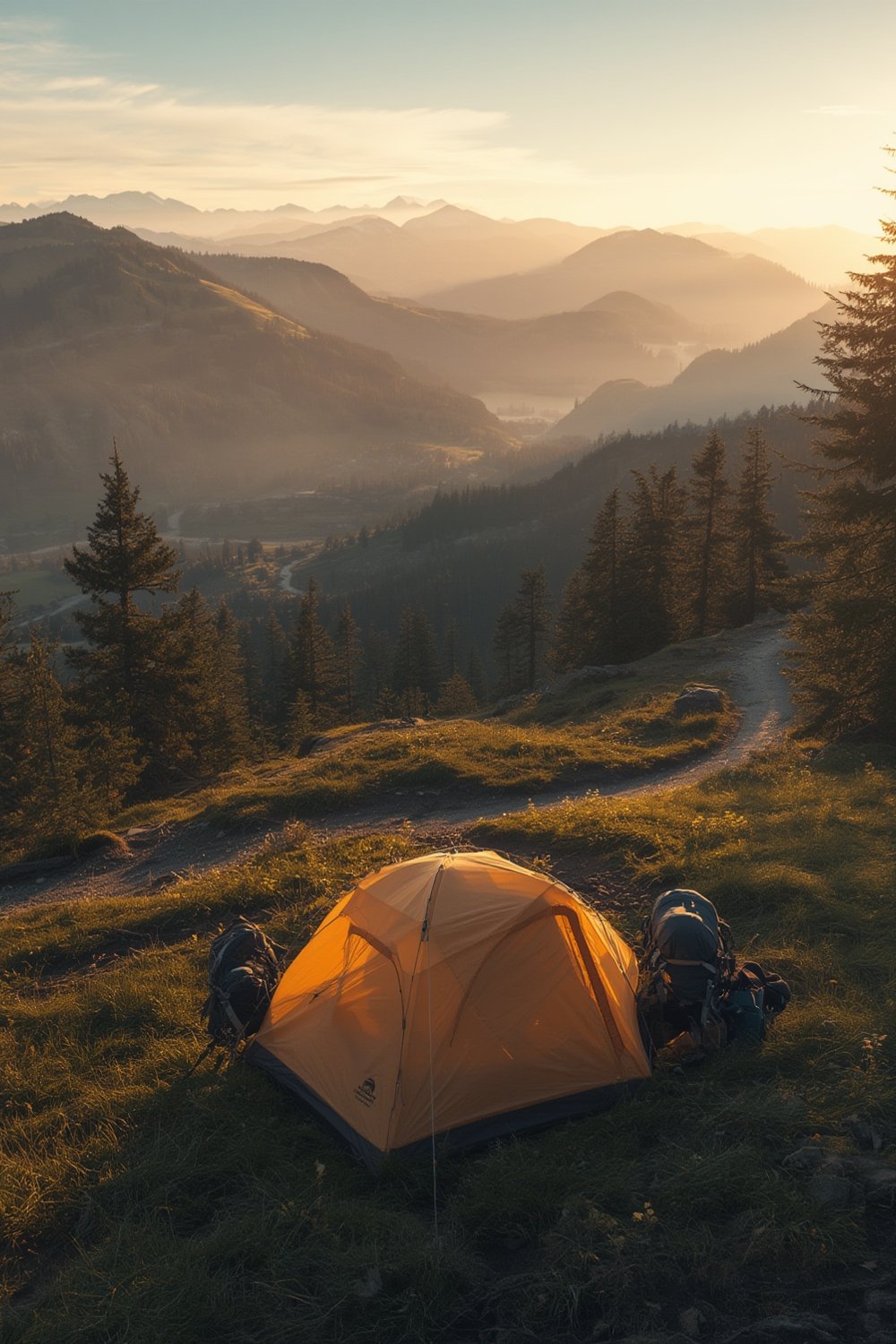
Top models like the Big Agnes Copper Spur HV UL2, NEMO Dragonfly/Dagger OSMO 2P, and Six Moon Designs Lunar Duo are consistently ranked “best” in research-backed tests. Lightweight options generally weigh 2–3 lb, while ultralight shelters can dip below 2 lb if you’re ready to accept tricky setup or durability trade-offs.
But weight isn’t everything. Genuine three-season weatherproofing depends on fabrics rated 2,000–3,000 mm hydrostatic head, fully taped/welded seams, and structure that handles wind and rain from all angles.
Prices vary greatly: the value tier runs from $120–$200, mainstream from $230–$400, and ultralight/expedition tents cost $400–$1,200+. Material choices—silnylon, silpoly, or DCF—directly impact not just weight, but how the tent stands up after months or years on trail.
Pick a tent that truly matches your hiking style and trip goals, not just the spec sheet or the lightest number in the catalog.
How to Select, Set Up, and Maximize Your 2-Person Hiking Tent
Here is a proven process to ensure your 2-person hiking tent serves you well—rain or shine, ultralight or comfort-focused:
- Clarify your priorities: weight vs. liveability. If you do multi-day treks and value fast setup and all-weather protection, consider freestanding domes like the Big Agnes Copper Spur HV UL2. If every ounce counts and you have setup patience, go for trekking-pole ultralights (e.g., Six Moon Designs Lunar Duo).^
- Check real weather ratings, not just packed weight. Ignore “water resistant” claims on budget tents. Look for 2,000 mm (or higher) hydrostatic head on the fly, ≥3,000 mm on the floor, plus fully taped seams. True stormproofing trumps minor weight savings every time.
- Understand your local terrain and expected weather. Non-freestanding ultralights often require perfectly flat sites and many stakes—a challenge if you hike rocky or rooty trails, or camp above treeline. Freestanding domes are more forgiving at the cost of a few ounces.
- Practice setup at home—before your hike. Setup speed can double on windy or uneven sites. Instant pop-ups and pre-attached pole tents assemble in as little as 1–3 minutes in controlled settings, but in real-world use (staking fully for storms), most people take 3–5 minutes for freestanding tents and 7–10 minutes for ultralight trekking-pole setups.
- Invest in the right fabric and pole system for your usage. If longevity and stable pitch matter, silpoly or DCF outperform silnylon over years of use. Slip a lightweight hiking backpack into the mix for greater comfort on longer hikes.
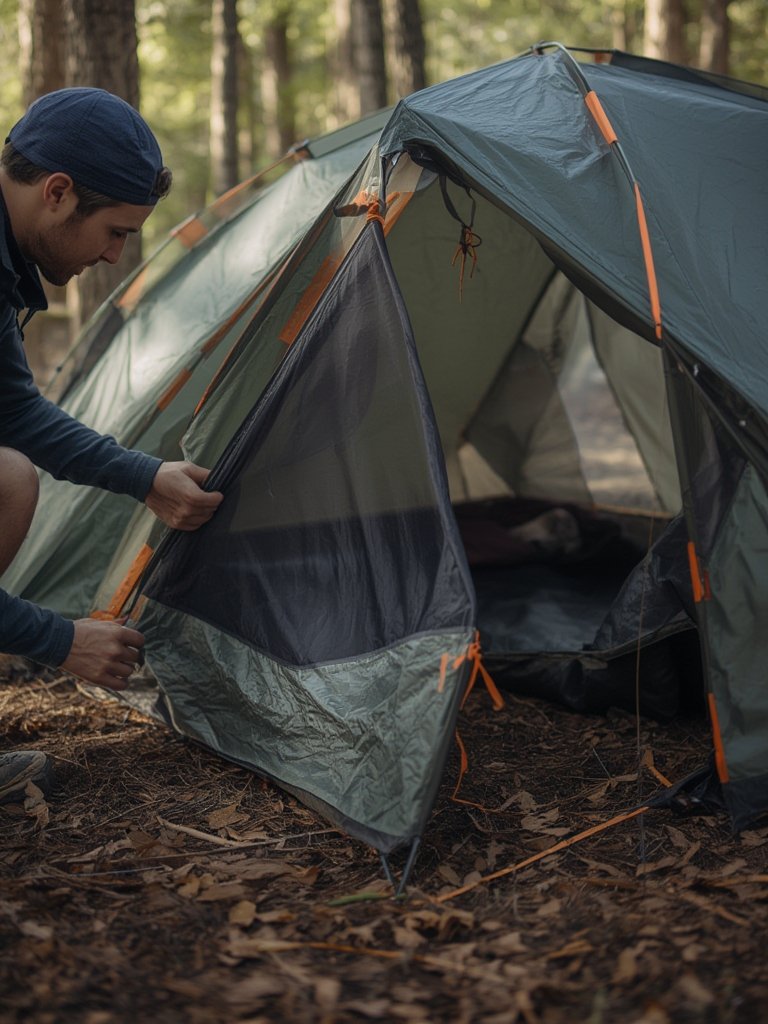
Remember: some “quick setup” dome tents are excellent for car camping but heavy and bulky for backpacking. If ease of load-sharing between hiking partners matters, select a tent with separate poles and fly that can be split into two packs. For more pro packing tips, see our new Lightweight Hiking Backpack Guide.
Advanced Analysis: Real-World Pitfalls & Comparison Table
Most hikers discover that “ultralight” does not always mean “trail-proof.” Based on research and user reports, here are the main pitfalls and decision points you should keep in mind:
- Setup frustration: Trekking-pole tents, while ultra light, can be nearly impossible to pitch well on sloped, rocky, or tight sites. Multiple guy outs, pole length sensitivity, and corner instability are common complaints.
- Condensation woes: Single-wall ultralights typically trap more moisture, meaning damp bags and clammy walls are common on humid nights—or in the rain.
- Weatherproofing gaps: Doors or short vestibules may allow rain to splash inside, and some “lightweight” silnylon fabrics are less waterproof over time without routine re-coating or seam sealing. Always check fabric and seam specs.
- Wind resistance: Ultralight domes and trekking-pole shelters rely on careful orientation and sometimes still deform in high winds. Geodesic or well-guyed domes do better in exposed conditions.
- Durability trade-offs: Thin ultralight floors demand footprints and careful pitching or the tent may wear out far before its price tag is justified.
| Feature | Freestanding Dome | Trekking-Pole Ultralight | Instant/Pop-Up |
|---|---|---|---|
| Trail Weight (Avg.) | 2.8–4.2 lb | 1.6–2.5 lb | 5–8 lb |
| Setup Time (Field) | 3–5 min | 5–10+ min | 2–4 min (but bulkier) |
| Weatherproofing | Excellent (double-wall) | Good/Varies (single-wall mostly) | Fair (car camping, not for trail storms) |
| Livability | Best headroom, storage | Tighter, less headroom | Spacious but heavy |
| Materials (Usual) | Silnylon, silpoly | Silpoly, DCF | Polyester w/ PU |
| Best Use | Backpacking, variable weather | Ultralight hiking, good sites | Car/base camping |
Quick tip: pay special attention to floor hydrostatic head (HH) and full fly coverage. Many value tents under $200 (like the REI Passage 2 or North Face Stormbreak 2) offer honest weatherproofing for occasional trips. But for regular or stormy use, invest in better-coated fabrics and sturdy poles.
Material choice is another overlooked pitfall. For a deep dive into silnylon versus silpoly and the longevity of DCF, see the latest tent fabric technology research and the full Dyneema tent materials guide. Tent hydrostatic head and seam taping are explained further in the comprehensive 2024–2026 two-person tent research report.
Finally, pay attention to “missing” features: very few guides address UV resistance, long-term coating stability, or ergonomic problems like doors dripping water inside in real rainstorms. Notice how instant tents can’t split weight between hikers? That’s a non-issue for car camping, but a dealbreaker on the trail. For more on full kit optimization, our new Sustainable Hiking Gear Guide goes deep on eco-impact and gear longevity.
Conclusion
The ideal hiking tent 2 person is not the lightest, nor the most expensive—it’s the one that matches your conditions, setup preferences, and gear philosophy. Learn which sacrifices matter most to you: weight, liveability, ease of use, or long-term value. Never compromise on waterproofing for real three-season hiking, and beware of marketing claims about instant setup or “ultralight” with no downside. Choose smart, test before the trail, and enjoy every night outside in comfort and safety.
Ready to choose your own hiking tent 2 person? Review your trail needs, compare key models above, and make your next trip the most comfortable yet. For deeper packing and hiking upgrades, check out our honest take on the best muscle recovery guns or see how the jump rope cardio training can unlock better endurance for your next backpacking trip.
FAQ
What weight should I expect for a high-quality 2-person hiking tent?
Most lightweight models are 2–3 lb packed. Ultralights go as low as 1.6–2.0 lb, while robust domes can run 4–6 lb. Always check if the listed weight includes stakes, stuff sacks, and poles.
How waterproof are modern tent fabrics?
Look for fly fabrics rated at 2,000–3,000 mm hydrostatic head (HH) or higher, and floors at 3,000 mm+. Seams should be taped or welded for true rain protection. For more details, visit the tent fabric research page.
Are pop-up and instant tents good for backpacking?
No. While pop-ups are fast to set up, they’re usually heavy, have bulky pack sizes, and can’t split load between hikers. They’re best for car or festival camping—not hiking.
What’s the most durable tent fabric for multi-year use?
Silpoly generally outlasts silnylon due to better UV resistance and coating stability. DCF is highly robust against water and rot, but can be vulnerable to punctures and is much more costly.
What is the best value 2-person hiking tent right now?
Models like the REI Passage 2, North Face Stormbreak 2, and Durston X‑Mid 2 offer strong weather protection and reasonable weight for $150–$300. Higher budgets can unlock lighter or more advanced fabrics but come with greater care needs.
—
Quick, easy and reliable. It is exactly what I was searching for to get back into the action. phttjl is the way to go.
Khiladi786game completely won me over with its straightforward approach to online gaming. The deposit options work flawlessly for local payment methods and I never had to wait long for my winnings to reach my account. Customer support is warm and they genuinely guide newcomers through every step. If you are looking for a fair platform that treats players like family this is it. khiladi786game