
Hand grip strengthener devices are one of the most underestimated tools for boosting grip power, injury rehab, and daily function. Most people don’t realize the critical health links or the wealth of choices—and mistakes—involved with picking or using a hand grip strengthener today.
Key Takeaways
- The global hand grip strengthener market in 2024 is valued between $0.5–1.1 billion, driven by fitness, rehab, and health trends.
- User complaints revolve around durability, adjustability accuracy, and comfort—especially with budget or “one size fits all” devices.
- Proper use of a hand grip strengthener (right load, correct form, evidence-based routines) is crucial for real progress and injury prevention.
- What Is a Hand Grip Strengthener and Why Use One?
- How to Use a Hand Grip Strengthener: Step-by-Step
- Advanced Analysis & Common Pitfalls
- Conclusion
- FAQ
What Is a Hand Grip Strengthener and Why Use One?
A hand grip strengthener is a compact device, typically spring-loaded or resistance-based, that you squeeze repeatedly to build grip strength and endurance. It targets your hand, fingers, wrist, and forearm muscles. adjustable hand grip strengtheners let you change resistance levels to match your needs—whether you’re rehabbing after injury, training for sports, or simply looking to improve daily function.
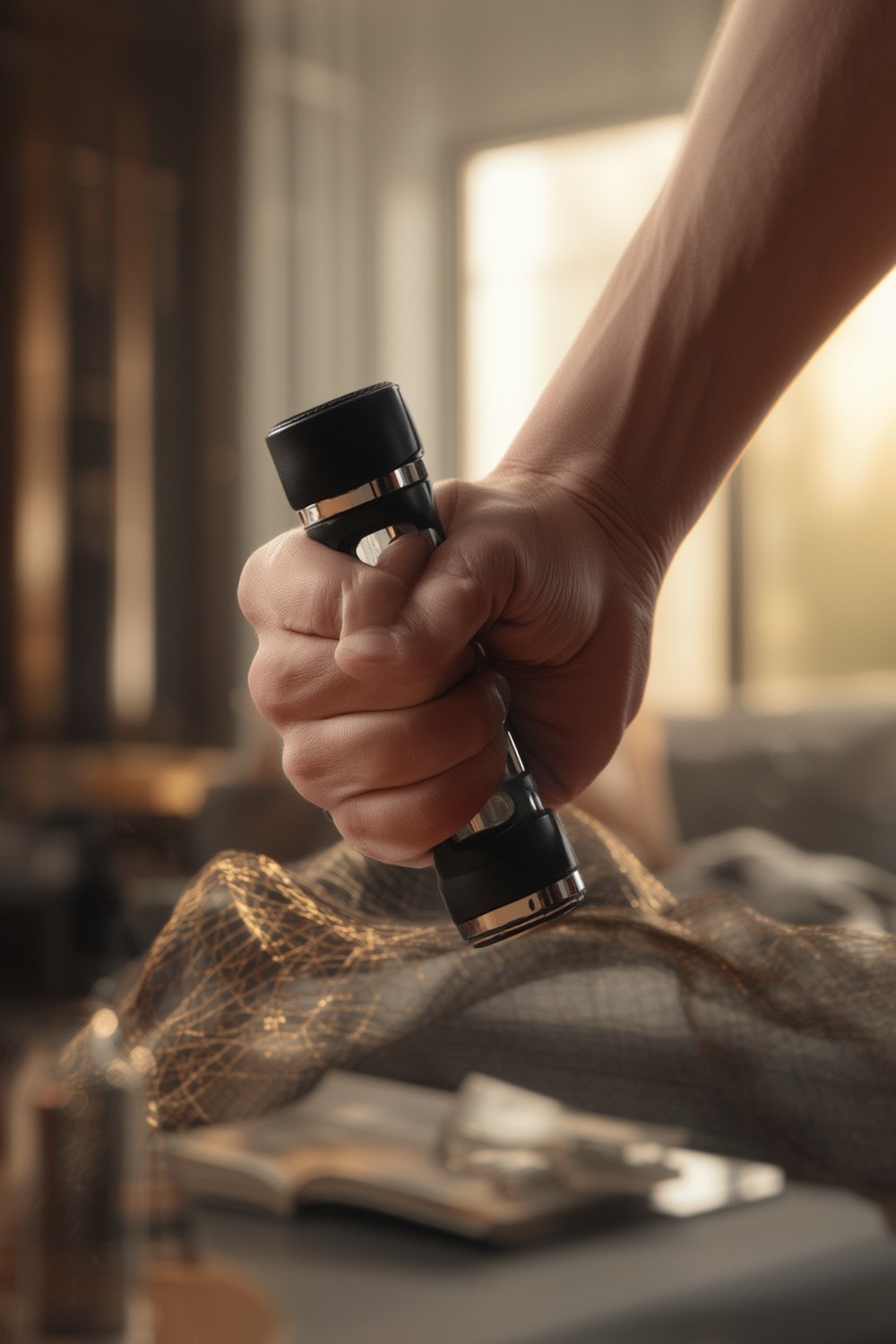
Why use one? Strong grip isn’t just important for athletes or gym-goers. Research links low grip strength to higher risk of chronic disease, frailty, and poor recovery after injury, especially in older adults. Progressive hand resistance training is backed by clinical studies for improving hand function, supporting recovery, and even reducing fall risk in seniors (Zion Research Report and Future Market Report).
The US is the leading market, occupying over 20% of the global share (Market.us). Use-cases range from general health maintenance and sports to occupational therapy, with the most popular segment being adjustable hand grip strengtheners.
How to Use a Hand Grip Strengthener: Step-by-Step
- Pick the Right Device for Your Goal: For basic strength, an adjustable spring-loaded hand grip strengthener covers most needs. rehab or arthritis? Choose a finger isolator or low-resistance therapy model. Training for climbing, powerlifting, or racket sports? Opt for higher-resistance or even fixed-resistance “torsion spring” grippers.
- Start With the Correct Resistance: Begin with a resistance level that allows you to perform 10–15 reps with good form and no pain. For rehab, lower is better—avoid maxing out early.
- Use Proper Form: Hold the gripper in your palm, maintain a neutral wrist, and squeeze evenly. Don’t curl or hyperextend your wrist. Rest your forearm on a table if you have trouble isolating the movement.
- Control Both Up and Down: Squeeze slowly, pause, and release just as slowly. Controlled movement prevents injuries and maximizes muscle activation—including during the “negative” (opening) phase.
- Progress Gradually: Only increase resistance or reps after a week (or more) of painless, controlled effort. Rushing progression increases risk of overuse, soreness, or aggravating an old injury.
- Track Your Improvement: measure baseline grip strength with a dynamometer if possible, or stick to noting sets, reps, and resistance used weekly. Small, steady improvements beat big jumps.
- Integrate With Broader Workouts: For athletes or fitness fans, combine grip work with pulling exercises, forearm rollers, or resistance band routines (try these proven resistance band workouts). For all users—keep hand and wrist mobility exercises in your routine to minimize risk.
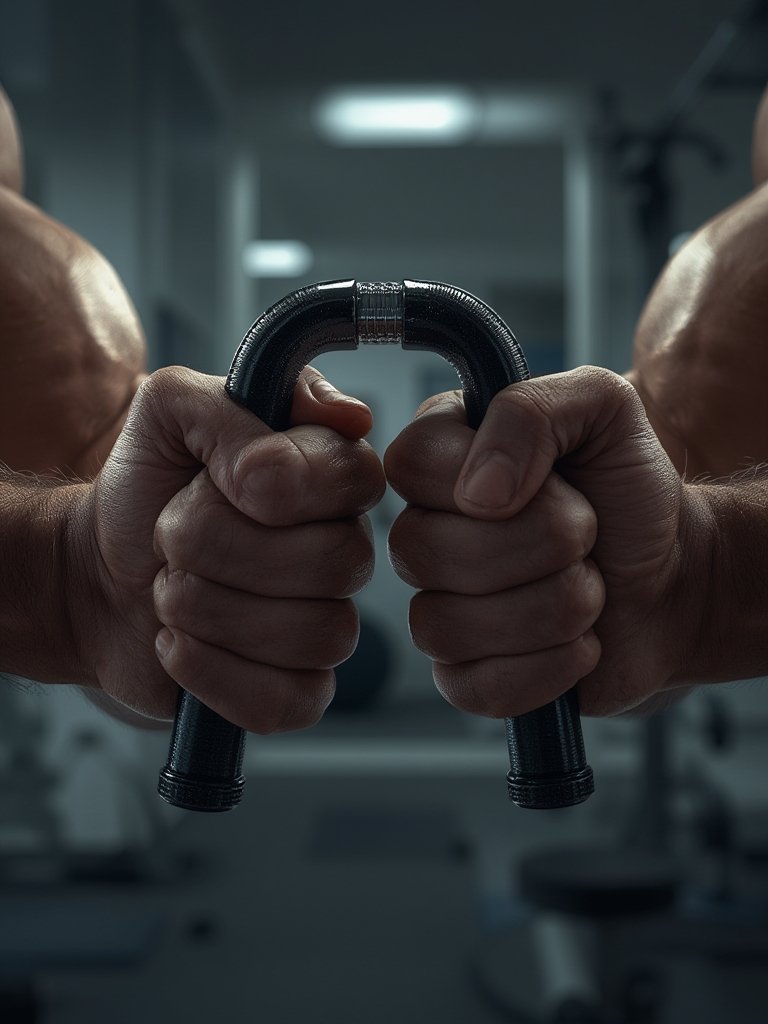
- Avoid Common Mistakes: Don’t jerk the device, overstretch the springs, or use improper grip size for your hand.
- Stay Consistent: Aim for at least 2–3 short sessions a week for foundational gains. More advanced users can train daily, but only if they avoid pain or excessive soreness.
- Pair With Complementary Equipment: For a well-rounded routine, rotate your grip sessions with other tools, such as a situp bar for abs or bumper plates for full-body strength.
Advanced Analysis & Common Pitfalls
Real-world feedback shows that not all hand grip strengtheners are created equal—and bad device choice or form can sabotage your results.
| User Complaint | Typical Cause | How to Avoid |
|---|---|---|
| Broken Springs/Frames | Low-cost materials, over-twisting, or high resistance in cheap adjustable devices | Invest in quality brands, avoid maxing out spring tension, check for warranty |
| Painful or Slippery Handles | Hard plastic, thin grip diameter, rough knurling, lack of rubber overlays | Choose ergonomic or rubber-coated handles; match grip size to your hand |
| Poor Resistance Adjustability | Inaccurate markings, stiff adjusters, or large “jumps” between settings | Pick devices with clear resistance display and smooth adjusters (test before buying, if possible) |
| Minimum Resistance Too High | Some adjustable grippers start at 10–15kg (22–33lb), too much for rehab/seniors | Use therapy balls or specific rehab grippers in lower ranges (1–5kg) |
| Unclear Usage Instructions | Poor packaging/documentation, especially in bundled or imported kits | Look for brands with clear usage guides or video tutorials. Consult your physio if unsure |
| Overuse & Pain | Training too often, ramping up resistance too quickly, or bad wrist alignment | Follow gradual progression. Stop if you get sharp or persistent pain. Seek assessment if symptoms persist |
Device pricing reflects these differences. Basic adjustable grippers cost $10–20. Clinic-grade therapy grippers or robust torsion models run $30–100+ (see detailed market breakdown here). Most hand grip tools are one-time purchases; subscription models are rare, but bundled hand training kits often offer better value.
Many blogs and shopping pages skip crucial safety guidance. Using too much resistance during early rehab or with arthritis can worsen pain or even trigger new injuries. If you need hand tools for clinical recovery, consult a certified therapist before buying. Use a preset, evidence-backed progression plan—never just “squeeze as much as you can.”
Clinical data is clear: progressive grip strength improves real-world function, athletic results, and aging-related weakness (see source). Yet, market data highlights persistent user pain points with durability, fit, and lack of real instruction.

For broader home gym results, coordinate grip sessions with power rack or pull up bar workouts, which challenge both grip and upper body strength.
Conclusion
A hand grip strengthener is simple—but buying the right device and using it properly makes all the difference. Understand your needs, start low, and progress stepwise. Prioritize quality and fit, especially if your hands are larger or smaller than average. Don’t expect instant results, but with steady effort, you’ll add strength that carries over to sports, daily activities, and injury prevention. Always listen to your body and seek expert input for rehab or medical concerns.
Ready to get started? Choose your perfect hand grip strengthener today and unlock new levels of hand power, performance, and resilience. Explore our related guides on push up boards for home gyms or portable massage gun recovery for a complete strength upgrade.
FAQ
What is the best hand grip strengthener for beginners?
Choose an adjustable model with a starting resistance of 5–10kg and comfortable, rubberized handles. Ensure it’s easy to adjust and not too bulky.
How often should I train with a hand grip strengthener?
For general strength, 2–3 times a week is sufficient. Advanced users or athletes may train daily. Always start with sessions that don’t cause pain or excessive soreness.
Can hand grip strengtheners help with arthritis or rehab?
Yes—clinical guidelines support gentle, low-resistance grip training for rehab and arthritis, but avoid high resistance and consult your therapist for a tailored plan.
How do I measure actual grip strength improvements?
Use a hand dynamometer for objective measurement, or track the resistance, sets, and reps used weekly. Some “smart” grip trainers offer digital tracking and app export.
Why do cheap hand grip strengtheners break or lose tension?
Low-quality springs, plastic parts, and poor manufacturing cause premature failure. Investing in a brand with a good warranty and better materials greatly improves device lifespan.
I happened to visit by accident and now I never want to leave. The fair gameplay wraps me in trust and the bonuses land with a happy surprise. It feels like a genuine friend that always has my back. bdrummy777