
### Blog Post:
Hiking first aid kit choices can mean the difference between managing a simple scrape or struggling with a minor emergency that ruins your hike. Whether you hike solo or take long group treks, most injuries aren’t life-threatening—but they happen more often than you might think, and the wrong kit can truly let you down.
Key Takeaways
- Modern hiking first aid kits protect against scrapes, blisters, sprains, but often lack robust trauma supplies or decision aids.
- Lightweight kits under 10 ounces are best for day hikes, while longer or group trips require more supplies and customization.
- Organization and training matter as much as contents—know how to use each item before the emergency strikes.
- What Makes a Hiking First Aid Kit Essential?
- How to Build and Pack Your Hiking First Aid Kit: Step-by-Step
- Common Pitfalls and What Most Hiking Kits Still Get Wrong
- Conclusion
- Frequently Asked Questions
What Makes a Hiking First Aid Kit Essential?
Carrying a hiking first aid kit is about being prepared for the most frequent injuries while hiking: slips, cuts, blisters, and minor sprains. Data from Slovenia shows that slips and unfamiliar terrain caused nearly half of all mountain rescue operations in 2024, often on well-marked trails. Most rescues don’t involve severe trauma, but scraping skin, rolling an ankle, or developing a blister are all but guaranteed over many hikes. Your kit acts as your mobile safety net—provided it’s built, packed, and used wisely.
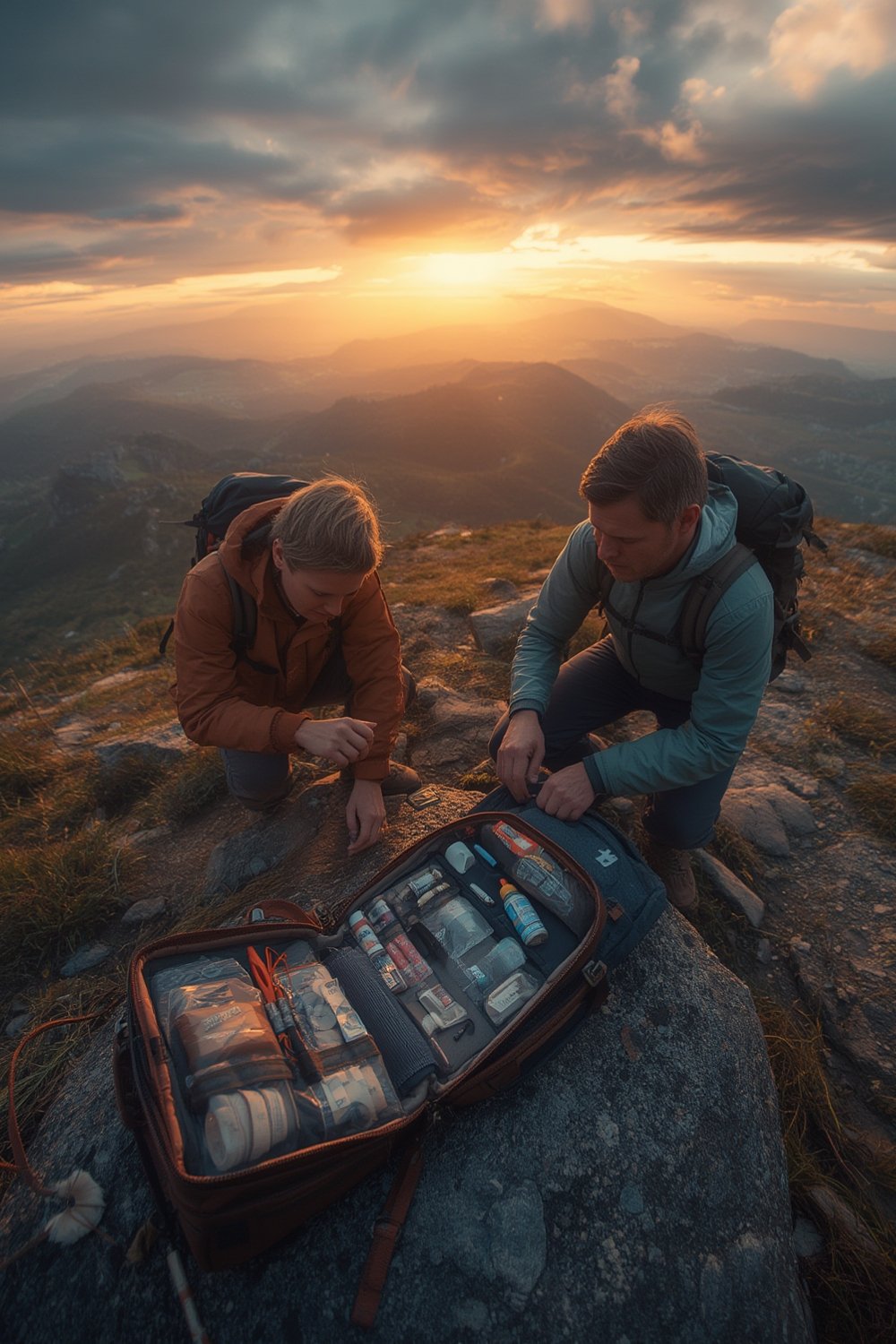
The ideal hiking first aid kit balances low weight with supplies for bleeding, wound care, pain control, and blisters. Ultralight kits excel for solo day hikes and minimal packs, weighing just 5–8 ounces. However, comprehensive kits—sometimes over 1 pound—offer greater group or multiday coverage at the cost of extra bulk. Crucially, a first aid kit is only as helpful as your familiarity with its contents, your ability to organize supplies quickly, and your readiness to decide when to self-rescue or call for help.
For more on packing lighter, explore our lightweight hiking backpack guide for tips that pair well with ultralight first aid strategies.
How to Build and Pack Your Hiking First Aid Kit: Step-by-Step
-
Define your adventure length, size, and risks.
Day hiking? Multi-day trek? Solo or with a group? Assessing your specific route, climate, and likely hazards upfront is the critical first step. Compact kits often lack supplies for fractures or major trauma, which may be essential for remote expeditions. -
Select only the essentials—but don’t skimp on basics.
Most kits should cover:- Adhesive bandages and sterile dressings (various sizes)
- Moleskin or hydrogel for blisters
- Antiseptic wipes
- Medical tape and gauze
- Elastic wrap
- Small scissors and tweezers
- Painkillers and antihistamines
- Gloves and safety pins
- Basic first aid instructions
If hiking with others or over several days, increase quantities accordingly. Consider a waterproof case or bag—some premium kits now use 600D TPU for true weather resistance.
-
Organize supplies for fast access.
Common user complaints include poor organization and difficult-to-find items. Use zip pouches or color-coded bags for different categories (e.g. wounds, blisters, medications). A minute spent searching for tape with muddy hands in the rain can make a bad situation worse. -
Customize your kit.
Pre-assembled options often lack your needed allergy meds or specialty supplies. Add an EpiPen, asthma inhaler, or extra blister pads as needed. For ultralight travelers, trim excess packaging and remove duplicate instructions but keep medications dry. -
Know when to treat—and when to evacuate.
Some emergencies demand immediate rescue, not DIY first aid. Make sure you and your partners know the signs of shock, severe bleeding, hypothermia, and other “stop hiking now” conditions. Build decision points into your trip plan before you ever step on the trail. -
Review and replenish before every hike.
Expired medications, depleted tapes, or missing gloves can turn a “complete” kit into dead weight. Check your kit’s status before trips and after any use.
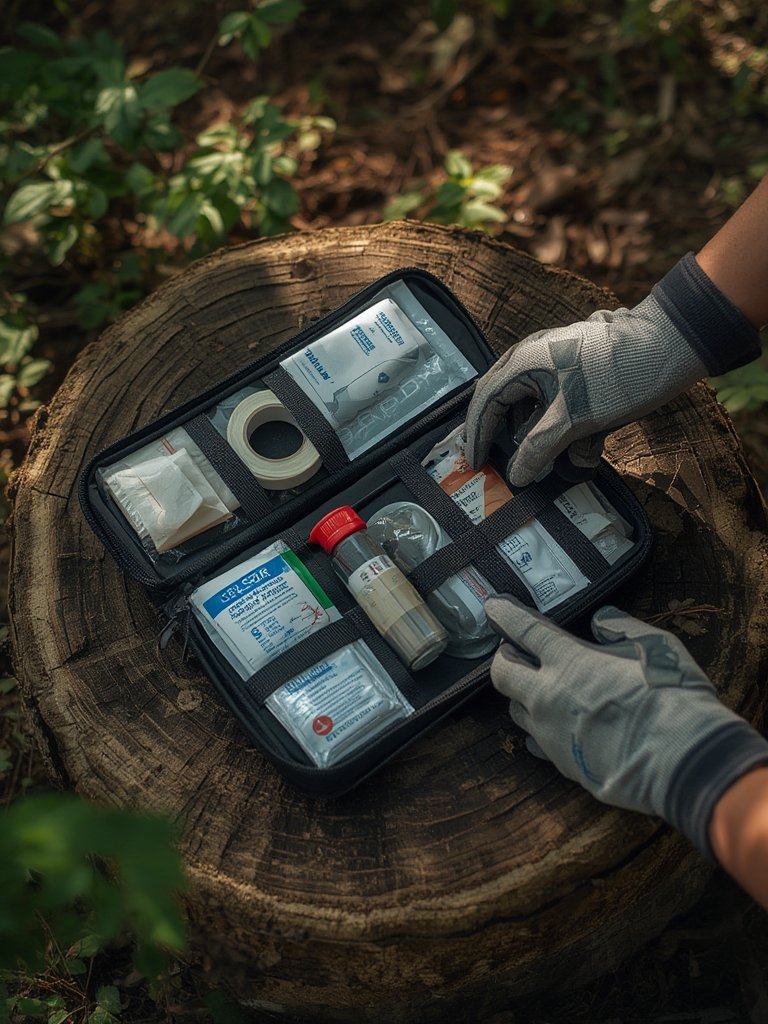
Want more ways to maximize comfort and preparedness? Check out our detailed hiking tent 2 person guide for planning overnighters, or see our blister-fighting sock tips to pair with your first aid kit.
Common Pitfalls and What Most Hiking Kits Still Get Wrong
Not all hiking first aid kits are created equal. Here are the most frequent mistakes and shortcomings, based on recent reviews and rescue data:
- Insufficient trauma supplies. Most popular ultralight kits do not include tourniquets, hemostatic agents, splints. As CleverHiker and Field & Stream point out, these omissions mean you’re unprepared for serious bleeding or major bone injuries.
- Overemphasis on minor cuts, underpreparation for real emergencies. While over 50% of incidents are on marked trails and involve slips, some conditions (severe allergies, spinal injuries, mass-casualty events) go well beyond what most kits can handle. The 2023 Mount Marapi eruption showed that crush injuries, burns, and evacuation needs can quickly overwhelm the contents of even the best urban or lightweight trail kit (source).
- Poor organization and slow access. User reviews consistently flag kits with jumbled contents or no separation by problem type as a real fail point. Search time matters in an emergency.
- Quantity versus weight dilemma. Ultralight kits (under 10 oz) excel for most solo day hikes. For groups or multi-day trips, you must supplement or risk running out on the second day. Larger kits (16 oz to over 2 lbs) add capability but are frequently left at camp or at home because of bulk.
- Limited customization. Prepacked kits often omit your personal medications (e.g. EpiPen, glucose, etc). Many guides now stress the importance of removing “filler” items and adding what matters for your destination and health needs (NYT Wirecutter).
| Product or Category | Price | Weight | Strengths | Main Limitations |
|---|---|---|---|---|
| Adventure Medical Kits Ultralight/Watertight .7 | About $45 | 5.8–8 oz | Compact, weather-resistant, great for scrapes and blisters | No trauma supplies, limited for broken bones, some organization issues |
| Adventure Medical Kits Mountain Series Backpacker | About $58 | Not listed | Larger assortment for multiday use | Heavier, not ultralight, specs may vary |
| My Medic Hiker Medic | Not listed | 9.6 oz | Hiking-oriented gear, compact format | Less comprehensive than bigger kits |
| Surviveware Waterproof Premium | Not listed | 2.25 lbs | Waterproof case, 200+ items, broad coverage | Too heavy for minimalist hiking |
| First Aid Only 442 All-Purpose | Not listed | 16 oz | Large general assortment | Bulky, not trail-specific |
| Adventure Medical Kits Blister Medic | Not listed | Not listed | Excellent for blisters | Cannot handle wounds or major trauma |
See our hiking backpack rain cover guide to protect your kit and gear from wet weather—a simple upgrade most hikers forget.
For group trips, consider supplementing any pre-purchased kit with extra wound dressings and painkillers. And if you’re tackling strenuous hikes, pairing your kit with gear like a weighted vest for training or portable water filter can help reduce preventable fatigue and dehydration—two common precursor risks for injuries in the first place!
Conclusion
The right hiking first aid kit will never be perfect, but it’s always better to have it and know how to use it than to wish you did. Focus on real-world injuries: scrapes, blisters, sprains, and basic wound care. Test your kit’s organization and customize the contents for your unique trip and group. If you’re new to hiking kit selection, start small but train with your supplies, and build confidence before heading out. Don’t forget to review safety basics, and replenish before every trip. Your next hike deserves the peace of mind that a trustworthy hiking first aid kit brings—don’t hit the trail unprepared.
Ready to start building your kit or upgrade your current setup? Explore our sustainable hiking gear guide for eco-friendly choices, or get our top tips for staying hydrated with a hiking water bottle insulated—because prevention is half the battle.
Frequently Asked Questions
What is the most important item in a hiking first aid kit?
The most essential item is clean, sterile dressing material for bleeding control and wound coverage. However, the single “most important” item depends on your unique risk—if you’re prone to blisters, moleskin or hydrogel pads might top your list.
How heavy should a hiking first aid kit be?
For solo day hikes, most complete first aid kits weigh under 10 ounces. If hiking in groups, going longer, or needing trauma and extra medications, expect weights from 1 to 2 pounds for a more comprehensive kit.
What do most commercial kits lack for real emergencies?
Most commercial kits are missing tourniquets, hemostatic agents, splints. They’re best for scrapes, blisters, and mild sprains—serious bleeding or fractures need more specialized gear and training.
Do I need to customize my kit for every hike?
Yes. It’s important to personalize your kit for allergies, chronic medical needs, and the duration or remoteness of your hike. Many guides recommend removing unused filler items and adding what’s specific for your trip.
Are ultralight first aid kits enough for backpacking?
Ultralight kits are best for simple day hikes. For backpacking or multiday trips, bring extra wound care supplies, medications, and gear for environmental emergencies. Always double the essentials if you’re group hiking.