
Hiking backpack rain cover selection and use can make or break your gear’s survival in bad weather. Most hikers assume any cover will do—until the rain soaks through, zippers leak, or wind tears the cover off the pack halfway up the trail. This guide dives straight into what works, what fails, and how to protect your valuables in real trail conditions, backed by up-to-date market and performance data.
Key Takeaways
- Most rain covers only shield a pack’s exterior—use dry sacks or liners inside for full protection.
- Poor fit, seam leakage, and exposed pack openings are the top causes of wet gear despite using rain covers.
- Premium welded, roll-top dry sacks outperform basic covers for keeping contents dry in prolonged rain.
- The Core Concept: What is a Hiking Backpack Rain Cover and Why Should You Care?
- Step-by-Step Guide: Keeping Your Gear Dry on the Trail
- Advanced Analysis & Common Pitfalls
- Conclusion: Smarter Pack Rain Protection in 2024
- FAQ
The Core Concept: What is a Hiking Backpack Rain Cover and Why Should You Care?
A hiking backpack rain cover is a waterproof or water-resistant shell designed to protect the outside of your backpack from rain, mud, and trail splash. The global market for these covers hit $420 million in 2024 and is projected to climb to $730 million by 2033 (source). With hiking booming and sudden downpours more common, rain covers are on almost every equipment checklist.
But here’s the kicker: rain covers are outer shell protection only. Most are lightweight, stretchy, and designed to slip over a loaded pack in seconds. They are quick insurance against a sudden storm or trail grime, but they have clear limits—especially at pack seams, side pockets, and whenever you need to access your main compartment mid-storm.
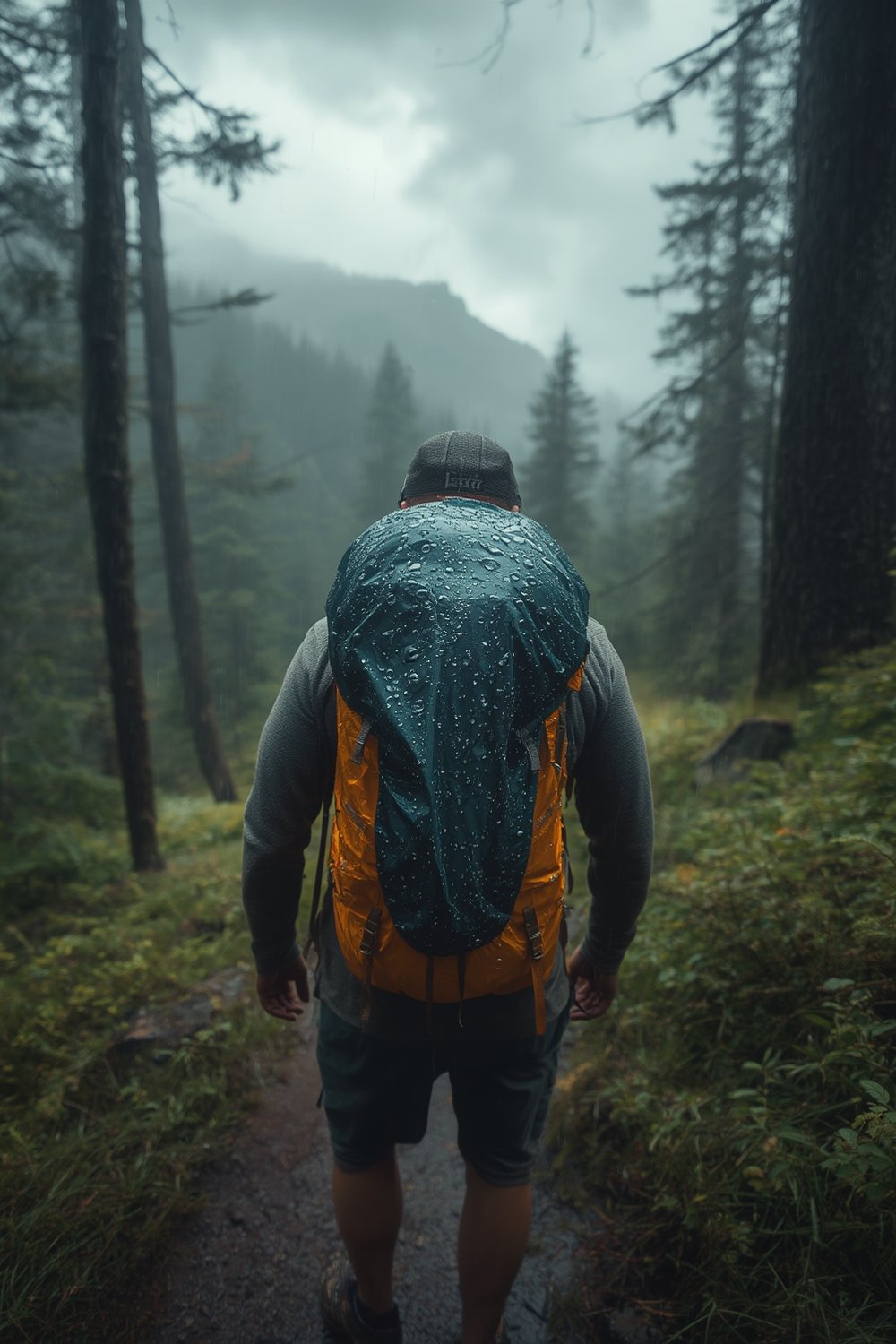
As hikers and backpackers have learned the hard way, relying solely on a rain cover often leads to disappointment. The best defense involves combining an external rain cover with internal waterproof liners or dry sacks or liners. This dual-layer system addresses both the quick-and-dirty weather risks and the relentless inside soak-through that happens during hours of wet hiking or back-to-back rainy days.
If you’re assembling an ultralight kit, choosing a lightweight hiking backpack with a well-fitting rain cover is essential—but knowing the limitations can save you from a soggy disaster miles from the trailhead.
Step-by-Step Guide: Keeping Your Gear Dry on the Trail
Protecting your pack and its contents from rain is a process—not a one-size-fits-all solution. Here are the steps to get maximum reliability:
- Match Cover Size to Pack Volume: Always choose a rain cover rated for your backpack’s actual loaded volume. Too small and it won’t fit; too large and it’ll flap or sag, collecting water.
- Inspect the Cover’s Seams and Coating: Look for models with taped or welded seams and PU or TPU coating. Avoid untreated fabric or basic stitched-only construction unless you expect only light drizzle.
- Deploy the Cover Fast—Then Secure It Tight: Tension the elastic or buckle around the perimeter and under the pack to prevent wind displacement. Check if exposed areas like shoulder straps, back panel zips, or external pockets are protected.
- Add an Internal Liner or Dry Sack for Essentials: Critical gear (clothes, sleeping bag, electronics, food) should be double-protected inside a sturdy internal liner or separate dry sacks. Roll tops must be sealed with at least three rolls for best results.
- Adjust the System for Trail Conditions: In light, intermittent rain, a cover may suffice. If you anticipate all-day wet or frequent stops, the liner becomes essential. For stream crossings or very wet climates, use both.
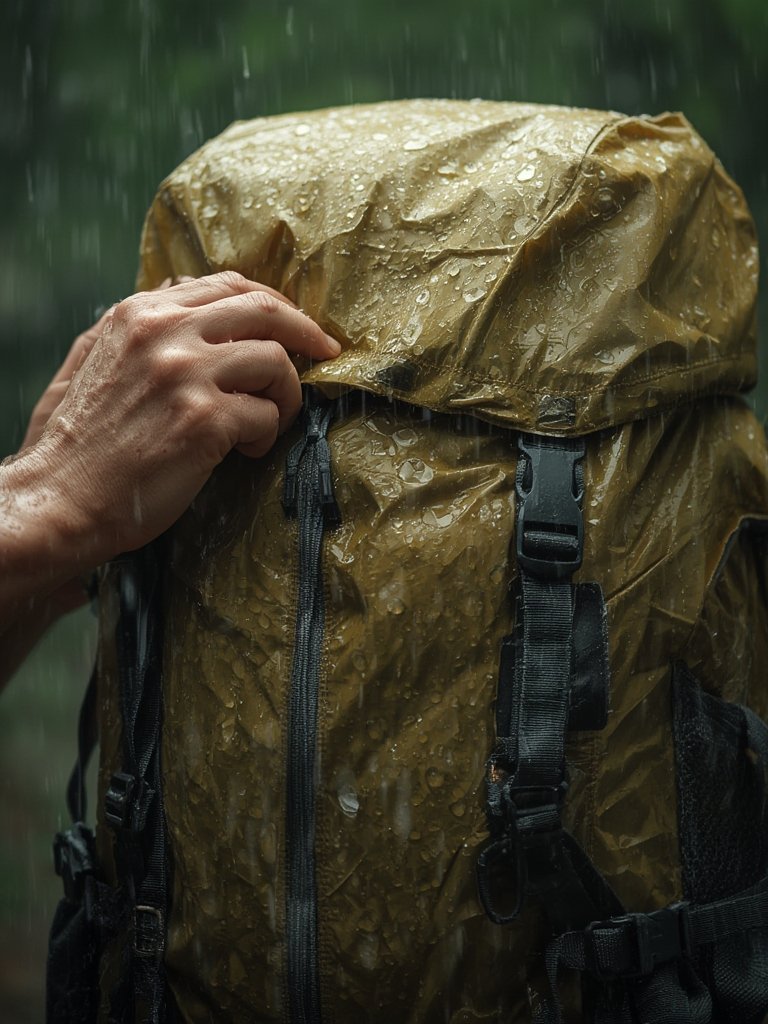
For a multi-day trip, compartmentalize your packing: use small dry sacks as organizers (for clothes, sleeping systems, and food), in addition to an internal liner. This way, even if water sneaks in as you access your bag, the high-risk items stay dry. It’s how long-distance hikers and guides reliably keep gear protected on rain-soaked expeditions.
Not all covers perform equally. Premium options with welded seams and tough backing last longer and give more peace of mind. Expect to pay $10–$40 for a typical cover, $15–$40 for a liner, and $10–$30 per quality dry sack in 2024 (see cost details below).
If you’re heading out for more than a day or expect unpredictable weather, combine systems. This redundancy is standard advice in guides to sustainable hiking gear and for anyone building a proven wet-weather kit.
Advanced Analysis & Common Pitfalls
No rain protection system is perfect—or permanent. Here’s what most hikers get wrong and why even the best gear sometimes fails:
- Over-relying on external covers: Covers only protect what they cover. Pack seams, zippers, overstuffed roll-top gaps, and side pockets usually remain exposed. Accessing your gear in rain immediately opens it to the elements.
- Underestimating wind and fit problems: Cheap or poorly sized covers can blow off, exposing your bag mid-hike. Stretchy elastic degrades over time and may loosen when soaked.
- Poor closure habits: Dry sack roll-tops not rolled enough or buckles not secured defeat the entire waterproofing purpose.
- Material fatigue and abrasion: Thin, lightweight covers and entry-level dry sacks fail sooner from trail abrasion and repeated folding, especially when packed alongside sharp-edged gear.
User complaints consistently focus on water getting in through unprotected pack parts, seam leakage, and damage from prolonged use. Most so-called “waterproof” covers are water-resistant—not submersible. Even top brands can’t guarantee dry gear if you open your pack in a storm or treat “waterproof” as “infallible.”
| Tier | Typical Construction | Waterproof Reliability | 2024 Typical Price | Expected Lifespan |
|---|---|---|---|---|
| Budget | Thin PU-coated nylon, basic stitched seams | Good for light rain, weakest for long storms and wind | $10–$20 cover / $10–$20 sack | 1–2 years |
| Mid-tier | Improved coating, reinforced seams, better fit | Stronger in prolonged wet (if all openings covered) | $20–$40 cover / $20–$40 liner | 2–5 years |
| Premium | TPU-laminated or welded, taped seams, roll-top closure | Best long-term dry-gear guarantee | $40+ cover; $25–$60+ dry sack/liner | 5+ years if not punctured |
Global waterproof bag market growth and backpack rain cover trends show the value of investing in proper weather protection is only rising.
For the best waterproof protection, look for welded seams and robust, multi-roll closure dry sacks. Rely on rain covers for dirt and brief showers, but always have a backup plan inside. Some women’s hiking boots guides now even recommend dry sacks to keep spare socks dry, making this advice cross-category.

Finally, realize that most complaints arise from a mismatch between protection level and real-world exposure. If you’re going out for a quick day hike, a simple cover suffices. If your destination is a mountain pass with day-long storms—double up on liners and sacks without hesitation.
Want more on advanced gear setups? Compare space-saving packing strategies for rainy climates with our kettlebell adjustable weight tips and multi-day expedition gear lists.
Conclusion: Smarter Pack Rain Protection in 2024
Hiking backpack rain cover performance is about more than just fitting a shell over your pack. Real protection means understanding what a cover does well, where it fails, and when to double down with internal liners or dry sacks. In 2024, with covers and liners more widely available than ever, smart hikers stay dry by combining systems and checking their setup before hitting the trail. Don’t risk soaked essentials: upgrade your pack protection strategy today and enjoy peace of mind no matter what the forecast throws at you. Add a hiking backpack rain cover—and the right liners—to your trail kit for real reliability.
Ready to optimize your whole hiking system? Explore our proven guides to hiking socks merino wool, shock-proof hiking water bottles, and even trail-tested hiking tents for the best outdoor experience.
FAQ
Is a hiking backpack rain cover enough to keep my gear dry all day?
No. Most rain covers only protect the outside of your pack and won’t stop water from sneaking in through zippers, gaps, or when you open your pack. Use an internal liner or dry sacks for reliable all-day dryness.
How do I choose the right size rain cover for my pack?
Look for the volume rating (in liters) on your pack and match it to the cover size. If your pack is overstuffed or has lots of gear on the outside, go one size up. Test fit at home before heading out.
Why does my gear still get wet even when I use a rain cover?
Common reasons include poor fit, wind blowing the cover off, exposed pockets, seam leaks, and opening your pack in the rain. Rain covers alone are rarely 100% waterproof—double-protect key items inside.
Which type of waterproofing works best: rain cover, liner, or dry sack?
For outer pack protection, rain covers are fastest. For content protection, a liner or dry sack is best. Most experienced hikers use both, especially on multiday or unpredictable-weather hikes.
How long do rain covers and dry sacks usually last?
Basic rain covers last 1–3 years of regular use, while welded dry sacks and liners can last over 5 years if not punctured. Warranty terms and price usually reflect durability—premium models last longer.
—
[…] Finally, battery demand increases with constant GPS use and screen-on time. If you need extra navigation gear or protection from the elements, check out our guides to LED hiking headlamps and a reliable hiking backpack rain cover. […]
[…] our hiking backpack rain cover guide to protect your kit and gear from wet weather—a simple upgrade most hikers […]