
### Blog Post:
Hiking food energy bars are the go-to fuel for thousands of hikers who need portable, stable, calorie-dense nutrition on the trail. But the wrong choice (or poor packing) can leave you flat, frustrated, or even stranded with a melted mess. Let’s break down what really works—and where most advice falls short.
Key Takeaways
- Hiking food energy bars must balance calorie density, taste, and packability for real trail scenarios—not just shelf claims.
- Most market guides skip practical buying advice: compare labels, price-per-calorie, and real-world storage limits before choosing.
- Prioritize bars that match your hike type and climate, and always plan for shelf-life, digestive tolerance, and energy delivery.
- What Are Hiking Food Energy Bars and Why Do Hikers Rely on Them?
- How to Choose, Pack, and Store Energy Bars for Hiking: Step-by-Step Guide
- Advanced Trail Bar Analysis & Common Pitfalls
- Conclusion: Getting the Most From Hiking Food Energy Bars
- FAQ: Hiking Food Energy Bars
What Are Hiking Food Energy Bars and Why Do Hikers Rely on Them?
Hiking food energy bars are compact, nutrient-rich snacks specifically designed to fuel active movement in the outdoors. They offer quick-access calories, minimal prep, and reliability in all weather—making them a staple for day hikes and multi-day backpacking trips.
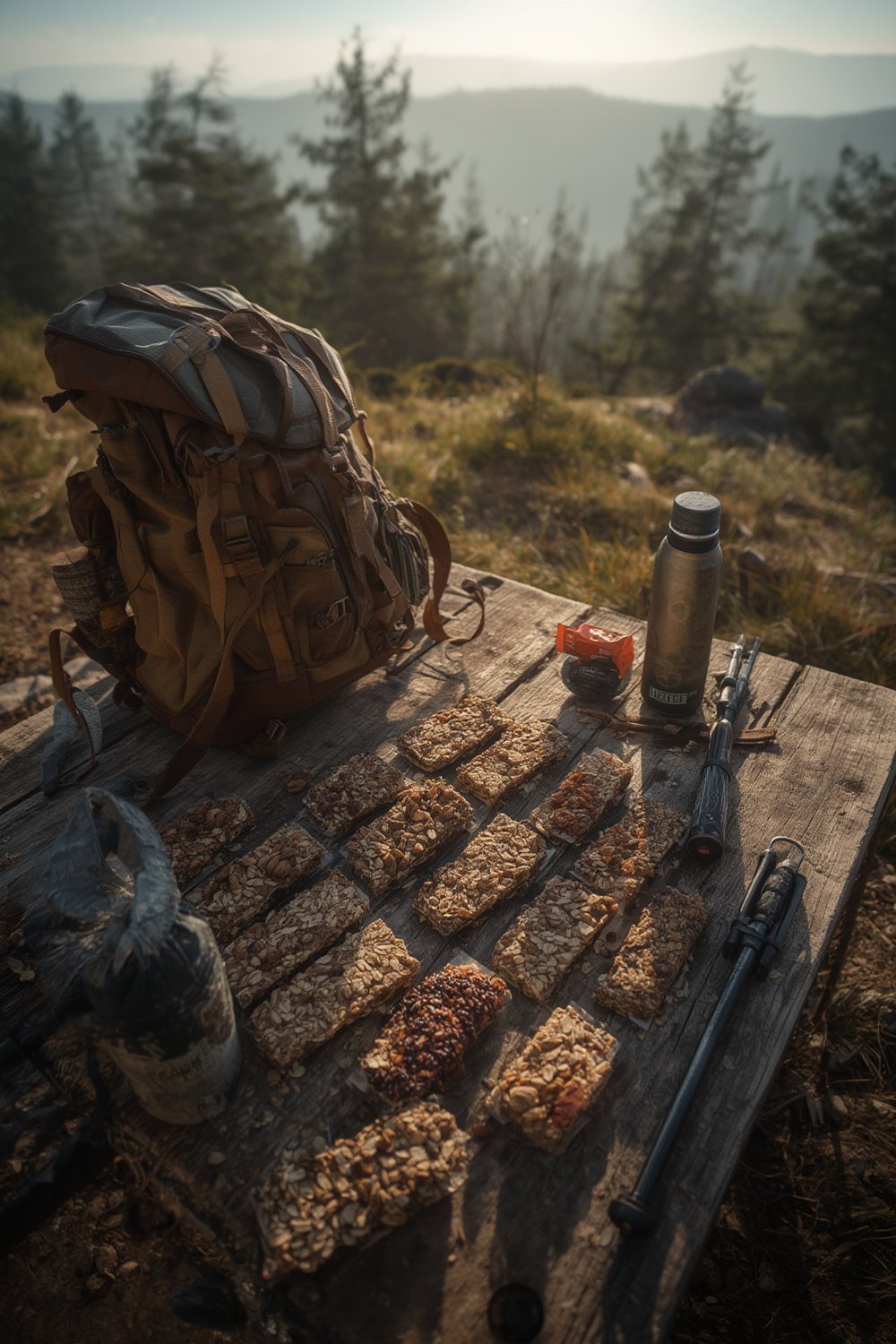
The market for energy bars exploded in 2024, with global category value estimates ranging from USD 773 million to USD 2.1 billion, depending on how broad the definition. Growth is powered by demand for functional, portable, and clean-label nutrition—and by seasoned hikers who know that trail food isn’t the same as office snack bars.
But not all “energy bars” are alike. Hikers need products that deliver real calories (ideally 100–300+ per bar), avoid digestive issues, pack efficiently, and withstand heat, cold, and crushing. Overlooking these requirements can leave you with sticky, stale, or unsatisfying food when you need it most.
Unlike simple breakfast bars, true trail-ready energy bars are engineered for performance, durability, and convenience. That’s why understanding nutritional labels, use-case nuances, and price-per-calorie is essential—yet most guides skip these practical details.
How to Choose, Pack, and Store Energy Bars for Hiking: Step-by-Step Guide
-
Define your hike’s demands
- Light, fast day hike? Prioritize easily digestible bars with moderate calories (100–200 per bar).
- Multi-day trek or calorie deficit risk? Opt for higher calorie density (200–350 per bar), balanced macronutrients, and robust packaging.
-
Read labels carefully
- Compare protein (aim for 5–20g for satiety), sugar (<10g for less crash), fiber (2–6g), sodium (<200mg is low), fat (<8g for quick digestibility, higher for calorie density).
- Check shelf-life and preservative info. Many bars use low moisture, natural oils, or vacuum sealing for stability—critical for multi-day trips.
-
Calculate price-per-calorie and packability
- Don’t just scan unit price. Divide total calories by price to estimate your cost per 100 calories. Higher-end bars often cost more but may be lighter and less bulky for the energy provided.
- Choose bars with rigid or crush-resistant packaging if pack space is tight or conditions are rough.
-
Plan for variety and palatability
- Avoid taste fatigue—mix brands, flavors, and textures. Too many sweet or overly rich bars can become unappealing fast, especially during long hikes.
-
Protect your bars on the trail
- Pack bars in a soft pouch or side pocket. Avoid direct sun, crush points, or bottom-of-pack storage (chocolate melts, fats oxidize). If you’re on a warm-weather route, consider using an insulated pouch for maximum freshness.
- On hot days, prioritize non-chocolate, non-oil-exposed options. For cool climates, denser and slightly higher fat bars are less risky.
-
Store and rotate at home
- Keep bars in a cool, dry spot. Rotate the oldest stock first—don’t accidentally bring bars that are near the end of their optimal texture window, even if the expiration date is still good.
-
Customize your pack for trip type
- Reserve ultra-calorie-dense “emergency” bars in a separate bag to avoid accidental squishing or over-handling between meal breaks. For better organization, use daily snack kits to keep flavors and types organized for each day.
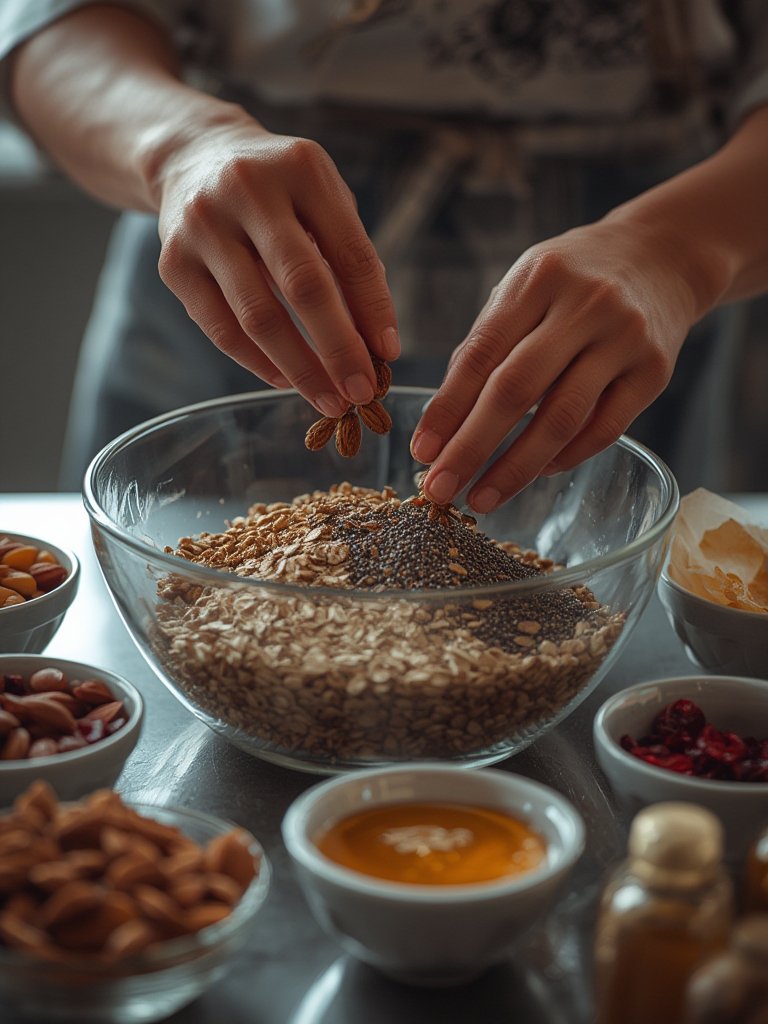
For more trail gear optimization, see our guide to smart backpack packing for hikers.
Advanced Trail Bar Analysis & Common Pitfalls
Relying on hiking food energy bars comes with real challenges. Here’s where even experienced hikers stumble:
- Taste Fatigue: Eating sweet or ultra-dense bars repeatedly leads to palatability burnout by day two or three. Savory bars and trail-mix blends can mitigate this but are less common on the market.
- Insufficient Calories: Many popular bars provide only 100–200 calories per serving—often not enough to compensate for hourly energy burn on an aggressive hike. Skimping leads to energy crashes in the afternoon.
- Digestive Discomfort: High protein (over 20g/bar), high fiber, or excessive sugar alcohols can cause bloating or upset stomach—a common hiker complaint. Trial each bar before a big trip.
- Melting or Spoilage: Chocolate- or yogurt-coated bars and nut/oil bases degrade quickly in heat, resulting in sticky messes or off-flavors, especially in summer. Prioritize stable bases such as oats or crisped grains in hot conditions.
- High Price Per Calorie: Premium or diet-specific bars often offer poor value for extended trips. Balance specialty features against bulk cost—classic bulk bars frequently win for all-day trekking nutrition.
- Short Shelf Life: Natural bars with minimal preservation can go stale faster, particularly if pack storage is warm or humid. Always check manufacturing dates and plan for the actual trip window, not just the printed date.
- Poor Portability: Fragile, crumbly bars, and bars in thin wrappers may not survive rugged pack conditions, leading to wasted food and mess.
| Product Type | Calories/Bar | Protein | Typical Price/100 Cal | Best Use | Downside (2024) |
|---|---|---|---|---|---|
| Budget Energy Bar | 100–200 | 2–10g | Low | Day hikes, high volume trips | Often bland and not calorie-dense enough |
| Premium Protein Bar | 150–250 | 10–20g | Medium–High | 1–2/day, backup recovery snack | Can cause stomach discomfort during activity; pricier |
| Trail Mix Bar | 180–300 | 4–9g | Medium | High-energy, all-day hiking | High risk of melting or going stale in the heat |
| Lightweight Dehydrated Meal Bar | 250–350+ | 5–12g | High | Multi-day, high-exertion, emergency backup | Most expensive per calorie; sometimes too dry or hard to eat |
Expert analyses confirm the sweet spot for energy-sustaining bars is a mix of carbohydrate (for immediate energy) plus moderate fat and protein (for satiety and endurance) [Mordor Intelligence]. Don’t focus on protein alone unless recovery is the main goal.
Curious how hiking bar nutrition stacks up further? See the detailed Outdoor Gear Lab testing report for real product breakdowns.
Compare your trail bar packing plan with gear like the best hiking water bottles for keeping hydration cold or explore sustainable hiking gear tips for complete kit building.

Conclusion: Getting the Most From Hiking Food Energy Bars
Hiking food energy bars are essential trail fuel—when you choose and pack them with real-world trail needs in mind. The best bars will match your calorie demands, remain edible in all weather, and keep you satisfied without digestive pitfalls or packing headaches. Always check label details, rotate your stock, and test flavors on training hikes before relying on any bar for a big trip.
Ready to upgrade your next adventure? Put these tips to work and make hiking food energy bars a reliable, efficient part of your trail kit. If you’re optimizing your gear list, don’t miss our guides to the best women’s hiking boots for all-day comfort and compact hiking tents to round out your essentials.
FAQ: Hiking Food Energy Bars
How many hiking food energy bars should I pack for a typical day hike?
For most day hikes, aim for 1–2 bars per 2–3 hours of movement, plus one as a backup. Adjust if your hike is longer or you burn more calories than average.
How can I keep bars from melting or getting stale in the heat?
Choose bars without chocolate or oil-based coatings, and store them in a shaded, insulated pouch. Always rotate fresh stock for warmer trips.
What are the best macronutrient ratios for hiking energy bars?
Look for bars with a mix of carbohydrates (for quick energy), moderate protein (5–12g per bar), and some fat for satiety. Avoid too much added sugar and use higher protein bars after activity, not during.
Which is better for long hikes: energy bars or trail mix?
Both have advantages. Bars offer convenience and packing ease, while trail mix can provide more variety and calorie density. Many hikers bring both for balance and to reduce taste fatigue.
Are there affordable options that still perform well on the trail?
Yes—value energy bars usually have fewer premium ingredients but deliver solid carbs and calories for less. Watch for sales on bulk packs and skip over-branded options with extra fillers or high price per calorie.
—
[…] also combine app navigation with trail-tested gear like a portable water filter for hiking or hiking food energy bars for maximum safety and efficiency on long […]
[…] calories, salt tabs, a phone, first aid kit, and a lightweight rain jacket. See more in our hiking food energy bars and hiking rain jacket women expert […]