
### Blog Post:
Sports compression sleeve use is everywhere from gym sessions to pro sports, but does the science actually back up performance or recovery claims? Here’s what the latest evidence and real-world feedback tell us about when sleeves help—or disappoint—and exactly how to avoid common mistakes.
Key Takeaways
- Compression sleeves provide more reliable benefits for muscle recovery and proprioception than for real-time speed or endurance performance.
- Common downsides include poor fit, excess heat, and limited perceived benefits—correct material choice and sizing are crucial.
- premium sleeves offer better pressure control, while budget options may create comfort and durability issues over time.
- What Are Sports Compression Sleeves (And Why Use Them)?
- How to Get the Most Out of Sports Compression Sleeves: Step-by-Step Guide
- Advanced Analysis and Common Pitfalls: What Most Guides Miss
- Conclusion: Should You Use a Sports Compression Sleeve?
- Frequently Asked Questions
What Are Sports Compression Sleeves (And Why Use Them)?
Sports compression sleeves are stretchable garments worn over limbs, typically arms or calves, to apply controlled pressure with the intended goals of boosting muscle support, improving blood flow, or enhancing muscle recovery. While many athletes use them for potential performance and aesthetic reasons, modern research finds the strongest evidence for benefits in recovery and proprioception—not for speed, stamina, or direct strength gains during exercise.
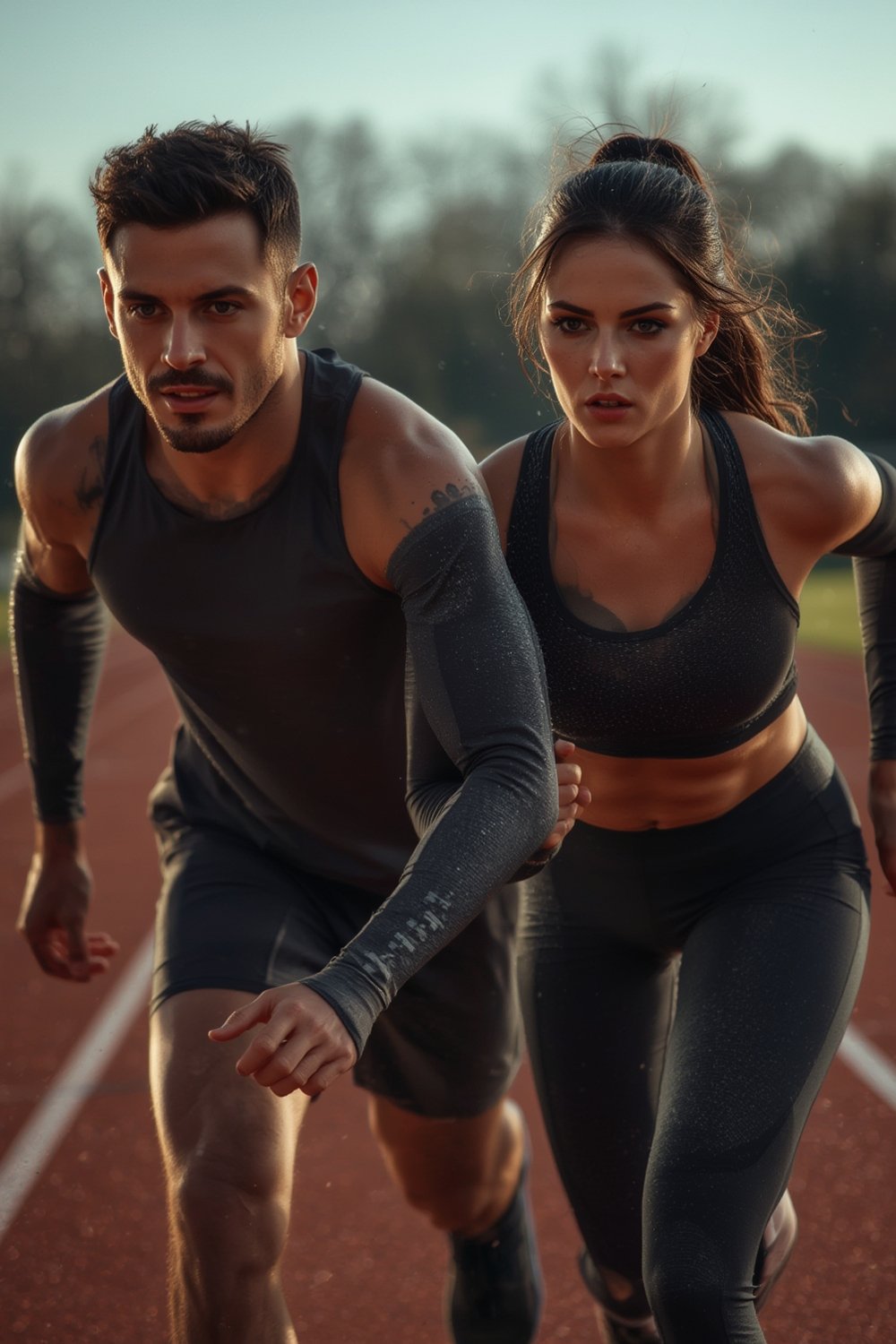
A 2024 meta-analysis of 33 randomized controlled trials concluded that compression gear does not significantly improve running speed, race times, or endurance, but it does reduce soft-tissue vibration, which can support recovery and help muscles feel less fatigued after activity (source). Updated studies also suggest measurable proprioceptive advantages, such as improved joint position sense (source).
For more on building a complete workout arsenal, see our guide to Exercise Mats and Neoprene Dumbbells for home and gym training.
How to Get the Most Out of Sports Compression Sleeves: Step-by-Step Guide
- Identify your primary sleeve goal: Are you addressing muscle soreness, promoting quicker recovery between workouts, targeting calf cramps, or just seeking extra support?
- Choose the right compression level (mmHg): Moderate graduated compression (typically 15-25 mmHg) works best for most fitness needs. Avoid very high compression unless medically directed.
- Select the sleeve based on limb measurement and purpose: Measure your arm/calf circumference at the widest point and always use the manufacturer’s sizing chart, not just “S/M/L” labeling.
- Consider material and construction: Seek out sleeves with moisture-wicking, high-breathability fabrics, flatlock seams, and anatomical shaping, especially for longer sessions. Advanced knits and yarns matter for comfort and consistent compression (source).
- Wear post-activity for recovery (when relevant): For muscle recovery, evidence favors sleeves worn after exercise for at least 1–4 hours versus during the workout itself (source).
- Monitor fit and adjust as needed: If the sleeve pinches, rolls, or feels uncomfortably tight, try a larger size or different design. If you’re prone to overheating, test in your typical training environment and limit use as needed.
- Integrate with other active recovery tools: Layer your recovery with methods like foam rolling, portable massage guns, or resistance bands for full-spectrum results.
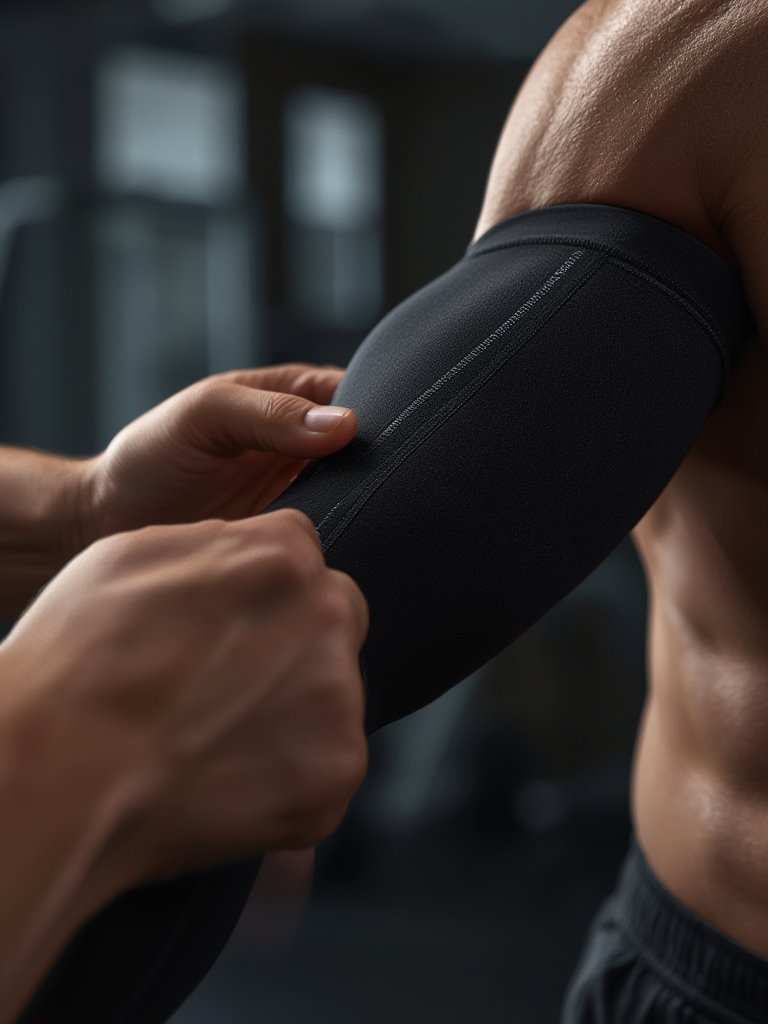
Remember, recovery effect depends on compliance: poorly fitting or uncomfortable sleeves are likely to be ditched quickly. Seek a balance between pressure, comfort, and breathability. For additional post-workout support, explore our review of the best foam rollers for recovery.
Advanced Analysis and Common Pitfalls: What Most Guides Miss
Sports compression sleeve reviews and guides often skip deeper scientific distinctions and the drawbacks users commonly encounter. Let’s break down the latest findings and comparison points.
What Science Actually Says: Performance vs Recovery
- Endurance and performance: No robust gains for running speed, time to exhaustion, or sprint outcomes in 2024 data (source).
- Muscle recovery: Meta-analyses suggest real benefits for strength preservation and subjective recovery when sleeves are worn after exercise (source).
- Proprioceptive feedback: There is measurable improvement in joint position sense, which helps with muscle control and support (source).
Most Common Pitfalls
- Incorrect compression level: Too much pressure doesn’t mean better results. High mmHg can cause discomfort, overheating, or circulation problems for some users.
- Poor fit by limb shape: Sleeves that slip, bunch, or pinch sabotage comfort and the recovery process. Not all sizing charts account for unique body shapes.
- Heat and sweat build-up: Low-breathability material or poor seam placement raises skin temperature, especially under gear or in summer gyms.
- Lack of perceived effect: Many users report that advertised performance boosts aren’t felt (“I don’t feel any faster/stronger”). Realistic expectations are key.
- Quick loss of pressure or elasticity: Budget sleeves often lose effectiveness after a few machine washes or heavy use cycles.
Premium vs Budget: Sports Compression Sleeve Comparison
| Feature | Premium Compression Sleeve | Budget Compression Sleeve |
|---|---|---|
| Pressure Consistency | More precise, well-graded, sustained | Highly variable, often degrades quickly |
| Material & Construction | High-quality yarns, seamless or flatlock, moisture-wicking | Basic elastics, heavier seams, limited breathability |
| Fit & Sizing Range | Multiple specific sizes, anatomical design | Generic S/M/L, limited adaptation |
| Heat Management | Superior moisture and temperature control | More prone to sweat buildup and discomfort |
| Durability | Withstands repeated wear/wash cycles | Loses shape faster, thins easily |
| Cost | Higher | Lower |
While you don’t need expensive gear for all uses, consider paying for premium if you want consistent pressure for marathon training, soccer, or multi-hour sessions—especially if you struggle with sleeve slippage or heat.
Hidden Side Effects & Recovery Shortcuts
- Heat stress or irritation: Especially in high temps or under pads/uniforms, sleeves can create excess warmth or skin irritation for some athletes (source).
- Over-reliance: Don’t neglect proven tools like foam rollers or massage for stiffness and soreness. Compression should supplement, not replace, varied recovery strategies.
- Not customizing sleeve use to training type: For strength athletes or climbers, arm sleeves rarely yield direct gains; for runners and ball sports, calf sleeves may help with “support” but are not a speed booster (source).

Conclusion: Should You Use a Sports Compression Sleeve?
The latest evidence makes clear that while sports compression sleeves aren’t a shortcut to record-breaking performance, they can reliably help with muscle recovery, soreness, and proprioceptive feedback—especially when correctly fitted and worn during recovery windows. Premium sleeves outperform budget ones where comfort and pressure control matter, but common pitfalls like poor sizing and excess heat can erase even the best sleeve’s advantages.
If you’re looking to maximize recovery between sessions, reduce post-exercise soreness, or simply boost your sense of stability, a well-chosen sports compression sleeve is a practical tool to consider. For total recovery coverage, combine your sleeve routine with options like portable massage guns or neoprene dumbbells. Ready to test and feel the difference? Choose your compression sleeve carefully—and listen to your body.
Frequently Asked Questions
Do sports compression sleeves really improve running or lifting performance?
No. The latest 2024 research shows no reliable improvements in running speed, race times, or direct muscle strength during exercise with compression sleeves, but they may enhance recovery afterwards (source).
When should I wear sports compression sleeves for best recovery results?
Wear compression sleeves for 1–4 hours after intense activity to help with muscle recovery. Evidence is strongest for use post-workout, not during high-intensity exercise (source).
How do I choose the right compression level and fit?
Look for sleeves offering 15–25 mmHg graduated compression, and always measure your limb circumference for precise sizing. Avoid designs that feel painfully tight or slide out of place. Premium materials and construction offer longer-lasting support.
What problems do people have with sports compression sleeves?
The main pain points are poor fit (too tight, too loose, rolling), heat buildup, and difficulty donning/removing them. Cheaper sleeves can also lose elasticity and create discomfort more quickly (source).
Are there any serious risks with prolonged use?
Serious risks are rare in healthy athletes, but extended use can sometimes cause skin irritation or localized overheating, especially if the sleeve is poorly suited to your shape or workout type. Always monitor comfort and remove sleeves if you experience numbness or pain.
—