
### Blog Post:
High altitude hiking gear is not just about keeping warm—it’s about preventing emergencies, handling challenging weather, and making tough environments safer. If you plan to hike above 14,000 feet, here’s what you really need to know and how to avoid costly mistakes.
Key Takeaways
- High altitude hiking gear is essential for safety and comfort, but it won’t eliminate all risks.
- Most injuries still result from decision-making, weather, and health—not just equipment quality.
- Smart field maintenance, emergency plans, and new gear innovations are just as important as the initial gear selection.
- What Is High Altitude Hiking Gear and Why Does It Matter?
- Step-by-Step Guide: Building Your High Altitude Kit
- Advanced Analysis & Common Pitfalls
- Conclusion
- FAQ
What Is High Altitude Hiking Gear and Why Does It Matter?
High altitude hiking gear refers to specialized clothing, boots, insulation, and support systems designed for hiking above 14,000 feet—places where cold, wind, and lack of oxygen can turn mistakes into emergencies. Standard hiking gear is not enough for this environment. At high elevation, tiny gaps in preparation quickly become big problems, from frostbite and hypothermia to acute mountain sickness.
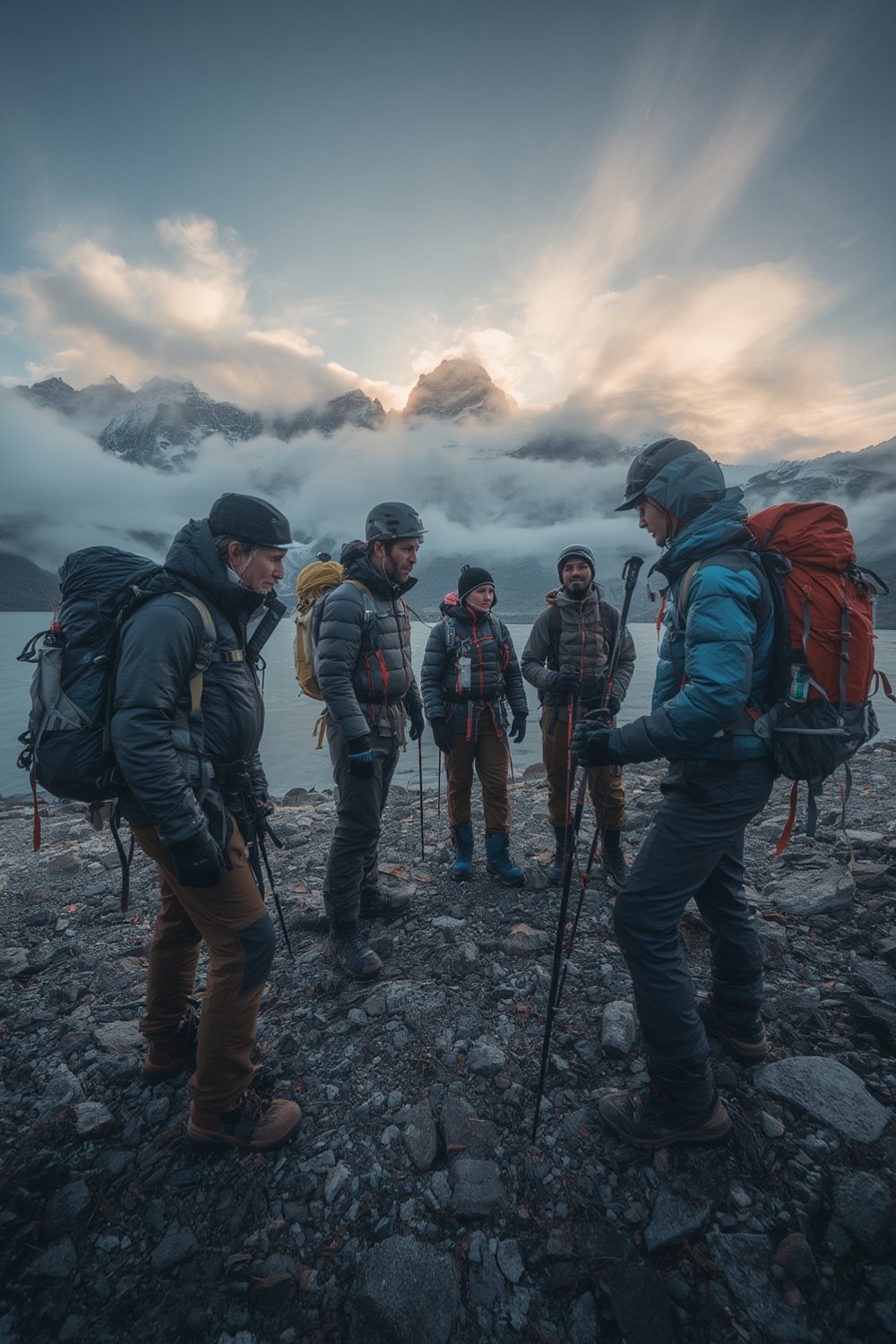
While using advanced boots, insulated jackets, and oxygen systems can reduce exposure to cold and hypoxia, real survival depends on more than gear. Acclimatization, weather, pace, and decision-making are all crucial factors. No recent study proves that having high altitude hiking gear alone will guarantee safety above 14,000 feet.
Still, having the right setup helps you stay functional and comfortable—giving you a margin for error that standard equipment simply can’t match. Premium boots and shells are designed to shield you from wind, snow, and freezing temperatures, but do not replace experience or judgment on the mountain. Smart preparation involves both the right kit and the skills to use it.
If you’re considering high elevation hiking or mountaineering, start with technical clothing that manages sweat, layers for warmth, boots that support crampon use, and a plan for rapid weather changes. Don’t be misled by marketing that promises gear alone will make you immune to the harsh realities of altitude.
Step-by-Step Guide: Building Your High Altitude Kit
If you want to avoid frostbite, blisters, or worse, you need a step-by-step approach for choosing high altitude hiking gear. Here’s what you need—broken down simply.
-
Choose a Complete Layering System:
- Base Layer: Moisture-wicking merino wool or synthetic (polyester/polypropylene) to keep skin dry.
- Mid-Layer: Fleece or active grid fleece for warmth and breathability.
- Insulation: High fill-power down (800+) for dry conditions, or insulated synthetics like PrimaLoft if expecting moisture or sweat buildup.
- Shell Layer: Top quality 3-layer waterproof, windproof, and breathable membrane. Look for fully taped seams, water-resistant zippers, and a helmet-compatible hood.
For detailed layering options, check out this hiking layering system guide.
-
Select Technical Boots:
- Single or double-layer insulated mountaineering boots—fit tested with your actual socks and expected crampons.
- Rigid or semi-rigid soles (Vibram or equivalent) for crampon compatibility and grip on snow and rock.
- Waterproof shells with integrated or separate gaiters for snow protection.
- Removable liners (double boots) recommended above base camp, as they dry faster and help prevent frostbite.
User complaints reveal issues like stiffness and premature sole wear (full boot reviews), so prioritize comfort and fit over advertising claims.
-
Dial in Insulation and R-Value:
- Jacket/wearable insulation ratings are non-standard—focus on total system warmth, not just the jacket’s fill number.
- Synthetic jackets (usually around 40 g/m²) and sleeping pads with high R-values are preferred for subzero nights (see current insulation innovations).
-
Add Oxygen Support Above 18,000 ft:
- For extreme elevation (often above 8,000 m), carry a recreational oxygen system—cylinder, regulator, and mask or cannula. Demand-flow regulators are most efficient.
- Include spares for essential delivery and mounting components in your kit.
For more, see the latest oxygen equipment developments.
-
Pack Essential Accessories:
- Gloves, mitts, balaclava, thermal socks, and adjustable gaiters.
- Technical backpack, emergency shelter, repair kit (seam grip/tape, needle, cord).
- High-traction trekking poles—see advances in lightweight trekking poles.
- IP-rated headlamp for night navigation (LED headlamp options here).
-
Budget Honestly:
- High altitude setup averages $1,450–$5,250+ for boots, layers, shells, accessories, and oxygen. Many “complete” lists skip the cost of supplementary items like crampons, navigation, and field repair gear.
- See full gear cost research here.
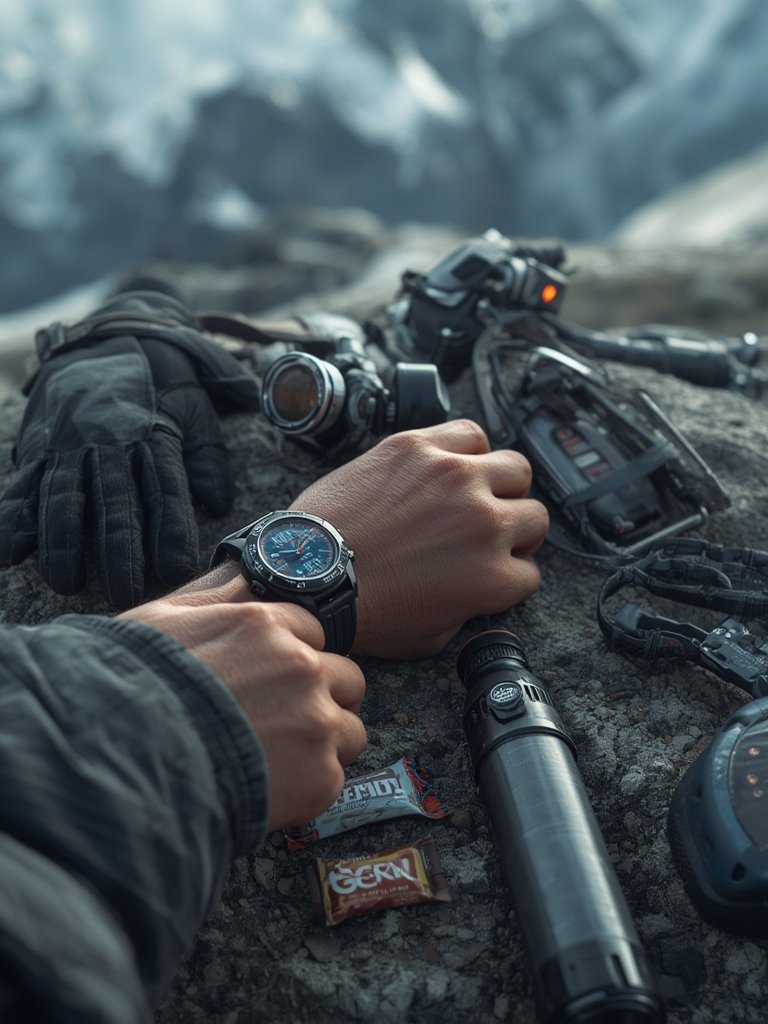
Don’t overlook maintenance: Dry gear thoroughly, reproof shells, and check boot seams or crampon welts each night. Your field repair strategy is just as important as your initial packing list.
- Consider hydration and nutrition—your choices here are as important as clothes and boots. See essential hiking food energy bars and insulated water bottle guides.
If you expect wet or stormy conditions, invest in a reliable rain cover for your pack and ensure your sleeping setup is up to the task.
Advanced Analysis & Common Pitfalls
Here’s what most new high altitude hikers get wrong—often with expensive or dangerous consequences.
- Believing gear alone provides complete safety: Most deaths and emergencies above 14,000 feet are linked to poor route planning, rushing acclimatization, or ignoring changing weather—not defective boots or jackets. For details, review the analysis at DataIntelo’s market report.
- Improper Layering: Bulky shells or insulation can make movement awkward, especially if you ignore fit conflicts between harness, base layer, and outerwear. Excess layering can cause overheating on ascents then dangerous chilling during rest breaks.
- Boot Fit and Stiffness: Many double-boot systems are excessively stiff, causing “shin bang,” blisters, or cold feet when packed out. Sole durability is a common complaint. Compare user problems before buying (boots review resource).
- Confusion on Waterproof Ratings: A “high” millimeter rating means little if zippers leak or the DWR finish wears off. Always check for seam taping and robust zipper construction. Real-world breathability is just as critical—climbing hard in a non-breathable shell will leave you soaked.
- Ignoring Oxygen and Emergency Protocols: Oxygen supply without backup masks, spare regulators, or a plan for altitude illness is almost worthless. Coordinate descent and emergency procedures before you start.
| Gear Type | Frequent Complaints | What to Do |
|---|---|---|
| Cold-weather Boots | Stiffness, poor fit, early sole wear, high cost | Prioritize fit-testing, consider sole replacement policies, and rotate liners |
| Insulated Layers | Loss of warmth when wet, sizing conflicts, durability problems | Pack both down and synthetic, inspect seams/zippers, avoid over-layering |
| Shell Jackets | Zipper and seam failures, lack of breathability, DWR loss | Choose taped seams, check for water-resistant zippers, reproof before trips |
| Oxygen Systems | Regulator leak, mask failure, insufficient spares | Field test systems, carry spares, establish supply protocols in advance |
Brand loyalty can be misleading. No consistent, audited customer satisfaction data exists across brands for 2024–2025, and most “ratings” simply reflect fit or comfort on a single product. Instead, focus on your own fit and repair needs, and review warranty or replacement policies—especially for boots and critical layers.
- Maintenance is not optional. Clean and reproof your outerwear, dry all insulation and boots before storage, and prepare a repair kit for the field. Learn more about sustainable storage and reuse in our sustainable hiking gear guide.

Lastly, keep an eye on gear innovations: recent advances include jackets with recycled insulation, oxygen-delivery systems with better monitoring, boots with phase-change insulation, and trekking poles with new shock-absorption and ergonomic handles. Still, don’t expect these advances to guarantee survival—most help with comfort and durability rather than eliminating risk (industry preview).
Conclusion
High altitude hiking gear matters—but it is only one element of safe mountain travel. Use well-tested, technical layers, boots, and accessories, but never treat gear as a substitute for planning or experience. Be smart: maintain your equipment in the field, develop clear emergency protocols, and know the limits of what gear can do. If you’re serious about hiking or climbing above 14,000 feet, invest intelligently in your high altitude hiking gear—then back it up with real training and preparation.
Ready to build your high-altitude kit? Review the tips above, test before any expedition, and master your layering system before heading out. If you have questions, leave a comment below or explore our expert resources for more in-depth guidance.
FAQ
How much does a complete high altitude hiking gear setup cost in 2024?
The average cost is around $1,450 to $5,250+ for a full kit—this covers boots, technical shells, insulation, gloves, accessories, and an optional oxygen system. Actual totals can go higher with crampons, electronic gear, and advanced emergency equipment.
Do I need oxygen systems for hikes above 14,000 feet?
Most hikers do not need supplemental oxygen below 18,000 feet unless they have pre-existing conditions or face emergencies. Oxygen systems are most established for extreme mountaineering above 8,000 meters.
What is the biggest mistake people make when buying high altitude hiking gear?
Relying on gear alone for safety—a smart kit helps, but acclimatization, slow ascent, and monitoring weather are more important for survival. Also, many people skip pre-trip gear testing, leading to discomfort or even equipment failure.
Is down or synthetic insulation better for high altitude?
Down insulation provides the best warmth-to-weight if kept dry, but loses effectiveness fast when wet. Synthetic is heavier but retains more insulation when damp—a better backup in stormy or humid conditions.
How should I store high altitude gear between seasons?
Dry all boots and layers thoroughly. Store down jackets loosely (never compressed), recharge batteries in heated gear, and inspect oxygen systems for leaks or expiration before next use.
—