
Compressed hiking towel designs are changing how hikers manage weight, space, and trail hygiene. If you’re tired of bulky cotton towels that never seem to dry or fit in your pack, it’s time to rethink your gear. This guide cuts through the marketing to show which features matter, what problems real users face, and exactly how to choose and use a compressed hiking towel that actually performs.
Key Takeaways
- Compressed hiking towels pack down small, dry much faster than cotton, and weigh just a few ounces — but often trade off some absorbency and comfort.
- Common issues include odor buildup, fraying edges, and disappointing pouch or snap loop durability. Choosing well-constructed, certified-safe gear is essential.
- Pricing is usually in the low to mid double digits (USD/GBP/EUR), with genuine improvements now featuring sand-resistant weaves, better compression cases, and focus on microplastic impact.
- What Is a Compressed Hiking Towel? (The Core Concept)
- How to Choose and Use a Compressed Hiking Towel (Step-by-Step Guide)
- Advanced Analysis & Common Pitfalls
- Conclusion: Should You Pack a Compressed Hiking Towel?
- FAQ: Compressed Hiking Towel
What Is a Compressed Hiking Towel? (The Core Concept)
A compressed hiking towel is a travel-optimized quick-dry towel made from thin microfiber or synthetic material. The whole point is to pack a full-body towel into a pouch almost as small as a water bottle, drastically reducing the weight and bulk compared to standard cotton towels. This is a game-changer for backpackers, minimalist hikers, and anyone trying to stay light on multi-day trips.

These towels soak up moisture through capillary action, usually absorb enough for trail use, and, most importantly, dry out in minutes rather than hours. Quick-dry towels as a whole are now a booming $684 million global market in 2024, expected to nearly double in less than a decade.
But compressed hiking towels aren’t perfect. They offer huge benefits in space and drying speed — but there are clear tradeoffs in absorbency, how they feel against your skin, and long-term durability. Knowing the details before you buy prevents disappointment, wasted money, and mid-hike frustrations.
How to Choose and Use a Compressed Hiking Towel (Step-by-Step Guide)
-
Decide on Size and Weight for Your Trips
For backpacking and longer hikes, aim for a towel that measures at least 40x80cm (approx. 16×32″) or up to 60x120cm for full-body use. Carefully check listed “packed size” as it can range from a tennis ball to a 1-liter bottle. Most good options weigh under 100g (3.5oz). -
Inspect Build Quality
Always check edge stitching—a major weak spot. Reinforced seams, durable snap loops, and a compression pouch that won’t rip are signs of a towel that will last more than just a season. See why fraying edges and pouch failures are frequent complaints. -
Compare Absorbency and Dry Time
Microfiber packs often say “ultra absorbent,” but in reality, almost all options require “pat drying” rather than rubbing. Expect slightly less comfort and hair-drying ability than cotton, but much faster dry times—often within 15 to 30 minutes in camp. -
Review Safety, Certifications, and Treatment
Synthetic towels ideally should have OEKO-TEX or a similar certification (for low chemical residues), and antimicrobial treatment for odor control. If environmental impact matters to you, check for microplastic-aware product info and avoid “mystery fiber” blends. -
Master Compression and Packing
Test how the towel stuffs into its case: does the zipper snag? Is the case truly compressible or just decorative? Avoid towels with “pillowcase-style” pouches if you want all-day security in a heavy pack. -
Care for Odor and Durability
Always let towels dry fully before packing to minimize smell buildup. Wash regularly with mild soap—avoid fabric softener, which clogs microfiber. Monitor edge wear and case seams; replace if you see major fraying.
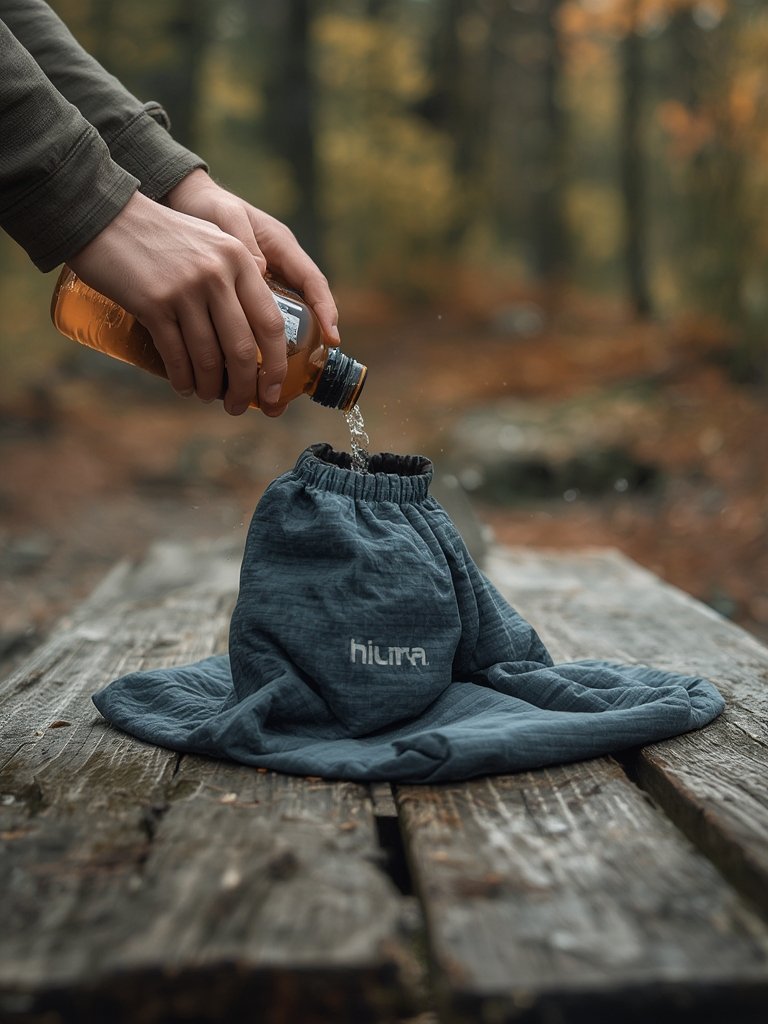
For ultralight hikers, compressed towels are a key companion to a lightweight hiking backpack and minimalist kit. Their ability to dry quickly also makes them a smart match for any hiking tent, preventing mildew and stink inside your sleeping area.
If you plan to use your towel for both camp and workout, select a dual-purpose option rated for gym use, especially when pairing with gym gloves for weightlifting or after using a core training wheel.
Advanced Analysis & Common Pitfalls
The surge in compressed hiking towel popularity (with the global quick-dry towel market topping USD 2.5 billion in 2024) comes with both honest benefits and clear limitations. Brands tout “innovative microfibers” and “ultra-fast dry” claims, but real-world testing shows what works—and what causes headaches on the trail.
How Compressed Hiking Towels Compare to Traditional Towels
| Feature | Compressed Hiking Towel | Traditional Cotton Towel |
|---|---|---|
| Absorbency | Good for trail use, but requires patting; less saturation capacity | Excellent; absorbs more water, more comfortable on skin |
| Dry Time | 15–30 minutes (air dry) | Several hours (sometimes overnight) |
| Weight | Typically 2–4 oz (60–120 g) | 12–20 oz (340–570 g) |
| Packed Size | Water-bottle size or smaller | Bulky, hard to compress |
| Odor Management | Can build odor if packed wet; some have antimicrobial treatment | Less prone to persistent odor if washed regularly |
| Durability | Frequent complaints of fraying edges and weak pouches | Holds up for years but heavier and slower drying |
| Price (2024) | Low-mid double digits (USD/GBP/EUR) | Similar or slightly higher for premium models |
Common Pitfalls to Avoid
- Overestimating Absorbency: Microfiber towels almost never match cotton for full immersion or hair drying, especially in cool or humid weather.
- Ignoring Construction Details: Cheap stitching, thin pouches, and poor snap loops mean sooner tears and lost towels. Always inspect edge work and try pulling the loops before purchase.
- Overlooking Odor Risks: Packing a slightly damp towel breeds mildew. Look for antimicrobial claims and rotate drying whenever possible—especially if you’re hiking for several days.
- Believing All “Compression Cases” Are Equal: Some brands ship “compressible” cases that are just thin sleeves, not truly space-saving or secure.
- Assuming All Towels Are Eco-Friendly: Most are pure synthetic and may shed microplastics. If sustainability matters, research or choose eco-friendly outdoor gear with clear material disclosure.
Some recent upgrades include more rigid or ventilated carry cases and sand-resistant weaves. But core issues—absorbency, odor retention, and stitching durability—haven’t fully disappeared, so realistic expectations matter whether you’re on a weekend trek or testing a new set of trekking poles.

Conclusion: Should You Pack a Compressed Hiking Towel?
The best compressed hiking towel is a real improvement for ultralight packing and fast-dry needs, especially where space and weight are at a premium. Just be aware: you’ll trade some plushness, absorbency, and possibly comfort for those gains. Pay close attention to build quality, odor management, certified safety, and case design—not just marketing promises. Hike smart, expect some compromise, and you’ll likely never go back to bulky cotton.
Ready to upgrade your kit? Choose a compressed hiking towel that fits your needs — and never lug around a soggy cotton roll again. Start smart, invest in quality, and enjoy the trail.
FAQ: Compressed Hiking Towel
Are compressed hiking towels as absorbent as cotton towels?
No. Most microfiber or synthetic hiking towels absorb enough for body and face, but require patting rather than rubbing. They do not replace the plush volume or saturation of a hotel-size cotton towel—especially for long hair or soaking up large spills.
How do you keep a compressed hiking towel from smelling bad on the trail?
Always dry the towel fully before packing. Wash it after a few uses, and avoid using fabric softener. For tough odors, use a mild detergent or a pinch of baking soda on damp fabric, and air it extensively. Ventilated cases help, too.
What certifications or safety features should I look for?
Look for OEKO-TEX or a similar certification, which mean low levels of harmful chemicals. Some brands offer antimicrobial treatment—helpful for odor, though not a guarantee. Also review if the fabric or case is microplastic-conscious.
How long do these towels normally last?
A well-built compressed hiking towel can last several hiking seasons with proper care, but regular user reports indicate edge fraying, pouch tears, or weak snap loops can appear after a season of heavy use, especially with frequent washing.
What’s a typical price range in 2024?
Expect to pay low-to-mid double digits (USD, GBP, EUR) for a quality towel from a reputable outdoor or travel brand. Cheaper models exist but may have durability or performance issues.