
Ab roller wheel exercise can build serious core strength, but research shows it is not automatically better than more basic ab workouts. Interested in the real science, design, and safety tips? This guide breaks it all down with evidence-based answers and actionable advice you can actually use.
Key Takeaways
- Ab roller wheel exercise delivers core activation equal to or slightly above crunches for most users but isn’t uniquely superior for results.
- Lower back strain and form breakdown are common pain points; adjustable-ROM ab wheels and dual-wheel models reduce risk and frustration, especially for beginners.
- Choosing the right wheel design and progression matters more than brand hype—spine safety, build quality, and realistic technique are where results are won or lost.
The Core Concept: What Really Happens During Ab Roller Wheel Exercise?
Ab roller wheel exercise is a dynamic movement where you kneel, grip the handles, and roll the wheel forward, then pull yourself back using core strength. Unlike static moves like planks or simple crunches, this exercise demands strong spine stability, abdominal bracing, and shoulder control. Lab studies using EMG have shown that ab wheel rollouts activate the rectus abdominis (your six-pack), obliques, and hip flexors as much as, or slightly more than, traditional curls. But, research consensus is clear—ab rollers do not produce dramatically greater results than basic core moves for most people, and the technical demands are much higher.Research source Quality of movement and correct technique matter far more than wheel type.
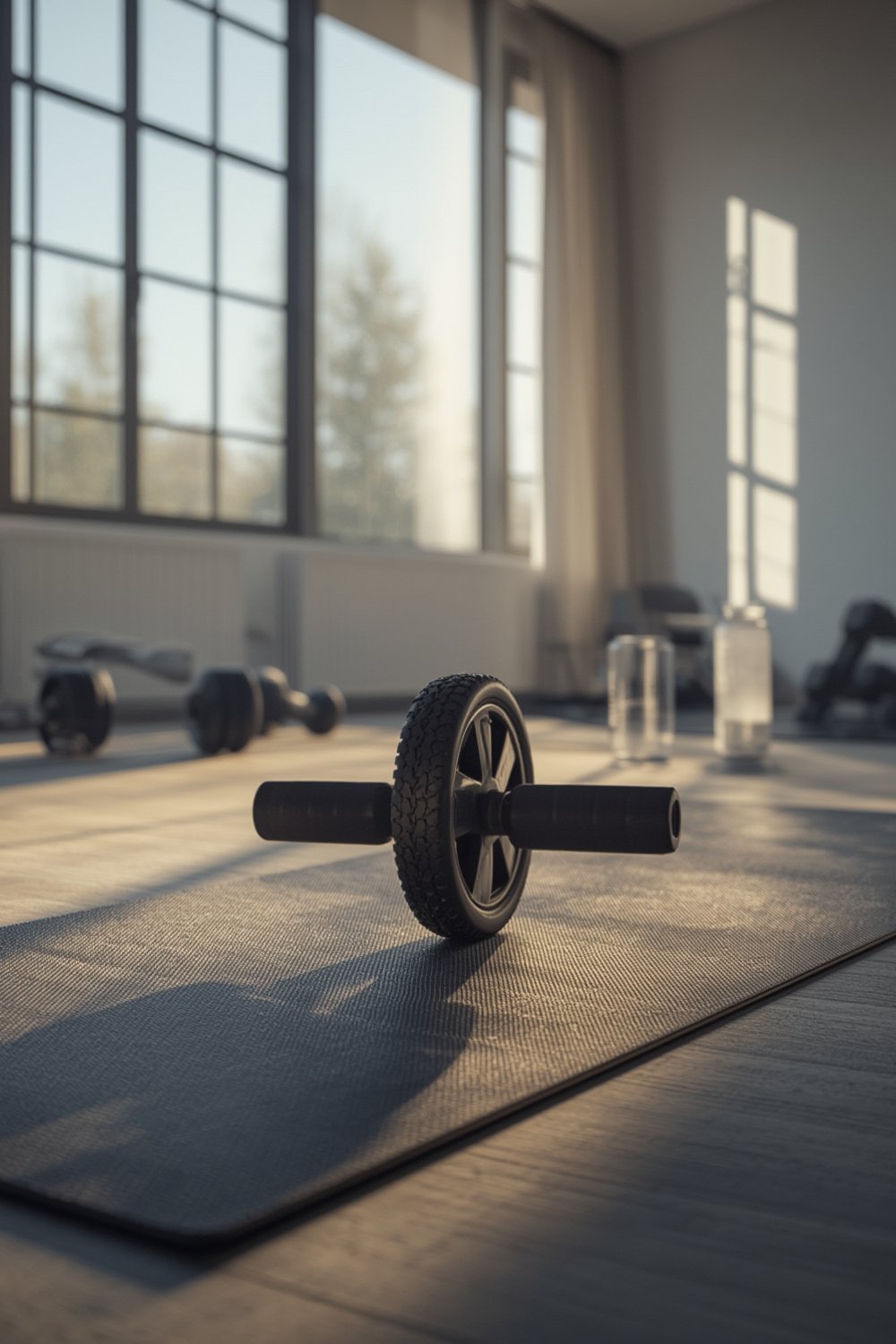
Stability, handle design, and wheel width all influence how risky or safe ab roller wheel exercise feels—especially for new users. Dual wheels offer more side-to-side stability, while adjustable ROM ab wheels with mechanical stops let you limit rollout distance, which significantly reduces low back discomfort for beginners. Source
Why bother with ab rollers when crunches and planks deliver similar muscle activation? If your goal is to challenge yourself with a more “full-body” anti-extension move, train anti-arch strength, and master dynamic bracing, the ab roller can be a unique challenge, especially as you progress toward advanced versions. For other simple, proven ab routines using basic gear, try the programs in our Situp Bar: 7 Proven Workouts For Easy Abs review or Core Sliders: 7 Proven Exercises For Best Ab Results guide.
Step-by-Step Guide: How to Do Ab Roller Wheel Exercise Safely and Effectively
- Start on your knees using a thick mat or foam knee pad (most high-quality ab rollers include one, but generic exercise mats also work). Set the roller directly in front of your knees. Grip the handles firmly, shoulders over the wheel, back and neck neutral.
- Brace the core and lock your spine—think about pulling your belly button toward your spine and squeezing your glutes. Don’t let your back sag.
- Roll forward slowly as far as you can control without arching your lower back. Stop immediately if you feel low back strain.
- Pause at your end point—hold for a second, maintain a straight line from knee to shoulder.
- Pull the wheel back using your abs (not just your arms or hips), keeping the same braced position until you return above your knees.
- Repeat for 6–12 reps per set; 2–4 sets total. Focus on quality and control, not maximum range or speed.
- If new to ab roller wheel exercise, limit the rollout distance or try against a wall to prevent collapse or overextension—progress as strength and skill improve.
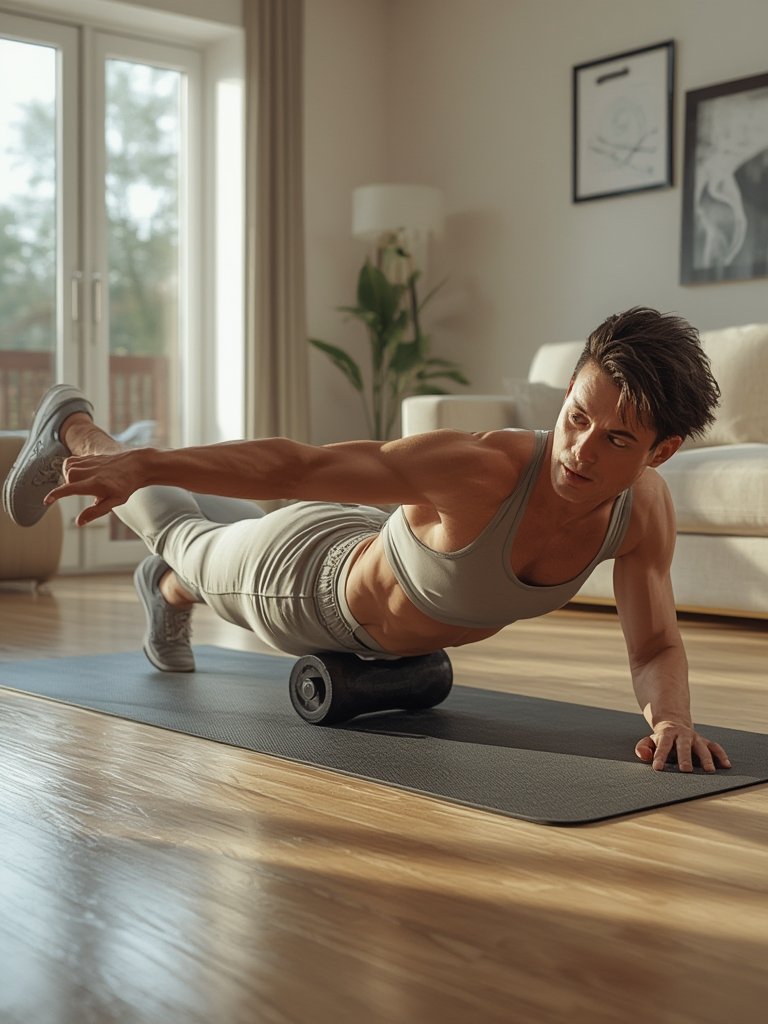
Wrist or shoulder discomfort? Many ab rollers now feature angle-adjustable handles or ergonomic, sweat-resistant grips to minimize strain in long sessions. For even more versatility and a gentler introduction, consider doing core rollout variations on a stability ball before moving to the wheel. For effective home gym setups and progression equipment, compare resources like our Pull Up Bar: 2026 Ultimate Guide For Best Home Gym Results and HOTWAVE Push Up Board: 7 Ultimate Steps for Simple Home Gym Success articles.
Advanced Analysis & Common Pitfalls: What Goes Wrong with Ab Roller Wheel Exercise?
Many beginners and even advanced trainees face setbacks or injuries when using ab rollers. Here’s why—and what to do about it.
- Back pain from poor technique: The biggest risk is excessive lumbar extension near the end of the rollout. Research shows this is a common cause of low back discomfort, with higher rates in full-range (long-arc) rollouts and for users with insufficient core strength.See detailed analysis
- Form breakdown after fatigue: If your abs “give out,” your hips and back tend to sag. When this happens, stress shifts to the spine and hips—making injury more likely. Beginners often cut their ROM short or lose control halfway through a rep.
- Design-related discomfort: Narrow, single-wheel ab rollers are often wobbly and exacerbate instability, especially on slick or hard floors. Kneeling directly on hard surfaces frequently limits practice due to knee pain. Unstable wheels also increase the need for deep stabilizer muscle engagement, sometimes beyond what a beginner can safely manage.
- Progression issues: Once you can easily do kneeling rollouts, standing or multi-directional variations are a huge jump in loading. There is limited “in-between” progression in most basic roller designs.
- Build quality disappointment: Verified buyers often report foam handles breaking down or plastic hubs cracking with extended use, especially on cheaper models. Bearings may become noisy or rough if not sealed. Tread peeling increases slip risk, especially on textured surfaces.
| Ab Roller Feature | Beginner Risk | Progression Benefit | User Complaints (2023–2024 reviews) |
|---|---|---|---|
| Single Wheel (Narrow) | High instability, difficult to control, frequent side-to-side wobble | Increased stabilizer activation for advanced users | Wobbly feel, wrist and shoulder stress, off-track rolling |
| Dual Wheel/Wide Track | Reduced instability—better for learning | Less natural progression challenge | Bulky for travel, only moderate control improvement |
| Adjustable ROM Mechanism | Safer, less risk of overextension and back pain | Helps beginners build skill, easier progression | Costly, sometimes “feels limited” for advanced trainees |
| Foam Knee Pad | Prevents knee pain, increases comfort, encourages practice | None (not needed after floor adaptation) | Cheap pads break down quickly in budget models |
For spine-friendly alternatives that match ab roller activation, try Resistance Band: 7 Proven Workouts for Best Fitness Results or Exercise Mat: 7 Ultimate Steps For Best Workout Results In 2026. These offer progressions with less direct spinal load.

Conclusion: Should You Use Ab Roller Wheel Exercise in 2024?
Modern evidence is clear: ab roller wheel exercise is a smart, effective addition for those who already have reasonable core and shoulder strength, and can maintain good form. It does not guarantee better results than crunches or planks but can help challenge anti-arch and total trunk strength when done right. Choose a dual-wheel or adjustable-ROM model for stability and safety, build slowly, and don’t expect miracles from gimmicky features. If you want the best results, focus on movement quality and systematic progression—then consider adding more variety with Bumper Plates: 7 Best Secrets For Amazing Training In 2026 or Power Rack: 7 Ultimate Steps For Best Home Gym to truly transform your workouts.
Ready to master your own ab roller journey? Start with quality form, safe range, and the right gear. Your core—and back—will thank you. Upgrade your approach and build real results today.
FAQ Section
Is ab roller wheel exercise better than crunches?
No. Ab wheel rollouts activate your ab muscles strongly, but lab studies show they are not significantly better than crunches for rectus abdominis activation. The main benefit is adding more anti-extension and dynamic core stability. See the ACE study.
Can beginners safely use ab rollers?
Yes, but only if you have basic core and shoulder strength, and always use a limited range of motion at first. Choose dual-wheel or adjustable-ROM models and use a wall to stop overextension. Build up slowly to prevent back pain.
Why does my back hurt during ab roller exercises?
Back pain is usually from letting your lower back arch and losing abdominal “brace” during the rollout. Ease off the range, ensure you keep a straight line from knee to shoulder, and focus on core activation. Adjustable stoppers and better mat support help.
What’s better: single- or dual-wheel ab rollers?
Dual-wheel (or wide-track) rollers are much more stable and safer for new users. Single wheels offer more instability and can increase deep stabilizer demand, but they are harder to master. Choose the stable option unless you’re already advanced.
Do ab rollers have any industry safety certifications?
No. Most ab rollers simply comply with general consumer product standards. No fitness industry “stamp of approval” or unique safety testing is required. Quality and guideline compliance varies by manufacturer.
[…] tools? Explore the proven benefits of a foam roller for recovery or step up your core work with an ab roller wheel exercise for targeted […]
thnak you
Kuku777 is where the fun never stops I’ve been playing here for a while and the variety of games keeps me hooked. Check it out here: kuku777
[…] If you plan to use your towel for both camp and workout, select a dual-purpose option rated for gym use, especially when pairing with gym gloves for weightlifting or after using a core training wheel. […]