
### Blog Post:
Hiking rain jacket women are essential gear for any female hiker who wants to stay comfortable and dry on the trail—even when the weather turns. This guide strips away the hype, breaking down what really matters when you invest in a high-performing women’s rain shell for hiking.
Key Takeaways
- The women’s hiking rain jacket segment is rapidly growing and shifting toward more technical, high-performance shells with greater fit diversity.
- Breathability and fit issues remain the most common complaints—even on expensive jackets—so choosing the right membrane and cut matters as much as brand.
- Waterproof ratings are real but can feel meaningless if DWR wears out or a jacket fits poorly under pack straps, so long-term care and trying before buying are crucial.
- 1. What Is a Hiking Rain Jacket for Women and Why Does It Matter?
- 2. Step-by-Step Guide: Picking and Using the Best Women’s Hiking Rain Jacket
- 3. Advanced Analysis and Common Pitfalls with Women’s Hiking Rain Jackets
- 4. Conclusion
- 5. FAQ
What Is a Hiking Rain Jacket for Women and Why Does It Matter?
A women’s hiking rain jacket is a waterproof and breathable outer shell designed to keep female hikers dry and comfortable in bad weather. Unlike everyday raincoats, these jackets focus on packability, high hydrostatic head ratings (for real waterproofness), articulated fits for movement, and practical features like pit zips and helmet-compatible hoods.
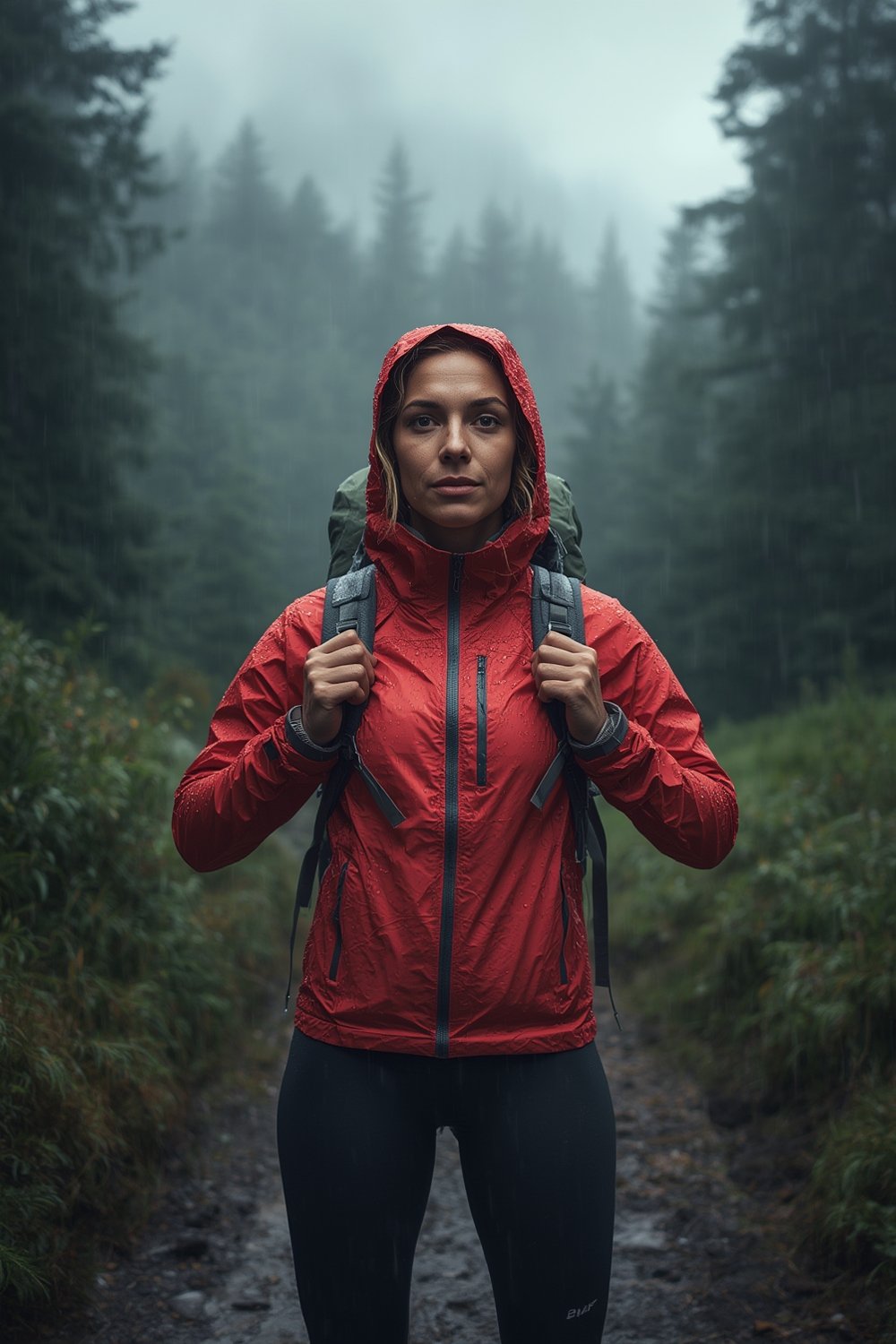
Demand for women’s hiking rain jackets is surging. Recent market reports show that the women’s segment now accounts for over one-third of global rainwear value and is the fastest-growing group by a wide margin (source). The reason is simple: more women are hiking, trail running, or traveling in unpredictable conditions. This has forced brands to up their game, offering jackets in more inclusive sizing, with women-specific shaping, and materials that balance waterproofing with breathability. Still, even the top-rated models are not without flaws; picking the right jacket means understanding both the performance specs and the typical “gotchas” of real-world hiking.
Pairing a women’s hiking rain jacket with women’s hiking boots and lightweight trekking poles can further improve weather protection and comfort on long hikes.
Step-by-Step Guide: Picking and Using the Best Women’s Hiking Rain Jacket
-
Set Your Budget: Decide if you want a budget (USD 80–120), mid-range (USD 130–180), or premium (USD 200–500+) jacket.
Budget jackets use 2-2.5 layer PU membranes (like Columbia OMNI-TECH) and may lack advanced features. Premium options get 3-layer GORE-TEX or Pertex membranes and better fit adjustments. -
Check Waterproof and Breathability Ratings: Look for at least 10,000 mm hydrostatic head (HH) for hiking use. For breathability, 10,000 g/m²/24h (MVTR) is minimum, 20,000+ is better if you sweat a lot or plan fast ascents.
Brands like Rab, Outdoor Research, and Haglöfs publish these specs. - Understand Fit and Sizing: Women’s cuts vary dramatically. Check reviews for comments about shoulders, chest, hip room, and hem length. Size up if you want to layer, or you’re between sizes. If you need plus sizes or petite fits, focus on brands advertising inclusive sizing.
-
Feature Inspection Checklist:
- Hood – rear/cable adjustability, stiff brim/bill
- Pit zips or venting
- Seam taping & water-resistant zippers
- Pack-compatible pockets and cuff adjustability
- PFC-free or eco-friendly DWR (if sustainability matters to you)
- Packability and Weight: Understand your needs. If ultralight backpacking, prioritize 7–11oz (200–320g) options, but expect to sacrifice some durability and storm protection. For day hikes or rough terrain, a heavier (14–16oz / 400–450g) but tougher 3-layer shell makes sense.
- Maintain DWR and Performance: After heavy use or a few washes, renew the DWR with a spray or wash-in product. This keeps water beading and breathability high. Even “waterproof” jackets lose performance if DWR fails.
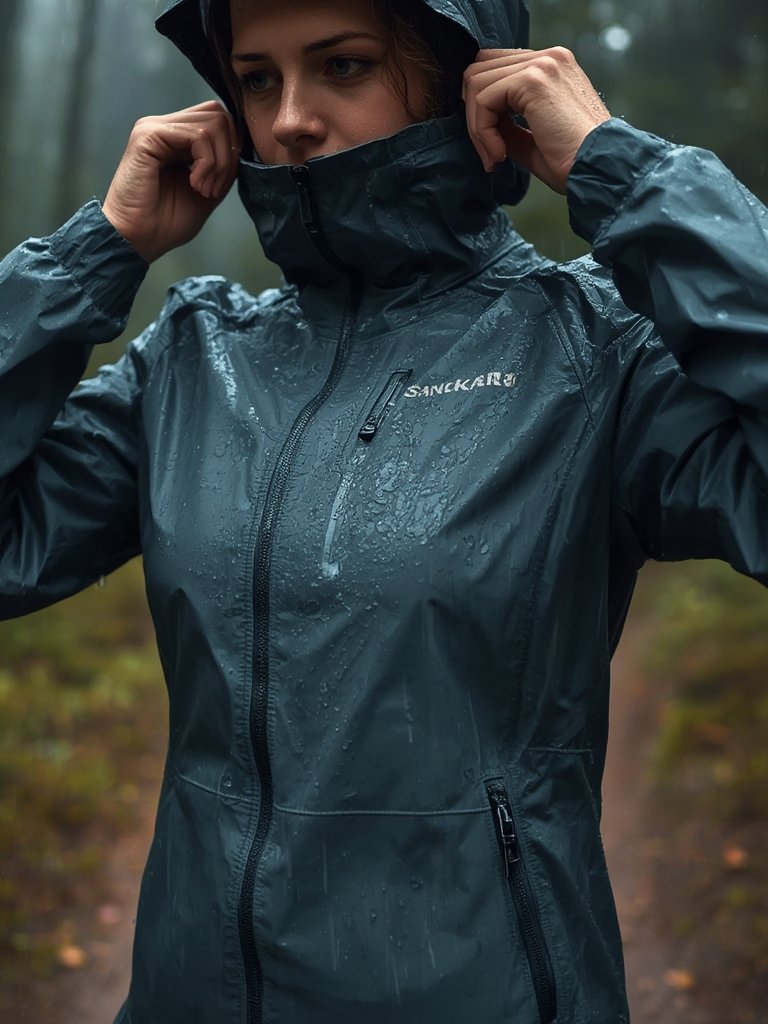
Want to build a lightweight kit? Match your rain jacket with a lightweight hiking backpack or consider a compact insulated hiking water bottle to keep your load manageable.
Advanced Analysis and Common Pitfalls with Women’s Hiking Rain Jackets
Even the best hiking rain jackets for women don’t perform flawlessly in all situations. Below are realistic issues based on third-party field and lab testing:
Comparison of Key Waterproof Membranes in Women’s Hiking Rain Jackets
| Membrane | Typical HH (mm) | MVTR (g/m²/24h) | Field Performance | Common User Complaints |
|---|---|---|---|---|
| GORE‑TEX (standard, Paclite) | ~28,000 | 20,000–25,000 | Excellent water resistance, good durability, moderate breathability, best for wet/cold weather | Clammy in high humidity, heavier, expensive |
| Pertex Shield 3L/2.5L | 20,000 | 20,000 | Very packable, high breathability, solid waterproofing | Wets out faster if DWR degrades, sometimes delicate |
| PU-based Proprietary (OMNI-TECH, BD.dry) | 10,000–15,000 | 10,000–15,000 | Affordable, lightweight options for hiking and travel | Clamminess, reduced durability, DWR fades quickly |
Pitfalls & Problems to Watch For
- Breathability Limits: No rain jacket is “sweat-proof.” Even GORE-TEX or top-rated Pertex options trap sweat at high exertion or in warm, damp weather. Under pack straps, breathability drops steeply if face fabric is saturated (source).
- DWR Failure: When the outer fabric “wets out,” water stops beading, breathability tanks, and even the best membrane can feel cold and clammy. This is a major real-world reason for user complaints.
- Sizing Gaps: Many women’s jackets run tight through shoulders/chest (e.g., Columbia Arcadia II), causing layering headaches and restriction. Try on or size up if you’re at all in doubt.
- Packability Trade-Offs: Lightest (7–10oz) jackets often sacrifice durability and long-term waterproofness compared to 14+oz technical shells.
- Poor Hood/Cuff Adjustments: Flimsy hoods or cuffs that cannot seal out strong wind and rain are common on “fashion-focused” rain jackets—avoid for hiking purposes.
- Deceptive “Waterproof” Claims: Look for hydrostatic head and MVTR numbers, not generic “waterproof” on the label. Brands like GORE-TEX and Pertex Shield publish real specs.
Some of the best third-party field tests (see the latest jacket market analysis) show that jackets with strong lab ratings can fall short in sustained heavy rain without proper care, or if fit is off for women’s body shapes. Further, comfort and weather protection can be compromised if you don’t pair your jacket with the right layering system. Layering is often overlooked, but using a sustainable hiking gear base layer or a supportive non-slip mat for camp can make the overall experience more pleasant.
Conclusion
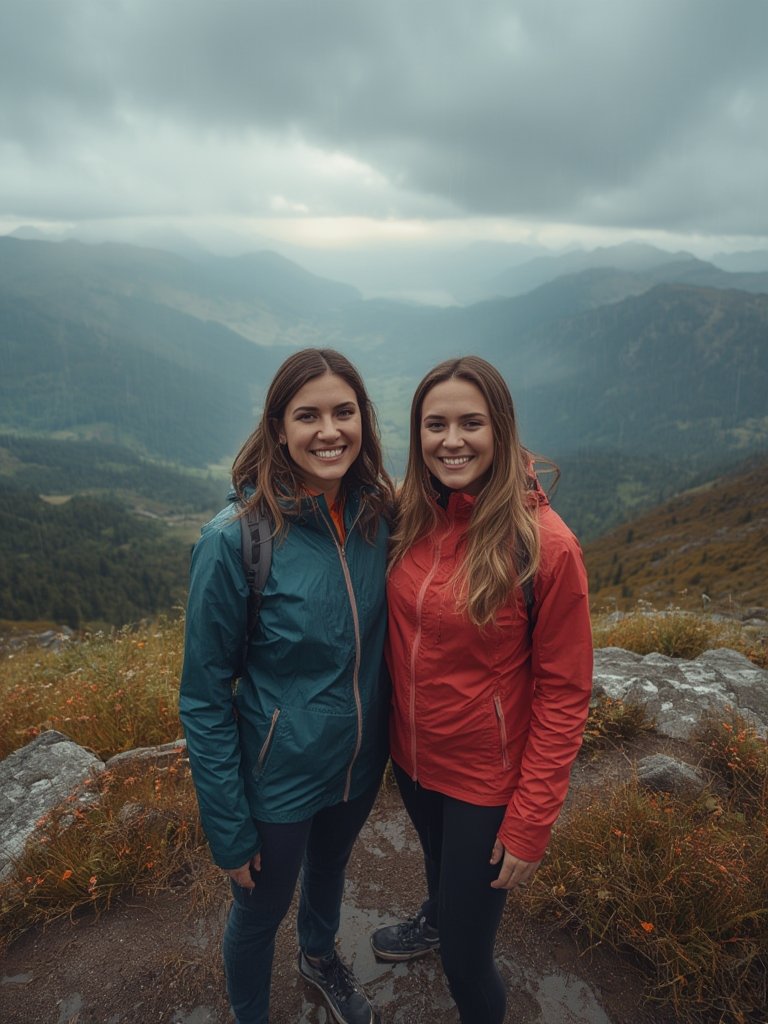
Choosing the best hiking rain jacket women need involves more than just picking a recognizable brand or trusting a waterproof tag. You get the best results by matching hydrostatic head and MVTR specs to your style of hiking, paying close attention to real fit under pack straps, and committing to long-term DWR care. Test before your trip, and beware of the usual pitfalls like poor sizing or misleading “waterproof” claims. Get this right, and you’ll be prepared for almost any trail condition. Ready to upgrade your hiking rain jacket women love and rely on? Start by comparing specs, trying honest field tests, and remember—a well-chosen jacket is the key to all-seasons comfort.
For related gear guides, don’t miss our breakdowns on the best hiking tents for 2 people or merino wool hiking socks for next-level comfort.
FAQ
What’s the minimum waterproof rating I should look for in a women’s hiking rain jacket?
For real-world hiking, look for at least 10,000 mm hydrostatic head (HH). Anything under that may leak under sustained rain or backpack pressure.
What actually causes my rain jacket to “wet out”?
Wetting out happens when the durable water repellent (DWR) finish wears off. The face fabric then soaks up water, killing breathability and causing clamminess—even if the membrane beneath stays technically waterproof.
Why do so many women complain about fit in rain jackets?
Women’s body shapes vary, and many rain jackets run small or have tight shoulders/chest. Always check user reviews and size up if layering or if you have a curvier build.
Can I reproof my hiking rain jacket at home?
Yes. Use a spray-on or wash-in DWR treatment. Always clean the jacket first and follow the product instructions to restore water beading.
Are expensive GORE-TEX jackets worth it for women hikers?
They excel in sustained wet weather and durability, but even premium shells can get clammy if not cared for. For casual hiking, a good 2.5L shell may be enough, but GORE-TEX shines if you hike in rough, wet climates often.
—