
### Blog Post:
Workout mat non-slip options are in high demand for 2024, as home fitness routines require mats that provide both secure traction and real joint support. If you want to avoid slipping, reduce injuries, and make your workouts more comfortable, you need to pick a mat that does more than just look good on paper.
Key Takeaways
- non-slip workout mats with premium grip and eco-friendly materials are leading 2024 market trends, especially for home and hybrid training.
- Main user complaints focus on grip that fails during sweaty sessions, misleading thickness claims, and poor-quality carry straps—so read specs carefully.
- Top-quality non-slip workout mats require attention to material, thickness, and real-world durability, not just marketing language.
- What Is a Non-Slip Workout Mat and Why Does It Matter?
- Step-by-Step: Choosing and Using a Non-Slip Workout Mat
- Advanced Analysis & Common Pitfalls with Non-Slip Mats
- Conclusion
- Frequently Asked Questions
What Is a Non-Slip Workout Mat and Why Does It Matter?
A non-slip workout mat is designed to offer secure, stable footing and hand placement during exercise. The top surface grips your bare hands and feet; the bottom creates friction with the floor, reducing shifting and sliding. This feature is crucial for yoga, Pilates, HIIT, and strength training—where slips can mean lost focus or even injury.
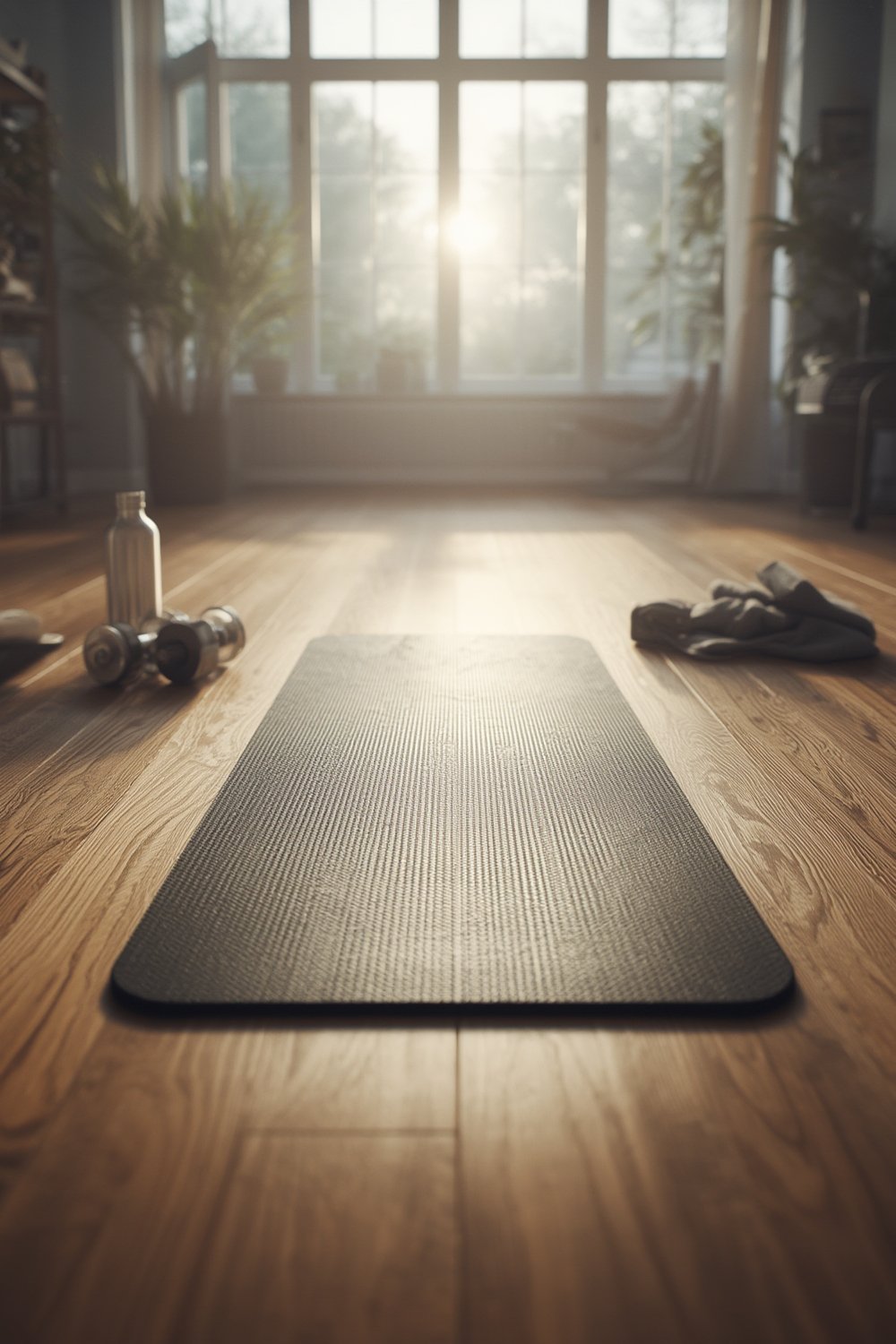
With the global market expected to reach over $10 billion in 2024, the demand for non-slip mats is driven by several factors:
– Home workouts and hybrid fitness require reliable, adaptable mats.
– Sweat and dynamic movement make slip-resistance a true safety issue.
– Shoppers expect eco-friendly, non-toxic, and comfortable designs with solid durability.
Failure in any of these areas (especially grip) is a top complaint in real user reviews, underlining why non-slip mats are so important for effective, injury-free workouts.
Step-by-Step: Choosing and Using a Non-Slip Workout Mat
Follow these steps to choose and get the most out of your next workout mat non-slip pick:
-
Check Mat Thickness and Composition
- Thin/travel mats: 3–4 mm
- Standard use: 4–6 mm
- Thick/cushioned: 8–15 mm+
Material matters—look for TPE, natural rubber, or cork for grip and eco-friendliness. PVC is less expensive, but often slippery and prone to off-gassing.
-
Investigate Real Anti-Slip Performance
- Seek clear claims about grip on both top and bottom surfaces.
- Read reviews for feedback on performance during HIIT, hot yoga, or on smooth floors. Ignore mats that describe themselves only as “double-sided anti-slip” with no user evidence or traction testing.
-
Prioritize Material Safety & Certification
- Non-toxic, latex-free, phthalate-free claims are important if you have allergies or want an eco-conscious option.
- Check product descriptions for certifications, even if not industry-standard.
-
Balance Cushioning and Stability
- More thickness gives more comfort for knees and joints, but can reduce your balance for standing poses or dynamic work—don’t just go by mm count alone.
- If unsure, browse our exercise mat guide for actionable thickness tips.
-
Asses Portability Needs
- If you plan to carry your mat to a studio or park, check the weight and carry strap quality.
- A bad strap can be worse than none—wraps may stretch or break, especially with thicker mats. Many users recommend a simple, separate mat sling or bag if portability is critical.
-
Maintain and Clean Your Mat
- Follow the manufacturer’s instructions for cleaning—many higher-end mats include antibacterial coatings or recommend gentle, non-oil-based cleaners for lasting grip.
- When not in use, roll up and store in a cool, dry spot to prevent warping or compression dents.
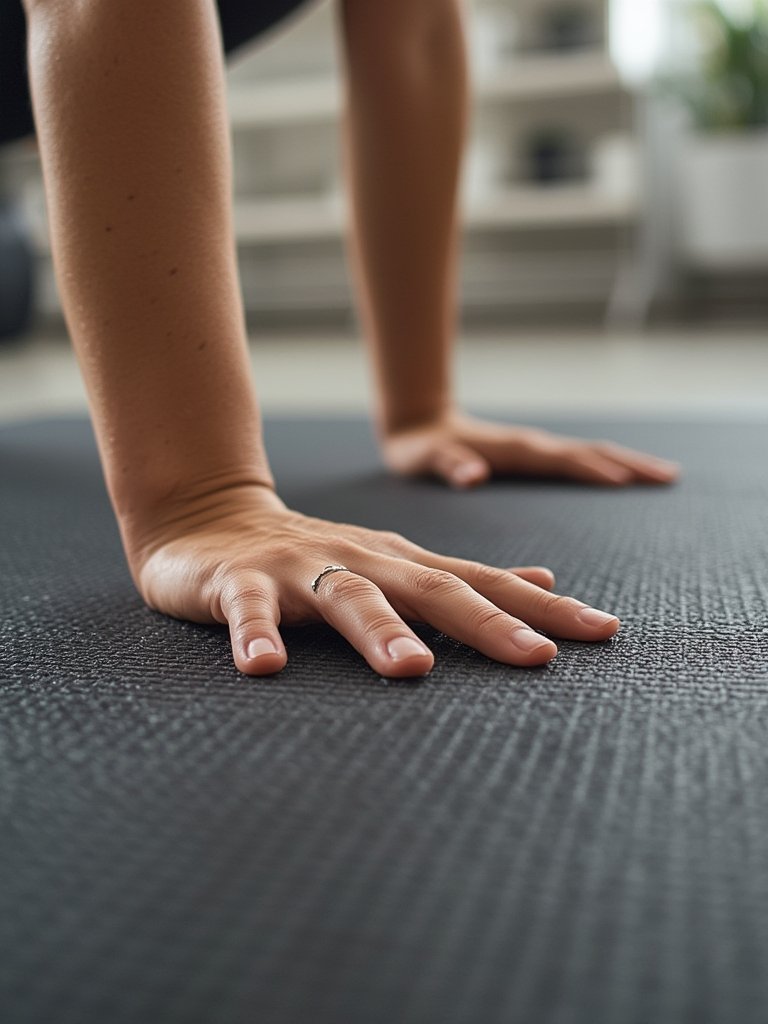
Want to see how a top mat improves full-body training? Compare mat picks and workout ideas in our resistance band workout guide or get tips for pairing your mat with core sliders for even more effective ab routines.
Advanced Analysis & Common Pitfalls with Non-Slip Mats
Even with higher prices and advanced materials, the most frequent complaints in reviews focus on three tough realities:
- 1. Anti-Slip Failure: Many mats claim dual-side grip, but users report sliding on hardwood or tile, especially when sweaty. Some “anti-slip” claims refer only to the top, not the floor-contact side.
- 2. Thickness That Backfires: Comfort and cushioning are often over-promised. Thick mats (>10mm) are great for joints in Pilates, but users often find them squishy and unstable for yoga balances or dynamic movement.
- 3. Portability and Strap Problems: Carry straps are often an afterthought. Cheap straps stretch or snap. For travel, a truly lightweight mat matters more than just having a strap.
- 4. Odor and Off-Gassing: Lower-end PVC and foam mats frequently have chemical smells at unboxing. This can take weeks to fade—or not at all.
- 5. Mat Flattens Out: Cheaper cushioned mats quickly lose their rebound. Compression dents where hands and feet press are a major source of review complaints.
For buyers who want all the technical details, here’s a quick look at how the main features and drawbacks compare across mat types:
| Mat Type | Slip Resistance | Cushioning | Portability | Common Complaints |
|---|---|---|---|---|
| Natural rubber or cork | Excellent (even wet) | Moderate | Medium weight, often heavier | Odor, weight, price |
| High-density TPE | Very good | Good (wide range) | Light to medium | Thickness honesty, edge wear |
| Low-cost PVC/foam | Weak, especially wet | Very soft (may flatten) | Very light | Slips, odor, compresses fast |
Another real-world problem rarely covered on competitor sites is how maintenance and storage affect real-life lifespan. A high-quality non-slip mat used moderately can last for several years, but those exposed to frequent hot yoga or daily HIIT may lose grip and rebound much sooner.
To extend mat life and get the most value, avoid exposing your mat to direct sunlight (this degrades material and grip quickly) and try to clean sweat or oils promptly after use.
You can enhance mat durability as part of a home gym plan using rugged accessories and storage ideas from our best power rack guide.
Conclusion
The search for the right workout mat non-slip is now more technical and personal than ever. Don’t trust generic descriptions alone. Look for real user reviews that mention slip-resistance under stress, confirm the pros and cons of mat thickness, and detail actual longevity. Consider investing in high-quality rubber or TPE mats if your routine is sweat-heavy or joint-demanding. For home and travel use, weigh the carry-strap system—but don’t treat it as a deciding factor unless you really need it.
Ready to upgrade your workout comfort and safety? Review the specs first, test the grip if possible, and explore pairing your mat with versatile home gym gear like bumper plates or situp bars for abs. Your fitness results—and your joints—will thank you every session. Find your best fit now and leave the slipping behind!
Frequently Asked Questions
How do I pick the ideal thickness for my non-slip workout mat?
Choose 4–6 mm if you want a balance of cushioning and stability for yoga or full-body training. For Pilates or floor-heavy routines, try 8–15 mm for more comfort, but accept decreased stability in standing moves. For travel, use 3–4 mm mats—they’re lighter but less cushioned.
What’s the best way to prevent slipping on hardwood floors?
Pick a mat with a textured, high-friction bottom made from natural rubber or upgraded TPE. Avoid low-cost PVC or foam. For extra grip, wipe the floor and mat bottom before use, and try placing a thin towel or rug pad underneath if sliding persists.
How often should I replace a high-quality workout mat?
With light home use, expect 2–4 years. For frequent hot yoga, HIIT, or daily use, grip can decline in 12–18 months. Replace your mat when you notice uneven compression, surface cracks, or a persistent slip problem.
Are eco-friendly non-slip mats as durable as traditional PVC mats?
Yes, if you choose reputable brands using natural rubber, cork, or high-density TPE. Many eco-friendly mats now match or outlast PVC options in both grip and cushion, though they may cost more up front.
Do smart features (like Bluetooth or sensors) add real value to non-slip mats?
For most users, no. These features are a nice-to-have and rarely affect grip or comfort. Focus more on the basics—slip-resistance, density, and material composition—unless you specifically want digital workout feedback.
—
Downloading the app was a breeze and it runs flawlessly even on older phones. I love the daily challenges and the reward system keeps things fresh so you never get bored. It is refreshing to see a mobile gaming platform that actually respects player time and performance. winzoappdownload
[…] Layering is often overlooked, but using a sustainable hiking gear base layer or a supportive non-slip mat for camp can make the overall experience more […]