

### Blog Post:
Color drenching technique is transforming interior design by wrapping entire rooms in a single, immersive color. If you want your living space to feel seamless, dramatically unified, and instantly fashionable, this simple but bold trend can be both a game changer and a design challenge.
Key Takeaways
- The color drenching technique saturates every surface (walls, trim, ceilings, and more) in one core shade or tonal family for a cohesive, modern look.
- While it delivers powerful mood and designer-style unity, color drenching requires careful color selection, finish matching, and durability planning.
- Emerging trends (like double drenching and material drenching) offer even more creative ways to play with this visually immersive, on-the-rise design approach.
- The Core Concept: What Is Color Drenching Technique?
- Step-by-Step Guide: How to Use Color Drenching Technique Like a Pro
- Advanced Analysis & Common Pitfalls
- Conclusion
- FAQ
The Core Concept: What Is Color Drenching Technique?
Color drenching means saturating an entire room or space in a single paint color—or a tightly related palette variation—across every surface. That includes walls, ceilings, woodwork, trim, radiators, doors, even built-in bookcases or cabinetry. The result: a visually unified backdrop without jarring transitions or strong breaks in color.
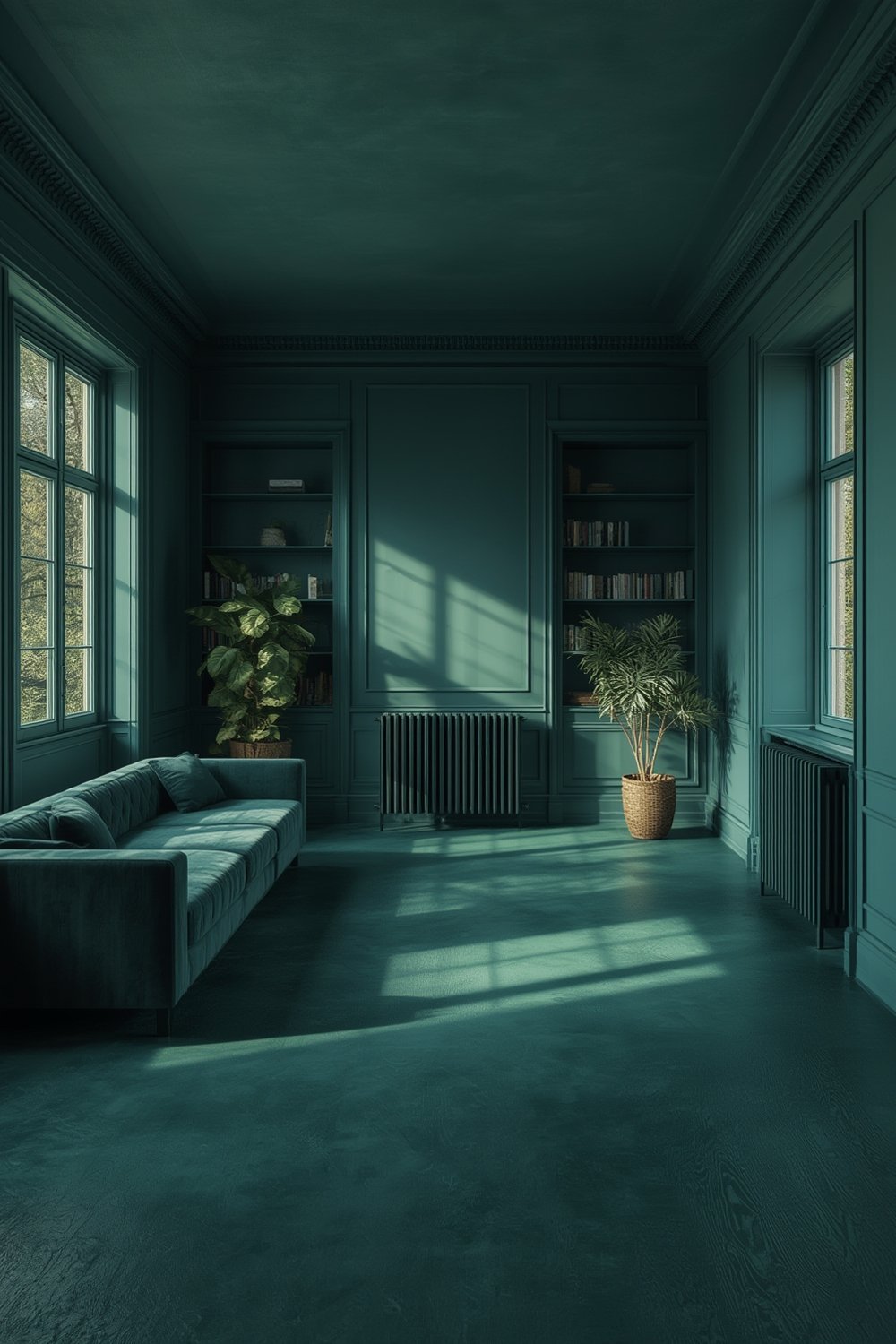
This technique boomed in 2023 and remains a top designer move for 2024 and beyond. Why? It does three things at once:
- Blurs lines between features, tricking the eye into seeing a space as larger or more restful.
- Directs focus to architectural details—or to statement furniture and wall art.
- Lets you “set the mood” instantly, whether you want cozy, cocooning blues or energetic, dopamine-bright yellows.
Color drenching has evolved fast. The most cutting edge projects now feature:
- Pattern drenching: repeating one color through stripes, shapes, or geometric patterns for added dimension.
- Material drenching: saturating a space using wood, stone, or textile finishes in a dominant tone for sensory depth (see the material drenching trend).
- Double drenching: pairing two related hues with varied intensity or undertone for subtle complexity (explore double drenching inspiration).
Looking to take your interior to the next level? The color drenching technique delivers immersive drama, but only if you plan it right from the start.
Step-by-Step Guide: How to Use Color Drenching Technique Like a Pro
The key to getting color drenching right isn’t just picking your favorite paint. Here’s how designers break the process down (and how you can too—no matter your level of experience):
-
Choose the Perfect Color (and Finish)
Pick a color that matches your psychological goals: blues for calm, forest green for grounding, pinks and reds for energy. Lighter shades expand small rooms, while bold darks create drama and coziness. For the finish, stick to one sheen (like matte or eggshell) across all surfaces—or combine matte on walls with satin on trims for subtle variance.
-
Prep Every Surface
Thorough prep is essential. Clean, sand, and prime all surfaces, including ceilings, trims, built-ins, doors, and even radiators. Any difference in texture or leftover gloss will betray the “one color everywhere” effect.
-
Paint in the Right Order
Designers generally paint ceilings first, then trim and moldings, finishing with the main wall areas. For built-ins, unscrew hardware and paint shelves separately if possible. Always “cut in” paint at corners and borders before rolling broad areas.
-
Carry the Color, Strategically
For authentic color drenching, apply your core shade to:
- Walls and trim
- Ceilings (yes, even this!)
- Doors and radiators
- Cabinetry and built-in shelving
- Window frames and sills
If you’re opting for material or double drenching, maintain tonal harmony—use different materials or undertones in the same color family.
-
Troubleshoot and Fine Tune
Inspect for pooling, streaks, or visible brush marks in gloss/semigloss paints. Add extra coats where needed for total saturation. Don’t be afraid to repaint baseboards or trim if natural light reveals a mismatch in hue or finish.
-
Style with Layered Texture
Once dry, add monochrome or subtle-contrast furnishings and textiles. Texture is your friend—think a velvet navy sofa in a navy drench, or stoneware in a clay-pink drench. Minimal contrast with pillows, throws, and art will prevent “flatness.”
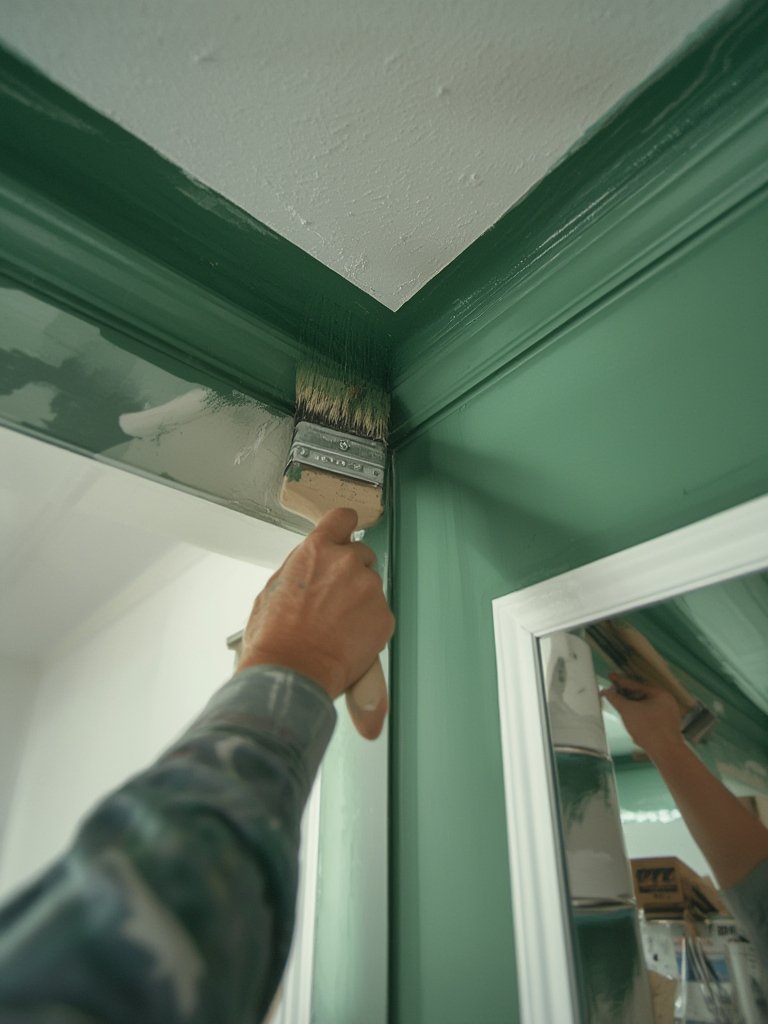
Want to explore more interior painting secrets? Check out this expert guide to durable house painting for advanced prep and product tips.
Thinking beyond the living room? Discover your complete guide to successful bathroom and kitchen remodels to integrate color drenching in renovation projects.
For inspiration on matching color drenching with on-trend décor, see trendy decor ideas for every season.
Advanced Analysis & Common Pitfalls
While color drenching can be transformative, it’s not always smooth sailing. Here’s a transparent look at the challenges and what research tells us (and doesn’t):
- Color Overwhelm: Some find all-over saturation “claustrophobic,” especially with dark or intense hues. Without balanced lighting, rooms can feel heavy or oppressive.
- Paint Matching Failures: Using different paint batches, finishes, or brands can lead to subtle mismatches under varied lighting—breaking the seamless illusion.
- Maintenance Issues: High-traffic zones (door frames, baseboards, radiators) show wear faster. Touch-ups are easier if you keep surplus paint and note exact formulas.
- Resale and Personalization: Saturated spaces may turn off future buyers or renters who prefer neutral palettes—think carefully if resale is soon.
- Lack of Long-Term Data: There’s no current peer-reviewed data on the psychological impacts, paint longevity, or long-term user satisfaction with color drenching (source).
| Color Drenching Technique | Traditional Multicolor Schemes |
|---|---|
|
– Seamless, unified backdrop – Visually expands/contains space – Demands near-perfect prep and finish – Wear/repairs affect entire room’s look |
– Visual variety – Easier to update one area – Contrast defines features and spaces – Easier touch-ups (but more cuts to paint) |
Note: No robust cost data or paint longevity figures are available in public studies. Most expert opinions, like those in this LA Times piece on material drenching, focus on aesthetics and mood rather than quantifiable durability or ROI.
For more on painting approaches and potential mistakes to avoid, review our tips in Unlocking the Secrets of Interior House Painting. And if you’re planning a full home transformation, learn how to find the right pros for outdoor spaces as well.
Conclusion
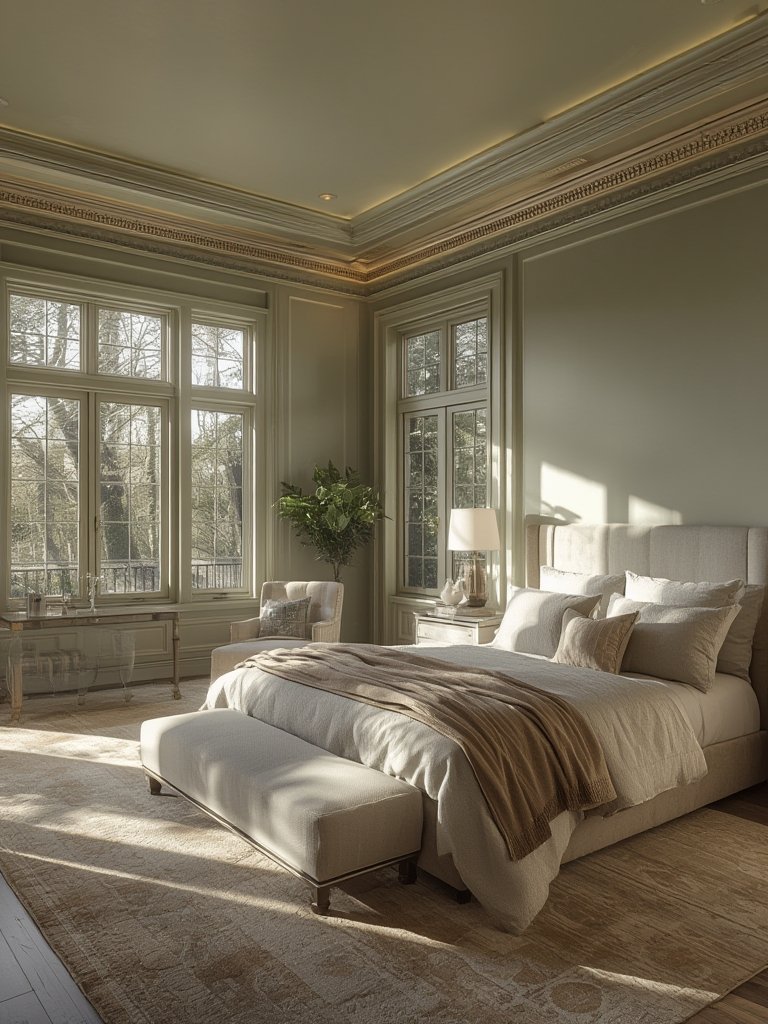
The color drenching technique is a high-impact way to unify your space and showcase both personality and design confidence. While bold, it’s flexible: you can experiment with double drenching, material drenching, or patterned takes to fit your comfort zone. Just be realistic about your prep, your chosen color’s emotional vibe, and future maintenance. Start small—or embrace full commitment for maximum effect. Ready to go further with the color drenching technique in your home? Choose your rooms, sample your paint, and transform your environment—one stunningly cohesive space at a time.
For other ways to boost style, see our guides on remodeling kitchens and bathrooms or seasonal decor upgrades today!
FAQ
Does color drenching work in small rooms?
Yes. Drenching a small room in a pale shade opens it up, while using deep tones creates a cozy cocoon effect. For tiny spaces, lighter or mid-tone colors can make the room feel more expansive and tranquil.
Can I color drench with wallpaper or materials, not just paint?
Absolutely. Material drenching—using wood, plaster, stone, or even patterned wallpaper in one dominant tone—is trending for 2025. This approach brings tactile dimension and warmth to monochromatic designs (see more).
How do I avoid making my room feel flat or boring?
Balance monochrome color with texture and subtle pattern. Layer in velvet pillows, wool rugs, metallic decor, or tone-on-tone art for interest. You’ll keep cohesion while avoiding a bland or lifeless look.
Is it hard to repaint or undo color drenching later?
Reversing a color drenched room involves priming and repainting every surface. Plan to invest extra time—and several coats—if switching to lighter or neutral hues in the future.
What rooms are best for trying the color drenching technique?
Entryways, powder rooms, bedrooms, and home offices are often the easiest spaces to try this trend. They’re contained, get varied lighting, and let you experiment with mood-setting effects before updating larger areas.