
### Blog Post:
hiking socks merino wool are now considered the go-to for serious hikers, backpackers, and outdoor enthusiasts who want maximum comfort, blister protection, and thermal versatility on the trail. But are they the best choice for every trek, and what do you really need to watch out for before upgrading your hiking sock drawer? This honest, research-driven guide will help you pick the right pair and avoid the most common mistakes—whether you’re prepping for a short hike or a months-long adventure.
Key Takeaways
- Merino wool hiking socks outperform synthetics and cotton for thermal regulation, odor resistance, and blister prevention, but only if the blend, fit, and cushion are right.
- Even premium merino wool socks have pain points: inconsistent durability, high cost per pair, and potential moisture buildup in hot or wet conditions.
- Typical real-world lifespan is 500–1,000 miles per pair; blend (50–70% merino, 25–40% nylon, 2–4% elastane), construction, and care make all the difference.
- What Makes Merino Wool Hiking Socks Essential?
- Step-by-Step Guide: Choosing and Using Merino Wool Hiking Socks
- Advanced Analysis & Common Pitfalls With Merino Wool Hiking Socks
- Conclusion
- FAQ
What Makes Merino Wool Hiking Socks Essential?
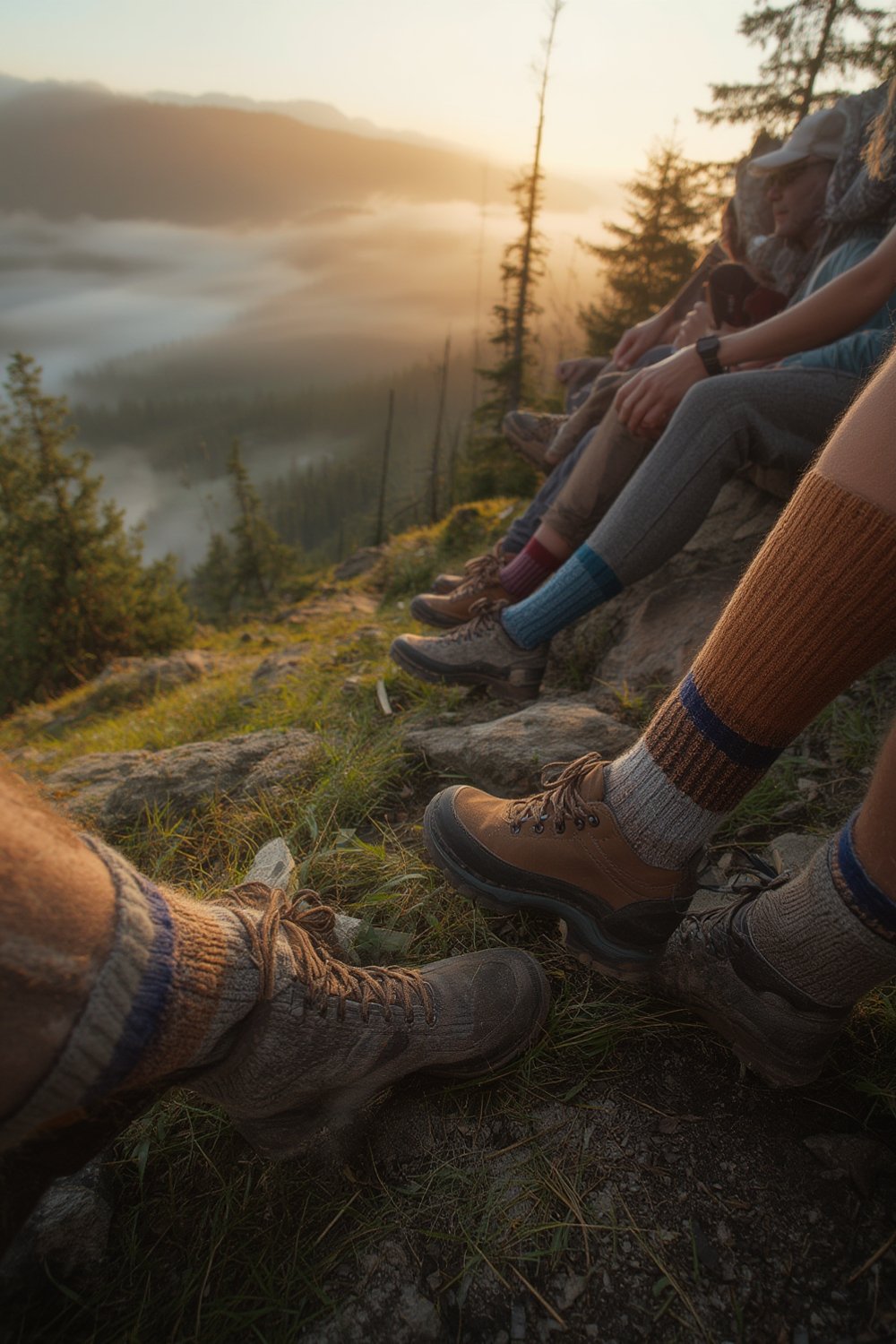
Merino wool hiking socks have earned their reputation among hikers, ultralight backpackers, and outdoor pros for two reasons: their unique performance in temperature regulation and their ability to prevent blisters over multi-day treks. Unlike cotton or basic synthetics, quality merino blends balance softness, odor resistance, and climate control, keeping feet drier and more comfortable in a wide range of weather. For anyone tackling variable conditions—from hot summer trails to alpine summits—getting the right hiking sock is about more than comfort. It’s about avoiding trip-ending issues like blisters and cold feet, and maximizing your investment for both short and long hikes (see Cloudline: Merino Wool Socks — Essential for Hikers).
Step-by-Step Guide: Choosing and Using Merino Wool Hiking Socks
Select the Right Merino Content and Blend
For overall performance, look for hiking socks with 50–70% merino wool, 25–40% nylon, and 2–4% elastane. This formula provides the best mix of comfort, odor resistance, breathability, and durability. Too much merino (over 75%) feels great but can wear out fast. Too little merino and you lose the very benefits you’re paying for.
Match Cushioning to Your Trek and Footwear
Midweight or full-cushion merino socks are best for long treks and backpacking with loaded packs, as they reduce fatigue and absorb shock. Lightweight socks work for trail running or hot-weather day hikes. Always try socks on with your boots or shoes—thicker socks may require slightly larger footwear to avoid toe compression and bunching.
Choose Construction Details That Matter
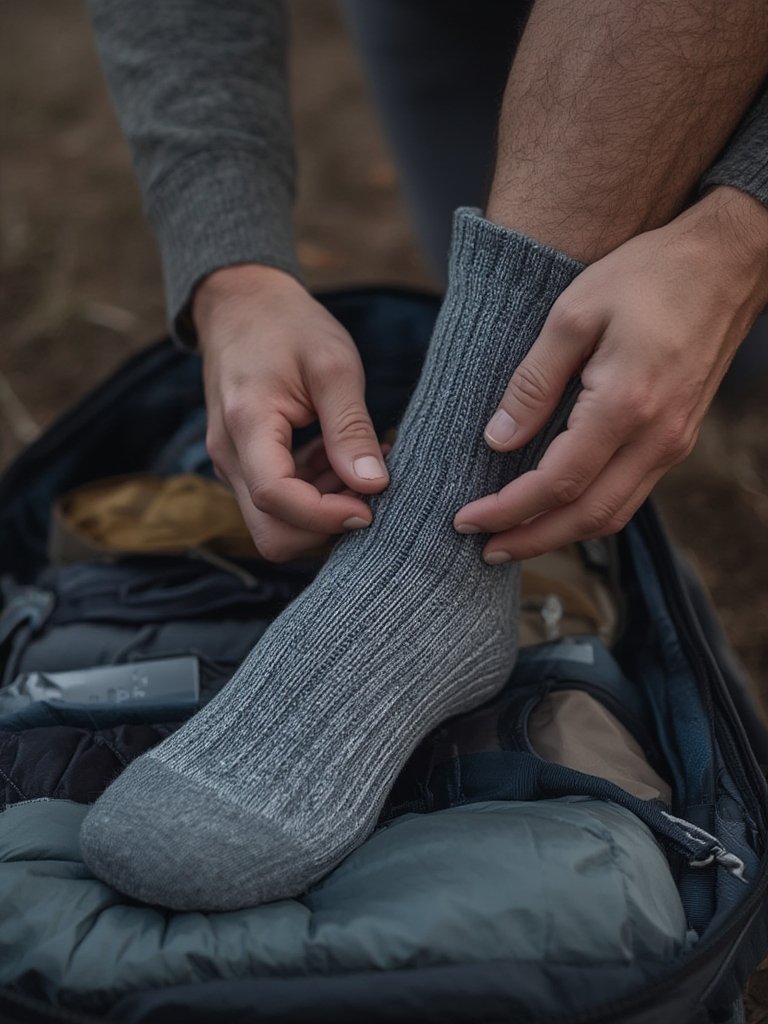
Look for seamless or flat toe closures (to prevent toe friction), elastic arch support, and Y-shaped heels. These features are proven to reduce slipping and bunching—which leads to hot spots and blisters. Make sure the cuff is snug but not restrictive so your socks stay up without cutting off circulation.
Understand Pricing—and What You Actually Get
High-quality merino hiking socks cost $20-30+ per pair because of the material cost (merino costs 3–5× more than cotton) and premium construction (reinforcement zones, seamless toes, advanced knits, lifetime durability warranties). Budget packs may be $15 per pair or less, but will lack true hiking durability and anti-blister tech (see Women’s Hiking Boots: Improve Comfort for how sock quality affects boot comfort).
- Darn Tough Midweight Hiker: $25–28, lifetime warranty.
- Smartwool Classic Mountaineer: $27–30, thick full-cushion.
- REI Co-op Lightweight Merino: $19–22, good value starter.
Care, Washing, and Lifespan
Well-made merino blend socks (especially from brands like Darn Tough) last 500–1,000+ trail miles with proper care. Wash cold, air dry, and avoid harsh detergents or high heat. Rotating several pairs and wearing for trail only extends life into the 1,500-2,000 mile range for some hikers. (Compare this to synthetics: 300–500 miles. Cotton: only 50–100 miles.)
For more on hiking kit longevity, see Sustainable Hiking Gear: Build a Proven Kit and How Long Do Hiking Socks Last?.
Advanced Analysis & Common Pitfalls With Merino Wool Hiking Socks
Known Downsides and User Pain Points
- Moisture Buildup in Hot Weather: Merino socks can trap some moisture during long, sweaty hikes. Some users report socks feeling clammy or warm, especially in high-heat or full-sun conditions. Synthetics dry faster, but rarely match merino’s odor resistance or insulation.
- Durability Isn’t Universal: There are big differences by brand. Many hikers report Smartwool or REI socks develop holes after a few months of regular use, while Darn Tough often lasts for years. Pure merino socks almost always wear out faster than reinforced blends.
- Fit & Sagging: Too little elastane or poor knit design causes sagging, bunching, and increased blister risk. Buy socks with elastic arch support and try before your trip.
- Cost: Merino hiking socks are expensive, especially for multi-day treks where you may need several pairs. Budget options exist but aren’t usually as durable or supportive.
- Not All Blisters Prevented: Even the best hiking socks can’t save you from poor fit or wrong shoe-sock combo. Real-world trail tests found some merino socks still caused blisters—especially if damp, too thick, or loose fitting.
When deciding between merino and synthetics, consider the environment and your sweat rate. For ultra-wet conditions, use socks with higher synthetic content and focus on rapid drying. In freezing or variable climates, merino’s insulating power is unmatched.
Material Comparison Table (Performance, Durability, Comfort)
| Sock Type | Thermal Regulation (Wet+Dry) | Moisture-Wicking | Blister Prevention | Avg Lifespan (Miles) | Odor Control |
|---|---|---|---|---|---|
| Merino Wool Blend | Excellent (retains warmth when wet, cools in heat) | Very Good (absorbs, then releases vapor) | Best (if fit is snug, cushion is right) | 500–1,000+ | Excellent |
| Synthetic (Poly/Nylon) | Moderate (loses insulation when wet) | Excellent (dries fastest) | Good (if properly cushioned & fitted) | 300–500 | Fair–Poor |
| Cotton | Poor (cold when wet, overheats when warm) | Poor (stays wet, high friction) | Worst (highest blister risk) | 50–100 | Very Poor |
Learn more from the latest market research on merino wool hiking socks and sock lifespan studies.
Hidden Factors Most Guides Miss
- Blend Breakdown for Each Trek: Not all treks need the same blend. For thru-hikes (large miles, heavy packs), aim for 60–65% merino, 30–35% nylon, 2–3% elastane. For short, hot hikes, try 50% merino + synthetics for faster drying.
- Micron Count: Finer merino is softer but may wear out slightly faster if not blended and reinforced properly. It’s often missing from retail sock descriptions—research before buying.
- Care & Storage: Dry socks flat, avoid machine drying, turn inside out to preserve cushioning. Even the most expensive socks wear faster with poor care.
Conclusion
For comfort, odor control, and blister prevention, merino wool hiking socks are hard to beat—especially in blended, reinforced designs. However, poor fit, too much or too little merino content, and improper use can negate their benefits. Always adjust your choice based on trek length, climate, and your personal sweat rate. Replace pairs at the first sign of thinning or loss of stretch for safety. If you want a proven performance upgrade for your outdoor kit, now is the time to try hiking socks merino wool—just be smart about blend, care, and expectations. Ready to step up your trail comfort? Check out our women’s hiking boots tips, lightweight hiking backpack guide, and choosing a GPS watch to complete your kit.
FAQ
How long do merino wool hiking socks typically last?
With proper care, quality merino blend hiking socks last 500–1,000 miles for most users. Weekend hikers can expect several years per pair if rotated, while heavy daily use (thru-hiking) wears them out faster. Brands like Darn Tough may last even longer with their warranty replacements.
What’s the ideal merino wool percentage for hiking socks?
The sweet spot is 50–70% merino wool, 25–40% nylon for durability, and 2–4% elastane for shape retention. More merino means more comfort, but riskier durability. Less than 40% merino, and you lose odor and climate benefits.
Are merino hiking socks worth the higher price?
If you’re hiking regularly or value blister prevention and dry comfort on long treks, the answer is yes. The cost reflects premium materials, durability guarantees, and superior trail performance. For casual wear, a less expensive sock might suffice.
Do merino wool socks keep your feet dry during summer hikes?
Merino excels at absorbing and releasing moisture vapor, keeping your feet comfortable in many conditions. In very hot, sweaty climates, some users report merino socks can feel too warm or slightly clammy—so blend and fit matter, and quick drying is faster with more synthetic content in the mix.
Can you dry merino wool socks in a dryer?
It’s best to air dry merino socks to prevent shrinking and extend their life. Occasional low-heat tumble drying is possible for some blends, but always follow the specific care instructions on the sock label.
—
[…] to upgrade your gear list further? Pair your trekking poles with hiking socks merino wool for blisters prevention, or consult our gym gloves weightlifting guide for improved grip […]
[…] Check out our detailed hiking tent 2 person guide for planning overnighters, or see our blister-fighting sock tips to pair with your first aid […]
[…] picking socks, opt for merino wool blends for blister prevention and comfort—see our hiking socks merino wool guide for more […]
[…] into gear preservation and long-term trail comfort, you might want to explore our comprehensive hiking socks merino wool and hiking tent 2 person guides, proven to prevent avoidable frustration and […]