
Yoga blocks cork have rapidly become the favorite sustainable choice for yoga practitioners who want grip, stability, and eco-friendly gear that performs. But is cork really the best option, and what should you know before choosing a block? This guide gives you the real-world facts—no greenwashing, just the actionable details you need.
Key Takeaways
- Cork yoga blocks offer unmatched sustainability and firm support, but are heavier and pricier than foam alternatives.
- Market data shows cork blocks rapidly gaining share in the premium and eco-friendly segments, with a 7.5% annual growth rate projected through 2034.
- To ensure blocks are truly non-toxic and sustainable, prioritize recognized certifications like FSC or PEFC for cork, and look for real-life-cycle transparency from brands.
- 1. The Core Concept: Why Cork Yoga Blocks?
- 2. Step-by-Step Guide: How to Choose and Use Cork Yoga Blocks
- 3. Advanced Analysis & Common Pitfalls
- 4. Conclusion
- 5. FAQ
The Core Concept: Why Cork Yoga Blocks?
Cork yoga blocks are designed to promote stability in your practice, providing a natural, grippy surface and durable support for standing poses, backbends, and restorative work. Unlike standard foam blocks, which dominate the mass market, cork stands out for its eco-friendly harvesting—each block is made from the bark of cork oak trees, which regrow between harvests without damaging the forest. This makes cork blocks the gold standard for practitioners focused on environment and long-term durability.
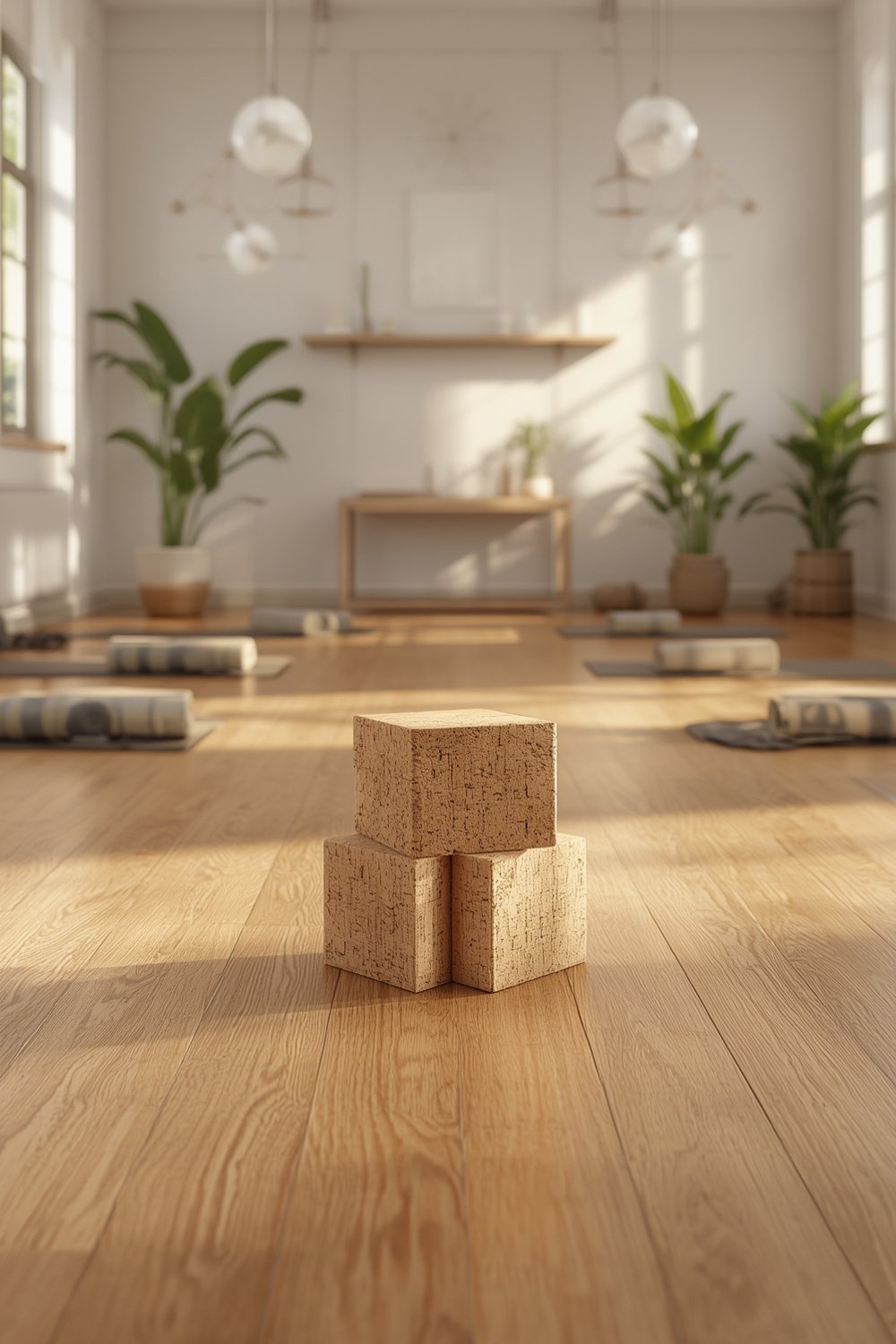
According to the 2024 global yoga block market report, cork now claims over 31% of the worldwide block market and is the fastest-growing sustainable segment by far. Practitioners are choosing it not just for the environmental story but for real performance: cork’s texture resists slipping even when hands are sweaty, and its firmness gives lasting support compared to spongier or easily-deformed foam. Leading studios and experienced yogis increasingly recommend cork for these exact reasons.
Cork blocks also align with key personal and home yoga trends. Most buyers of sustainable yoga props—according to market research—practice at home or in boutique studios, value premium feel, and are often willing to pay more for ethical manufacturing. But cork isn’t perfect: it’s heavier than foam and offered in limited colors or graphic patterns. We’ll walk through exactly how to decide if it’s the right fit for you, how to spot a truly sustainable block, and realistic tips to get the most from your gear.
Step-by-Step Guide: How to Choose and Use Cork Yoga Blocks
- Check for True Certifications: Always look for legitimate eco-labels like FSC or PEFC on cork yoga blocks. If it’s not clearly marked, ask the brand for certificate details. Genuine certifications mean better forest management and lower chemical risk.
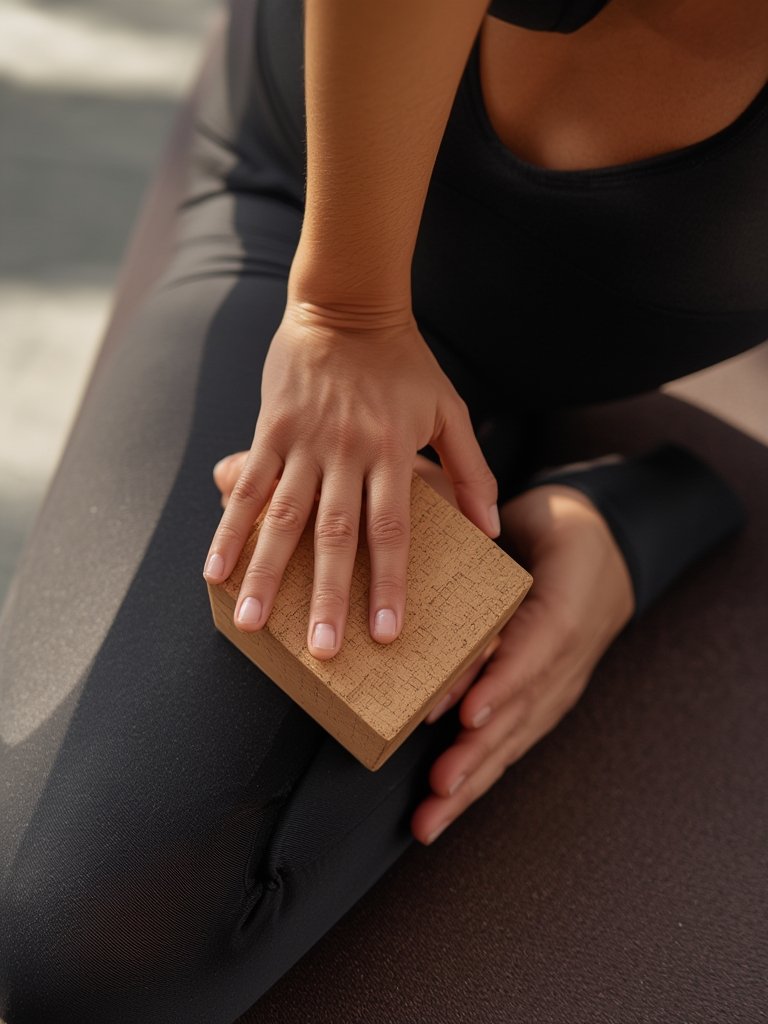
- Assess Weight and Feel: Pick up the block before buying if possible—cork blocks typically weigh 1.2-2.3 pounds. Their density provides stability, but if you travel or carry multiple props, consider whether the extra weight is practical.
- Inspect Texture and Edges: Check for smooth finishing and minimal chipping on corners. High-quality blocks use fine grain cork and rounded edges, which improves comfort and longevity.
- Compare Price Ranges: Quality cork blocks usually cost $40-80 each—higher than foam, but meant to last five to seven years under normal use.
- Use Proper Techniques in Practice: Begin with support in standing poses (like Triangle or Half Moon), gradually exploring backbends or seated work. Place the cork block close to body weight lines for maximum support and stability.
- Wipe your cork blocks after practice with a damp cloth and mild soap. Avoid full soaking—cork resists water but can degrade if repeatedly saturated.
- Reassess Over Time: Monitor for chipped edges or excessive surface wear after several years—if they’re still structurally sound, you can continue using; otherwise, seek recycling options or compost (if 100% natural cork).
- Prioritize End-of-Life Management: Choose brands that offer take-back or recycling programs for used props. This is still rare, but leading companies (especially in Europe and North America) are starting to address it.
If you’re building a home yoga setup, you can pair your cork block with other eco accessories. For a holistic and sustainable fitness space, see our detailed guide on yoga mat eco-friendly options.
Meanwhile, for strength training tools that complement yoga (like resistance bands or bumper plates), check out our other reviews for the best in sustainable and functional gear.
Advanced Analysis & Common Pitfalls
Not every cork yoga block (or competitor) is created equal. Here’s a breakdown of realistic drawbacks for cork, natural rubber, and high-density foam blocks, plus how to avoid expensive mistakes:
| Material | Key Advantages | Drawbacks | Typical Lifespan | Sustainability Notes |
|---|---|---|---|---|
| Cork | Non-slip, stable, eco-friendly, visually appealing | Heavier, pricier, occasional rough texture, limited color variety, may chip with heavy use | 5-7 years | FSC or PEFC ideal, biodegradable |
| High-Density Foam | Lightweight, budget-friendly, wide color options | Less stable, can slip when wet, dents/compresses, may shed microplastics | 2-5 years | Usually non-biodegradable, lower sustainability |
| Natural Rubber | Best grip (especially when wet), stable, premium feel | Heaviest, notable odor, latex allergies possible, high price, UV-sensitive | 4-7 years | Depends on plantation practices; Fair Trade or sustainable latex best |
| Travel/Hybrid Foam | Ultra-lightweight, compact | Least durable, less support, sometimes poor grip | 1-3 years | Usually synthetic, rarely eco-certified |
Common problems users experience with cork blocks:
- Chipping and Surface Wear: Edges may chip, especially from repeated drops or impact in studio settings. If durability is a top concern, try to select models with denser cork and rounded corners.
- Uncomfortable Texture for Restorative Yoga: Cork’s firmness and rougher surface can be less comfortable for poses involving direct bone contact or long passive holds. In this case, consider layering with a soft towel, or alternating with a high-density foam block for these postures.
- Price Shock: Sticker price is typically higher. Remember, the cost is balanced by longer replacement intervals, especially when compared to low-grade foam blocks that flatten or degrade after a year or two of use.
- Travel Headache: Heavier blocks are inconvenient for mobile yogis. If you practice on the go, look for lighter foam alternatives for travel sessions, using your cork blocks as home or studio mainstays.
If you’re concerned about full sustainability, don’t stop at the “natural” label. Push for details on life-cycle and supply chain—many eco yoga props fail to address the full story: end-of-life options, labor practices, and real embedded carbon impact. Reference the latest research report for industry-wide sustainability standards and compare against your chosen brand.
For guidance on how to complement your props for full-body workouts, check out our expert tips in the HOTWAVE Push Up Board review or explore foam roller recovery tips for post-yoga recovery.
Conclusion
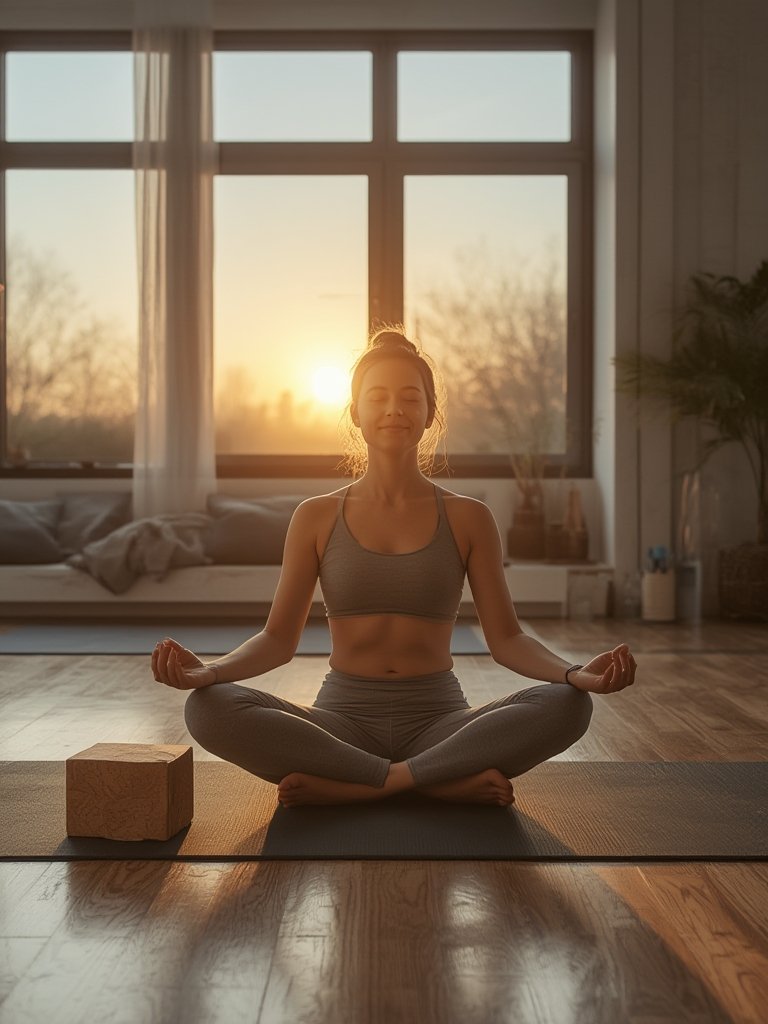
Cork yoga blocks represent the leading edge in sustainable yoga equipment—balancing exceptional support, natural grip, and minimal environmental impact. Still, be realistic about potential downsides: a heavier block, a firmer feel that some people may find abrasive, and a higher up-front cost. If you demand both eco credentials and real performance, choose yoga blocks cork with trusted certifications and take care to prolong their lifespan. Ready to upgrade your practice? Pick a cork block you trust, use it well, and care for it consciously to make your yoga routine—and the planet—better, one pose at a time.
Explore more possible upgrades by reviewing our best exercise mats or discover the most effective pull up bar tips here.
FAQ
Are cork yoga blocks better than foam?
Cork blocks offer firmer, more stable support and better sustainability, but are heavier and more expensive than foam. Foam is lighter and softer, but tends to wear faster and can slip when wet.
How long does a cork yoga block last?
With normal use, a quality cork yoga block should last 5 to 7 years before edge wear or chipping becomes an issue.
Can I recycle or compost a cork yoga block?
If the block is 100% natural cork (no synthetic binders or coatings), it can usually be composted or recycled—check with your local facilities and brand guidelines.
How do I clean a cork yoga block?
Wipe with a damp cloth and mild soap after each use. Avoid soaking in water, as repeated saturation can degrade the cork over time.
What certifications should I look for in sustainable yoga blocks?
Look for certifications such as FSC or PEFC for cork, or labels verifying the block is PVC-free and free of harmful chemicals. Brands with genuine sustainability will be transparent about sourcing and testing.