
### Blog Post:
Gym gloves weightlifting is a must for anyone serious about maximizing lifts while protecting their hands. If you want callus protection, better grip, and fewer hand injuries, it pays to know how to pick and use these gloves—plus what pitfalls to avoid.
Key Takeaways
- The lifting gloves market is rapidly growing, with weightlifting gloves dominating sales and demand in 2024.
- Common problems include poor fit, slippery grip during sweating, and fast wear—design and construction details matter more than flashy extras.
- Smart selection of gym gloves boosts performance, comfort, and durability, but the wrong choice can actually hurt your workouts.
- What Are Gym Gloves For Weightlifting & Why Do They Matter?
- Step-by-Step Guide: How to Choose & Use Gym Gloves Weightlifting
- Advanced Analysis & Common Pitfalls
- Conclusion
- FAQ
What Are Gym Gloves For Weightlifting & Why Do They Matter?
Gym gloves for weightlifting are specialized gloves designed for lifters, CrossFitters, and anyone training with free weights. They offer protection against calluses, improve grip, reduce sweat slippage, and can even support the wrists on demanding lifts. In 2024, this segment was valued between $1.2 billion and $2.28 billion, making it the largest sub-segment of gym gloves worldwide. Most weightlifters notice improved training comfort and fewer hand injuries by using the right glove. Choosing poorly constructed gloves, on the other hand, often leads to wasted money and more frustration in the gym.
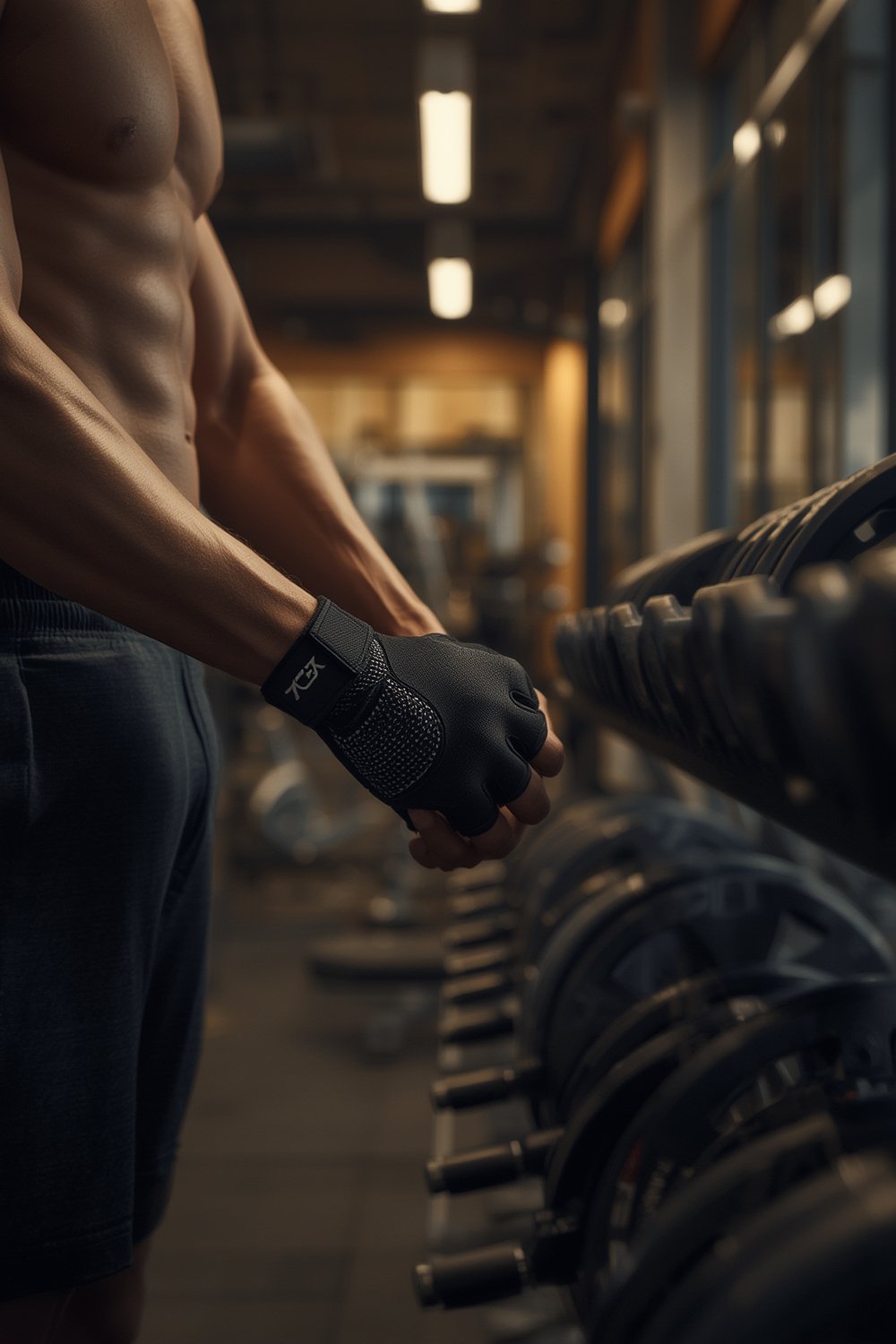
What truly sets the best gym gloves for weightlifting apart are their materials, construction, and sweat management. For more ways to optimize your equipment, read our guide: Power Rack: 7 Ultimate Steps For Best Home Gym.
Step-by-Step Guide: How to Choose & Use Gym Gloves Weightlifting
- Know your training style. For Olympic lifting, go for minimal gloves with good palm feel. For CrossFit, prioritize breathability and fast-drying materials. For general strength training, balance comfort and support.
- Select the right materials. Choose gloves with reinforced leather palms for heavy lifting. Look for mesh backs or ventilated panels for sweat-heavy workouts. Synthetic blends dominate the market (48% market share in 2024) due to their mix of durability and breathability.
- Test the fit. Gloves should feel tight but flexible—no bunching in the palm and no excess slack in the fingers or wrist. Improper sizing leads to slipping and less control.
- Check grip tech & padding. Silicone grip patches help with bar hold but thin fast. Overly padded gloves reduce bar feel during deadlifts. For best all-around use, balance grip enhancement with tactile feedback.
- Inspect wrist support. If you need extra wrist stability, look for gloves with built-in wraps. Otherwise, slim, wrap-less models maximize dexterity for most lifters. Wrist wraps are valuable for powerlifting moves but unnecessary for lighter, high-rep sets.
- Budget smartly. Basic gloves start in the low teens to mid-twenties in price, mid-range gloves with better padding and breathability land in the $25-$40 range, while premium gloves with advanced grip, leather, or strong wrist wraps are usually $40 and up.
- Cycle your gloves. Use different gloves for volume versus max effort sessions. Lighter, breathable gloves protect skin during conditioning, while stiffer leather gloves shine on limit lifts.
- Always clean your gloves. Avoid stink and bacteria by turning them inside out and air drying after each session. Machine-washable models offer extra convenience—especially for high sweat production.
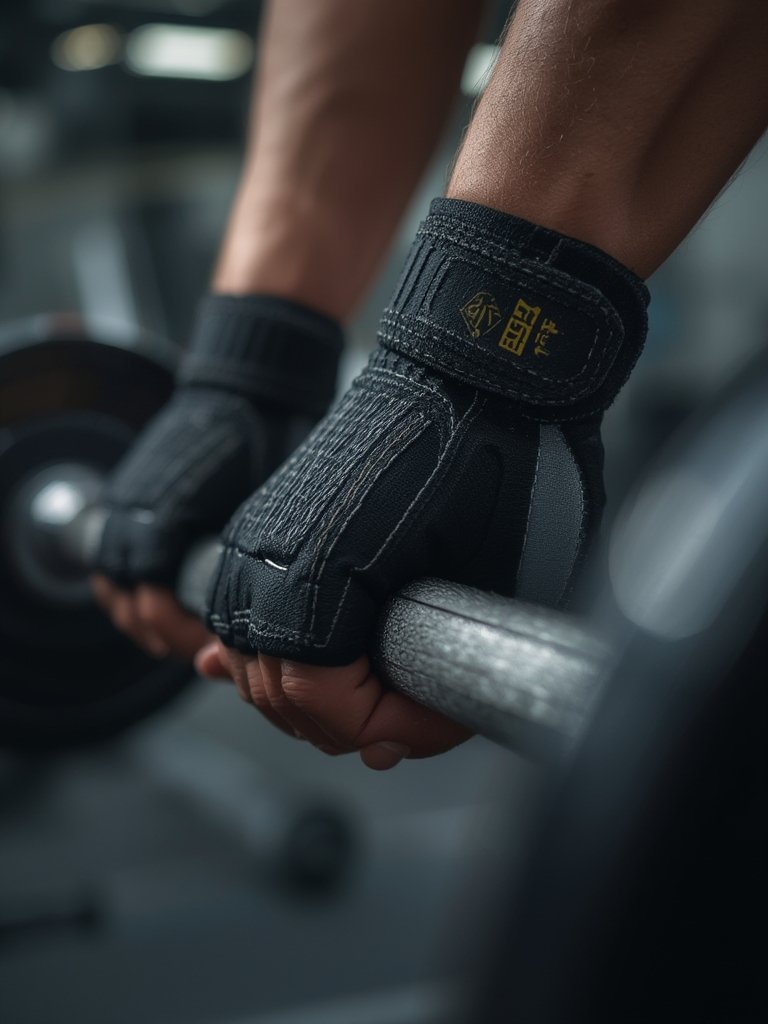
If you train at home and want to diversify your workout tools, you might also find value in these proven guides:
- Resistance Band: 7 Proven Workouts for Best Fitness Results
- Bumper Plates: 7 Best Secrets For Amazing Training In 2026
- HOTWAVE Push Up Board: 7 Ultimate Steps for Simple Home Gym Success
- Exercise Mat: 7 Ultimate Steps For Best Workout Results In 2026
Advanced Analysis & Common Pitfalls
Buying gym gloves weightlifting users trust requires more than skimming stars on a web store. Here’s what the 2024 research and practical experience reveal about common pain points:
- Poor fit and sizing issues. Too many models run inconsistent on sizing charts, leading to gloves that either slip off or dig in.
- Insufficient grip when sweating. Gloves with poor moisture management get slick, risking dropped bars. Even “grip-enhancing” coatings may fail during humid workouts.
- Padding that’s too thick. While it might reduce pain, heavy padding blunts grip feel, making pulling or during deadlifts less effective and even hazardous if control drops.
- Fast wear and seam ruptures. Inferior synthetics, weak stitching, and cheap Velcro dramatically shorten glove life—especially on high-friction areas like the palm and thumb.
- Trapped heat and sweat. Gloves without perforations or mesh make your hands stew, increasing the odds of chafing, odor, and fungal issues.
- Inadequate or uncomfortable wrist support. Built-in wraps sound appealing but often use too-stiff or too-flimsy material, providing little real help.
| Feature | Upside | Potential Downside | Price Impact |
|---|---|---|---|
| Leather Palms | Excellent abrasion & tear resistance, great for heavy weightlifting | Can get hot, reduces breathability, slow to dry | Raises price – found mostly in $35+ |
| Mesh Backs | Superior ventilation and rapid drying, less sweat slippage | Tears easily, weaker seams, odor can linger in mesh | Slightly higher, but common in $25–$40 |
| Silicone/Grip Coating | Strong initial grip, reduces slippage on new gloves | Wears away quickly if thin, can peel under heavy friction | Moderate, up to $40 depending on brand |
| Reinforced Stitching | Major jump in longevity, gloves last months longer | Can stiffen glove if overdone, affects flexibility | Usually seen in mid-range and up ($30+) |
| Wrist Wraps | Added joint support during pressing/heavy lifts | May limit mobility, can chafe or pinch | Boosts price, common in $35–$50 |
Most review roundups focus on feature lists, not durability, real sweat testing, or grip longevity under daily use. According to recent reports (see market data), the CrossFit and lightweight glove segments are fastest-growing, but they’re also most prone to durability problems.
While expert roundups like this GarageGymReviews breakdown cover the “best picks,” few outline engineering trade-offs or offer lab test results comparing real sweat resistance. There is also no scientific consensus that wearing gloves reduces (or increases) weightlifting injury risk; no such studies surface in the leading market research (see FactMR).
Conclusion
Smart buying for gym gloves weightlifting is simple: know your lifts, choose the right materials and fit, and balance ventilation with cushioning. Avoid common mistakes like chasing padding over control or grabbing the cheapest pair online. Breathability, stitching quality, and how you clean your gloves will matter more in the long run than brand name or color. Check more lifting tips with our Core Sliders: 7 Proven Exercises For Best Ab Results guide.
Ready to protect your hands and lift stronger? Find gloves that fit your needs, and remember—upgrading your gear is one small step toward better, safer sessions. Invest wisely in your gym gloves weightlifting routine.
FAQ
Are gym gloves really necessary for weightlifting?
They’re not required, but many lifters find gym gloves help prevent calluses, boost grip, and provide comfort, especially on high-rep sets or sweaty sessions. For some, especially powerlifters, bare hands are preferred for max lifts, but gloves are a smart choice for most.
What’s the best material for gym gloves weightlifting?
Leather palms last longest and deliver great abrasion resistance. Synthetics with mesh backing offer better ventilation and lighter weight. A balance of reinforced leather on palms and breathable mesh or perforated panels is ideal for most lifters.
How often should you replace weightlifting gloves?
With regular gym use, expect to swap gloves every 4 to 12 months. Heavy lifters or CrossFitters may wear down seams or palms faster—check for holes, stretched-out Velcro, and grip patches wearing thin to know when it’s time.
Can gym gloves improve my grip more than chalk?
Some gloves with advanced silicone grip tech boost friction, but in high-sweat scenarios, save chalk often beats gloves for pure grip due to moisture absorption. The best solution? Use gloves for general training, save chalk for limit sets or deadlifts if your gym allows.
Do gloves reduce injury risk for lifters?
There’s no proven research comparing injury rates in glove-wearers versus barehanded lifters. Gloves primarily protect against blisters, calluses, and surface abrasion—not deep tissue or joint injuries.
—
[…] Protect your hands—if foam grips start to smell or tear, clean them with mild soap or switch to athletic tape (see our guide to gym gloves for grip). […]
Been rolling the slots here for a few weeks and the daily bonuses keep things fresh. Withdrawals hit my e wallet fast and support always replies within minutes. Just grabbed a free spin last night and scored a decent run. Check it out at peslotphcasino