
suspension training system workouts have exploded in popularity, appealing to everyone from gym veterans to home fitness beginners seeking a portable yet powerful alternative to classic strength equipment.
Key Takeaways
- Suspension training systems are growing fast due to their portability, versatility, and functional training benefits.
- Common user issues include confusing setup, durability concerns, and technical installation limits—especially for renters and travelers.
- Understand safety requirements, certifications, and brand differences before investing to avoid wasted money and frustration.
The Core Concept
A suspension training system is a compact strength training tool that lets you perform countless exercises using your bodyweight, leveraged through anchored straps. By adjusting the angle and position, you can adapt resistance for all fitness levels and work on strength, balance, and mobility. It’s this simplicity, combined with the ability to mount the system at home, in a gym, a hotel, or outdoors, that has driven rapid adoption over recent years.
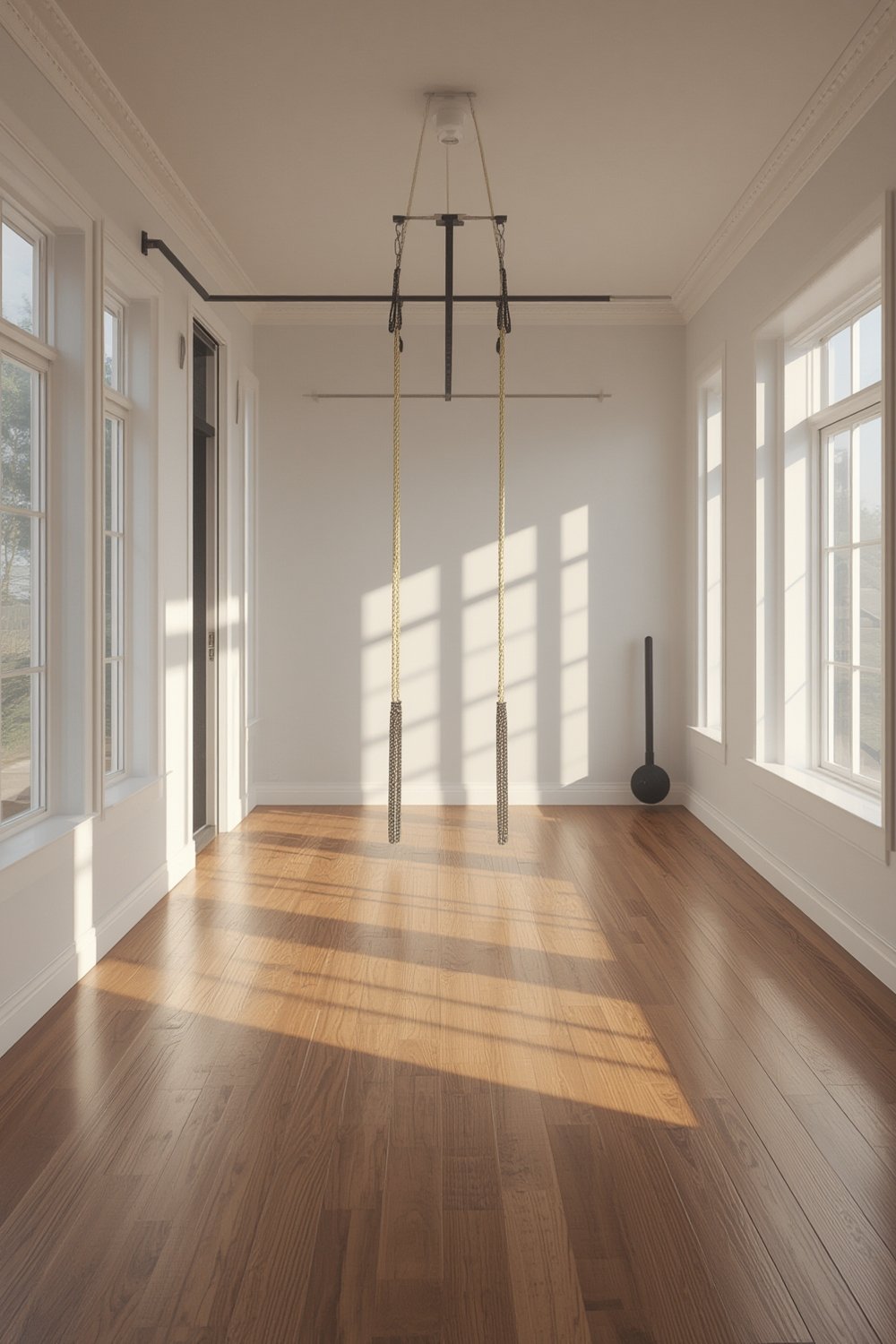
Industry data shows the suspension training market has a projected CAGR of 10-11% through 2032, as more people choose home fitness or travel-friendly equipment [source]. Unlike resistance bands, which primarily offer linear resistance, suspension systems create “instability” for core training while supporting everything from rows to planks. For more on how bodyweight and resistance equipment compare, check out Resistance Band: 7 Proven Workouts for Best Fitness Results.
Bottom line: it’s functional, space-saving, and effective—but also not as foolproof or risk-free as many “best product” lists suggest.
Step-by-Step Guide
Follow these steps to safely and effectively use a suspension training system whether at home, in a gym, or while traveling.
- Choose the right location and anchor.
- For apartments or gyms: Find a solid wood door that closes firmly toward the anchor or, better, a sturdy beam, pull-up bar, or purpose-built wall/ceiling mount. Avoid hollow or damaged doors.
- For outdoors: Use thick tree branches or metal bars that can bear at least 1.5x your bodyweight dynamically.
- Set up the anchor.
- With door anchors, position the anchor at the top or side of the door and close the door fully. Always test by pulling on the straps to ensure the anchor is secure before applying full bodyweight.
- With ceiling or wall mounts, use hardware provided by the manufacturer, and only mount into solid wood studs, concrete, or masonry. Never trust drywall alone.
- Adjust strap height and length.
- Use marked measurements if your system has them, or carefully align both sides for equal strap length. For push-ups or planks, set straps 6–12 inches off the floor; for rows, straps should hang about waist-high.
- Test movements slowly.
- Begin each session with slow bodyweight movements to ensure the straps and anchors hold and nothing has shifted. If you notice slippage, stop immediately.
- For extra safety, start with knees on the floor for the first few reps before full loading.
- Progress with control.
- Increase angle to make exercises harder and step back to reduce strain. Watch video tutorials from trusted brands rather than generic internet lists; proper form prevents injuries.
- If uncertain, supplement with gear like Situp Bar: 7 Proven Workouts For Easy Abs or Core Sliders: 7 Proven Exercises For Best Ab Results for extra core variety as you build confidence.
- Packing for travel.
- Coil straps neatly and use a bag to keep components organized. Ensure you have all parts before leaving—missing anchors or handles are common frustrations on the road.
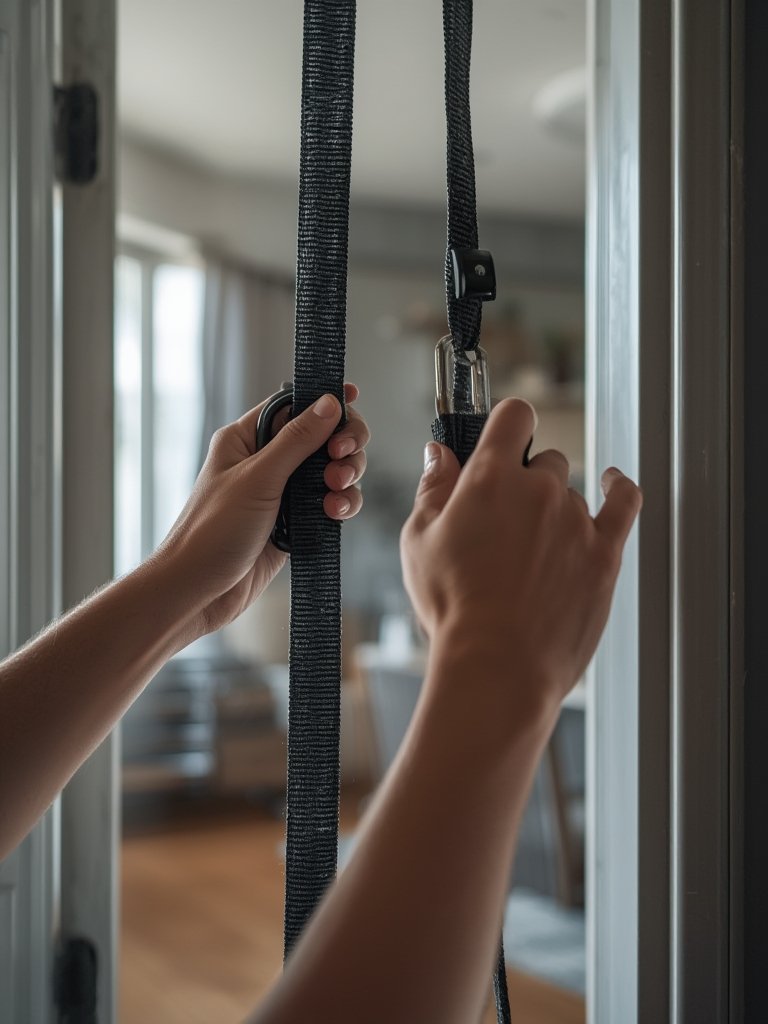
If your training area is tight on space, see our guide to maximizing compact home gyms with Pull Up Bar: 2026 Ultimate Guide For Best Home Gym Results for additional setup ideas.
Advanced Analysis & Common Pitfalls
Even though suspension training systems promise a blend of portability and versatility, real-world use uncovers serious issues if you’re not prepared.
Common Pitfalls and How to Avoid Them
- Improper anchor selection: Many reported accidents result from using weak doors, outdated hardware, or improvising with sketchy hotel fixtures. Never exceed rated loads and always follow installation guidance.
- Unclear user limits: Some systems list maximum weights, but independent certification is rare. Opt for reputable brands with clear warranty and testing info, like those in recent industry research.
- Poor instructions: A frequent user complaint is the lack of detailed instructions, both printed and video. Look for brands offering quality support or communities.
- Durability trade-offs: Lighter travel bands may fray or slip after a few months, especially if left in hot cars or exposed to sun and sweat. Regularly check for damage and replace as needed. For longer-term durability, read our Bumper Plates: 7 Best Secrets For Amazing Training In 2026 for inspiration on commercial-grade gear care.
Comparison Table: Pricing, Durability, and Accessories
| Category | Price Range (USD) | Build Quality | Usual Max Weight | Key Accessories | Warranty |
|---|---|---|---|---|---|
| Entry-level/Budget | 30–70 | Light/generic nylon, plastic buckles | 250–300 lbs | Straps, door anchor | <1 year |
| Mid-range | 70–150 | Good nylon, mix of metal/plastic | 300–350 lbs | Adds foot cradles, bag, online content | 1–2 years |
| Premium/Pro | 150–300+ | Heavy-duty, reinforced, metal hardware | 400+ lbs | Multiple anchors, mounts, app access | Lifetime (usually) |
Note: Brand trust and warranty scope (not just length) matter most for gyms and high-frequency users.
Technical Red Flags
- Ceiling/wall mounting almost always requires drilling—rarely allowed for renters or those with metal studs.
- Some door anchors don’t fit fire doors or very thick doors (standard is about 35-45 mm); always check before buying.
- Short warranties may indicate lower expected lifespan, especially among low-cost alternatives.
Unlike products such as Neoprene Dumbbells or Exercise Mat: 7 Ultimate Steps For Best Workout Results In 2026, where performance is straightforward, effective use of a suspension system depends on location, anchor quality, and regular inspection.
Conclusion
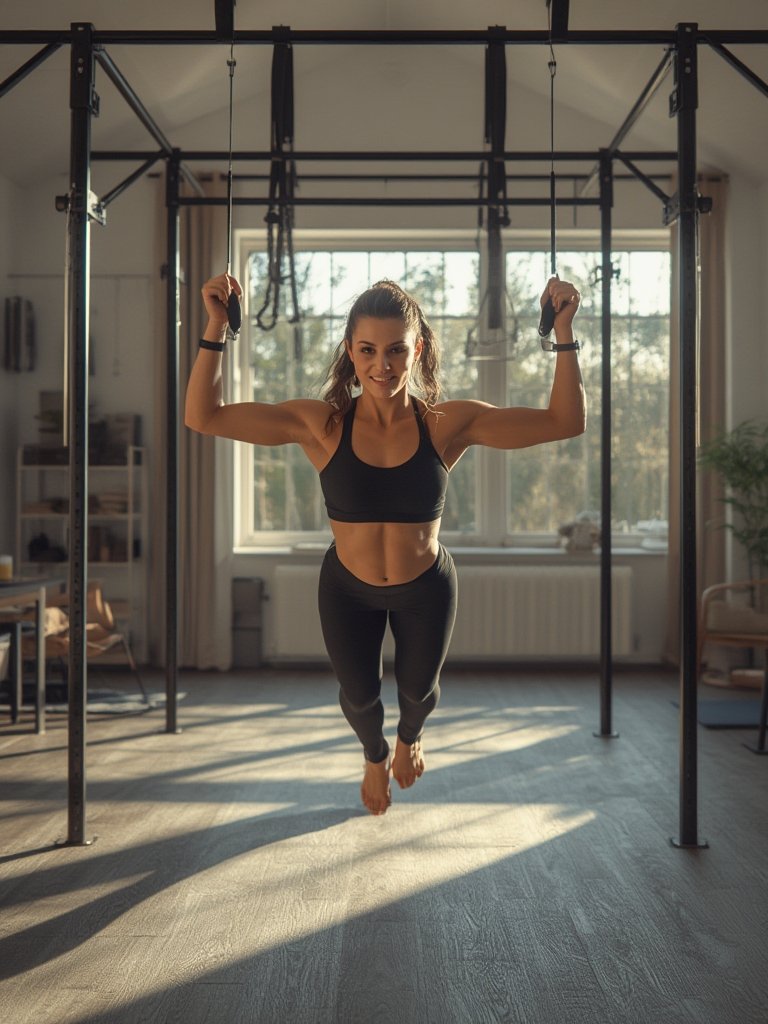
Selecting the right suspension training system means balancing portability, durability, safety, and real-world technical requirements. While the market is booming with options for every budget, careful buyers check anchor compatibility, prioritize trusted brands, and never ignore maintenance or user weight ratings. Ready to start? Invest in a high-quality suspension training system and use it as a centerpiece for your home, outdoor, or hotel gym. Choose wisely and train with confidence—your joints, doors, and wallet will thank you.
Want more compact strength tools? Discover Adjustable Resistance Bands: 7 Amazing Ways to Build Strength (Proven Guide) for advanced multi-modal training or compare essentials for your home gym buildout in our Power Rack: 7 Ultimate Steps For Best Home Gym review.
FAQ Section
Can I use a suspension training system in any home or apartment?
Not always. You need a strong anchor—ideally a solid wood door that closes towards the anchor or a beam/stud for mounts. Many rentals don’t allow permanent installation, and some doors (fire doors or very thick doors) may not work with standard anchors. Test your anchor before every session.
Is TRX really better than cheaper alternatives?
TRX is trusted for higher material quality, better instructions, and more rigorous testing. However, mid-range alternatives can be adequate for home use if you check ratings and warranty. Budget systems may perform well initially but tend to show wear sooner and rarely offer solid support or customer service.
How do I know the system is safe to use?
Always check for frayed webbing, cracked buckles, or loose stitching before each use. Reputable systems will list maximum weight, but few offer independent third-party certification—so brand trust and warranty are your best indicator. Test anchors gently before full use, especially while traveling.
How portable is a suspension trainer compared to resistance bands or dumbbells?
Suspension trainers fold down compactly and weigh under 2 lbs on average, so ideal for travel. However, resistance bands are lighter still and don’t require anchor points. Dumbbells are the least portable but best for classic weighted moves. Choose the tool that fits your lifestyle and training goals.
Do I need a personal trainer to use these systems?
No, but beginners benefit from high-quality video guidance or mobile app routines. Incorrect setup or poor form can raise injury risk. Many brands offer class libraries or digital programming. If you’re new, start slow and consider a coach or online course to master basics.