
### Blog Post:
Yoga mat eco-friendly choices have surged in popularity due to increasing concern about personal health and planet impact. But are these mats truly greener, and what should shoppers watch for in 2024? This guide cuts through the marketing and reveals what really matters when buying an eco-friendly yoga mat—complete with step-by-step tips, common pitfalls, and evidence-backed advice.
Key Takeaways
- Global demand for eco-friendly yoga mats is rising, but credible sustainability claims require independent certification—don’t trust “green” marketing alone.
- Sustainable mats can offer meaningful benefits but usually require extra care and come with tradeoffs in durability and price.
- Look for full material transparency and check end-of-life claims to make sure mats are truly biodegradable under real-world conditions.
The Core Concept: What Makes a Yoga Mat Eco-Friendly (And Why It Matters in 2024)
Eco-friendly yoga mats are designed to minimize environmental impact through renewable material choices, low-toxicity production, and—in some cases—biodegradability or recyclability. In 2024, the yoga mat market is estimated between USD 8.56 billion and USD 14.12 billion, with the sustainable segment consistently cited as a key driver of growth.
Today’s eco mats go beyond “PVC-free” claims. Top brands use natural rubber, cork, jute, or organic cotton and may back up their sustainability story with certifications like OEKO-TEX Standard 100. But the term “eco-friendly” is unregulated—real accountability requires third-party testing and clear disclosures.
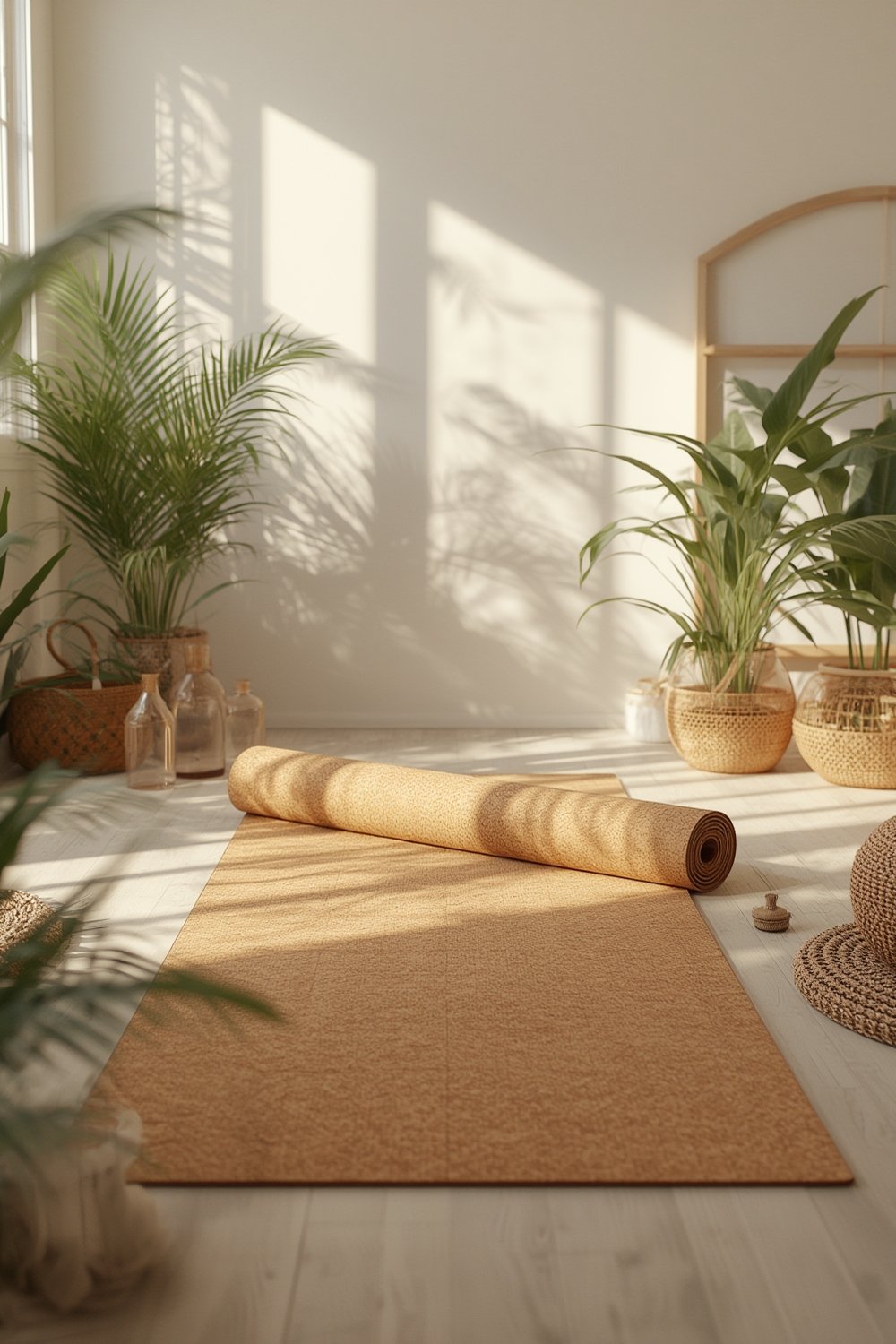
Choosing an yoga mat eco-friendly matters for more than just personal wellness. PVC (polyvinyl chloride) mats contribute to plastic pollution and hazardous by-products both during manufacturing and at end-of-life. In contrast, responsibly sourced natural materials are usually renewable, and often safer for indoor air quality and the environment.
The upshot? If you want a yoga mat that’s better for your health and the planet, understand the difference between a truly eco-friendly mat and clever marketing.
Step-by-Step Guide: How to Choose and Maintain a Truly Eco-Friendly Yoga Mat
Buying a yoga mat eco-friendly enough to justify your investment doesn’t have to be complicated—but skipping key checks can undermine your efforts. Follow these steps for best results.
- Check for verified materials and credible certifications.
Look for OEKO-TEX Standard 100, or full ingredient lists showing natural rubber, organic cotton, jute, or cork. Be wary of “eco,” “non-toxic,” or “green” claims with no proof. A recent review found even some PVC mats with OEKO-TEX certification, showing not all certifications mean biodegradable. - Get clear on biodegradability—and the real test scenario.
Does the whole mat biodegrade or just surface layers? Is it tested in landfill, home compost, or only industrial settings? Brands like Liforme claim landfill-biogradability in 1 to 5 years—but ask about adhesives, inks, and layers. - Evaluate production and supply chain transparency.
Is natural rubber sustainably harvested? Is cork sourced from living trees? (Cork can be especially resource-positive and antimicrobial—see further detail in the Advanced Analysis section below.) - Balance sustainability with durability.
Sustainable mats range from “budget” ($25–50) to “premium” (natural rubber or cork, $100–150+). Pay more when you need high grip and studio-level longevity, but understand some eco mats do wear faster. For high-traffic home gyms, you might also want to supplement with a durable exercise mat for floor protection. - Master maintenance and care.
Most biodegradable mats require gentler cleaning and careful storage. Wipe with a soft cloth, avoid harsh detergents, and never soak or expose to direct sunlight for long periods. For more versatile home fitness setups, consider rotating a sturdy set of core sliders to shift wear. - Compare end-of-life scenarios.
Can you home compost your mat? Must it go to landfill? For recycled PET mats, remember these are not truly biodegradable—even if they’re less resource-intensive than PVC. Prioritize brands that publish actual disposal instructions.
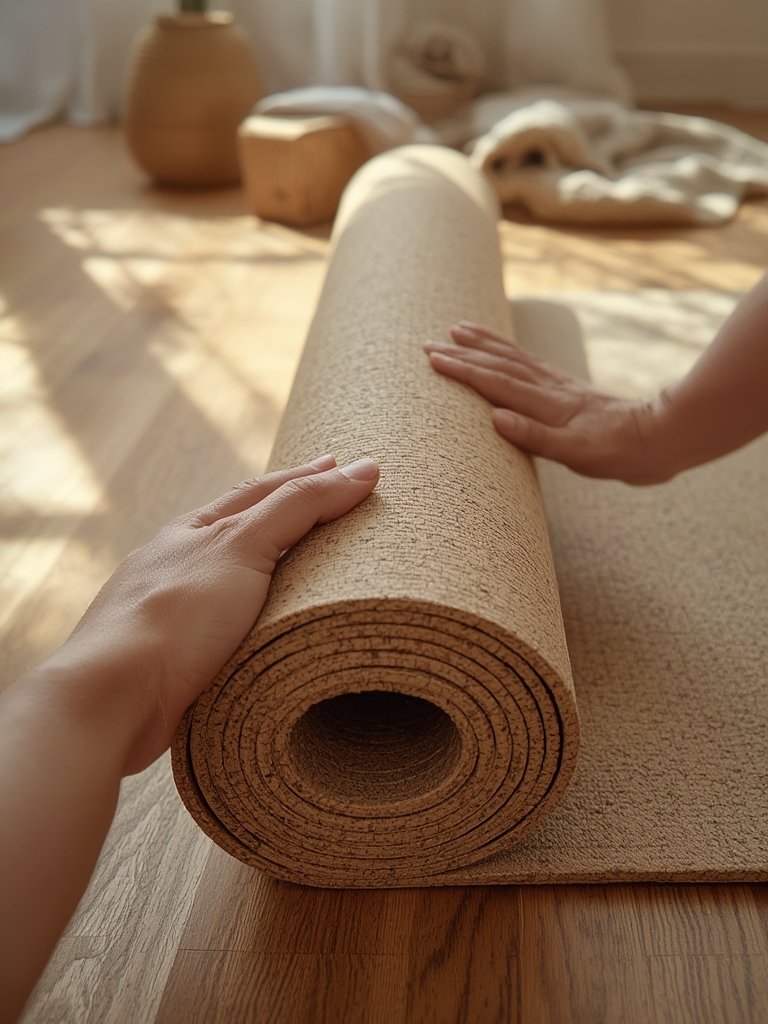
When in doubt, contact the manufacturer or check in-depth reviews. And before you start any at-home movement practice, check out our situp bar workout guide for additional gear that pairs well with sustainable mats.
Advanced Analysis & Common Pitfalls: The Downsides (And Comparison Table)
Real-world use of eco-friendly yoga mats can be disappointing if you expect a perfect blend of performance, durability, and planet impact. The most commonly reported pitfalls include:
- Durability issues: Some biodegradable mats—especially open-cell rubber—can show wear, flake, or lose grip within a year under heavy use, while standard PVC often outlasts them by years.
- Maintenance: Eco mats frequently require more gentle cleaning and cannot withstand harsh scrubbing, solvents, or sunlight exposure. They sometimes develop odors if put away damp.
- Price: Premium natural-rubber and cork mats cost $100 or more; when they wear out quickly or require frequent cleaning, some users feel shortchanged compared to a budget home gym mat or bumper plate that lasts years.
- Allergy risk: Latex allergies are a real concern for some; always check that you (or your household) are not sensitive to natural latex if buying rubber mats.
- Misleading green claims: Many brands use “eco-friendly” marketing but cannot provide test standards or real end-of-life documentation (landfill vs. compost vs. recycling).
| Feature | Natural Rubber / Cork / Jute | PVC (Conventional) |
|---|---|---|
| Sustainability | Renewable, often lower fossil fuel use* | Non-renewable, fossil-based |
| Certifications Available | OEKO-TEX Standard 100, organic labels | OEKO-TEX Standard 100 on some (not biodegradable) |
| Biodegradable | Yes, but depends on adhesives/layers and disposal method | No |
| Durability | 3 to 5 years (typical); sometimes less | 5+ years; highly tear and wear resistant |
| Cleaning & Maintenance | Gentle cleaning only, air-dry, avoid oils/solvents | Wipe clean, tolerates most household cleaners |
| Cost (2024) | $25–150+ | $15–50 |
| Allergy Risk | Possible (latex) | Minimal |
*No published life-cycle assessment yet directly shows all yoga mat materials’ cradle-to-grave carbon footprint; directional evidence favors renewables, but brand-by-brand results may vary.
If durability is your top concern, supplement your routine with resilient equipment such as an adjustable resistance band or other home gym staples. You can mix and match gear for function and sustainability as you build your setup.

Conclusion: Final Thoughts on Finding Your Best Yoga Mat Eco-Friendly Option
Eco-friendly yoga mats offer a meaningful way to support your practice and the environment—but only if you research, verify, and weigh your priorities. Always look for transparent material lists, credible certifications like OEKO-TEX Standard 100, and honest disposal instructions. Understand that while the most sustainable mats reduce plastic use, some may require extra care or have shorter durability.
To get the most from your yoga mat eco-friendly investment, verify every claim, balance sustainability with performance, and commit to good care habits. Next time you roll out your mat, you’ll know its footprint supports you—and the planet. Ready to upgrade? Review your current setup, ask the tough questions, and choose a mat that aligns with your values and your routine.
FAQ: Yoga Mat Eco-Friendly Questions Answered
What certifications prove a yoga mat is genuinely eco-friendly?
Look for named, independent certifications such as OEKO-TEX Standard 100, organic cotton seals, or actual third-party test reports cited by the brand. Avoid trusting vague “green” language—real certifications should be verifiable.
Are natural rubber or cork yoga mats as durable as PVC mats?
No. Natural rubber and cork mats are typically less durable than PVC mats according to user reviews and third-party testers. You may replace them more frequently, especially with heavy use or if not maintained gently.
Can all eco-friendly yoga mats be home composted?
No. Some require industrial composting or only biodegrade in landfill conditions, and many use synthetic adhesives or layers that limit compostability. Always check for detailed end-of-life instructions from the manufacturer.
How much does a quality eco-friendly yoga mat cost in 2024?
High-quality eco mats generally cost $50–150+ in 2024. Budget versions start around $25, but the best grip and durability are found in the $80–150 premium bracket. Expect to pay extra for natural rubber, cork, or studio-grade performance.
What’s the best way to clean an eco-friendly yoga mat?
Use a soft cloth and mild detergent (only as needed), never harsh scrubbing or chemicals. Allow the mat to dry fully before rolling up, and avoid heat or direct sunlight to prevent premature breakdown.
—
[…] a deep dive into sustainable fitness gear for other activities, see our guides to eco-friendly yoga mats and foam rollers for […]
My friends keep raving about their slot collection and I decided to test the waters on idtigerjp88 myself. The game library runs smoothly without any lag even during peak hours. I really enjoy how they reward loyal players with daily spins and the cashout requests always clear within the hour. A solid choice for anyone chasing weekend entertainment idtigerjp88