

Vertical gardening systems are transforming the way urban dwellers and homeowners with limited space grow food and greenery. These solutions maximize yield in minimal square footage, but smart adoption requires navigating real-world tradeoffs. Here’s what you need to know before installing a vertical gardening system at home or in your small urban space.
Key Takeaways
- Vertical gardening systems enable high-density food or decorative plant growth in tiny areas, but require upfront planning and ongoing maintenance.
- User pain points include challenging installation, uneven watering, maintenance surprises, and cost versus yield expectations.
- Right-sizing materials and system designs for your wall or space, as well as understanding the yield, are crucial to avoid regret or wall damage.
The Core Concept
Vertical gardening systems let you cultivate dozens of edible or ornamental plants using the vertical surfaces of your home, apartment balcony, or backyard fence. These systems—ranging from living wall panels and fabric pocket walls to hydroponic towers—offer a solution to high urban density, small yards, and a desire for fresh produce or lush décor.
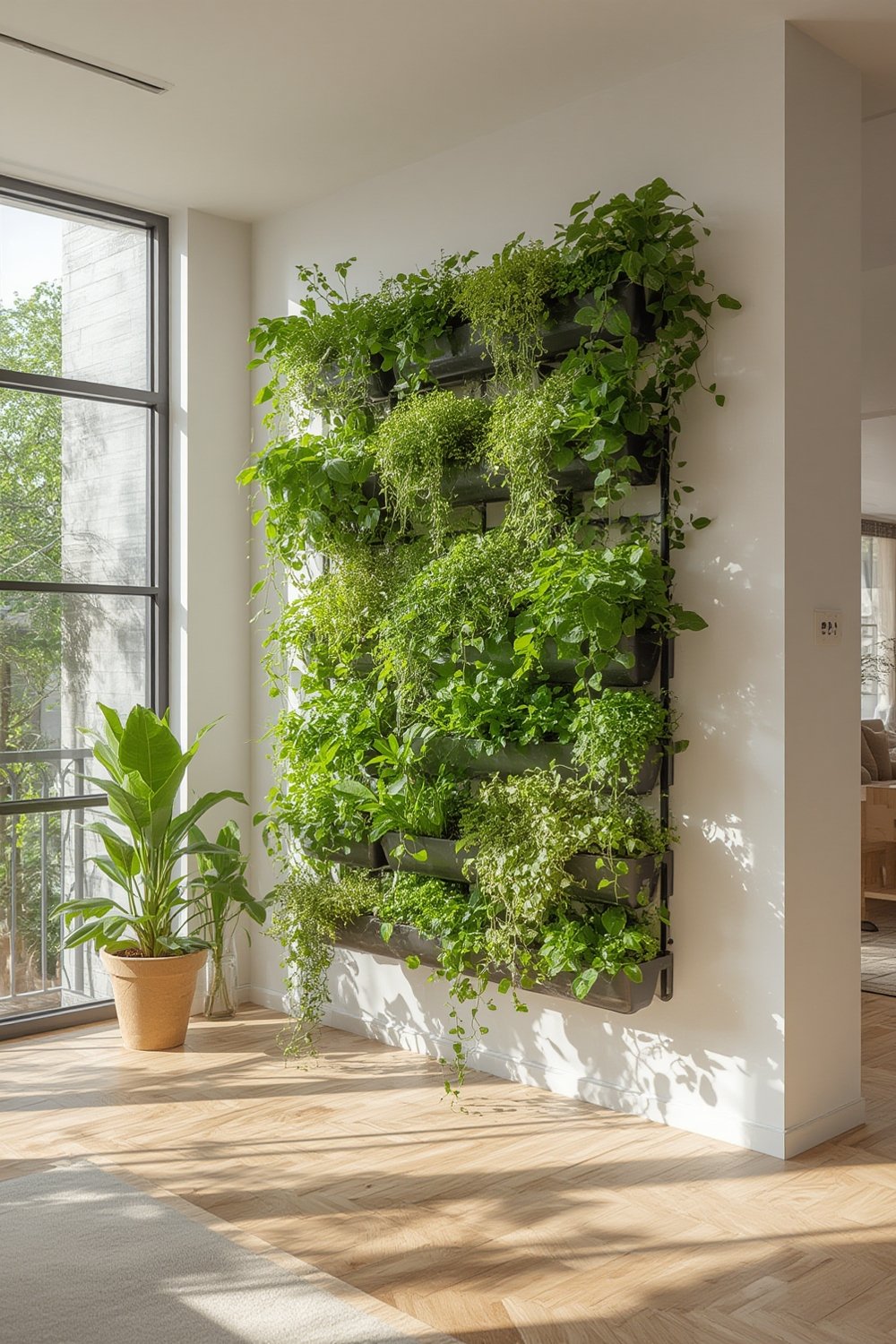
Recent market research estimates that the vertical garden construction sector alone is already worth over $1 billion and growing fast. This is fueled by increasing urbanization, sustainability trends, and dramatic efficiency gains—some systems now use just 1 percent of the land and 5–10 percent of the water of traditional gardens while producing multiple times the yield per square foot.
However, achieving these benefits requires attention to system choice, installation specifics, and ongoing care. Whether you’re considering a simple modular pocket wall, a hydroponic tower, or a custom-built green wall, it is essential to match the type of system to your goals—be they food, aesthetics, or air quality—and your available time and resources.
For small yards, renters, or anyone curious about leading-edge urban gardening, vertical gardening systems represent a path to efficient, space-saving and potentially beautiful growing—provided common mistakes are avoided and expectations are kept realistic.
Step-by-Step Guide
Ready to add a vertical garden to your space? Here’s a practical step-by-step approach for beginners and small-space gardeners:
-
Choose Your System Type: Decide if you want soil-based panels (easy for decorative herbs), hydroponic towers (best edible yields), fabric pocket walls, or DIY framed systems. Match your choice to:
- Your main goal (e.g. culinary herbs, lush green wall, efficient salad production)
- Available sunlight or willingness to add grow lights
- Wall type or need for a freestanding design (essential in rentals)
- Assess Structural Suitability: Ensure your wall can handle the saturated system weight. Most modular walls for a 1–1.5 square meter (10–16 square feet) area will weigh 25–100kg fully loaded and watered. Always mount into studs or use approved anchors for masonry. For more on safe wall loads, see industry reports.
-
Select Materials and Prepare:
- For outdoors, use UV-stabilized plastics, galvanized or stainless steel frames, and avoid basic felt on south/west walls.
- Indoors, always line with EPDM or PVC and install a drip tray—never mount directly onto drywall without waterproofing.
- Use modular, replaceable planter cells for longest life and easiest plant swap-outs.
- Install Irrigation and Lighting: Most systems benefit from a simple drip line with a timer and (indoors) demand LED lights rated for plant growth. Position irrigation emitters to ensure even coverage. For multiple rows or towers, dedicate one emitter per vertical column.
- Plant and Maintain: For new gardens, use robust fast-growing herbs and leafy greens. Cut back frequently, flush irrigation lines monthly, top up nutrients, and scout for pests. Replant pockets or tower sites that lag behind.
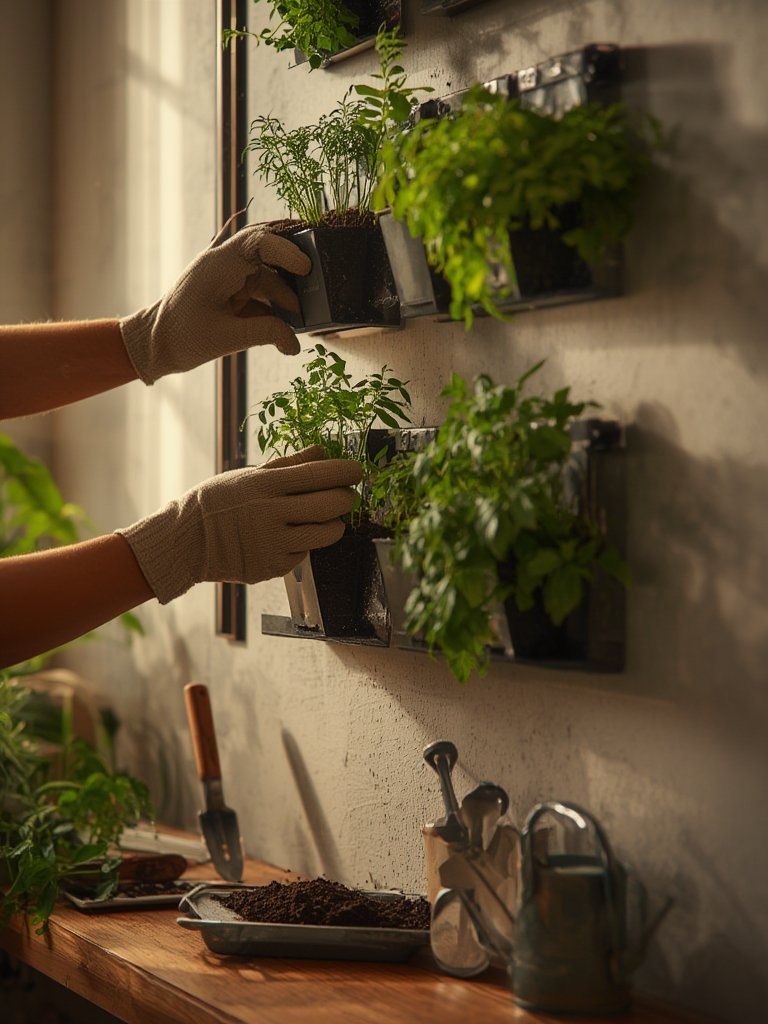
- Estimated costs for a small beginner setup range from $60 for simple pocket modules up to $700+ for advanced towers with lights. For ongoing costs and true ROI—including maintenance and electricity—reference the detailed breakdown in recent market research.
- As seasons change, be ready to adjust the watering schedule and supplement natural light—especially for edible plants indoors. If you’re growing outdoors, check out our drought tolerant landscaping tips to reduce maintenance and water use.
Advanced Analysis & Common Pitfalls
Many users face frustration with vertical gardening systems because marketing promises don’t fully align with real-world needs—especially in tight spaces or for those seeking actual food production. Here’s a realistic look at frequent pitfalls and how to avoid them:
| Pitfall | Why It Happens | How To Avoid |
|---|---|---|
| Overwatering & Leaks | Poor drainage, misrouted irrigation, or shallow drip trays lead to soggy roots, algae, and wall/floor damage, especially indoors. | Use a waterproof backing, check for even emitter flow, clean lines monthly, and install drip trays. |
| Low Indoor Yield | Insufficient light and nutrient knowledge; many underestimate how much artificial lighting is needed for salad greens or culinary herbs indoors. | Invest in reputable full-spectrum LED grow lights, review realistic yield tables, and focus on crops with low light needs if sunlight is limited. |
| Material Failure | Cheap non-UV plastics or basic felt degrades within two seasons; pumps fail if not cleaned or run dry. | Choose UV-stabilized plastics, metal frames, and only pumps rated for continuous duty. Inspect and clean regularly. For high-traffic areas, consider commercial-grade options. |
| Structural Damage in Rentals | Wall-mounting without proper anchors or waterproofing can leave costly damage, risking deposit loss or lease issues. | Use freestanding towers or modular designs that hang on existing rails, or install protective sheets. |
| Underestimating Maintenance | Nutrient solution needs changing, algae grows, roots clog emitters, pests can spread through densely packed greenery, and debris builds behind panels. | Set a realistic schedule for pruning, cleaning, and system checks. Educate yourself on pest prevention (research supports proactive management). |
| Poor ROI | Startup plus ongoing cost often exceeds yield for those expecting full grocery replacement from a single wall or tower. Many systems are more “decor” than serious food producers. | Benchmark against your grocery spend, and consult yield data before investing. Consider DIY approaches to save money if food output is the main goal. |
For a direct cost comparison, a modest DIY soil wall (excluding lights) might run $250–850, with ongoing yearly costs as low as $50. In contrast, high-end systems or regular plant purchases drive up expenses fast. For more insights, check out our trendy home décor guide.
Keep in mind, sustainability isn’t just about water savings: plastics, felt, pumps, and lights have their own lifecycles. High-quality materials last longer but cost more upfront. Use UV-stabilized and recyclable materials for the best long-term impact.
If you’re a renter or have limited outdoor room, also compare with alternatives like rewilding lawn options or native plantings for pollinators that don’t risk water leaks or require wall mounting.
Conclusion
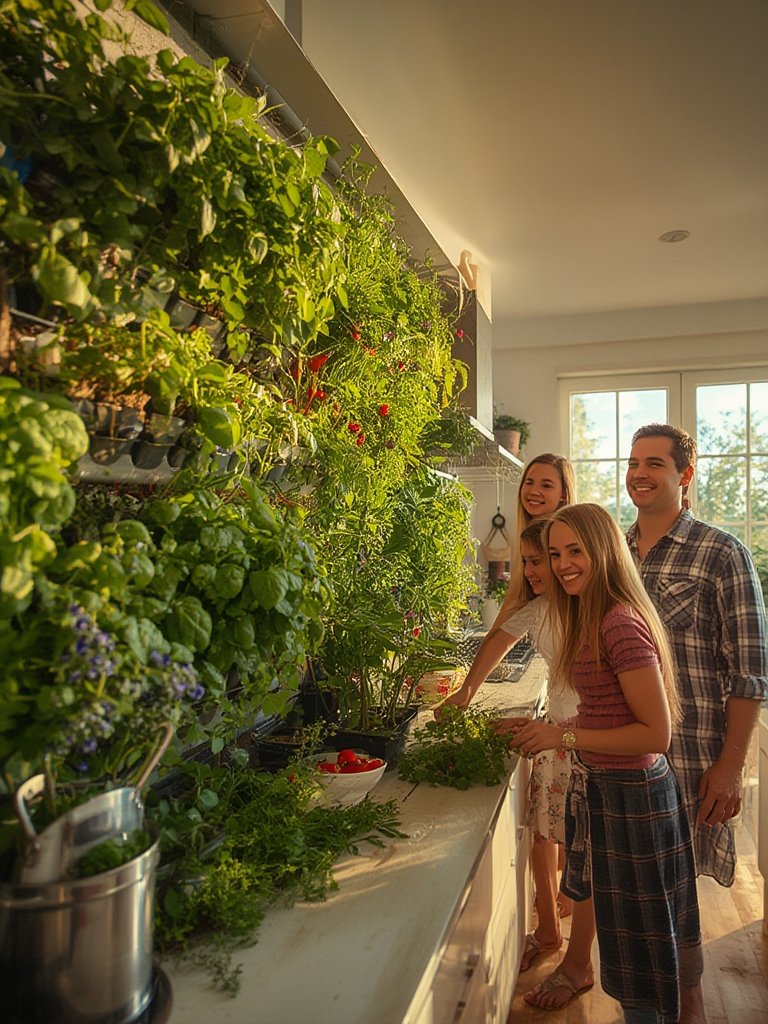
Vertical gardening systems put fresh herbs and greens within reach even in the most compact living situations. By picking the right materials, preparing your space carefully, and setting realistic expectations, you’ll sidestep the most common pitfalls—maximizing yield, avoiding wall damage, and keeping ongoing maintenance manageable.
When you analyze total cost versus yield, treat claims of massive harvests with healthy skepticism and focus on system durability and sustainability. Interested in supercharging your small urban space, or just want beautiful living décor? Start your journey into vertical gardening systems today—measure your space, plan smart, and grow with confidence.
Ready to elevate your indoor or outdoor space? Browse more landscaping inspiration in our landscaping services guide, or discover energy-saving options with our battery powered lawn equipment overview.
FAQ Section
How much does a typical vertical gardening system really cost?
Home setups range from $60–200 for basic pocket modules up to $700+ for commercial-style towers with pumps and lights. Factor in $50–150 yearly for plant replacements, nutrients, and electricity.
Can I install a vertical garden in a rental apartment?
Yes, but choose freestanding towers or non-permanent hanging systems. Always avoid drilling into walls unless your lease allows it, and use drip trays to prevent leaks.
What crops actually thrive in small vertical gardening systems?
Leafy greens (lettuce, spinach), herbs (basil, parsley, mint), and some compact strawberries perform best. Tomatoes, peppers, and root veggies struggle unless you upgrade lighting and system volume.
Do vertical gardens require a lot of maintenance?
Expect weekly checks for moisture, nutrients, and pests, plus regular pruning and cleaning of irrigation parts. Hydroponic tower systems are efficient but more demanding than soil-based pocket walls.
Are vertical gardening systems truly sustainable?
Many use far less water and pesticide, but full sustainability depends on material choice and electricity use. Opt for recyclable, durable components and minimize artificial lighting for best results.