

Solar garden lighting is transforming how homeowners illuminate their landscapes with style and sustainability. Growing adoption in the US and Europe means solar lights are now a mainstream solution, but making the right choices is key to a hassle-free, cost-effective outdoor glow. Here’s what you need to know for smart, modern garden lighting in 2024.
Key Takeaways
- Solar garden lighting is booming, with market growth in North America and Europe driven by efficiency and lower operating costs.
- Most pain points come from product selection—look for innovations like bifacial panels and smart optimization, but watch for pitfalls in installation and real-world brightness.
- Switching to solar lights can lower your carbon footprint and reduce bills, especially when combined with other sustainable yard upgrades like robotic lawn mowers or drought tolerant landscaping.
- Solar Garden Lighting: The Core Concept
- Step-by-Step Guide: How to Install & Optimize Solar Garden Lighting
- Advanced Analysis & Common Pitfalls
- Conclusion
- Frequently Asked Questions
Solar Garden Lighting: The Core Concept
Solar garden lighting uses photovoltaic cells to convert sunlight into power for LEDs, delivering reliable night-time landscape lighting with zero grid electricity. This technology has surged in popularity due to growing environmental awareness, government incentives, and advancements making products brighter and longer-lasting. Homeowners in the US and Europe are leading the shift—market value for solar garden lights hit USD 298.81 million globally in 2024, with North America alone accounting for USD 71.86 million and Europe as high as USD 620 million in the same year.sourcesource
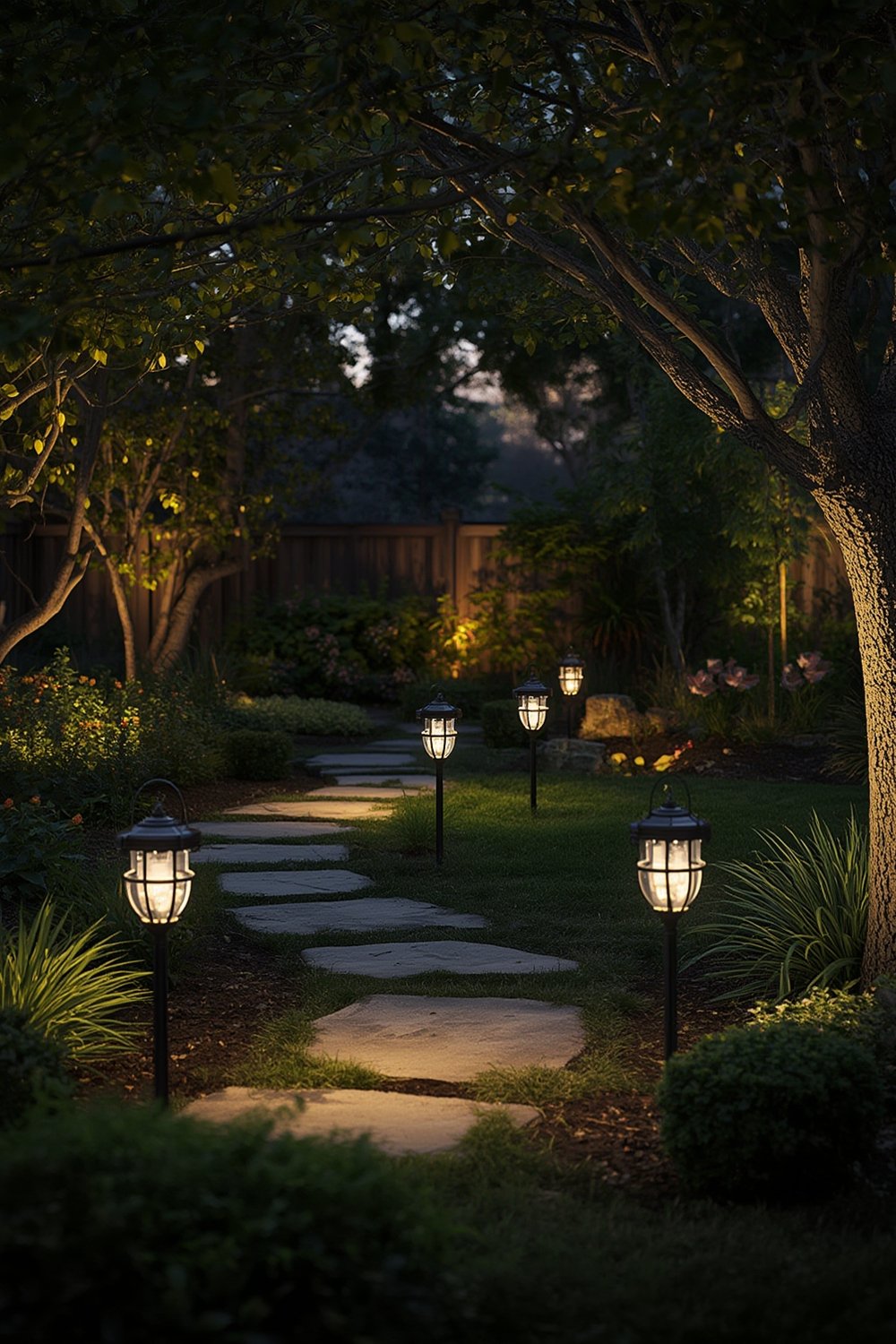
What makes solar garden lighting so appealing is a blend of easy installation, lower costs over time, and minimal maintenance. No wires, no electricians, and no extra electricity bills. With smart home trends on the rise—over 63 million US households are expected to use integrated smart outdoor devices by 2025—solar lighting fits perfectly into the future-proof yard.source
Solar lights aren’t just about saving money—they’re also essential for eco-friendly landscaping, pairing naturally with water wise upgrades like drought tolerant landscaping, sustainable gardens, and rain gardens that reduce environmental impact.
Step-by-Step Guide: How to Install & Optimize Solar Garden Lighting
- Plan Your Lighting Layout
Walk your yard at night with a flashlight to spot areas needing illumination—paths, entryways, dark corners, landscape features, and garden beds. Sketch a simple site plan. - Choose the Right Type of Solar Light
For walkways, opt for path lights. Accent lighting? Go with solar spotlights. Want a festive look? Solar string or fairy lights are ideal for patios and gardens. Look for models with bifacial panels for better energy gathering and check for up-to-date durability ratings. - Position Solar Panels for Maximum Sunlight
Place fixtures in direct south-facing locations if you’re in the Northern Hemisphere. Avoid shadow from trees, buildings, or fences, as this will drastically cut performance—even a few hours’ shade can reduce nighttime brightness. - Install and Secure Fixtures
Push stakes for path lights firmly into the soil, or use brackets for wall-mounted lights. Keep panels clear of dirt and debris. No wiring is required—installation is usually done in under 30 minutes per light. - Test, Adjust, and Maintain
When the lights automatically turn on at dusk, check spacing and brightness. Move fixtures as necessary and clean panels every month for best performance.
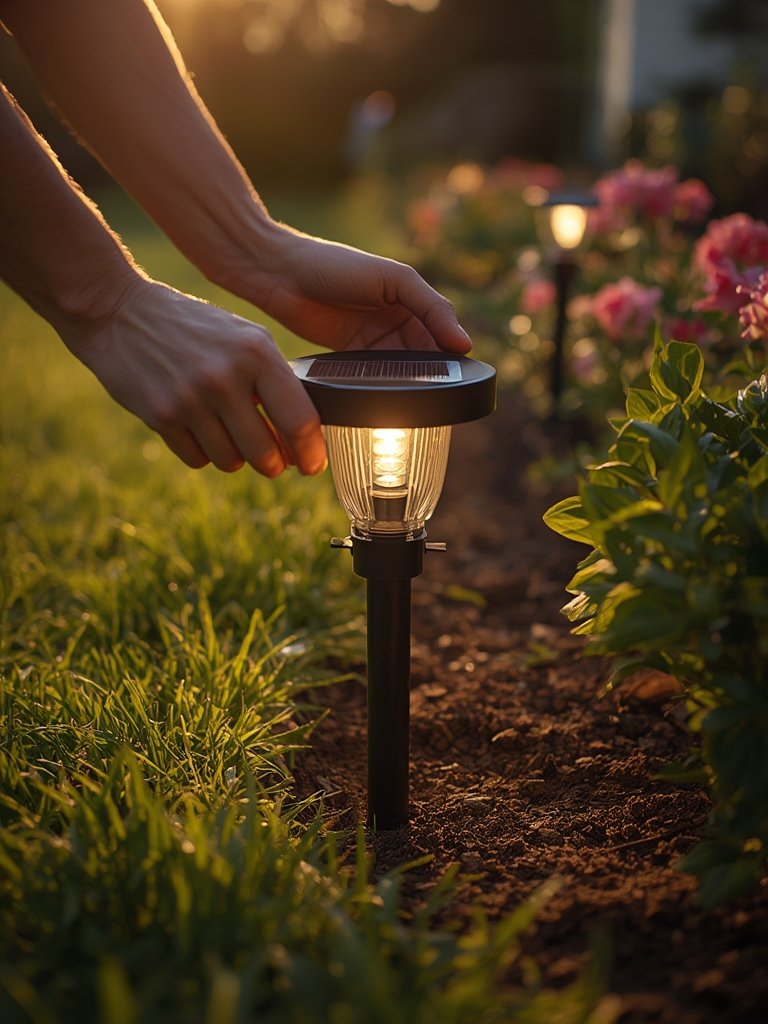
- For smart integration, some models pair with home automation systems—timers, motion sensors, and smartphone control let you fine-tune usage and charge times. See our Ultimate Guide to Smart Homes and Home Automation for pro-level transformation.
- Combine solar lighting with other sustainable outdoor features like vertical gardening systems or a home compost bin to create an efficient, eco-friendly landscape.
Advanced Analysis & Common Pitfalls
Solar garden lighting has huge upsides, but not every installation is perfect from day one. Here’s what industry trends, market data, and real-world experiences reveal about common drawbacks and mistakes:
- Inconsistent Brightness: Not all models live up to advertised lumens, especially bargain units. Low sun exposure or poor battery quality means “dim” is a top complaint—although user review data is sparse, this is a known pain point among homeowners. If you must light a security-sensitive path or entry, solar alone may disappoint—supplement with hardwired LEDs.
- Weather Limitations: Winter, high latitude, or heavy tree cover can drastically decrease charge rates, lowering night-time performance. Look for fixtures with high IP waterproof ratings if you live in a wet climate.
- Installation Shortcuts: Skipping site prep or placing lights too close together often results in unwanted shadows or uneven lighting. Reading the manual and adjusting for seasonal sun angles can double both performance and lifespan.
- Battery Degradation: Even the best batteries slowly lose storage. Expect a two-to-five-year replacement cycle, depending on local climate and product quality.
- Missing Features: Many garden solar lights still lack adjustable color or temperature—check technical specs before purchase if ambiance control matters for your outdoor design.
| Feature | Standard Solar Lights | Advanced Solar Lights (2024) |
|---|---|---|
| Panel Type | Monofacial polycrystalline | Bifacial, higher-efficiency |
| Battery Life | 6-8 hours typical | 10-12 hours, faster recharge |
| Smart Features | Rare, basic timer | App/app/timer/motion sensor |
| Warranty | 1 year, often limited | 2–5 years or more |
For greatest performance, combine lighting upgrades with other green features—rain-smart gardening (rain garden design) or permeable paving will amplify stormwater savings and overall sustainability.
Environmental & Financial Upside: Solar garden lights help cut carbon footprints and dependency on non-renewable power. Homeowners enjoy lower upfront costs (especially where subsidies apply), and no grid connection means true savings in the long run.source
Conclusion
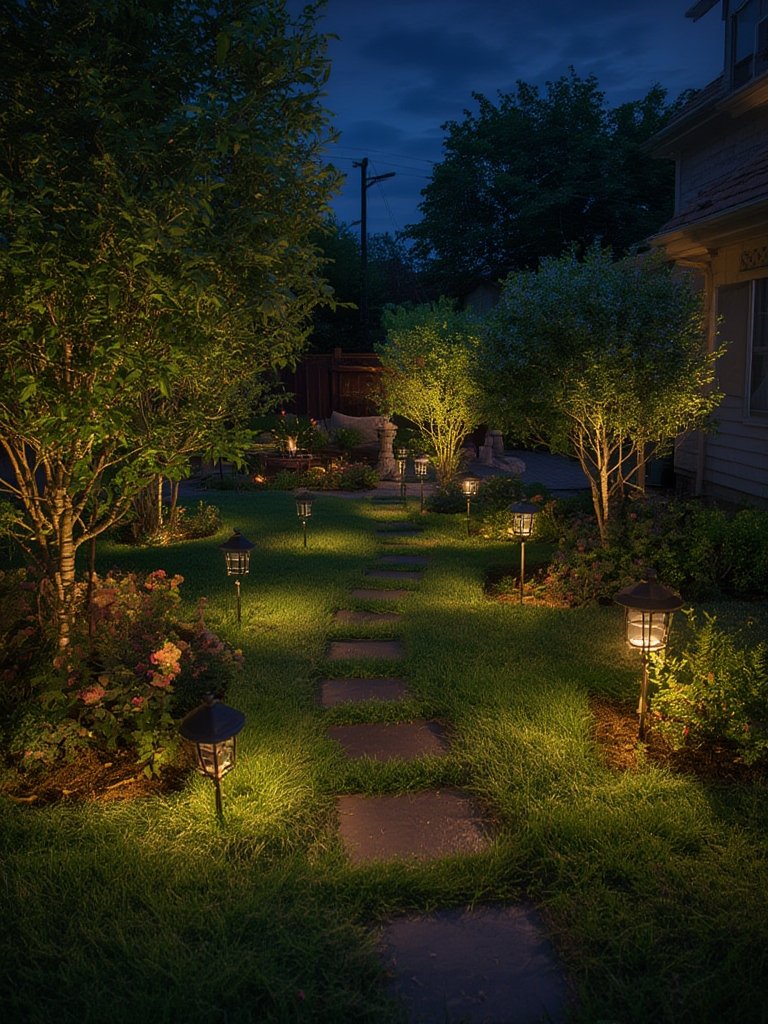
Solar garden lighting is a practical tool for modern, sustainable yards—reducing costs, lowering environmental impact, and easily integrating with smart home solutions. As the technology advances further in 2024, closely evaluating product quality, siting, and maintenance needs pays off. For inspiration on eco-upgrades beyond lighting, check out our expert tips on drought tolerant landscaping or actionable ideas for edible landscaping to transform your garden for good. Ready to reduce your footprint and save money? Start planning your solar garden lighting project today for a brighter, smarter, greener outdoor space.
Frequently Asked Questions
How long do solar garden lights typically last?
Quality solar lights last 2–5 years before the battery needs replacement. Panels and LEDs can last even longer if you keep them clean and positioned for maximum sunlight.
Do solar garden lights work in cloudy or winter conditions?
They work, but runtime and brightness decrease with fewer daylight hours or heavy overcast. Choose lights with larger or bifacial panels and high-capacity lithium batteries for better performance year-round.
What maintenance do solar garden lights require?
Wipe solar panels clean every month to prevent dirt buildup, reposition as needed for sun exposure, and replace batteries every few years for best results.
Are solar garden lights bright enough for security or main entry lighting?
Most are best for ambiance or pathway guidance, not high-security spots. Supplement with hardwired LEDs or look for products with higher lumen output and motion sensors for sensitive areas.
Can solar garden lights be combined with smart home automation?
Yes, many new models pair with smart systems for app control, timers, and energy optimization, letting you customize your outdoor lighting to fit your schedule and habits. Learn more in our Ultimate Guide to Smart Homes and Home Automation.