

Soil testing services are the foundation for growing healthy lawns, thriving gardens, and achieving reliable crop yields. Without understanding what’s in your soil, you’re guessing—and likely wasting money, water, or fertilizer. Below, learn exactly how soil testing works, which method fits your needs (DIY or pro), and crucial, unbiased facts every homeowner, gardener, and farmer should know.
Key Takeaways
- Home soil test kits are affordable and easy, but may lack accuracy for complex analysis—consider your goals before choosing DIY vs. professional testing.
- Understanding soil nutrients, pH, and structure is the only actionable way to boost plant health, lower fertilizer waste, and improve yields in lawns or gardens.
- Professional soil testing services deliver broader nutrient reports and custom recommendations, though typically cost more and require mailing samples.
- Understanding Soil Testing Services: What and Why?
- How to Test Your Soil: Step-by-Step Guide
- Advanced Analysis & Common Pitfalls
- Conclusion
- Frequently Asked Questions
Understanding Soil Testing Services: What and Why?
Soil testing services help you identify exactly what’s in your soil—nutrients, pH and nutrients, structure, and sometimes contaminants. This is essential if you want a lush lawn, productive veggie bed, efficient landscape, or healthy field. Soil testing answers questions like: Is my soil too acidic for tomatoes? Am I overusing fertilizer? Could my lawn be greener with less water? Without testing, most garden and farm problems become expensive guessing games.
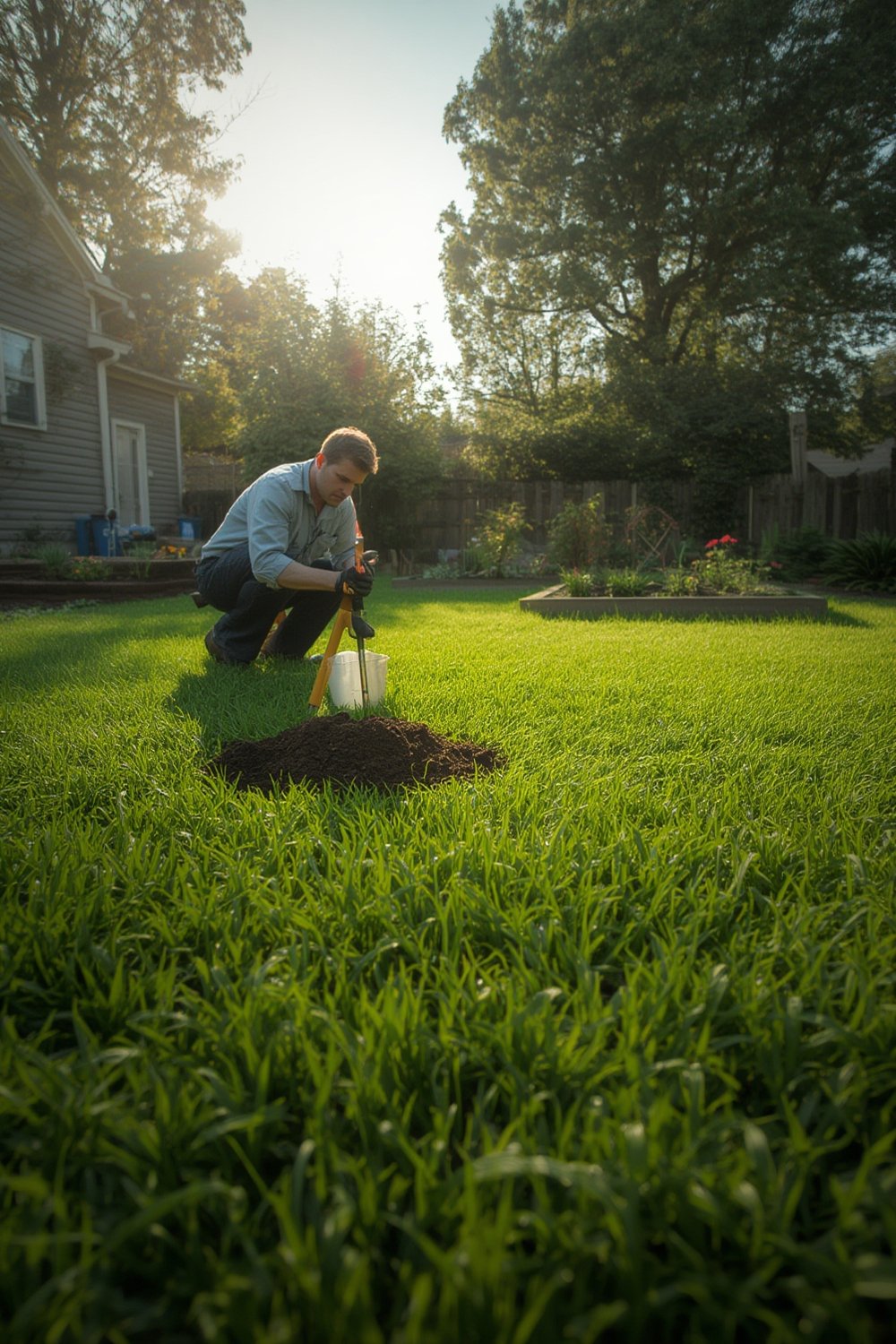
Leading consumer research shows do-it-yourself soil test kits (priced $10 to $50) are growing in popularity with home gardeners and urban landscapers. Mail-in professional services, on the other hand, remain the gold standard if you need a deep dive on micronutrients, organic matter, or are managing a large property or farm.
If you’re planning changes—like converting your lawn to a meadow lawn alternative or installing an automated irrigation system—soil testing tells you how to get the best results from Day 1.
How to Test Your Soil: Step-by-Step Guide
Whether you choose professional soil testing services or a chemical or digital home kit, the process is simple but requires attention to detail for realistic results. Here’s how to proceed:
- Decide on Testing Type: For basic info on pH and nutrients for home gardens, a chemical or digital home kit ($10-$50) may suffice. For comprehensive analysis, advanced digital kits or mail-in lab services are better, especially for high-value crops or complex soil issues.
- Collect Soil Samples: Use a clean trowel or probe. Take small samples from 5-10 spots across your area (garden, flower bed, lawn zone, field). Mix these in a clean bucket to create a composite sample.
- Prepare the Sample: Remove debris, rocks, and organic matter like roots. Allow the sample to dry at room temperature (if sending to a lab).
- Run the Test or Mail Sample:
- Home Kits: Follow instructions—add soil to vials, add test solution, and compare color changes (for chemical kits); insert probe for digital testers.
- Professional Lab/Mail-In: Place sample in provided bag, fill out the lab form, and mail as directed.
- Interpret Your Results: Compare values to desired ranges for your region and plant types. For home kits, be aware colors can be subjective and less precise. Labs provide detailed nutrient breakdowns and custom recommendations.
- Act on the Data: Adjust fertilizer rates, pH amendments, organic matter, or watering according to your results to optimize plant health and save money.
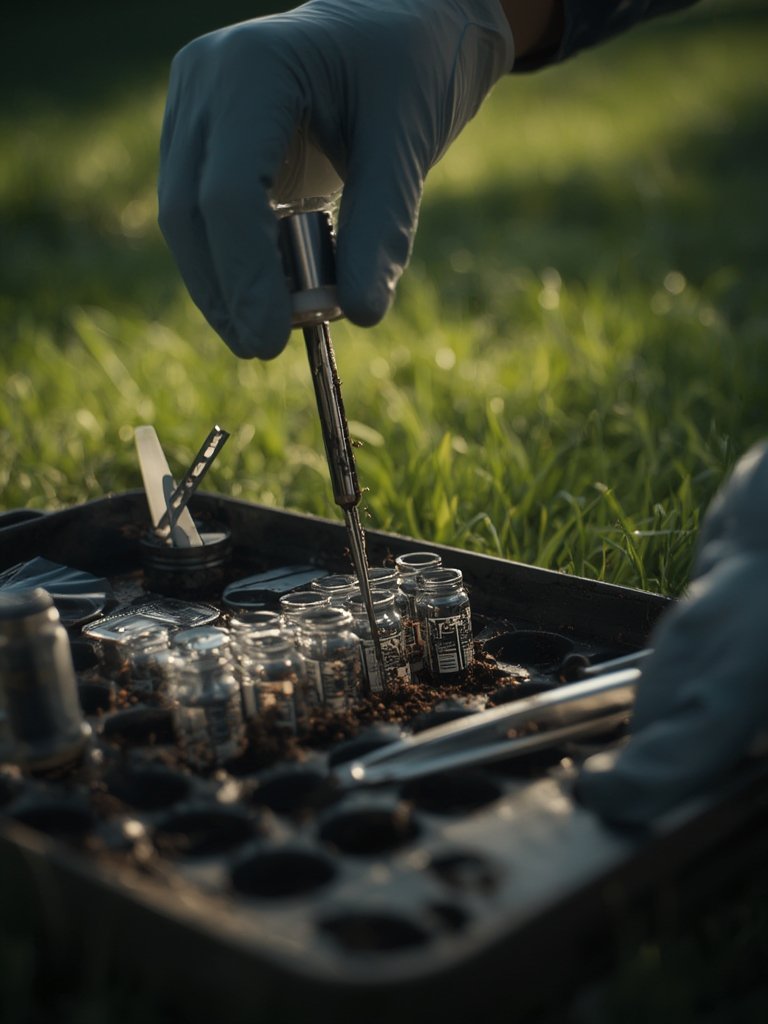
If you discover your soil has unique needs (like being sandy, compacted, or deeply alkaline/acidic), combining soil test data with advanced improvements—like no dig gardening or installing permeable paving—can dramatically boost success. Consider integrating test results into these projects for maximum efficiency and resilience.
And if eco-friendly garden makeovers are on your mind, knowing your soil’s profile first supercharges efforts like planting native pollinators or creating a custom edible landscape.
Advanced Analysis & Common Pitfalls
Not all soil testing services or kits are created equal. Here are the most common issues and mistakes gardeners and farmers face:
| Factor | Basic Home Kit | Advanced Digital Kit | Professional Mail-In Service |
|---|---|---|---|
| Upfront Cost | $10–$50 | $50–$200 | Usually higher, often $40–$200/sample |
| Turnaround Time | Immediate (DIY) | Immediate/Short | Several days to 2 weeks (mail, lab) |
| Accuracy (see source) | Low–Medium (color can be subjective) | Medium–High (digital reduces error) | High (lab-grade, covers more nutrients) |
| Measures | pH, major macronutrients (NPK) | NPK + minor nutrients (some); digital pH/EC | Full macro, micro, organics, texture, pH |
| Common Pitfalls |
– Subjective color readings – Misses micronutrients and organics – Inconsistent results across kits |
– Higher cost – Still may lack lab calibration – Results may vary by unit/brand |
– Slow (shipping/wait for report) – Sometimes generic advice – Costly if testing many spots |
- Cheap home kits often only cover NPK and pH—limiting their usefulness for specialty gardens or areas with odd growth issues.
- Professional services are more reliable but take time; this is important if you need results for a planting deadline.
- Digital innovation (like smartphone integration) is closing the gap, but costs more and still may not match a full lab analysis.
- No matter your choice, poor soil sample technique (e.g., sample from just one spot, dirty trowel, wet soil) ruins results for any method.
For more in-depth detail on the pros and cons, see this market comparison and detailed adoption report.

Conclusion
Smart landscaping, sustainable gardening, and precision farming all start with accurate, actionable data. Whether you invest in a professional lab analysis or use a home kit, soil testing services put you in the driver’s seat. If you want thriving gardens, less fertilizer waste, or a lawn conversion project that actually works, testing is the most cost-effective first step. Ready to get started? Choose the best soil testing services for your project and take control of your growing success.
Need results fast or advice on next steps? Reach out for professional support, or explore related guides below for soil-boosting strategies that work. Don’t guess—test today!
Frequently Asked Questions
What does a soil test actually measure?
A soil test typically measures pH, macronutrients like nitrogen, phosphorus, and potassium (NPK), and sometimes micronutrients, organic matter, and soil texture. Professional services provide the most detailed results, while home kits tend to cover basics.
How do I know if I should use a home kit or a professional soil test service?
If you need a quick check for a lawn or small garden and cost is a concern, a home kit works. If your yield or plant health is critical, or if you’re trying to solve a persistent problem, mail-in professional soil testing services offer the most reliable and actionable data.
How often should I have my soil tested?
Test soil at least every two years for normal gardens or lawns. For high-value crops or intensive production, annual sampling—once in spring and again in fall—is ideal.
Can soil tests detect contaminants or heavy metals?
Most basic home kits do not test for contaminants or heavy metals. Specialized laboratory analysis is required if you have concerns about pollution, lead, arsenic, or other issues—especially in urban gardens or former industrial sites.
What mistakes should I avoid when collecting my soil sample?
Don’t use dirty tools, don’t take samples when the soil is overly wet, and always collect from multiple locations within the area you plan to plant. Mix subsamples for the most representative result.