

Rain garden design is one of the most effective ways to manage stormwater runoff at home, lower pollution, and add lasting beauty to your landscape.
Key Takeaways
- Proper rain garden design can reduce stormwater runoff by up to 89% and remove as much as 90% of pollutants from rainwater.
- Soil conditions, layout, underdrain design, and catchment area sizing are critical for real-world performance and low-maintenance success.
- Most installation errors come from underutilizing infiltration capacity, poor flow distribution, and not adapting to site-specific soil conditions.
- Rain Garden Design: What It Is and Why You Need One
- How to Design a Rain Garden: Step by Step
- Advanced Analysis & Common Pitfalls
- Conclusion
- FAQ
Rain Garden Design: What It Is and Why You Need One
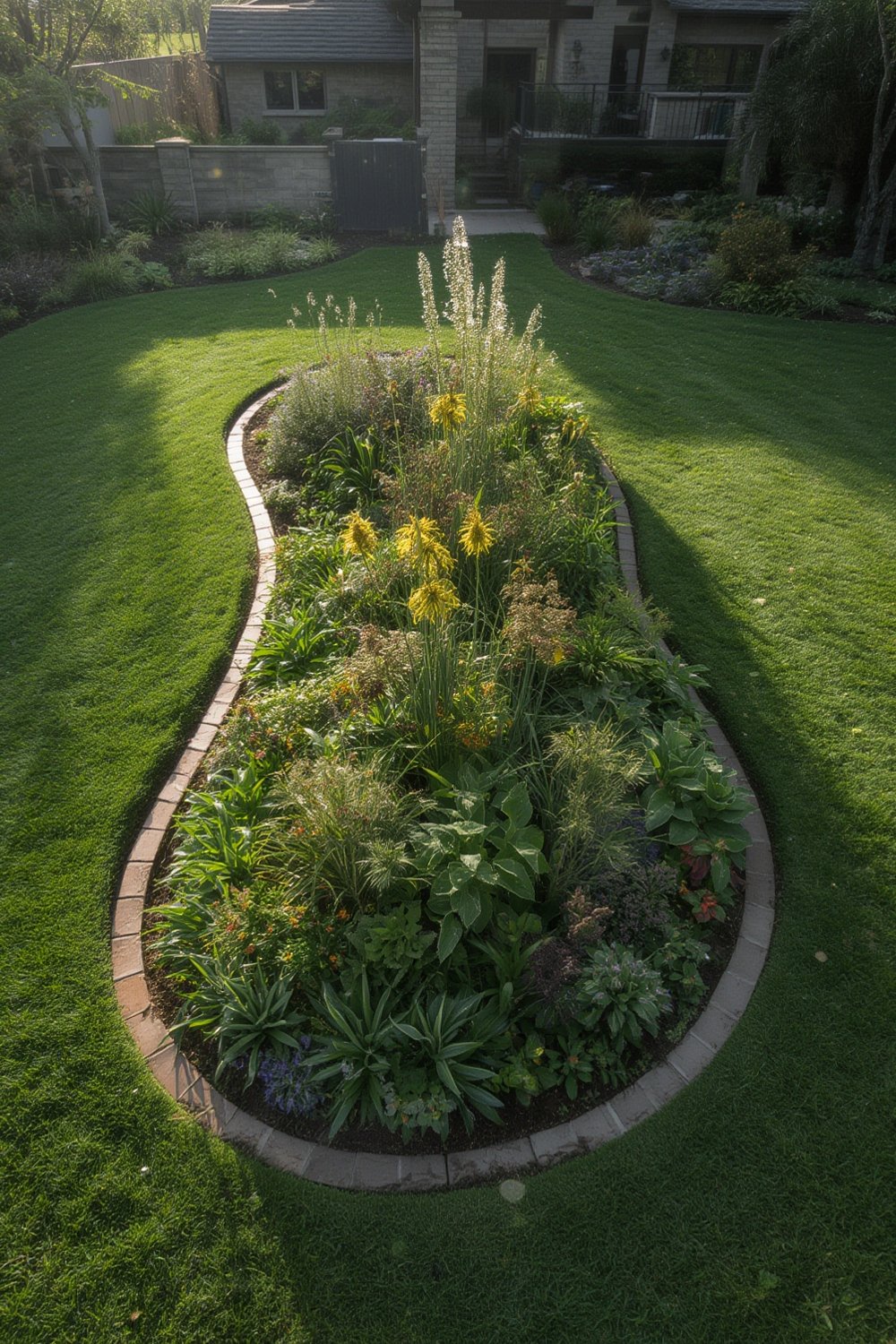
A rain garden is a shallow landscaped depression that captures and absorbs stormwater runoff from roofs, driveways, and other hard surfaces. These gardens filter out pollutants, give water time to slowly soak into the soil, and support resilient plant growth. The main goals of rain garden design are to:
- Reduce the amount and speed of runoff leaving your property
- Filter and trap pollutants before they reach waterways
- Lower soil erosion and flooding risks
- Create habitat for beneficial insects and birds
When designed well, rain gardens have proven to lower stormwater volumes by as much as 89.2% and reduce sewer discharges by over 80% in real-world city installations (Gary, Indiana data). They can also remove up to 90% of nutrients and chemicals in the runoff, and as much as 80% of sediments, making them an excellent investment for sustainability and resilience.
How to Design a Rain Garden: Step by Step
-
Choose the Best Location
Identify an area at least 10 feet downslope from your home’s foundation, where water naturally drains after heavy rain. Avoid spots over septic fields. Use natural land slopes to your advantage. -
Calculate the Catchment Area
Measure the roof or hardscape area draining toward your garden. The area of your rain garden typically ranges from 10% (sandy soils) to 20% (clay soils) of this catchment. For high loading ratios (up to 10:1), ensure special attention to soil design and overflow. -
Test and Amend the Soil
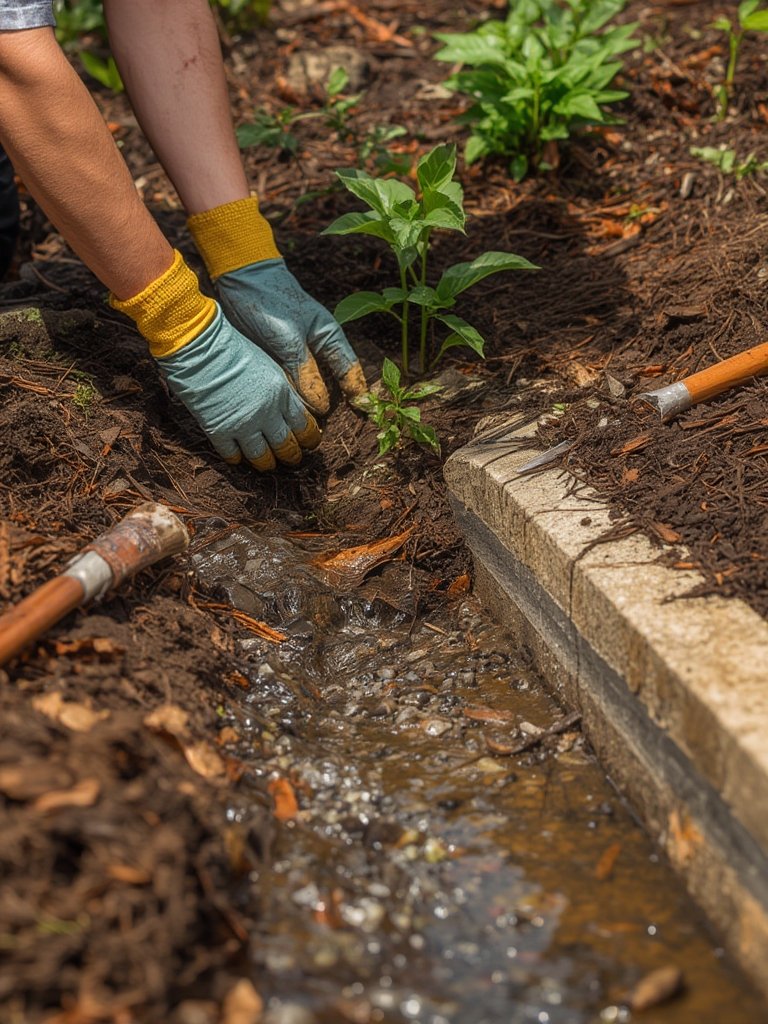
Dig a test hole about 8 inches deep. Fill with water and time how quickly it drains. If water drains within 24 hours, your soil is suitable. Amend with sand and compost if needed, especially for clay or very compacted soils. -
Excavate and Shape the Garden
Dig to a typical depth of 6 to 12 inches. Create gentle, bowl-like contours to spread and hold water. Slope sides at 3:1 for easier mowing and healthier plant growth. Direct inflow (from downspouts or drains) using rocks or splash pads. -
Design the Subsurface and Overflow
The real performance comes from how the underlayer is built. Install a gravel layer at the bottom (4–12 inches deep) for storage and drainage. Place an underdrain pipe only if your soil never drains after 48 hours.
Set overflow points (level spreaders, outlet pipes, or weirs) lower than your house but higher than lawn or street, allowing safe discharge during huge storms. -
Plant Selection and Layout
Choose mainly deep-rooted natives adapted to local rainfall extremes. Place moisture-loving plants in the center and drought-tolerant species around the edge. For tips on regionally resilient, low-water landscapes, see our guide to drought tolerant landscaping. -
Mulch, Seed, and Water
Apply 2–3 inches of shredded hardwood mulch to suppress weeds and prevent erosion. Water thoroughly after planting, then let rainfall do the rest. -
Maintain for Year 1
Weed by hand while plants build strong roots. Prune and add mulch annually. Once established, maintenance needs drop sharply.
For a seamless landscaping upgrade that ties your rain garden into a cohesive yard, read how to find the number 1 landscaping services near you.
Advanced Analysis & Common Pitfalls
While rain gardens are proven high performers, many DIY and even contractor-built installations fail to reach their true potential. Research reveals these common issues:
- Underutilized Infiltration Area: Many gardens only activate a fraction of the available soil due to poor flow spread or single-point inflows (source).
- Poor Subsurface Design: Relying only on surface ponding without a gravel layer or a well-placed underdrain means much less storage. Subsurface layers can infiltrate 2–3 times more water per storm event.
- Mistakes in Sizing: Using default “rules of thumb” instead of precise catchment calculations or not adjusting for site-specific soil permeability can cause overflow and standing water.
- Ignoring Soil Tests: Not testing infiltration rate is the most direct route to future puddles, plant stress, and maintenance headaches.
- Poor Plant Choices: Using non-adapted ornamentals or placing drought-sensitive species in the center can lead to plant loss and weed invasion.
| Design Feature | Best Practice | Common Mistake | Impact |
|---|---|---|---|
| Subsurface Storage | Gravel layer & deep media | Too shallow/none | Higher infiltration, less overflow |
| Flow Distribution | Multiple level inlets & spreaders | Single point inlet | Activates more of garden’s infiltration surface |
| Underdrain Placement | Only if & where needed | Unnecessary or poorly placed | Prevents both standing water and too-quick drainage |
| Catchment Ratio | Engineered calculations | ‘Rule of thumb’ without site data | Right-size for storm volumes, less overflow risk |
| Soil Testing | Multiple locations, multiple depths | No test or one spot only | Adapts design to site, reduces plant failure |
Also, be aware that rain gardens are not maintenance-free. Year one weeding is critical, and edges may need to be re-mulched or mowed. If you want ultra-low-maintenance planting, check out native plants for pollinators for a resilient, wildlife-friendly palette.
Not sure if a rain garden is the right upgrade? Compare with water-wise alternatives in our drought tolerant landscaping resource.
Conclusion
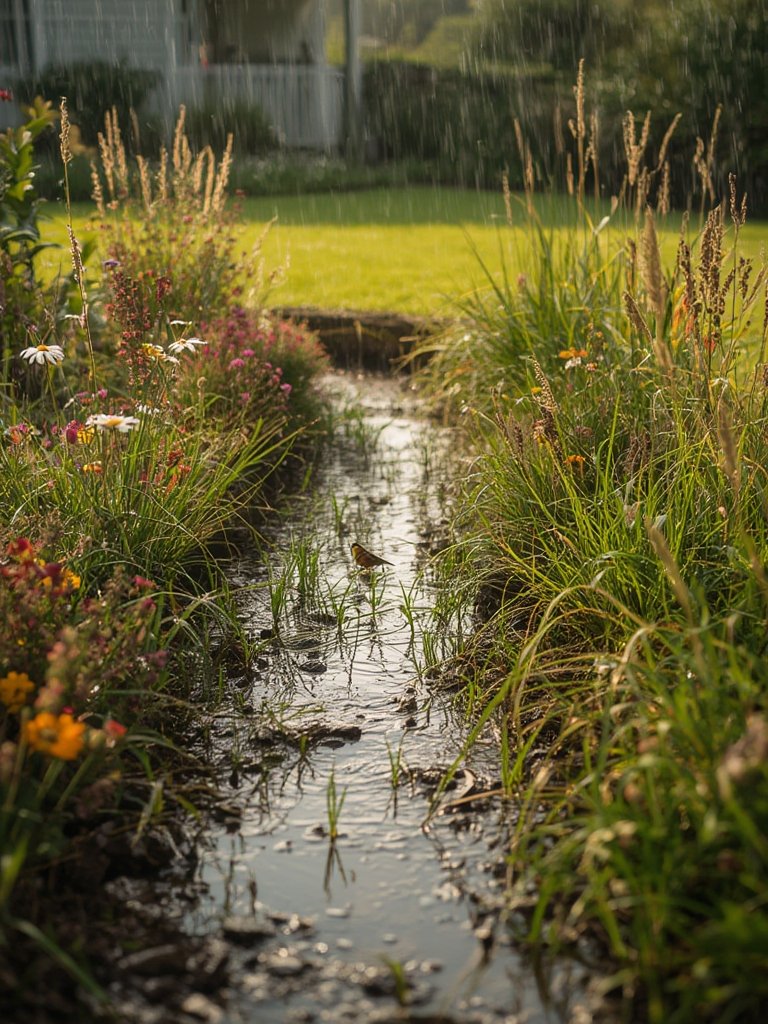
Well-executed rain garden design provides huge returns, safely soaking up stormwater and filtering pollution before it ever leaves your yard. The real impact depends on careful sizing, underground storage, flow spread, and sensible plant choice. Avoid shortcuts and test your soil for best results. Ready to make your property more resilient? Use our rain garden design guide to start today — your landscape, local streams, and home’s value will all benefit.
To get expert help or tackle bigger site projects, explore our guide to choosing the right home repair and appliance services.
Transforming your landscape? Don’t forget to enhance the rest of your home—see your complete guide to successful bathroom and kitchen remodels for more curb appeal and comfort.
FAQ
How deep should I make my rain garden?
Most home rain gardens are 6-12 inches deep, but depth depends on the volume of runoff, soil infiltration rate, and desired storage. Always dig test holes and adjust depth so that water drains within 24-48 hours.
Do I need a liner or underdrain in my rain garden?
You only need an underdrain in very poorly draining soils (heavy clays or compacted fill). Liners are almost never used; in fact, infiltration into native soils is the goal.
Which plants are best for rain gardens?
Native deep-rooted plants are preferred for resilience and pollution filtering. Moisture-loving species go in the center, drought-tolerant ones around the rim. For detailed lists, see our native plant guide.
Will mosquitoes be a problem in a rain garden?
Properly designed rain gardens drain in less than two days, so mosquitoes do not have time to breed. Long-standing water after storms signals a design issue—test your soil and adjust depth or media as needed.
What if my yard has slow-draining clay soil?
Clay soils require more careful design: add sand or gravel amendments, increase media depth, and consider an underdrain. Even in slow soils, research shows you can still reduce runoff by 36–59% when properly built (source).