

Permeable paving solutions are gaining popularity as cities and homeowners battle flooding, runoff, and water pollution. If you’re searching for smart, eco-friendly ways to pave driveways, patios, or walkways, modern permeable systems deliver real advantages—with a few real-world caveats to watch out for. Here’s an actionable breakdown with latest data, expert guidance, and pitfalls the top-ranking articles miss.
Key Takeaways
- Permeable paving solutions can provide superior stormwater control, durability, and aesthetics, but require careful installation and moderate maintenance.
- Actual costs, HOA compatibility, weed growth, and cold-climate performance are often glossed over—know these before investing.
- Proper base prep, drainage planning, and product selection are essential for a successful, long-lasting permeable pavement project.
- What is Permeable Paving—and Why Does It Matter?
- Step-by-Step Guide: Installing Permeable Paving Solutions
- Advanced Analysis and Common Pitfalls
- Conclusion
- FAQ
What is Permeable Paving—and Why Does It Matter?
Permeable paving solutions use materials and construction methods that allow water to pass through the surface and into the ground, rather than running off into storm drains. Unlike traditional concrete or asphalt, this system helps recharge groundwater, reduces flood risks, and minimizes environmental impact. Options include specialized concrete or clay pavers, Plastic grid systems filled with gravel or grass, pervious concrete, and porous asphalt.
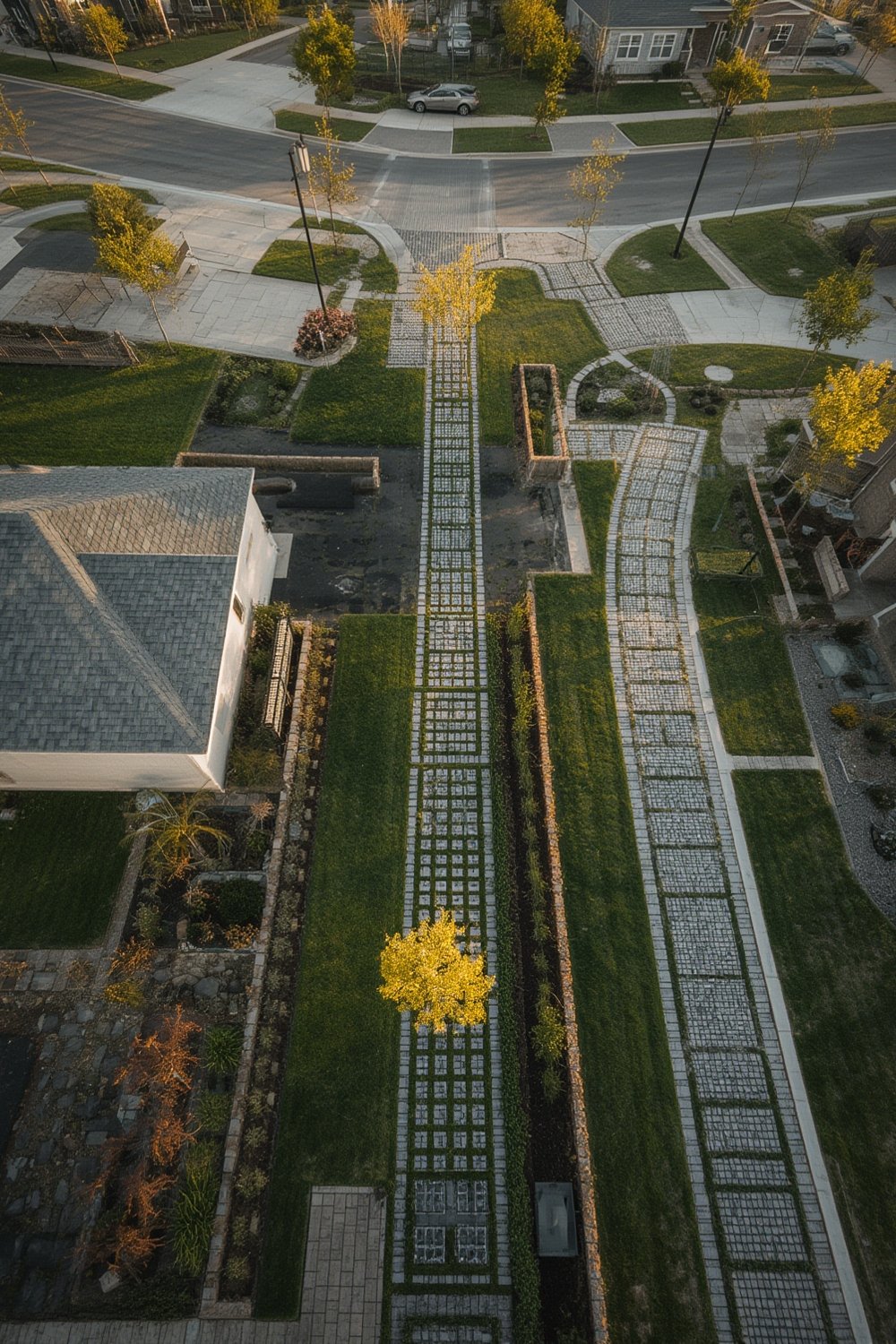
Homeowners benefit with less puddling, lower maintenance, and sometimes stormwater credits. Many also discover improved curb appeal and longer-lasting surfaces. Modern options are engineered for heavy loads, minimal clogging, and strong color stability—making them fit for driveways, patios, paths, and even parking lots.
If you want to blend sustainability with real performance for your outdoor projects, permeable paving can be a strategic upgrade. It’s wise to look at how these materials stack up in practice, rather than just in the marketing brochures.
Step-by-Step Guide: Installing Permeable Paving Solutions
-
EVALUATE YOUR SITE
Check drainage patterns, slopes, and soil type. Most permeable systems work best on gentle slopes and soils that aren’t pure clay. -
PICK THE RIGHT MATERIAL
- Interlocking permeable pavers (concrete, clay, or stone): Ideal for driveways and patios, super high infiltration via small stone joints.
- Plastic grid systems (e.g., TRUEGRID): Best for grass or gravel surfaces, heavy load capacity, no need for sloped installation.
- Pervious concrete or porous asphalt: Suited for large areas like commercial lots. Home use is possible, but requires specialized install.
-
INSTALL A PROPER BASE
Excavate to the required depth (often 12–18 inches for driveways), removing all organics. Place a layer of clean, washed, crushed stone or gravel with graduated sizes for drainage and load support. -
EDGE RESTRAINTS & SLOPE
Install strong borders to prevent pavement shifting or ruts. Unlike typical impermeable paving, plastic grids and many pavers do not need a 2% slope—install flat for maximum infiltration. -
LAY THE PAVERS OR GRIDS
Install interlocking pavers tightly with quality edge restraints. For grids, lock the panels together and fill with gravel or soil/grass as specified. -
JOINT TREATMENTS
Use permeable aggregate (small, clean stone) or modern polymeric sand resistant to clogging for paving joints. This maximizes water flow and reduces weed growth. -
COMPACT AND CLEAN
Compact paver surfaces and sweep off excess joint material. Water the joints to settle everything in place. -
ANNUAL MAINTENANCE
Inspect joints and fills for debris, weed growth, or silt—clean with a shop vac, broom, or pressure washer. Replace/refresh aggregate or grid fill as needed to keep infiltration rates high.
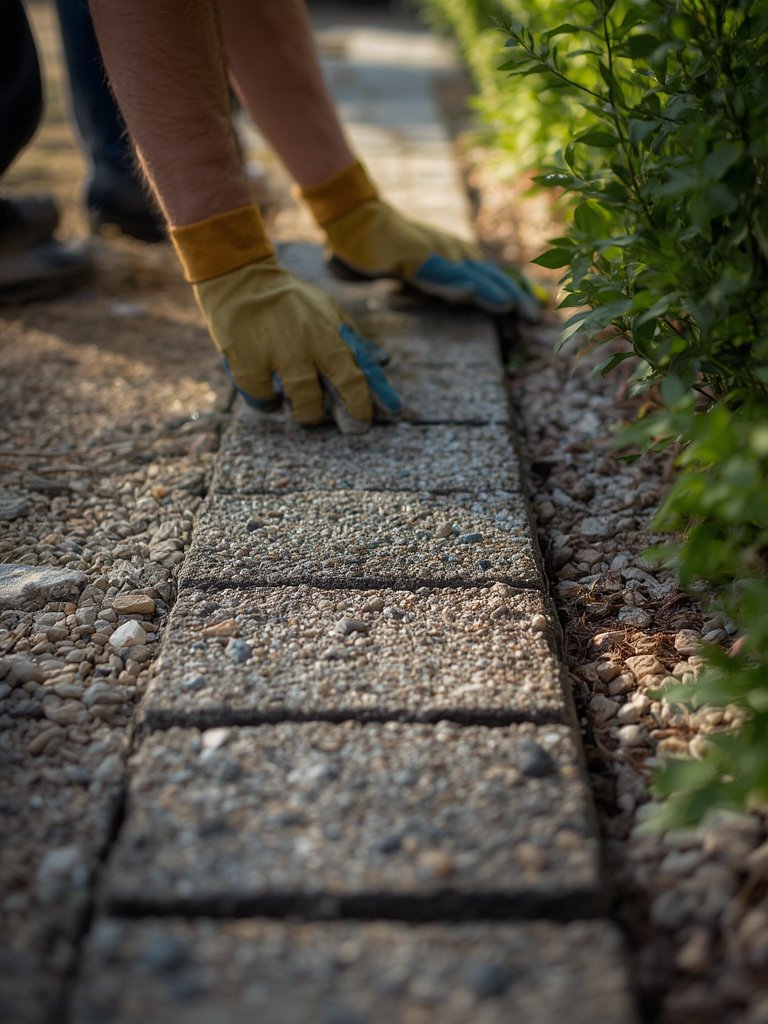
Curious about boosting your project’s visual impact? Permeable pavers like Belgard offer color-stable finishes for 15+ years without sealing. For a more rustic effect, TRUEGRID grids can be filled with local gravel or grown with turf, blending with drought tolerant landscaping.
Want to coordinate your permeable project with larger upgrades? Explore how landscaping services can assist in comprehensive outdoor makeovers for stunning yards.
Advanced Analysis and Common Pitfalls
Real-life permeable paving isn’t plug-and-play. Even the best products can underperform if not installed with proper base, edge, and ongoing care. Below, see the strengths and limits of the main options, plus common homeowner missteps.
| Paving Type | Infiltration Rate | Lifespan | Maintenance Needs | Notable Issues |
|---|---|---|---|---|
| Permeable Concrete Pavers | 1,000+ in/hr (source) | 30+ years | Low/moderate | Weed growth in joints Improper base leads to rutting |
| Clay Brick/Natural Stone Pavers | Very high | 50–100+ years | Low/moderate | Cost is high Weed in joints |
| Plastic Grid Pavers (e.g., TRUEGRID) | Very high | 15–25 years | Moderate | Debris/soil infill clogs Turf may die back in shade |
| Pervious Concrete | High (not specified) | 20+ years* | Moderate/high | Requires pro install Limited by cold climates |
| Porous Asphalt | High (not specified) | 10–20 years* | Moderate | Performance varies by product Not for extreme freeze cycles |
*Data on concrete/asphalt lifespan is approximate due to limited 2023–2024 studies.
- Lack of Quantified Cost Data: Current U.S. data lacks exact per-square-foot pricing for 2024, but long-term costs are typically lowest for permeable pavers and highest for natural stone options.
- HOA and Historic Compatibility: Most suppliers don’t guarantee HOA or historic district approval—always check local regulations before committing. Some homeowners have success blending plastic pavers with grass or gravel to match neighborhood guidelines.
- Cold-Climate Performance: Freeze-thaw can damage pervious concrete and porous asphalt if drainage isn’t perfect. Choose a system rated for your region and use clean, non-clogging base layers (see full guide).
- Weed Growth: Joints and grass pavers are susceptible to weeds. Regular sweeping and weed prevention measures are needed, especially if topsoil washes into joints after storms.
- Handling Oils and Fluids: No permeable system is immune to staining from oil leaks. Regular cleaning and, if needed, specialized aggregates that help filter pollutants can help keep surfaces looking new.
- Maintenance Gaps: Occasional vacuuming or pressure washing prevents joint clogging. Neglect rapidly reduces permeability. Plan for this especially if you have overhanging trees.
- No Federal Stormwater Incentives: While the EPA touts benefits, there are currently no major 2024 U.S. incentives for permeable paving—though some municipalities might offer small rainwater credits.
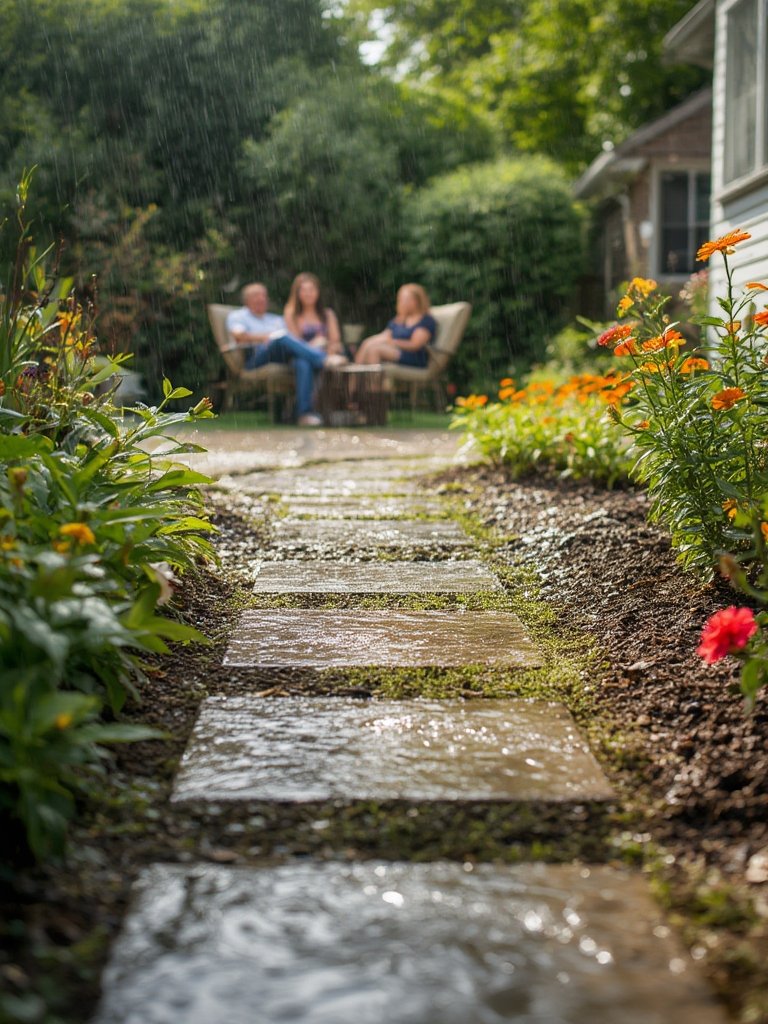
For more on improving stormwater management even further, don’t overlook combining paving with a rain garden or rewilding lawn alternative for runoff absorption.
Conclusion
Permeable paving solutions offer practical, eco-friendly paths to better drainage and appealing outdoor spaces—when you address base prep, joint maintenance, and local zoning concerns up front. Use quality installation practices and stay proactive about weed and debris control. If you value sustainability and longevity in your driveway or patio, upgrading to permeable paving solutions could be one of your most rewarding projects this year.
Ready to take the next step? Explore tailored landscaping strategies with expert help or blend your new surface with native plants for a full eco-upgrade. Contact local pros, check HOA rules, and get quotes for a custom permeable system that fits your goals and budget.
FAQ
Are permeable paving solutions suitable for driveways with heavy vehicle traffic?
Yes. Modern permeable pavers and heavy-duty plastic grids like TRUEGRID are engineered for the weight of trucks and cars when installed on a proper open-graded gravel base. Always check manufacturer specs for load rating and follow base prep closely for long-term durability.
How do I prevent weeds in paver joints or grass paver systems?
Use polymeric jointing sand with weed inhibitor properties for pavers and regular maintenance for grass pavers. Sweep debris regularly and, if needed, apply a targeted herbicide or lay down geotextile fabric where feasible.
What type of maintenance do permeable surfaces require?
Inspect at least twice per year. Remove surface debris, vacuum out clogged joints, and refresh joint aggregate or fill. Promptly address oil or fluid spills to prevent staining, especially with open-graded gravel or grass grids.
Can I install permeable paving as a DIY project?
Small patio or pathway projects with modular pavers or grids can be DIY-friendly, provided you excavate and grade the base correctly. Large driveways or commercial lots benefit from professional installation to meet load and drainage requirements.
Is there a cost advantage to permeable paving over traditional concrete?
While upfront costs may be slightly higher for some systems, permeable pavers often offer lower long-term costs due to reduced maintenance and longer lifespan. There’s little data on exact U.S. 2024 prices, but permeable solutions may also help avoid costly drainage upgrades.