

### Blog Post:
Organic lawn care program methods are rapidly gaining attention from families with children and pet owners who want a safe, eco-friendly yard—without harsh chemicals. But switching to all-natural lawn care brings unique opportunities and trade-offs. This guide walks you through what works, what doesn’t, and how to realistically start your journey with an organic lawn care program.
Key Takeaways
- Organic lawn care programs require more time, effort, and weed tolerance up front but can lead to safer, more resilient lawns.
- OMRI-certified products and cultural practices like aeration, overseeding, and mowing at the right height are key for long-term success.
- Expect higher initial costs and maintenance, but long-term savings over chemical-based lawn care as your soil health improves.
- The Core Concept: What Is an Organic Lawn Care Program?
- Step-by-Step Guide: How to Start an Organic Lawn Care Program
- Advanced Analysis & Common Pitfalls
- Conclusion: Is an Organic Lawn Care Program Right for You?
- FAQ: Organic Lawn Care Program
The Core Concept: What Is an Organic Lawn Care Program?
An organic lawn care program centers on creating a yard that’s safe for pets, kids, and the environment by eliminating synthetic chemicals. Instead, you’ll use OMRI-certified fertilizers, soil amendments, and natural weed/pest controls. The focus is on improving soil health so grass can resist pests, diseases, and drought. Unlike traditional chemical programs, results build season by season as your soil becomes more alive and balanced.
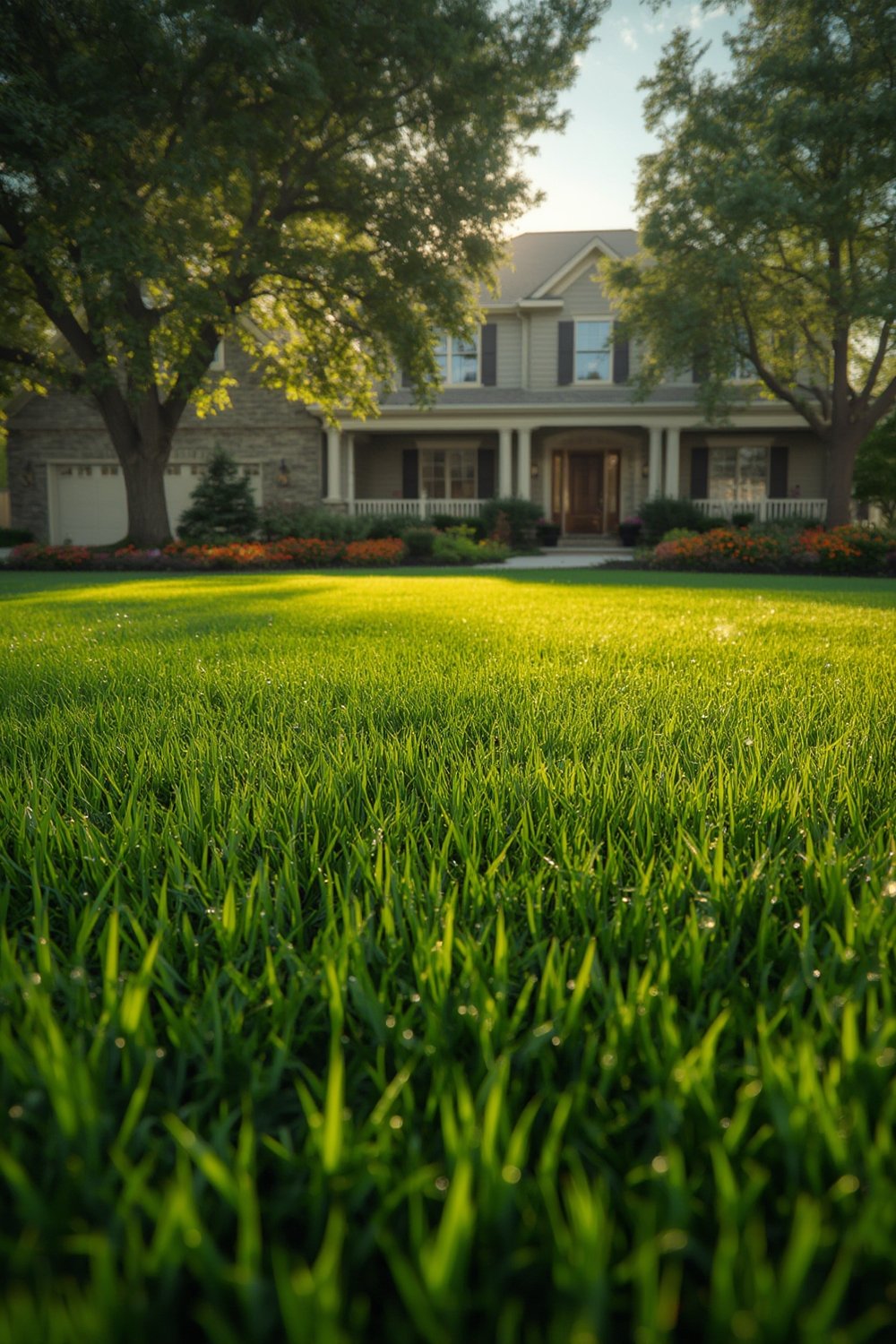
Demand is booming, especially among dog owners and families. As reported in Lawn & Landscape, pet safety and protecting kids are major drivers. Organic programs are most popular with double-income households, those who appreciate “family-friendly” options, and anyone ready to invest in safer home environments.
If you want to compare alternatives before diving in, see our step-by-step guide to robotic lawn mowers or get inspired by rewilding lawn alternatives for a low maintenance, eco-conscious yard.
Step-by-Step Guide: How to Start an Organic Lawn Care Program
Starting an organic lawn care program is more involved than simply swapping out a few products. Here’s exactly how to transition:
-
Test your soil first.
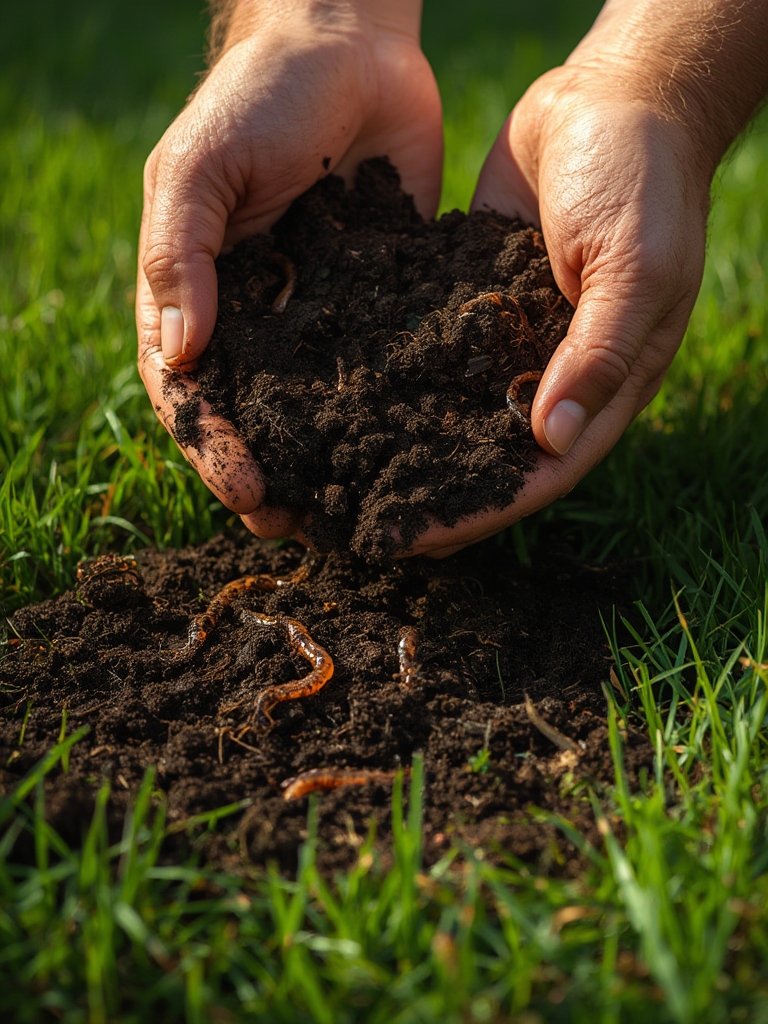
Before you spend on fertilizers, get a Test your soil. This step guides your nutrient plan for your specific region and grass type. Professional soil testing services are affordable and far more accurate than guessing.
-
Begin with cultural practices.
Build a foundation with aeration, topdressing ( add compost ), overseeding, and mowing high. Most organic lawn care failures stem from skipping these steps, not the products themselves.
-
Apply OMRI-certified fertilizers three to five times per season.
Use slow-release products (e.g., corn gluten meal) suited to your grass and climate. For pre-emergent weed control, OMRI-certified fertilizers non-GMO corn gluten is a proven choice. Apply in early spring and again in fall for cool-season lawns.
-
Manual and non-toxic weed management.
Embrace manual techniques (hand pulling, weed knives) plus family-safe products. Use non-toxic options like diatomaceous earth for pests—a great addition if you’re growing ornamental food gardens nearby.
-
Regular overseeding.
Every fall and in bare spots, overseed with a suitable grass variety to build density and suppress weeds long-term.
-
Water efficiently.
Set up smart irrigation systems or follow strict deep-watering routines. Healthy soil under an organic lawn holds moisture better, which eventually means less watering.
Interested in other eco lawn solutions? Explore meadow lawn conversion or swap grass for native pollinator plants with our regional pollinator plant list.
Timing your Transition: Many new adopters underestimate the time investment. Plan for at least one to two full seasons of increased work—manual weeding, ongoing overseeding, and increased mowing—before the maintenance curve drops.
For more info on reducing the chemical and water footprint of your yard, check drought tolerant landscaping strategies.
Advanced Analysis & Common Pitfalls
While the benefits of an organic lawn care program are clear, the process comes with real-world trade-offs. Here’s a breakdown of what you might face—plus how organic, hybrid, and chemical programs stack up.
Common Pitfalls
- Slow results: Organic approaches often require two to three seasons of consistent upkeep before you see a dense, green lawn.
- High weed tolerance is required: You must accept some weeds, especially in the first years. There’s no true “quick fix” compared to synthetic herbicides.
- Labor intensive: Expect more manual weeding, mowing, and seasonal overseeding.
- Initial cost: Upfront costs for organic services or OMRI products can be higher than chemical lawn programs, especially if you outsource.
- HOA or shared property issues: You may have trouble if you can’t control what neighbors or property managers use.
Cost, Time, and Product Comparison Table
| Program Type | First-Year Cost* | Main Tasks | Maintenance Time | Child/Pet Safety | Water Demand |
|---|---|---|---|---|---|
| Organic | $$$ (High Upfront) | Aerate, overseed, OMRI fertilizer, manual weeding | 2-4 hrs/month | Excellent | Reduces over time |
| Chemical-Based | $$ (Lower) | NPK fertilizer, broadleaf herbicide, fast-acting | 1 hr/month | Potential risks | Usually higher |
| Hybrid | $$ – $$$ (Varies) | Split inputs, use some chemical spot-treats | Varies | Depends on approach | Varies |
*First-year cost varies by region, lawn size, and DIY vs. professional service.
Source: Lawn & Landscape, Organic Lawns
Ingredients & Application Rates You Should Know
- OMRI-Certified Corn Gluten Meal: For pre-emergent weed control, apply at 20 pounds per 1,000 square feet in early spring. This is safe for pets and kids but will not kill existing weeds.
- Compost Topdressing: 1/4 inch layer spring and fall, improves soil structure.
- Diatomaceous Earth, Boric Acid: For surface pests, always choose food-grade, and use according to label directions—typically scattered thinly in problem areas.
- Regionally Appropriated Grass Seed: Overseed at 2 to 4 lbs/1,000 sq ft.
Peer-reviewed studies are limited, but experts agree organics reduce runoff risks, build resilient soil, and support pollinators—unlike synthetic options. For product choices, look for the OMRI seal for true organic status (source).
Conclusion: Is an Organic Lawn Care Program Right for You?
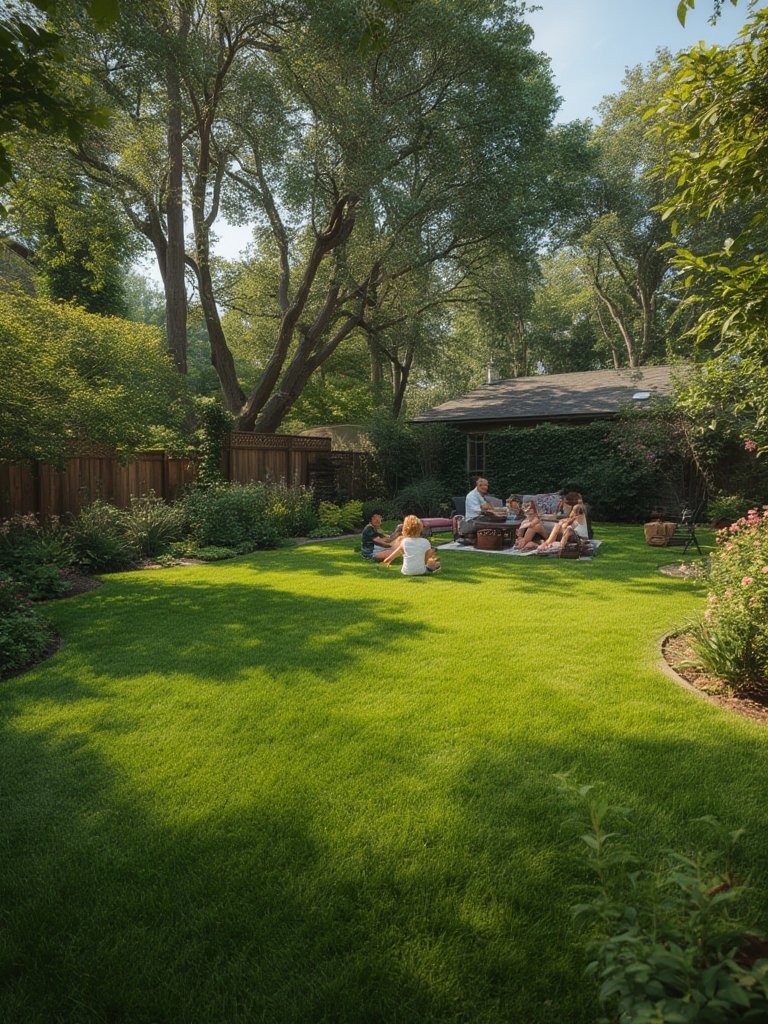
An organic lawn care program is best for those willing to play the long game—accepting some short-term weeds and higher costs for a low-toxin, resilient yard. You’ll enjoy safer outdoor play for kids and pets and can build a lawn that’s easier to maintain as soil health improves.
Ready for sustainable results? Start testing your soil, overseed this season, and choose only OMRI-certified products for your organic lawn care program. Want more yard inspiration? Browse our guides to drought tolerant landscaping and lawn replacement rebates for even more ways to go green.
FAQ: Organic Lawn Care Program
How long does it really take to see results from an organic lawn care program?
Expect noticeable improvement after one full growing season. Because you’re rebuilding soil health, best results come after two to three years of continual effort.
Is organic lawn care more expensive?
Yes, in the short term—mainly due to higher product and service costs. However, as your soil needs fewer inputs, annual costs may drop below those of chemical programs.
Can I use organic lawn care if I have a strict HOA?
Yes, but you may face challenges if neighbors use chemicals. Meet with your HOA to discuss preferred practices and communicate your safety concerns.
What do I do about stubborn weeds I can’t pull?
Use an OMRI-listed pre-emergent like corn gluten meal. Manual removal and regular overseeding are the best organic strategies. For extremely tough spots, consider planting groundcovers or native plants as living mulch.
Do I need special mowing equipment for organic lawns?
No, but sharp blades and regular mowing high are critical. For quieter, low-emission options, check out battery powered lawn equipment.
—