

No dig gardening method is changing the way home gardeners create productive, low-maintenance plots—without lifting a shovel. Backed by decades of no-till field research and countless hands-on experiments, this approach promises better soil health, less backache, and more bountiful harvests. But does it really work? Let’s dig in and get real about what you can expect from the no dig gardening method, pitfalls to avoid, and exactly how to set up a bed that thrives.
Key Takeaways
- Yields in no dig gardening method beds often match or exceed tilled beds over time—especially after year one.
- Cardboard and compost mulches boost soil life, but persistent weeds and slugs are real drawbacks to manage early on.
- Choosing the right materials is crucial to avoid introducing plastics or harmful chemicals to your soil.
- What is the No Dig Gardening Method and Why Use It?
- How to Start: Step-by-Step No Dig Garden Setup
- Advanced Analysis, Pitfalls, and Common Problems
- Conclusion
- Frequently Asked Questions: No Dig Gardening Method
What is the No Dig Gardening Method and Why Use It?
The no dig gardening method is a simple, soil-friendly way to grow vegetables without turning, digging, or disturbing the existing ground. Instead, you cover weeds and grass with layers of cardboard, compost, mulch, and organic materials, then plant directly into the new bed. Over time, the layers decompose, improving soil structure, moisture retention, and earthworm activity while suppressing most weeds.
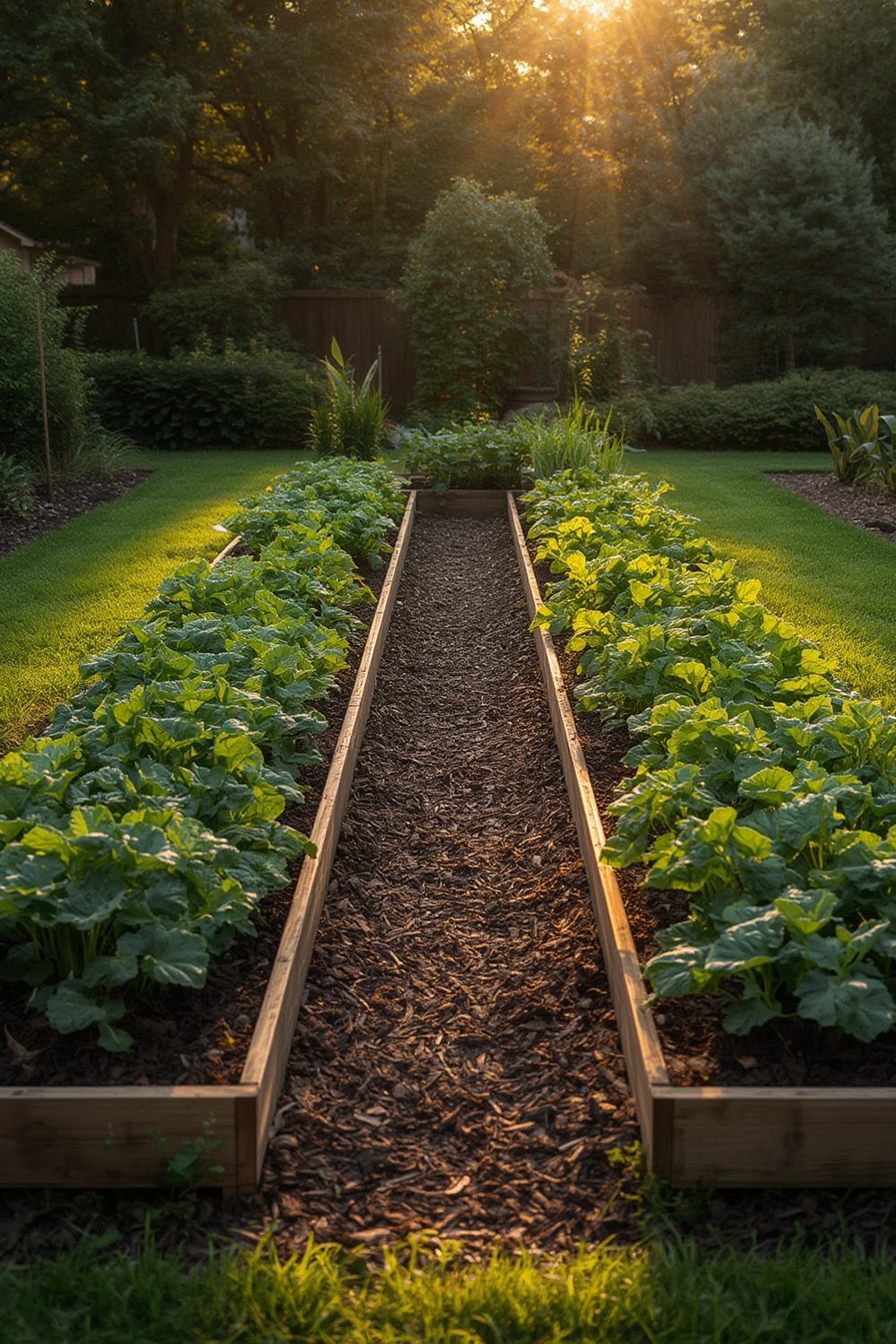
Decades of research from the Kellogg Biological Station long-term trials show that after an initial period, no-till systems beat or match conventional tilling for yield and outshine them for soil health. Reports from home gardens, such as Texas A&M’s 2024 extension guidance, echo these long-term benefits even at backyard scale.
Simply put: you get fewer weeds, better moisture retention, richer soil, and less physical work—once the initial setup is done.
How to Start: Step-by-Step No Dig Garden Setup
Ready to try no dig gardening yourself? Here’s an up-to-date, evidence-driven step-by-step guide, tailored for success in 2024.
- Pick your site. Choose a spot with adequate sunlight for your crops (ideally 6+ hours per day). Remove large debris and perennial weeds by hand if possible.
- Soak the ground. Especially if it’s dry, water well before adding any layers.
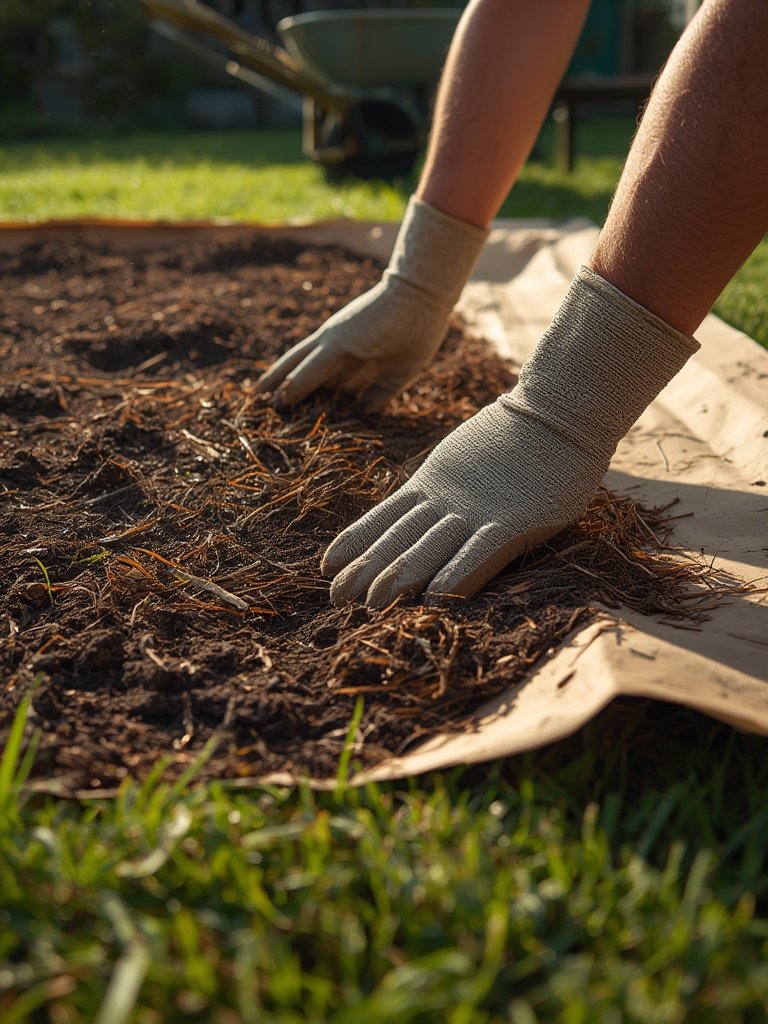
- Lay down cardboard. Overlap pieces (2–3 layers deep, no gaps) to smother grass and annual weeds. Remove plastic tape, labels, staples, and avoid glossy/waxed boxes (see “Safe Materials” section below).
- Add a compost layer. Spread 5–10 cm (2–4 inches) of finished compost. For high-yield vegetables, aim for the full 10 cm if possible.
- Create your mulch blanket. Top with another 5–10 cm of organic mulch: straw, wood chips, shredded leaves, or a mix. Keep mulch away from stems at planting time.
- Plant directly into compost. For transplants, use trowel to make a hole. For direct-sowing small seeds (carrots, salad mix), rake back mulch and sow into compost.
- Water thoroughly. Moisture is critical early on to help decomposition and seedling establishment.
- Maintain & top-up. Add a thin layer of compost or mulch each year to keep suppressing weeds and feeding soil life.
Cost breakdown (2024): Most gardeners can source cardboard for free. Bulk compost costs US$1.5–6 per m². Straw bales average US$6-12. If you buy all materials, figure US$2–8 per m² on average.
For more on sourcing compost and mulch in urban areas or how to blend no dig with other landscaping techniques, check out our guide on Finding the Number 1 Landscaping Services Near You.
Once established, no dig beds need only a top-up of mulch or compost each season — no digging, no backbreaking work.
Advanced Analysis, Pitfalls, and Common Problems
No dig gardening method beds are not magic. Understanding the most common problems (and how to avoid them) can mean the difference between thriving crops and frustration.
| Problem | Why It Happens | Prevention or Solution |
|---|---|---|
| Slugs, pillbugs, and other pests | Mulch and cardboard layers provide a moist, protected habitat | Hand-pick slugs, create barriers, avoid overwatering, and keep mulch thin near new seedlings |
| Nitrogen deficiency (slow, yellowed plants) | High-carbon layers tie up nitrogen as they decompose | Add more mature compost, supplement with organic fertilizer, avoid thick woody layers directly under veggies |
| Slow decomposition of cardboard/mulch | Dry or cold conditions, or very thick/coarse layers | Water regularly in dry spells, use thinner layers, break up coarse mulch |
| Perennial weed regrowth | Vigorous roots like Bermuda grass push through from below or around edges | Edge beds carefully, pull regrowth quickly, target roots before starting if possible |
| Rodents/invertebrates nesting in thick mulch | Deep mulch layers near fences or compost piles attract voles and cockroaches | Use thinner mulch, keep areas tidy, remove hiding spots, trap if needed |
| Water pooling or runoff | Intact cardboard or hydrophobic mulch repelling water | Pierce cardboard with a garden fork, wet mulch well, and use partially decomposed material |
| Bed settling (uneven surfaces) | Organic matter compresses/decomposes rapidly in the first year | Expect to top-up with compost or mulch; plan for settling when building up initial height |
| Labor/material sourcing challenge | Need for sufficient free cardboard, compost, and organic inputs, especially in cities | Split large projects into sections; source materials ahead; connect with arborists or municipal compost sites |
Climate and soil matter! In colder or high-clay soils, yields may lag behind until the soil biology builds up. For finesse, delay planting until soils warm, or use black landscape fabric to heat the surface in spring.
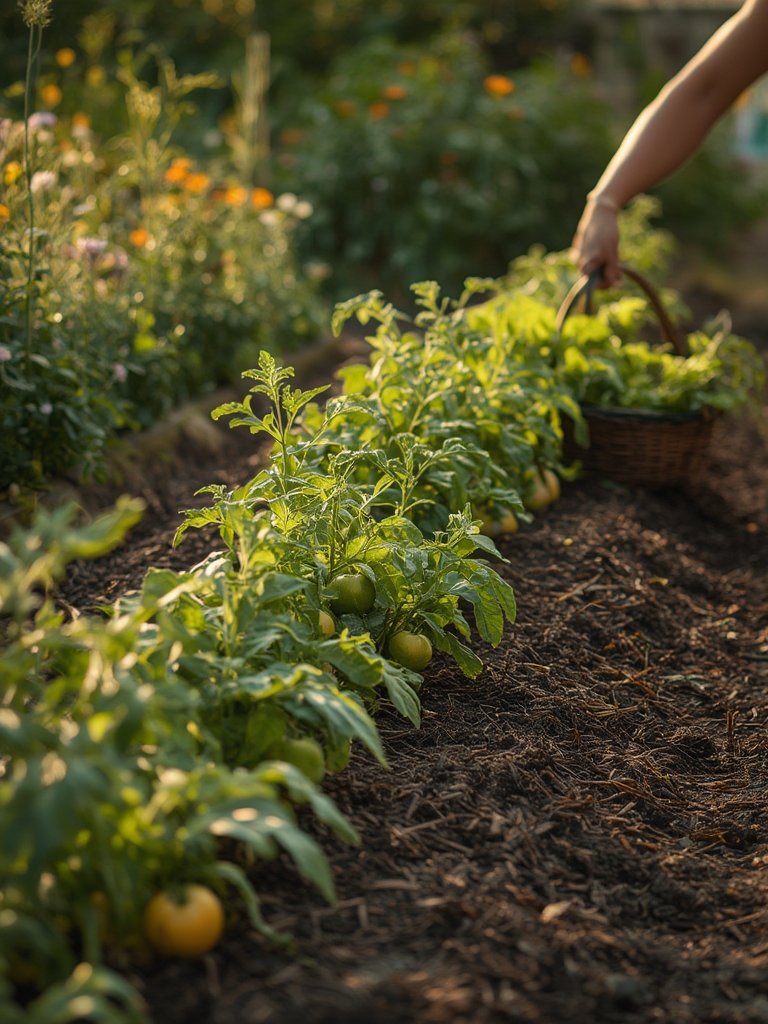
Not all crops react the same way. Root veggies like carrots may struggle if undecomposed mulch blocks their taproots, while peas, beans, and tomatoes thrive as the bed matures. If you’re also interested in other low-maintenance yard strategies, take a look at rewilding lawn alternatives for eco-friendly ideas that pair well with no dig beds.
Materials safety is not trivial: Only use plain brown, non-waxed cardboard. Remove all tape, staples, and glossy prints. Modern shipping boxes in North America and Europe are safe (see expert guidance). Avoid pizza, fast-food, and waxed produce boxes due to microplastics or PFAS risks.
There are currently no robust long-term controlled studies (5+ years) specifically tracking lasagna gardening in backyard settings for yields and soil biology. Most evidence is still extrapolated from field-scale no-till studies and practitioner reports.
For in-depth plant-by-plant advice or learning how to blend no dig beds with edible landscapes and pollinators, see our Edible Landscaping tips or the guide to native plants for pollinators.
Conclusion
The no dig gardening method offers real, research-backed benefits for soil health and homegrown harvests—if you set up your beds carefully and avoid common mistakes with materials and early maintenance. Practical results may take a season or two to shine, but patience pays off with better soil, fewer weeds, and easier gardening year after year.
Ready to build a healthier, less back-breaking garden? Start your own no dig bed this spring, and take advantage of this proven, low-disturbance approach. For even more efficient garden tools and landscaping ideas, check our reviews of robotic lawn mowers or see how drought tolerant landscaping can make your yard beautiful and eco-friendly. Whatever your vision, the no dig gardening method is an effective foundation for a modern, abundant garden.
Frequently Asked Questions: No Dig Gardening Method
Does cardboard break down in no dig beds, and is it safe?
Plain, brown corrugated cardboard biodegrades fully in most garden soils within months to a couple of years, depending on moisture and climate. Modern shipping boxes are safe if you remove plastic tape, staples, and avoid glossy or waxed coatings. Avoid pizza or fast-food boxes due to grease barriers and possible PFAS chemicals.
What if I have perennial weeds or aggressive grasses?
Cardboard and mulch suppress most annual weeds but perennial grasses (like Bermuda) often push through. Hand removal or digging may still be needed the first couple years. Edge beds carefully for long-term control.
Can I do no dig gardening in clay or very poor soils?
Yes, but initial yields may lag behind traditional tilling, especially in cold, heavy soils. Adding extra compost or raising the soil temperature with black mulch early in the season can help.
Is no dig gardening method lower cost than digging or tilling?
Material costs for compost and mulch may be higher up front, but you’ll save on equipment and recurring labor every year. Once established, annual costs drop.
What’s the minimum depth of compost or mulch to start?
For reliable weed suppression and plant health, use at least 5–10 cm (2–4 inches) of finished compost, topped with another 5–10 cm of organic mulch. Thinner layers can work but need more frequent topping up.