

Native plants for pollinators are the single most effective way to boost bee and butterfly life in your yard while supporting broader ecosystem health. Most home landscapes rely on non-native or ornamental plants that may look lovely, but they do little to help struggling pollinators. In contrast, a pollinator garden filled with local natives can support a remarkable range of species—and often needs less maintenance once established. Below you’ll find proven steps, real-life challenges, and practical solutions so you can create a pollinator haven that actually works for both you and the wildlife.
Key Takeaways
- Native plants are essential for specialist pollinators and create sustainable habitat, while ornamentals often provide little ecological value.
- Common issues include plant availability, misconceptions about native garden upkeep, and the need for more detailed regional guidance.
- Layering native grasses, host-specific blooms, and diverse flowering periods builds robust pollinator populations in any yard.
- What Are Native Plants for Pollinators and Why Do They Matter?
- Step-by-Step Guide: Building a Pollinator Garden with Natives
- Advanced Analysis & Common Pitfalls
- Conclusion
- FAQ: Native Plants for Pollinators
What Are Native Plants for Pollinators and Why Do They Matter?
Native plants for pollinators are flowers, grasses, shrubs, and trees that evolved locally alongside bees, butterflies, and other insects. Unlike common landscaping choices from overseas, these natives form the backbone of habitat, food, and nesting for specialist pollinators. Milkweed, for example, is the only food for monarch caterpillars, while certain native grasses are essential for butterfly larvae and ground-nesting bees. Using native plants instead of solely ornamental or non-native varieties builds a living bridge for wildlife—and research shows that real success depends on making large, region-appropriate plantings. If you want your outdoor space to truly support pollinators, going native is the most effective path.
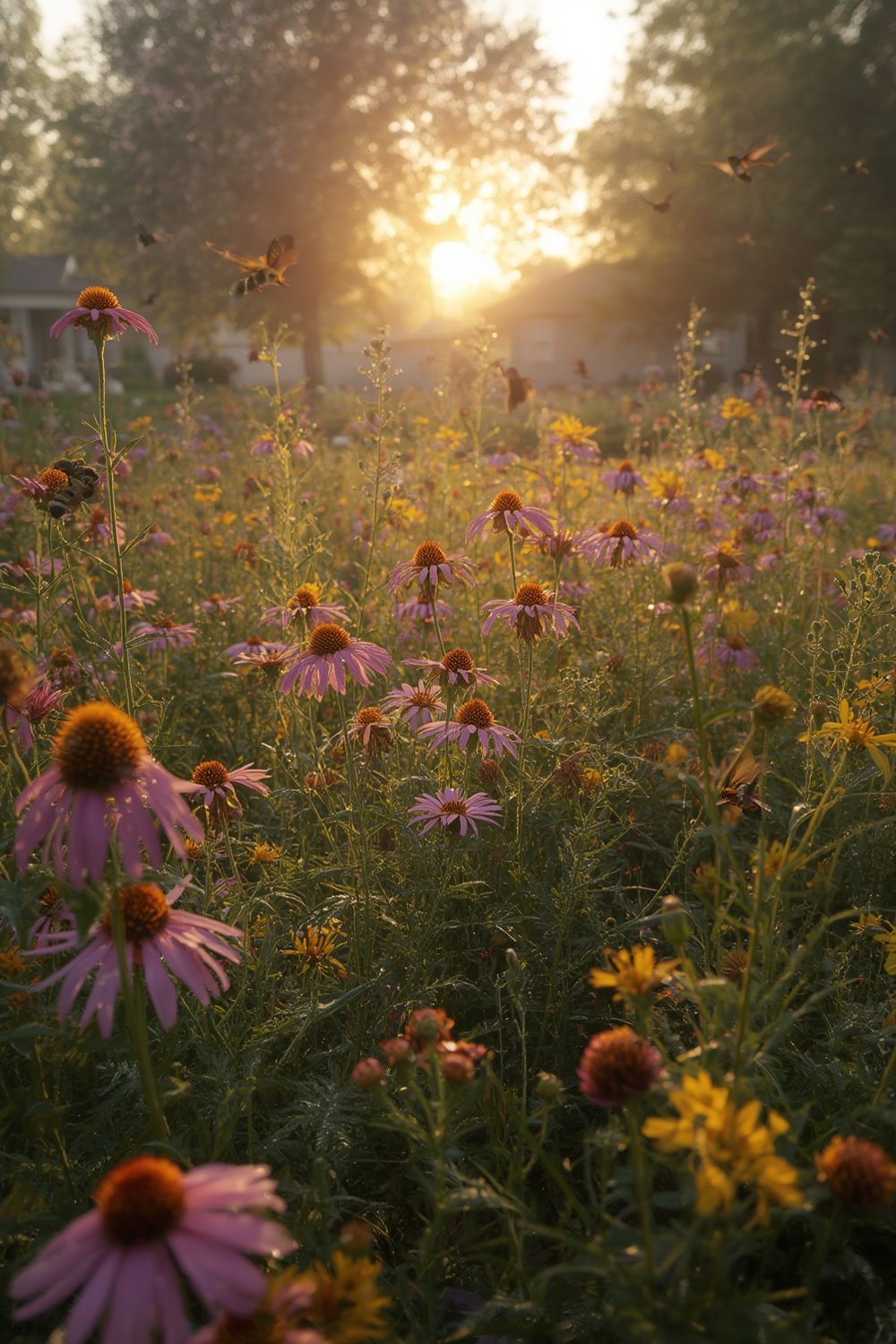
Step-by-Step Guide: Building a Pollinator Garden with Natives
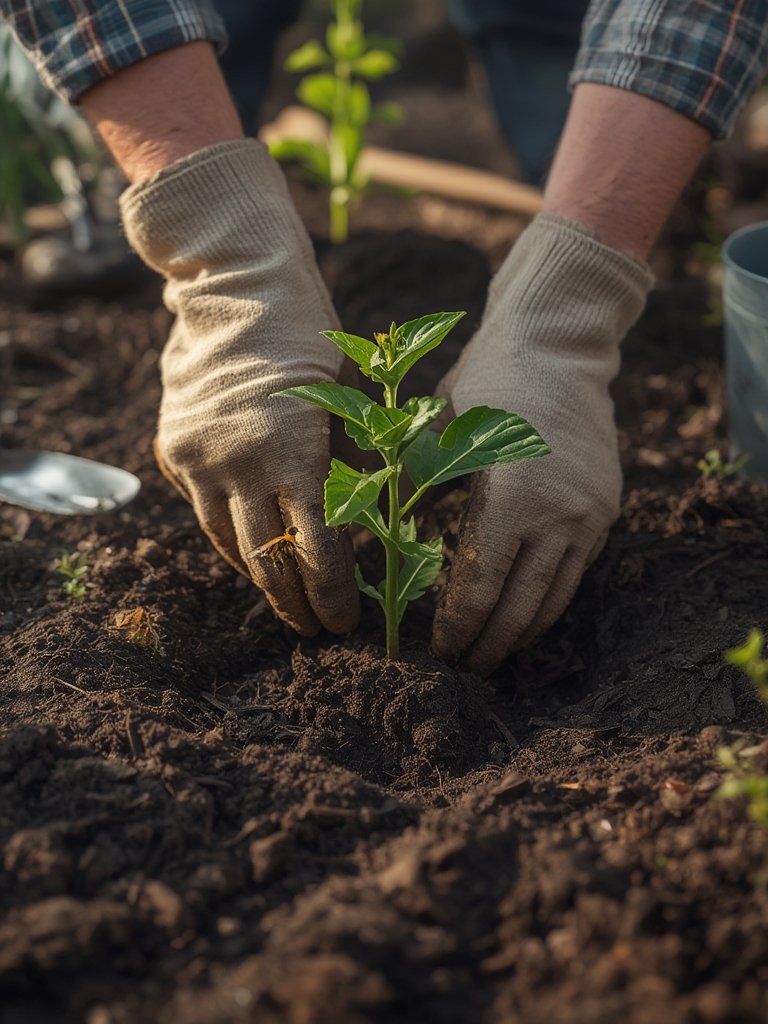
- Start with Regional Research. Use resources like local cooperative extensions, botanic gardens, or the Pollinator Best Practices Resource Guide to identify native species for your area—these often include bee-friendly wildflowers, milkweeds, and grasses.
- Assess Your Site. Sun, shade, soil, and drainage all matter. Many pollinator-supporting natives tolerate dry or rough conditions, so match selections to your yard’s real-life conditions. Consider water-wise choices if you’re in an arid region (explore drought tolerant landscaping ideas for synergy).
- Source Native Plants and Seed. Seek plant nurseries specializing in natives. If you struggle to find regional options, local plant societies can help. Avoid “wildflower mixes” that contain non-natives.
- Design for Layers and Bloom Times. Combine groundcovers, perennials, and grasses for shelter and staggered blooms—this extends nectar availability and supports a wider range of insects. Include overlooked grasses like Big Bluestem and Switchgrass for butterfly and bee habitat.
- Plant and Mulch Thoughtfully. Plant in groupings for visibility and easy foraging. Mulch with leaf litter or untreated wood chips—avoid landscape fabric or excessive mulch depth that prevents bee nesting.
- Reduce Chemicals and Mowing. Limit or eliminate herbicide and insecticide use, especially during bloom and nesting seasons. Let some grass and flower stalks remain through winter for hibernators.
- Observe and Adjust. Watch for visiting bees, butterflies, and birds. Add more native stems in future seasons if you see “bare spots” in foraging times. Record your observations—the Bumble Bee Atlas and similar community projects offer ways to contribute data.
- Want fast, hands-off mowing between native beds? Explore robotic lawn mowers.
- For small yards, compact remodel techniques can integrate native beds with paths and patios.
Advanced Analysis & Common Pitfalls
While a native pollinator garden has clear benefits, you may face these common frustrations and oversights:
- Lack of Plant Availability. Many local nurseries still stock more ornamentals than natives, requiring special orders or seeking out native plant sales.
- Maintenance Misconceptions. Initial years involve more weeding and care—native gardens look “wild” at first and may clash with neighbor expectations.
- Poor Plant Selection. Some pollinator lists skip vital species like grasses or host-specific flowers, limiting the garden’s real impact.
- Water and Climate Stress. Native blooms may halt mid-summer if you live in very hot, dry areas. Plan for more bloom variety or group plants by water needs (see UC extension guidance).
- Using Only a Token Patch. Science shows that a corner bed isn’t enough: many pollinators need at least 30-40% native habitat to thrive beyond minimal numbers.
For more advanced landscaping help, consider finding the number 1 landscaping services near you to plan or install your new garden.
| Factor | Native Pollinator Gardens | Traditional Ornamental Beds |
|---|---|---|
| Pollinator Visits | High (incl. specialists) | Low to moderate |
| Maintenance Need (First Three Years) | Moderate (weeding + watering) | Similar or less (if using turf) |
| Water Use (Long Term) | Lower when established | Ferrarianity seeds and fertilizer |
| Upfront Cost | Potentially higher | Variable—often less with turf, more with annuals |
| Wildlife Impact | Significant | Minimal |
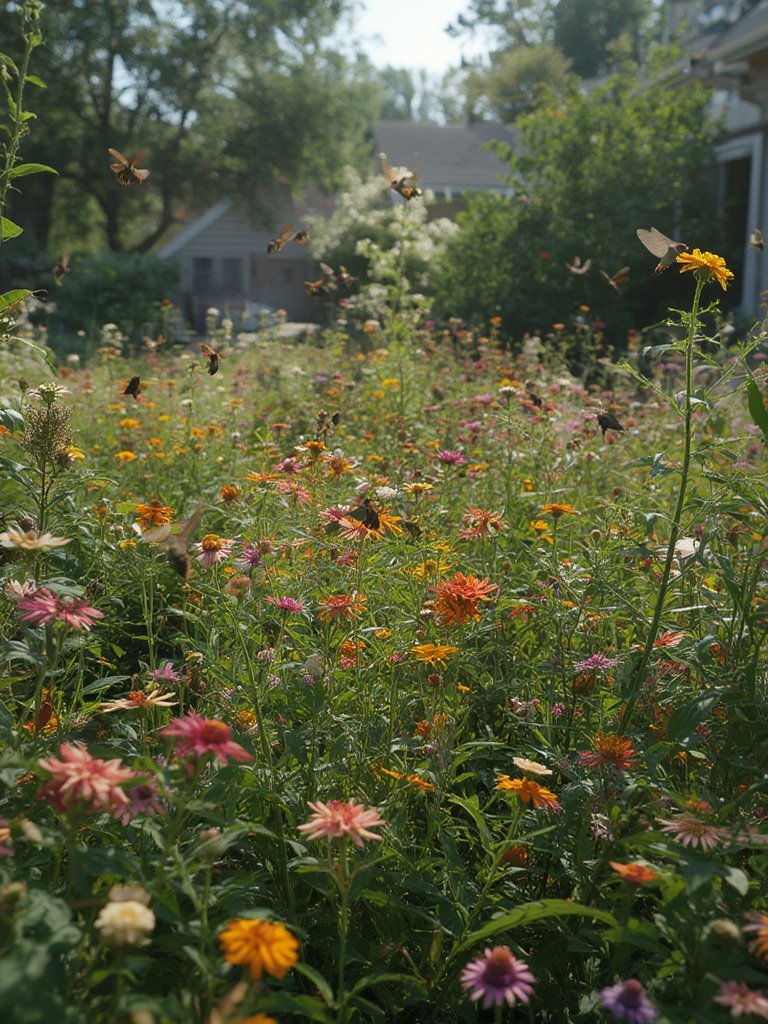
If you want beautiful and durable spaces, blending native plantings with hardscapes and paths is smart—get ideas in our trendy decor inspiration guide.
Conclusion
Switching your yard to native plants for pollinators is the proven way to fight insect declines and restore wildlife to your neighborhood. It takes thoughtful plant selection, some initial work, and a willingness to tolerate a bit of wildness as the garden matures—but the payoffs for local bees, butterflies, and birds are huge. Start simple, go native, and be part of the solution. If you’re ready to transform your yard, begin researching local native plants today, and see how your space can truly come alive.
Looking for expert help? Find the number 1 landscaping services near you for a pollinator-friendly transformation, or check out our interior house painting tips for a whole-home refresh!
FAQ: Native Plants for Pollinators
How can I tell which plants are native pollinator species for my area?
The best method is to use local botanic garden lists, cooperative extension guides, or federal resources like the Pollinator Best Practices Resource Guide. Beware generic “wildflower mixes”—always verify the plant’s native status to your region.
Do native pollinator gardens really need less maintenance?
Once established (typically after 2–3 years), native gardens need less water and fertilizer than lawns or imported ornamentals. However, the first years often require extra weeding and management, especially while seedlings outcompete weeds.
Which native plants are best for attracting bees and butterflies together?
Mix milkweed (Asclepias spp.) for monarchs, sunflowers, coneflowers, asters for bees and butterflies, and native grasses like Big Bluestem. Always aim for a range of bloom times and structures.
Why do smaller native flower patches underperform?
Studies show many bee and butterfly species need larger contiguous patches—ideally covering a third or more of your available space—to maintain stable populations. Tiny or isolated beds help, but bigger efforts yield much greater ecological results.
Where can I get help designing or installing a native pollinator garden?
Some landscape professionals now specialize in native garden design. Start by finding the best landscaping services near you and ask about pollinator-focused experience.

[…] and edges may need to be re-mulched or mowed. If you want ultra-low-maintenance planting, check out native plants for pollinators for a resilient, wildlife-friendly […]
[…] more about plant selection in our native plants for pollinators guide to boost biodiversity and simplify […]
[…] renter or have limited outdoor room, also compare with alternatives like rewilding lawn options or native plantings for pollinators that don’t risk water leaks or require wall […]