

Meadow lawn conversion is quickly becoming a go-to solution for homeowners who want to reduce water use, support local wildlife, and spend less time mowing. But is the switch from turfgrass to a native meadow lawn actually doable, and what does the real process (and obstacles) look like?
Key Takeaways
- Meadow lawn conversion replaces turfgrass with native plants to reduce maintenance, water use, and boost biodiversity.
- Expect weed pressure, transition-phase aesthetics, and possible HOA or neighbor concerns—plenty of patience and planning are needed.
- Long-term savings and wildlife benefits are substantial, but legal compliance and social acceptance may require extra work.
- The Core Concept: What Is Meadow Lawn Conversion?
- Step-by-Step Guide: How to Convert Your Lawn to a Meadow
- Advanced Analysis & Common Pitfalls
- Conclusion
- FAQ
The Core Concept: What Is Meadow Lawn Conversion?
Meadow lawn conversion is the process of transforming traditional turfgrass lawns—typically high-maintenance and low in ecological value—into diverse, resilient plantings of native grasses and wildflowers. Unlike a standard lawn, a meadow lawn uses regionally appropriate native species that need minimal mowing, no regular fertilizers, and little to no supplemental irrigation. Converting just a section of your yard can drastically improve pollinator habitat, help groundwater infiltration, and reduce both your maintenance time and bills.
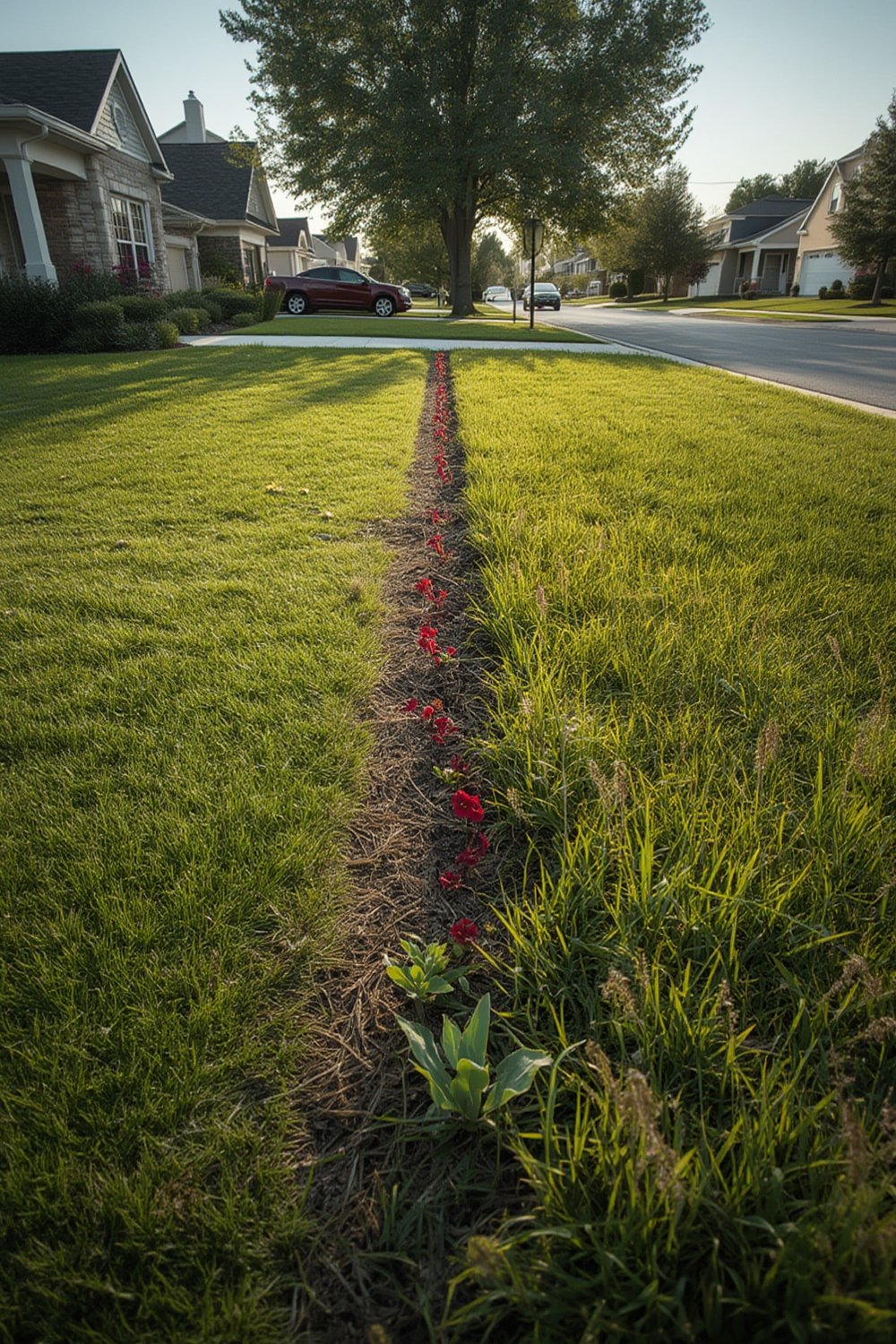
The “why” behind the movement is grounded in urgent ecological and practical realities: Water scarcity, loss of biodiversity, and the effort (and chemicals) required to maintain a pristine lawn are driving homeowners to seek sustainable solutions. A meadow lawn offers a much richer habitat for pollinators, birds, and beneficial insects, while requiring only annual mowing and no costly chemical regimes.
If you’re inspired by rewilding lawn alternatives and want a yard that’s both beautiful and ecologically robust, the meadow approach is worth considering—but it helps to understand the real work involved.
Step-by-Step Guide: How to Convert Your Lawn to a Meadow
Ready to start your meadow lawn conversion project? Here’s a realistic, actionable process that covers all the basics as well as pro insights to set you up for long-term success:
- Assess and Prepare the Site: Start by removing existing lawn. You can smother grass with cardboard (a no-dig method similar to sheet mulching techniques), use a sod cutter, or solarize with plastic. Avoid heavy tilling on slopes, as it can spur erosion.
- Test and Amend Soil: Run a simple soil test for nutrients and pH. Native meadow plants often thrive in average to poor soils, but you may need to loosen compacted ground to about 30-35 cm (per recent Helsinki field trials). Remove invasive weeds by hand or with a targeted, non-persistent herbicide.
- Choose a Regionally Appropriate Seed Mix: Select meadow seed mixes designed for your climate. Look for native grasses, wildflowers, and pollinator-friendly forbs. Use a reputable local nursery or native plant supplier.
- Sow and Press Seeds: Sow seeds at the rate specified by your vendor—mix seeds with clean sand for better distribution. Press (do not deeply cover) the seed to ensure contact but minimize burying. You might combine this with drought-resistant landscaping plants to further lower water needs.
- Establishment Care: Water gently as needed until seeds germinate and young plants are established. Hand-weed aggressively in year one and keep edges tidy for a neater first impression. Some opt for a ‘cues to care’ look—mown borders and signage to show your meadow is intentional.
- Annual Maintenance: Once established (typically after 2-3 growing seasons), mow the entire meadow lawn area to 1-2 inches in late winter or early spring, before new growth starts. Remove thatch if necessary, especially in heavy-soil regions or where overwintering stalks block sunlight.

The most effective conversions also pay attention to design: Think about integrating pathways, low fencing, or benches to help signal stewardship. Educational yard signs can preempt neighbors’ doubts or HOA concerns (learn more in our guide on lawn replacement rebates and navigating city codes).
Advanced Analysis & Common Pitfalls
Converting a lawn to a native meadow offers big benefits, but the path is rarely effortless. Here’s what you need to plan for—and avoid:
Weed Control and Competition
Weed intrusion—especially the first two years—is always the number one complaint in meadow lawn conversion. Pre-emergent herbicides sometimes help, but regular, vigilant hand-weeding is essential. Be prepared for aggressive species and keep a close eye on new invaders (see details at Ernst Seed’s meadow conversion tips).
Timeline and Aesthetics
A newly seeded meadow can look patchy, ragged, or “weedy” before it matures. Many homeowners lose heart after the first season—meadows can take 2 or more years to look full and intentional. To manage community and HOA perceptions, maintain mowed visual borders, add showy pollinator plants up front, or use temporary signs explaining your project.
Cost Comparison: Lawns vs Meadows
| Maintenance Category | Traditional Lawn | Meadow Lawn |
|---|---|---|
| Mowing | Weekly during growing season | Once each year |
| Watering | Regular irrigation, often automated | Minimal; meadows thrive on rainfall after establishment |
| Fertilizer & Chemicals | 3-4 times a year, plus repeated pest/weed control | Not needed once established |
| Annual Cost & Time | Significant outlay and labor | Lower costs, especially in years 2+ |
Regulatory and Social Barriers
Many communities still cling to the mowed-lawn norm, and some homeowner associations outright ban “unmown” or “wild” yards (Homegrown National Park). Some regions offer rebates or incentives, but more common are unclear rules or neighbors who complain about appearance or fire risk. You’ll need to research local codes and be ready to educate others—many have succeeded by requesting written exceptions or using hybrid approaches (meadows set back behind traditional borders).
Ecological Value and Wildlife
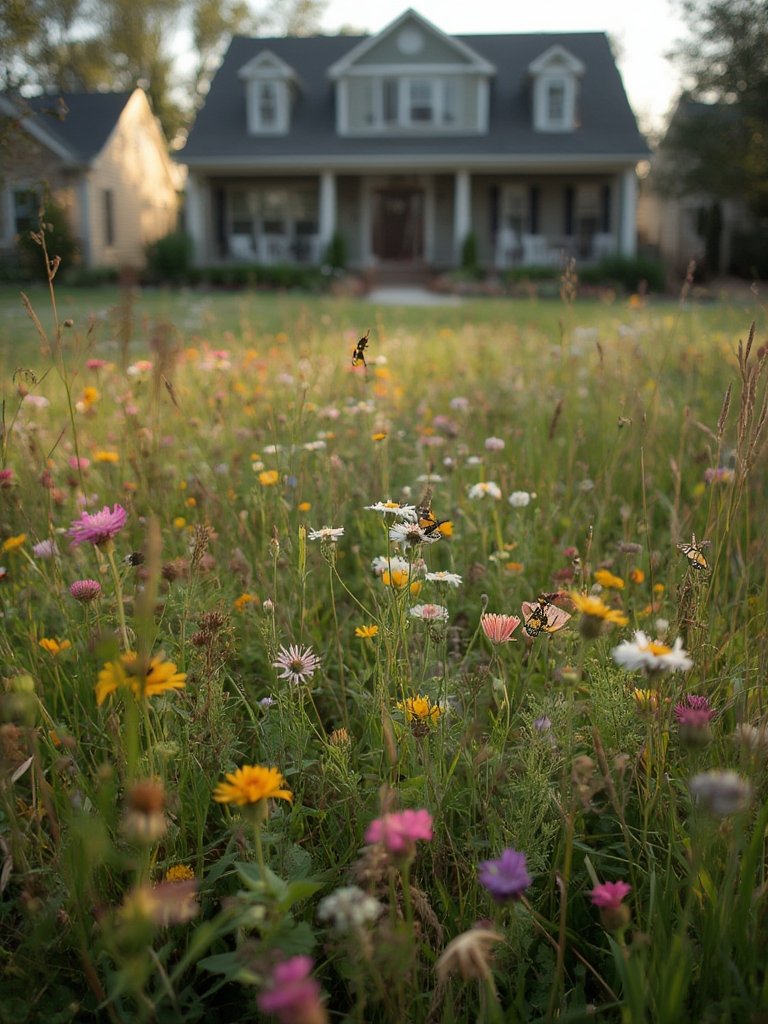
Your new meadow lawn will enrich local biodiversity. Studies show that flower-rich meadows host far more pollinators and birds than sod monocultures (see research here and practical experiences at NC State’s lawn-to-meadow guide). If even a quarter of U.S. lawns converted, we’d create a virtual national park network in our neighborhoods.
Critical Gaps and Realistic Drawbacks
- Start-up costs are hard to estimate until regional seed and prep prices are quoted—do your math.
- Not all meadow mixes perform equally; some may flop in heavy clay, cold, or extremely dry regions.
- Establishment failures are often due to poor weed control or seed/soil mismatch.
- Neighbor buy-in and local code compliance shouldn’t be an afterthought—address early.
Conclusion
Converting turf to a meadow lawn offers lasting benefits: lower maintenance, drought resilience, reduced input needs, and huge ecological gains. But success with meadow lawn conversion hinges on realistic site prep, a multi-year establishment plan, a clear maintenance schedule, and transparent communication with neighbors or HOAs. Ready to take the first step? Research seeds, check codes, start small, and create a showcase for others to follow. For more smart upgrades, don’t miss our DIY tips on permeable paving and rain garden design to round out your sustainable yard vision.
FAQ
Will a meadow lawn attract a lot of pests or snakes?
Not necessarily. Meadows host a wider range of beneficial insects, birds, and pollinators to keep pest populations in balance. While some wildlife will be attracted, the risk of unwanted pests increases mostly with excess debris—keep edges tidy, and you limit habitat for problem species.
How long will it take for my meadow lawn to look mature?
Most meadow conversions take two to three years to fill in and deliver a “finished” look. The first year is mostly weed control and rooting, year two sees more flowers, and by year three, the meadow is generally dense and self-sustaining.
Can I get rebates or financial incentives for lawn-to-meadow projects?
Some regions do offer rebates for turf removal and lawn conversion. Check local water districts or your city—our guide to lawn replacement rebates covers how to find and apply for these programs.
How do I keep my HOA or neighbors from objecting?
Good communication works wonders: share plans, keep tidy borders, and use clear signage explaining the intent (e.g., “Pollinator Habitat in Progress”). Review HOA guidelines first, and be ready to demonstrate active stewardship—even a single annual mowing and weed patrol can show your yard isn’t neglected.
What if my region is extremely dry or cold?
Select a meadow seed mix tailored for your climate and soil. Consult local nurseries, extension offices, or see our resource on climate resilient plants for extreme weather solutions.