

Lawn replacement rebates are rapidly changing how homeowners manage their yards and water use. With climate change impacting water supplies and the cost of maintaining traditional turf rising, more cities are offering incentives to swap out high-maintenance lawns for drought-friendly landscapes. But getting these rebates can be confusing, and the fine print matters. Here’s what you need to know to make the most of these programs in 2024—and what mistakes to avoid.
Key Takeaways
- New state and federal funding in 2024 has increased rebate amounts in California—residents can often get $3 per square foot, and even more for businesses or agencies.
- Homeowners must follow strict planting and irrigation rules—artificial turf is often ineligible and proof of completion is required within 180 days.
- Common pitfalls: missing pre-approval, not meeting plant density rules, or applying after funds are depleted—so always check updated local program terms.
- What Are Lawn Replacement Rebates and Why Are They Offered?
- Step-By-Step: How to Apply for Lawn Replacement Rebates
- Advanced Analysis & Common Pitfalls
- Conclusion
- Frequently Asked Questions
What Are Lawn Replacement Rebates and Why Are They Offered?
Lawn replacement rebates are cash incentives offered by water utilities and local governments to homeowners and businesses who replace thirsty grass lawns with low-water, climate-adapted landscapes. The primary goal is to reduce outdoor water use, which still accounts for a large share of household consumption in dry regions. In 2024, several areas—especially in California—have increased their rebates to drive quicker adoption before upcoming water restrictions take effect.
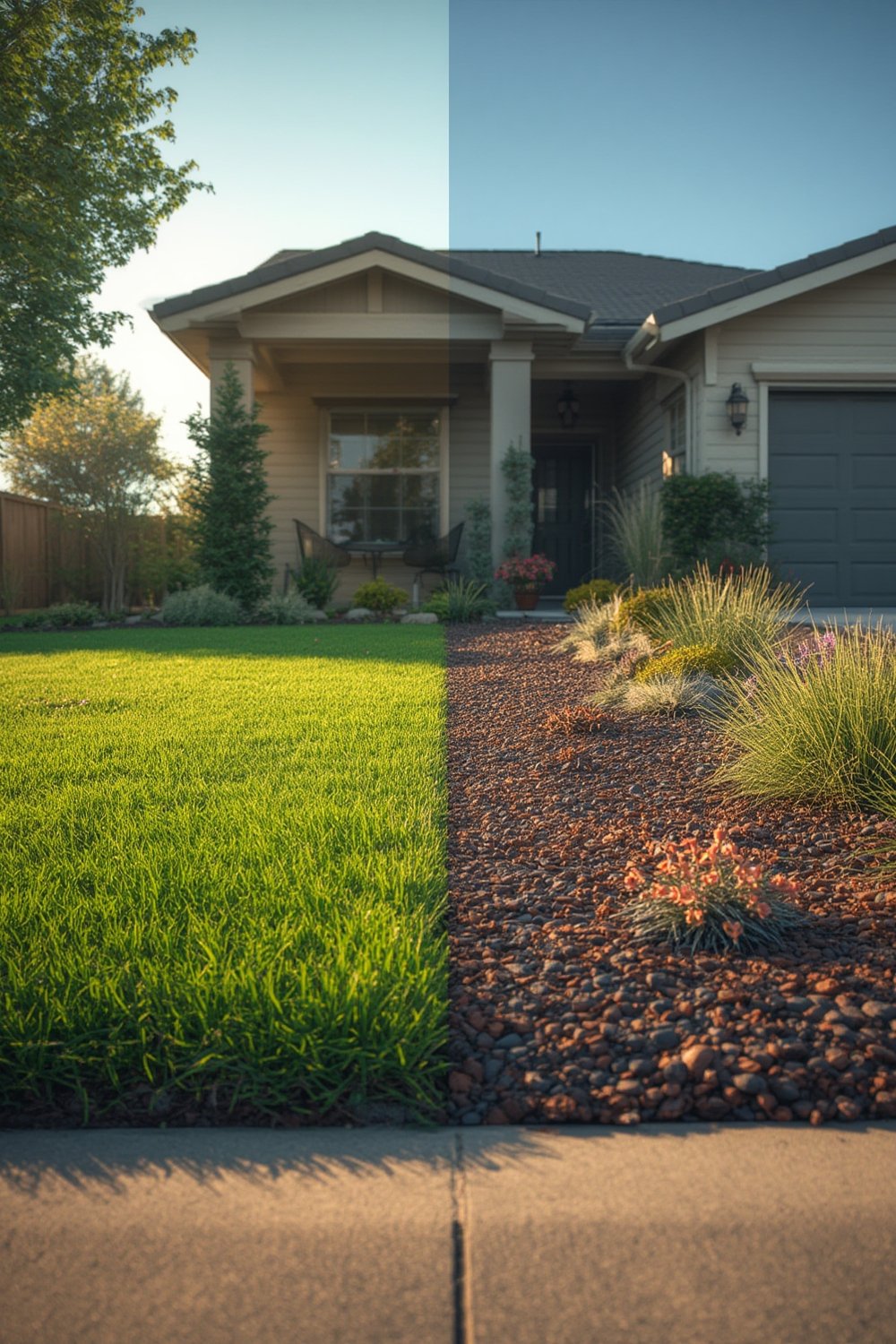
Since these programs started, the Metropolitan Water District’s Turf Replacement Program has removed over 230 million square feet of grass—saving enough water to supply roughly 83,000 homes each year. What’s more, for every 100 rebated homes, another 132 nearby homes convert without rebates, showing a powerful “neighbor effect” that multiplies savings in whole communities (source).
Most lawn rebate programs now aim for “functional” landscapes—yards that are beautiful, require less maintenance, and use dramatically less water. Eligible projects often include drought-tolerant gardens, pollinator-friendly plants, smart irrigation, and shade trees. The details, amounts, and application steps vary, and this is where most applicants get tripped up.
If you want to dive deeper into how professional landscapers can help with these projects, see finding the number 1 landscaping services near you for stunning outdoor spaces.
Step-By-Step: How to Apply for Lawn Replacement Rebates
Navigating rebate programs can be confusing, but following these steps will improve your chances and help you avoid losing out on funding. Here’s how most major programs work in 2024:
- Check local program rules and current funding status. Programs like the LADWP Turf Replacement Rebate or Metropolitan Water District require you to apply and be approved before starting your project. Make sure funds are available; previous years have seen funds depleted mid-season.
- Obtain pre-approval and submit required documentation. Most cities and utilities want to see photos and measurements of your existing lawn. For example, San Diego and Sacramento rebate programs require you to submit an online application and receive pre-approval before you remove any grass.
- Plan your new landscape for compliance. Your project must include specific plant densities (e.g., three drought-tolerant plants per 100 square feet in San Diego; 40% plant coverage in Los Angeles), water-efficient irrigation (such as drip or weather-based systems), and exclude artificial turf in most regions. Need ideas? Our drought tolerant landscaping guide lists easy, low-water options.
- Complete your landscape installation within the approved window. In Southern California, you have 180 days from reservation approval to finish the work and submit final proof.
- Submit proof of completion, including “after” photos, invoices, and a diagram. Applications that lack documentation or miss plant/irrigation requirements will be denied.
- Receive your rebate check or bill credit once your project is verified.
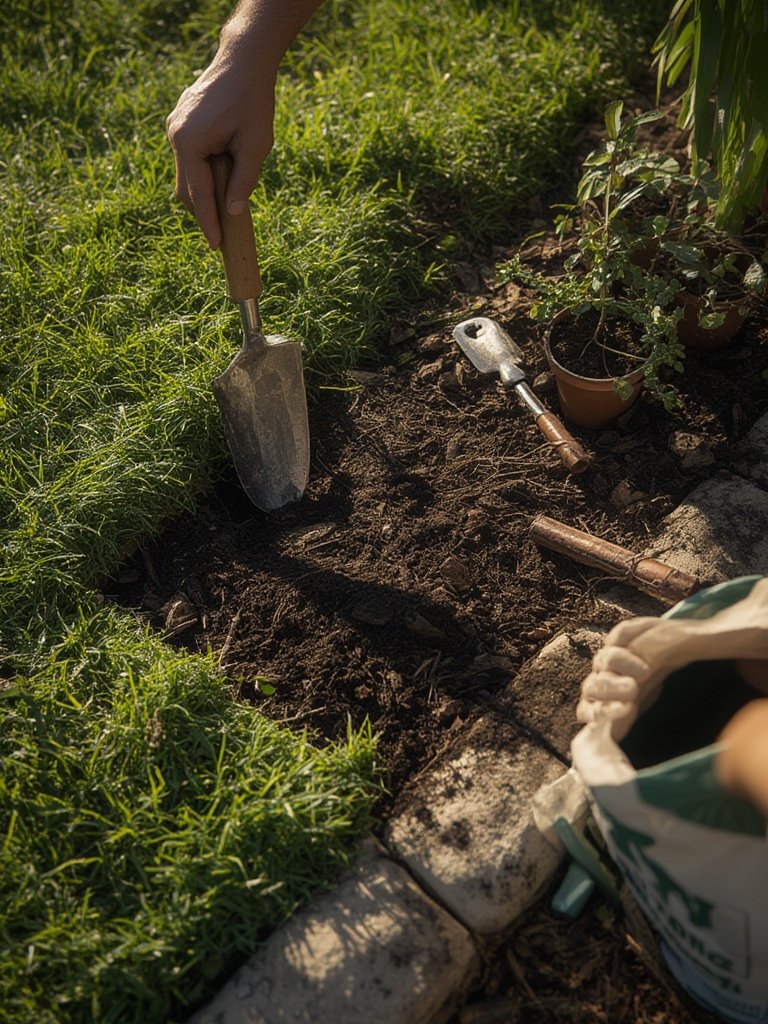
Some local programs also offer bonuses per shade tree or fixed incentive caps (like up to $3,000 in Sacramento). Homeowners in drought-prone regions should consider choosing native plants to boost both water savings and wildlife habitat—see our regional native plant list for pollinators for inspiration.
Additional smart-home features, like weather-based irrigation controllers, qualify for separate rebates—explore the benefits in our ultimate guide to smart homes and home automation.
Advanced Analysis & Common Pitfalls
While rebates look generous, many homeowners make costly mistakes during the application process. Here’s where most get tripped up:
- Starting work before approval: Removing grass before pre-approval will make you ineligible in most programs.
- Missing plant density rules: If you don’t meet the required count of drought-tolerant plants (e.g., three per 100 sq ft), your rebate can be denied.
- Using artificial turf: Most programs specifically ban artificial turf—even if it saves water, it’s not considered environmentally friendly long-term.
- Missing deadlines: You generally have 180 days post-approval to complete work—extensions are difficult and funding is sometimes exhausted before you finish.
- Incomplete documentation: Not submitting after-photos, irrigation plans, receipts, or plant lists will almost always lead to a rejection.
| Region/Program | Application Deadline | Funding Limits | Technical Specs |
|---|---|---|---|
| Metropolitan Water District (CA) | 180 days post-reservation | $3/sq ft homes, $3-4/sq ft businesses, funded up to 30M sq ft in 2024 | No min area; native/drought-tolerant plants, water-wise irrigation, trees bonus |
| LADWP (Los Angeles) | Not specified; 1,500 sq ft cap | $1.75/sq ft residential | 40% plant coverage; no artificial turf |
| San Diego County | Pre-approval required | Varies | 3 plants/100 sq ft; no fake grass |
| Sacramento | Pre-approval required | Up to $3,000 | 60% plant coverage; drip irrigation; no artificial turf |
| Utah (statewide) | Not specified | Up to $3/sq ft | Water-efficient/natives only |
Recent drought policies matter too. In California, $38 million granted in 2024 is boosting rewards for business/institutional turf conversions to $3/sq ft—and federal support will double future non-residential rebates to $7/sq ft after 2024 (source). Utah now runs its own statewide program up to $3/sq ft (source). Always verify with your own city for the latest specs and deadlines.
To avoid headaches, consider working with a landscape designer familiar with rebate requirements. Browse rewilding lawn alternatives for natural, low-maintenance inspiration (that also help pass the inspection with ease).
Conclusion
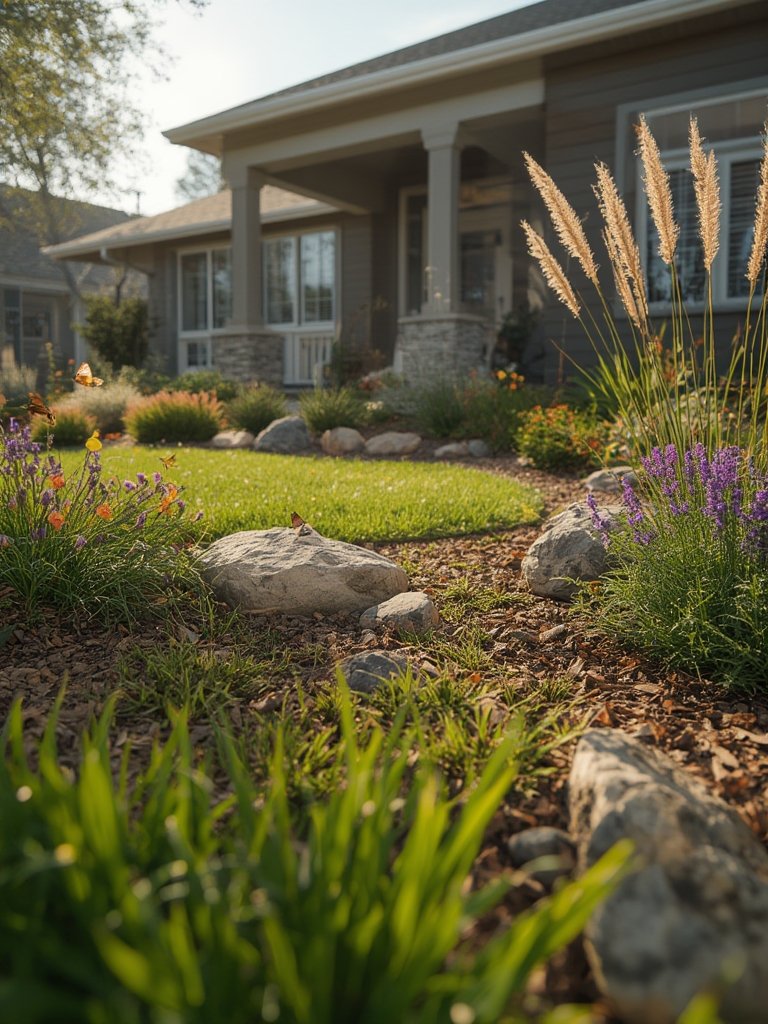
Lawn replacement rebates offer a substantial opportunity to save water, cut utility bills, and boost curb appeal. But the rules are strict and the funding can run out fast. Always get pre-approval, follow planting and irrigation details precisely, and finish your project within the required timeline. Whether you live in California, Utah, or another western state, qualifying for your region’s program can set you up for lower water bills and a more resilient yard. Don’t wait—act now before the next drought restriction or funding shift. Have more questions about lawn replacement rebates? See the frequently asked questions below.
Frequently Asked Questions
Is artificial turf allowed in most lawn replacement rebate programs?
No, most major rebate programs (such as those in Los Angeles, San Diego, and Sacramento) do not allow artificial turf as a replacement material. Only living, drought-tolerant plants qualify.
How long do I have to complete the project after getting pre-approval?
Most programs, such as Metropolitan Water District/SoCalWaterSmart, require you to complete your project and submit proof within 180 days of reservation approval. Always double-check your city’s deadline.
What documentation is needed to get paid?
You’ll typically need “before and after photos”, plant lists, irrigation details, and receipts. Submit all documents through your water agency’s online portal (e.g., SoCalWaterSmart.com) to receive your rebate.
Can rebates run out before I finish my project?
Yes. Program funding can be depleted, especially during drought years or after major policy changes. Always secure your reservation and finish your work as soon as possible to avoid being locked out.
Where can I find lists of recommended plants or landscaping ideas that qualify?
Check out our guide to native plants for pollinators and rewilding lawn alternatives for easy, qualifying garden options.