

Drought tolerant landscaping offers a proven way to cut water bills and protect your yard from the impacts of dry spells. If you’re tired of brown lawns, high maintenance, and rising costs, this guide will show you how to create a beautiful, low water landscape that thrives—backed by real data and actionable strategies.
Key Takeaways
- Drought tolerant landscaping can reduce outdoor water use by up to 80% and lower annual water costs by $110-800 depending on your location and rates.
- Switching to water-wise plants may increase property value and free up several hours of maintenance work each week.
- While some municipalities offer rebates, most people install these landscapes independently, and plant selection or HOA issues may pose challenges.
- What is Drought Tolerant Landscaping and Why Does It Work?
- How to Create a Drought Tolerant Landscape: Step-by-Step Guide
- Advanced Insights: Challenges, Pitfalls, and Overlooked Details
- Conclusion: Smarter Land, Smarter Water Use
- FAQ: Drought Tolerant Landscaping
What is Drought Tolerant Landscaping and Why Does It Work?
Drought tolerant landscaping—often called xeriscaping—focuses on designing, planting, and maintaining gardens that need far less water than traditional turf lawns. It uses native and adaptive plants, smart irrigation methods, and hardscape materials like mulch or rock. The main goal is to create outdoor spaces that use 40-80% less water, reduce maintenance, and still look great, even in dry climates.
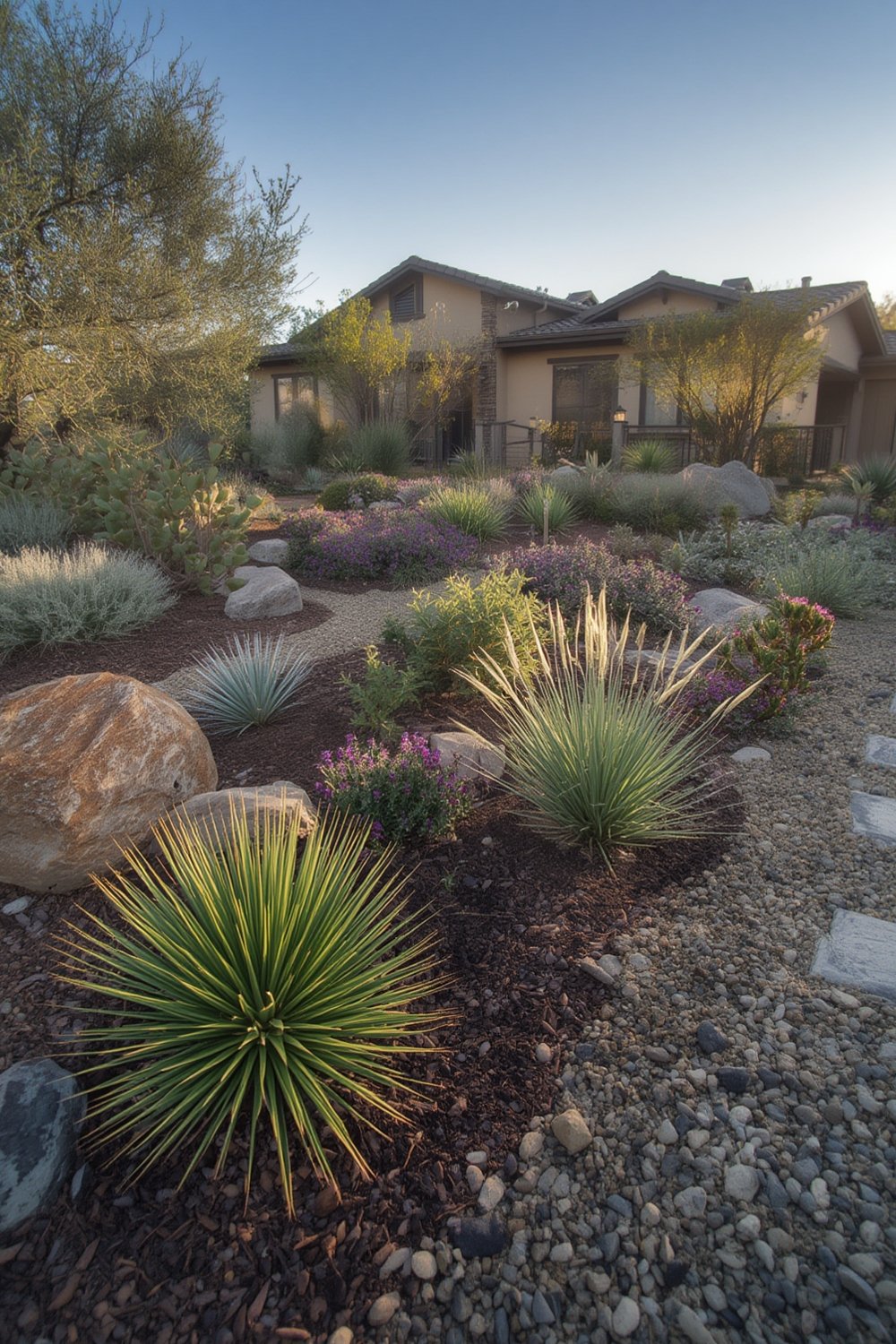
Recent studies show that households that embrace drought tolerant landscaping save up to 120 gallons of water per day (source). That adds up to savings of $110-$800 each year, depending on local water rates and property size (source). Even better, properties with water-efficient yards tend to rise in value—by as much as 10-20% compared to homes with thirsty lawns. Maintenance time also drops by 3-5 hours a week.
Switching to drought tolerant landscaping isn’t just an environmental decision. It’s a way to future-proof your property, lower ownership costs, and participate in more sustainable home improvement, similar to what’s discussed in our guide on remodels that deliver long-term value.
How to Create a Drought Tolerant Landscape: Step-by-Step Guide
Creating a stunning, water-smart landscape takes planning and some initial effort—but anyone can do it with the right approach. Here are your actionable steps:
-
Audit Your Existing Landscape
Walk your property. Note where water collects or drains and which areas get the hottest sun or deepest shade. Identify old sprinkler heads, high-maintenance grass, and plants that always look stressed. If you’re not sure where to start, partnering with a local landscaping service can help assess your space. -
Remove Thirsty Turf and Unfit Plants
Pull up unproductive grass. For larger properties, renting equipment or consulting landscaping pros makes removal easier (they can also advise if a robotic mower is worth keeping for patchwork lawns). -
Amend Soil & Improve Drainage
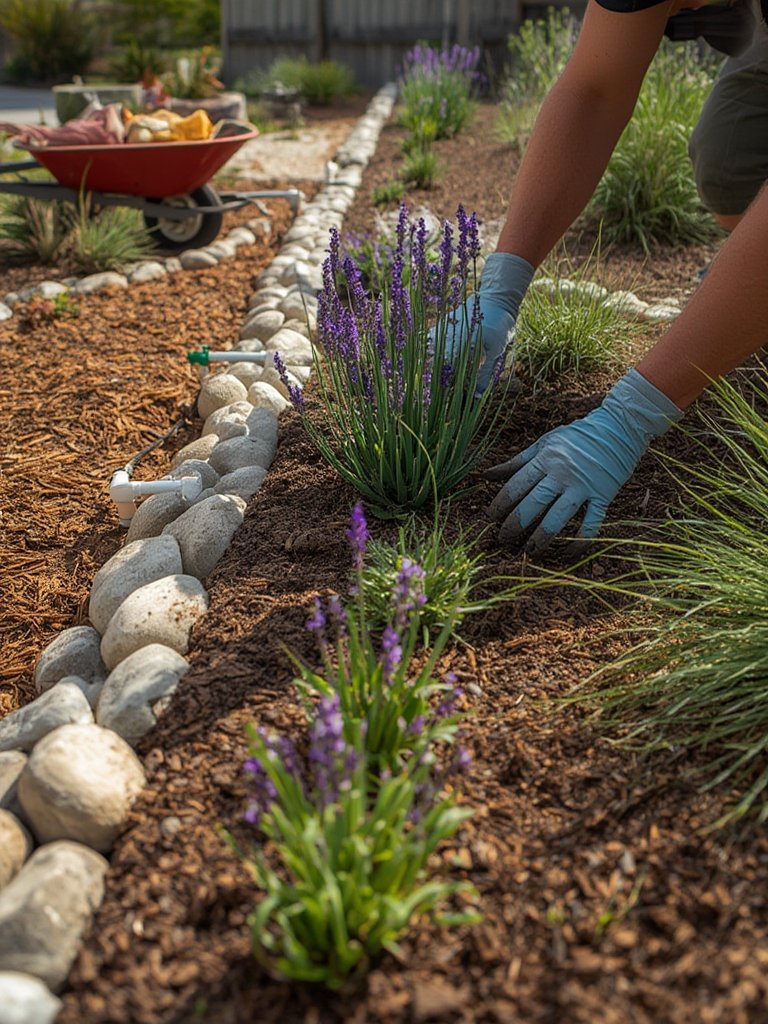
Mix in compost or organic amendments if your soil is dry or compacted. Mulching with woodchips or decorative rock helps retain moisture and suppress weeds. -
Select Water-Wise Plants
Use regional plant lists or consult experts for native choices. If you want inspiration, check out our ideas for stylish outdoor transformations. -
Install Drip Irrigation
Switch from sprinklers to a low-pressure drip system. Target roots directly and set timers for early morning watering. -
Hardscape Thoughtfully
Define paths, dry streams, or patios using decomposed granite, gravel, or pavers. Avoid large areas of stone, which can heat up and stress plants. -
Maintain and Monitor
Weed regularly, check mulch depth, and prune as needed. Over time, you’ll discover most native gardens require minimal irrigation after the first year (source).
For more incremental upgrades, you can combine water-saving plant swaps with advanced smart home technology, as covered in our guide to home automation.
Advanced Insights: Challenges, Pitfalls, and Overlooked Details
While drought tolerant landscaping delivers strong savings and curb appeal, it’s not without complications. Here are the most common challenges and what you need to know to avoid surprises.
User Challenges & Pitfalls
- Rebates May Be Scarce: Most installations in major cities like Sacramento happen without government rebates or tax incentives (source). Research your local options, but budget accordingly.
- Plant Selection Gaps: While native and drought-resistant plants are essential, few sources provide specific species lists. This makes DIY selection trickier. Consult local nurseries for guidance, or look for regional university extension lists.
- Installation and Upfront Costs: There’s a lack of up-to-date data on whether drought tolerant landscapes cost more or less to install than turf. Expect some initial investment, but count on long-term savings in water, maintenance equipment, and time.
- HOA and Aesthetic Concerns: Some neighborhoods have rules about front yard appearance. Not all neighbors are used to the wilder look of native plant beds or rock gardens, so double-check your HOA covenants before starting. For design inspiration and ways to work within guidelines, see our resource on finding trusted landscaping pros.
Comparison Table: Turf Lawns vs Drought Tolerant Landscaping
| Traditional Turf Lawn | Drought Tolerant Landscaping | |
|---|---|---|
| Average Water Use | 150 gallons/day | 45-75 gallons/day (source) |
| Annual Water Savings | (—) | $110-800, up to 80% less water |
| Maintenance Time | 5-7 hours/week | 2-4 hours/week |
| Upfront Cost | Lower (sod & seed install) | Variable (depends on plants/features) |
| Property Value Impact | No appreciable gain | +10-20% (source) |
| Rebates/Incentives | Rare | Varies; often limited (source) |
| Visual Appeal | Uniform, green, but susceptible to drought browning | Varies by plant selection and design; fewer resources on best species for color and year-round interest |
Maintenance and Equipment Gaps
Transitioning to drought tolerant landscaping may reduce your need for large mowers or constant watering, but it doesn’t eliminate upkeep. Strategic pruning, mulch refreshes, and seasonal weeding still matter. For lower-effort properties, consider newer equipment options like robotic mower for managing small turf zones or parkway strips.
Aesthetic Misconceptions
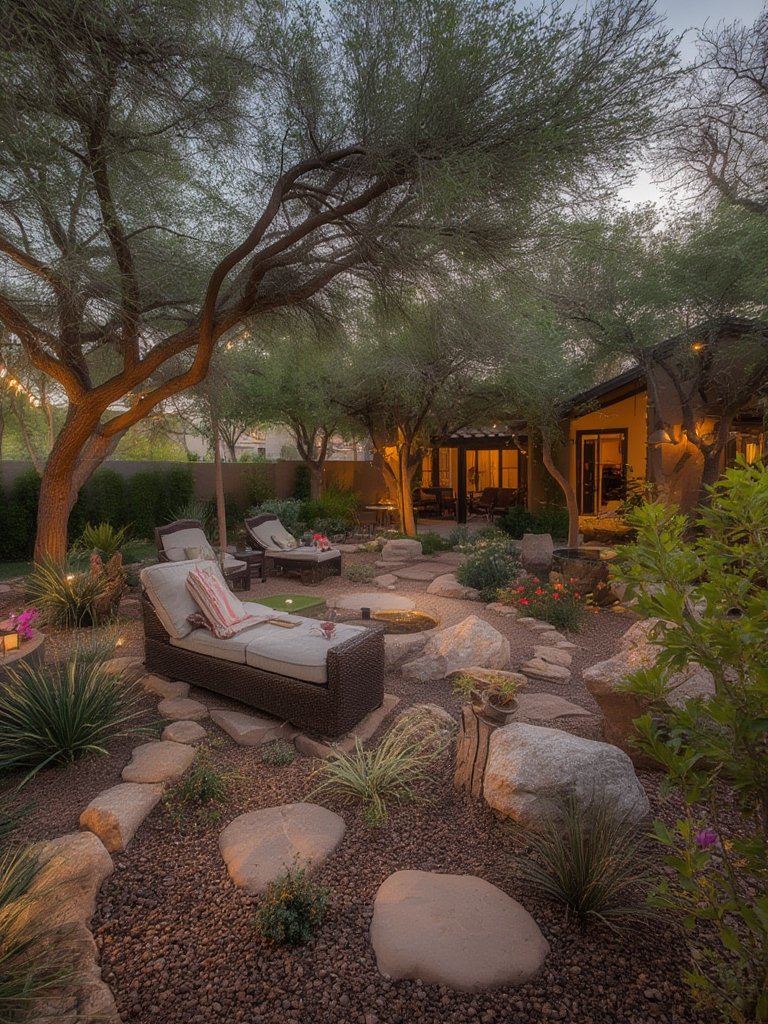
Some homeowners worry drought tolerant landscapes look too wild or sparse. The reality: design, plant spacing, and using a variety of textures can create a lush, layered effect. If you’re unsure about design execution, professional help can ensure the result matches your neighborhood standards and personal taste. For more personalized landscape improvements, see our article on how to find reputable landscaping services near you.
Conclusion: Smarter Land, Smarter Water Use
Drought tolerant landscaping delivers significant water and cost savings while boosting your home’s value and resilience. While up-front planning is essential and specific plant recommendations are often lacking, millions of Americans are choosing this approach for both economic and environmental reasons. For more home improvement inspiration, check out our guide to successful remodels or tips for updating your house’s style. Ready to make every drop—and dollar—count? Start your drought tolerant landscaping transformation today. For help, connect with reputable landscaping services or dive into smart home upgrades for even more savings.
FAQ: Drought Tolerant Landscaping
Does drought tolerant landscaping increase home value?
Yes. Homes with water-efficient landscaping can see property values rise by 10-20% compared to those with standard lawns.
How much water can I really save by switching?
You can cut outdoor water use by 40-80%, depending on your climate, yard size, and plant selections. Most households report saving at least 120 gallons per day.
Are there government rebates for switching to drought tolerant landscaping?
Some cities offer rebates or turf replacement incentives, but many installations are completed without them. Check with your local utility or city programs for current information.
Which plants are best for drought tolerant gardens?
The best choices are native or adapted plants suited to your climate. For specific picks, consult a local nursery, regional gardening extension, or a reputable landscaping service.
Will my yard look barren or messy if I remove grass?
Not if you plan design thoughtfully. Layered plantings, groundcovers, and smart hardscaping can result in a lush, visually appealing yard that fits both your taste and neighborhood standards.