

Curbless shower installation is rapidly changing how homeowners design accessible, stylish bathrooms for modern living and aging in place. Whether you’re considering a curbless (zero threshold) shower for improved mobility or enhanced aesthetics, understanding the technical, budget, and design realities is critical to avoid costly mistakes.
Key Takeaways
- Professional curbless shower installation typically costs $6,000–$17,000 and requires extra waterproofing and drainage expertise.
- Precise floor sloping and correct installation are critical for preventing leaks and long-term water damage.
- Improper conversion or cutting corners can double costs—especially for slab foundations and ADA-compliant remodels.
- What Is Curbless Shower Installation and Why Choose It?
- Step-by-Step Guide: How to Install a Curbless Shower
- Advanced Analysis & Common Pitfalls
- Conclusion
- Frequently Asked Questions
What Is Curbless Shower Installation and Why Choose It?
Curbless shower installation refers to building a walk-in shower with no raised threshold (curb) between the bathroom floor and shower area. Unlike traditional showers, curbless showers offer seamless entry, improving accessibility for wheelchair users, seniors, and anyone aging in place. The sleek, modern look appeals to homeowners aiming for a spa-like, open-concept bathroom.
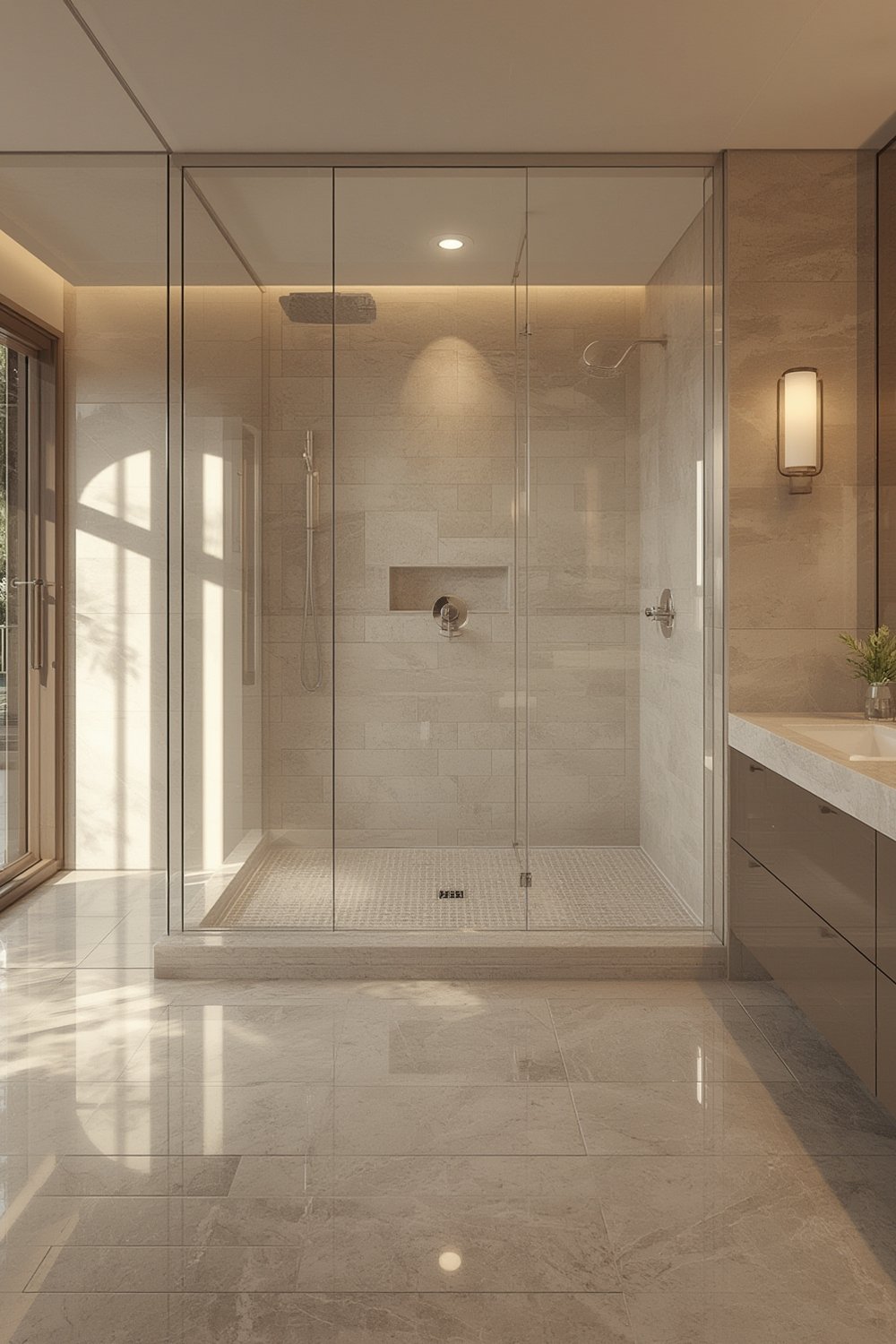
Beyond aesthetics, zero-entry showers eliminate trip hazards, simplify cleaning, and future-proof your home for changing mobility needs. However, the “no threshold” approach means more complex plumbing, subfloor modification, and waterproofing—making professional experience critical for lasting success.
A curbless shower is frequently recommended for bathroom remodels targeting universal design or ADA compliance. According to TruVine Renovations, average costs for a professional curbless shower start around $6,000 and can climb toward $17,000, especially for custom-tiled or barrier-free conversions. Demand is rising in aging-in-place renovations, though quantitative stats are limited.
Step-by-Step Guide: How to Install a Curbless Shower
Transforming your bathroom with a curbless shower goes beyond ripping out an old tub. Here’s a realistic, detailed roadmap for a successful installation:
-
Assess the Subfloor and Structure
Identify your floor type (wood joists or slab). Relocating drains and sloping the floor is much easier with wood framing than with concrete slab. Slab homes may require costly demolition and drain relocation, which can double or triple install costs (source). -
Design for Drainage and Waterproofing
Plan out the optimal drain location and type (center drain versus linear drain). Zero-entry showers require the entire shower floor to slope slightly toward the drain—typically 1/4 inch per foot. Incorrect slope can cause standing water and leaks. -
Demo and Relocate Plumbing if Needed
Remove the old tub or shower, exposing the subfloor. Hire a plumber to handle drain relocation and any PBV rough-ins. Typical plumbing changes cost $1,000–$1,600 (Angi). -
Frame, Level, and Slope the Floor
Lower the subfloor in the shower area as needed. Rebuild the joists or pour new slab sections to create the proper continuous slope. This is the most technical part and must be done perfectly. -
Install Waterproofing Membranes
Line the entire shower “pan” and walls with a high-quality waterproof sheet or paintable membrane. Products like Schluter-KERDI or RedGard are widely used. Skipping this step results in hidden rot and massive repair bills later. -
Tile or Install Shower Surfaces
Lay down slip-resistant tile or other water-safe surfaces. Budget $2–$17 per square foot for tile, or $10–$35 for marble, plus labor (Angi). Always use a pro for custom tile work in curbless showers. -
Add Glass, Grab Bars & Finish Fixtures
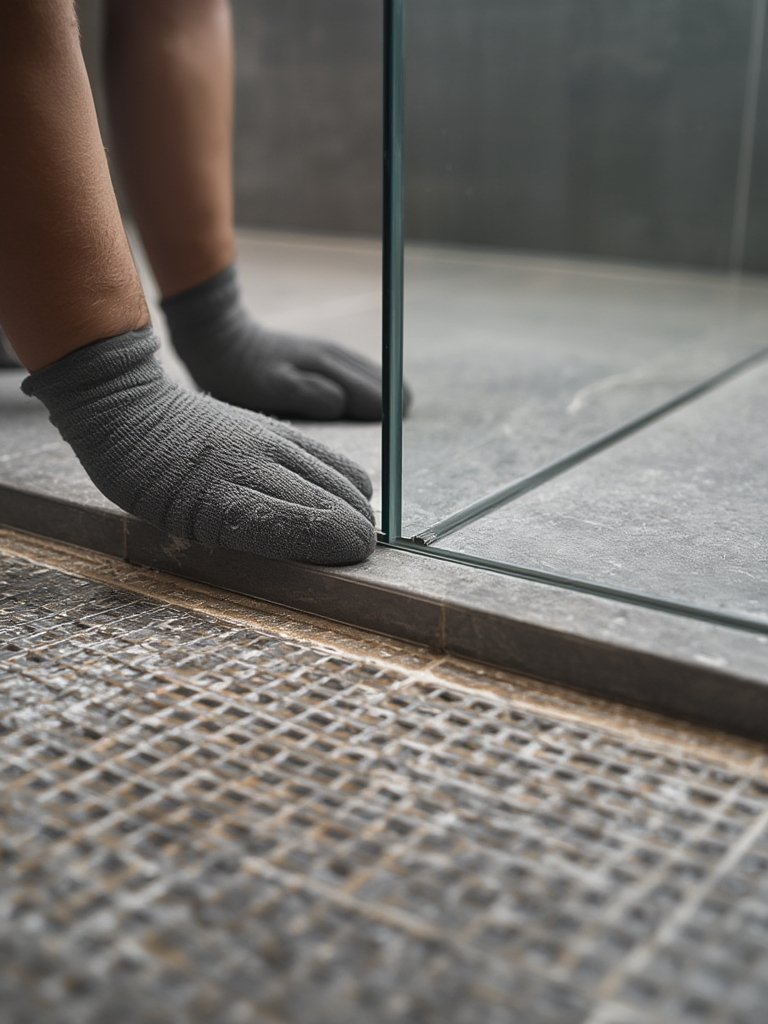
Complete the look and accessibility with glass enclosures, grab bars, and universal faucets. Carefully seal all joints, edges, and wall/floor connections to finish the waterproof envelope.
For a deep dive on combining bathroom and kitchen remodels for maximum ROI, see Your Complete Guide to Successful Bathroom and Kitchen Remodels.
Advanced Analysis & Common Pitfalls
Even with professional help, curbless shower installations present unique technical and budgetary risks that homeowners often overlook. Here’s a realistic breakdown.
| Factor | Curbless Shower | Traditional Walk-in Shower |
|---|---|---|
| Average Cost | $6,000–$17,000 | $6,000–$15,000 |
| Difficulty of DIY | Extremely High—most require professionals | Moderate to High; prefab kits available |
| Typical Build Time | Custom: 10+ days; Prefab: 3–5 days | 3–5 days |
| Common Pitfalls | Incorrect floor slope, leaks, drainage backups, slab drain relocation costs | Poor waterproofing, cramped space, step hazard remains |
| ADA/Universal Design | Easier to achieve—but requires careful measurement and code review | Rarely possible without a curb |
| Waterproofing Risk | High—failure means costly repairs | Medium—especially for DIY |
- Drain Relocation on Slab is Expensive. Rerouting plumbing in concrete slab homes can double or triple your labor costs if you want a proper curbless entry. Weigh this against your accessibility needs (source).
- Incorrect Slope Causes Drainage Issues. A flat or mis-sloped floor will let water pool outside the shower. This is one of the most frequent post-installation complaints.
- Leaks From Missed Waterproofing are a hidden danger. Even small installation errors allow water to seep into subfloors—leading to huge repair costs down the road. Invest properly in professional waterproofing (This Old House).
- ADA/Code Compliance is Tricky. There are no universal building code specs for true barrier-free showers (slope, grab bars, etc.). Consult your local codes or work with a contractor experienced in accessible remodeling to avoid failures.
- Material Choices Affect Long-Term Value. Skimping on slip-resistant tiles or drains, or hiring inexperienced labor, reduces both resale value and shower lifespan. Carefully select experienced pros for all custom work—see our Expert Guide to Choosing the Right Home Repair and Appliance Services 4 Your Needs for selection advice.
Neglecting these factors not only increases costs but also risks safety and increases long-term maintenance headaches. Learn more bathroom and living space improvement tricks from Transform Your Home with Trendy Decor: Ideas and Inspiration for Every Season.
Conclusion
Curbless showers deliver unmatched accessibility and modern design but demand careful planning, professional expertise, and a healthy budget to avoid expensive mistakes. Whether you’re remodeling for aging in place, style, or resale, invest in correct waterproofing, proper floor slope, and code compliance for a curbless shower installation that will last for decades. Thinking about a total home upgrade? See Your Complete Guide to Successful Bathroom and Kitchen Remodels or explore Finding the Number 1 Landscaping Services Near You for Stunning Outdoor Spaces for whole-home inspiration. Ready to take your shower project to the next level? Contact an expert in curbless shower installation today!
Frequently Asked Questions
How much does a professional curbless shower installation cost in 2024?
Average costs for a professional curbless shower are between $6,000 and $17,000, depending on your location, size, and need for custom work. Drain relocation on slab foundations and high-end tile may push costs higher. For comparison, traditional walk-in shower conversions usually start around $6,000 and top out at $15,000. (Truvine Renovations)
Is a curbless shower the best choice for aging in place or wheelchair accessibility?
Yes, curbless (zero entry) showers offer the safest and most accessible solution for mobility-impaired users or anyone wanting to age in place. They eliminate trip hazards and can be customized with grab bars and wide entries. However, they require a more skilled installation, especially for waterproofing and drainage.
Can I install a curbless shower as a DIY project?
Full DIY curbless shower installation is not recommended for most homeowners. The process requires precise subfloor sloping, advanced plumbing, and specialized waterproofing, all of which are critical for long-term durability and leak prevention. Hiring professionals is the safest (and often only code-compliant) approach for most projects.
What are the biggest risks or common failures with curbless showers?
The most frequent problems are improper floor slope (causing water pooling or leaks), missed waterproofing steps (leading to hidden water damage), and poorly managed drain relocation (especially on slab foundations). These mistakes result in costly repairs, so don’t cut corners on expertise. Find more practical advice in our Unlocking the Secrets of Interior House Painting for Beautiful and Durable Spaces.
How does a curbless shower impact my home’s resale value?
When professionally installed with quality materials, a curbless shower can boost your home’s resale appeal, especially for buyers who value accessibility and modern style. However, poor workmanship or DIY shortcuts may do the opposite.