

Composting systems home solutions are transforming the way eco-conscious homeowners handle kitchen and yard waste—reducing landfill impact and giving back to their gardens with nutrient-rich compost. But which system fits your real needs, and what should you watch out for before investing?
Key Takeaways
- Home composting adoption is surging, driven by new mandates, rebates, and ongoing innovation in odor and pest control.
- Each composting system has tradeoffs in cost, effort, and quality—choose based on your lifestyle, not just marketing claims.
- Common problems include odors, pests, and climate impacts—plan for these before buying to ensure success.
- The Core Concept: Composting Systems for Home
- Step-by-Step Guide: Selecting & Using Composting Systems Home
- Advanced Analysis & Common Pitfalls
- Conclusion & Next Steps
- Frequently Asked Questions
The Core Concept: Composting Systems for Home
Composting systems for home use offer a practical way to recycle organic kitchen scraps and yard waste into valuable humus. The main types include backyard bins, tumbler composters, electric composters, and worm bins. Each system targets a different set of needs—small-space living, speed, odor control, or high compost quality.
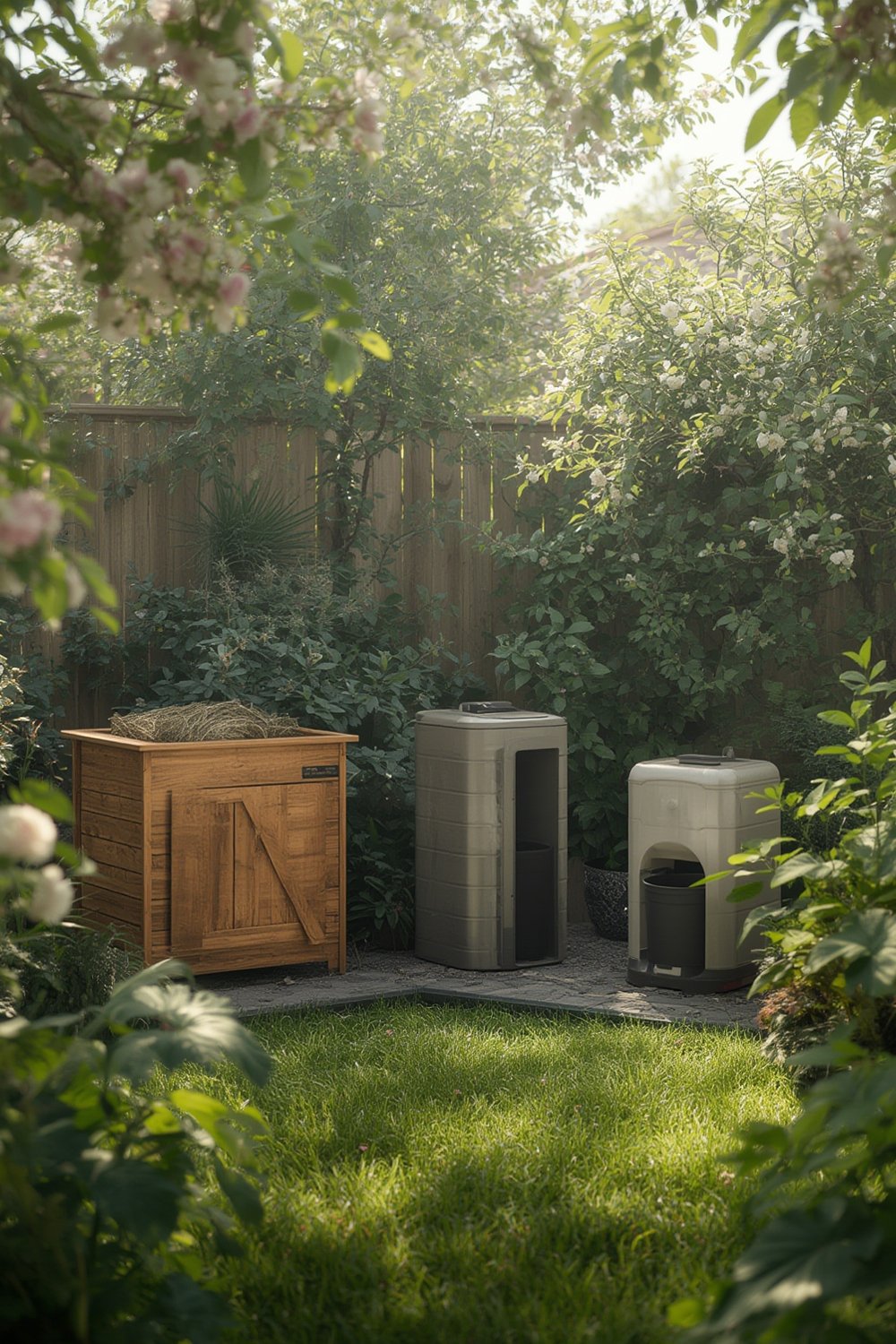
Globally, demand for home composters hit a value of US$1.4 billion in 2023 and is on track to reach $1.9 billion by 2030. Adoption is especially strong among urban dwellers and suburban families aiming for zero-waste lifestyles. California’s SB 1383, for example, now requires food waste composting—failure to comply can bring hefty fines and neighborhood scrutiny.
Homeowners see benefits in reduced trash, lower emissions, and homegrown soil amendments. But not every composting solution is equal. Modern products differ widely in setup, maintenance, and ability to handle pests or bad odors—issues that frustrate users if not resolved early on. For those considering eco-upgrades, composting pairs well with related changes like lawn removal rebates or vertical gardening systems for smaller spaces.
Step-by-Step Guide: Selecting & Using Composting Systems Home
Choosing and successfully using a composting system for your home involves more than picking the newest gadget. Here’s a stepwise process used by successful, sustainable households in 2024:
- Assess Your Waste & Space
Weigh how much kitchen and yard waste you generate weekly and measure your available space (indoors or out). Apartment dwellers often use sub-20-liter electric or bokashi units (up to 48.52% market in 2024), while families with yards may prefer backyard bins or tumblers. - Compare System Types
- Backyard bins: Low-tech, long-processing, need regular turning. Maximum compost quality, minimal cost, but susceptible to pests and slow in cold climates.
- Tumbler composters: Faster than static bins, easier to mix, better odor control. Still outdoors, still need hands-on care.
- Electric composters (IoT/bokashi): Fast (hours to days), best odor control, works indoors, more expensive (purchase and filters). Require electricity and filter/bokashi refills.
- Worm bins (vermicompost): High-quality compost, odor free (if managed right), perfect for kitchens or garages. Worm care required, can freeze or overheat in bad climates.
- Select for Common Problems
Seek “rodent proof” and “odor control” in product listings. Sales for these features jumped 40% YoY in 2024. Electric and lidded bins outperform open piles in city settings—match to your must-haves. - Set Up Properly
Place bin on level, well-drained ground (outdoor), or a spot with power (electric). Start with a base layer of carbon (brown) material—leaves, cardboard, wood chips—then alternate with kitchen greens. For worm bins, add bedding, then your worms, then scraps. For electric units, follow load size and filter schedule guidelines. - Monitor, Aerate, & Harvest
Outdoor: Turn weekly (bin/tumbler) or as directed. Indoor/electric: Empty compost when prompted; replace filters as specified. Watch for odors or flies; adjust green-brown mix as needed. Use finished compost in gardens, pots, or houseplants.
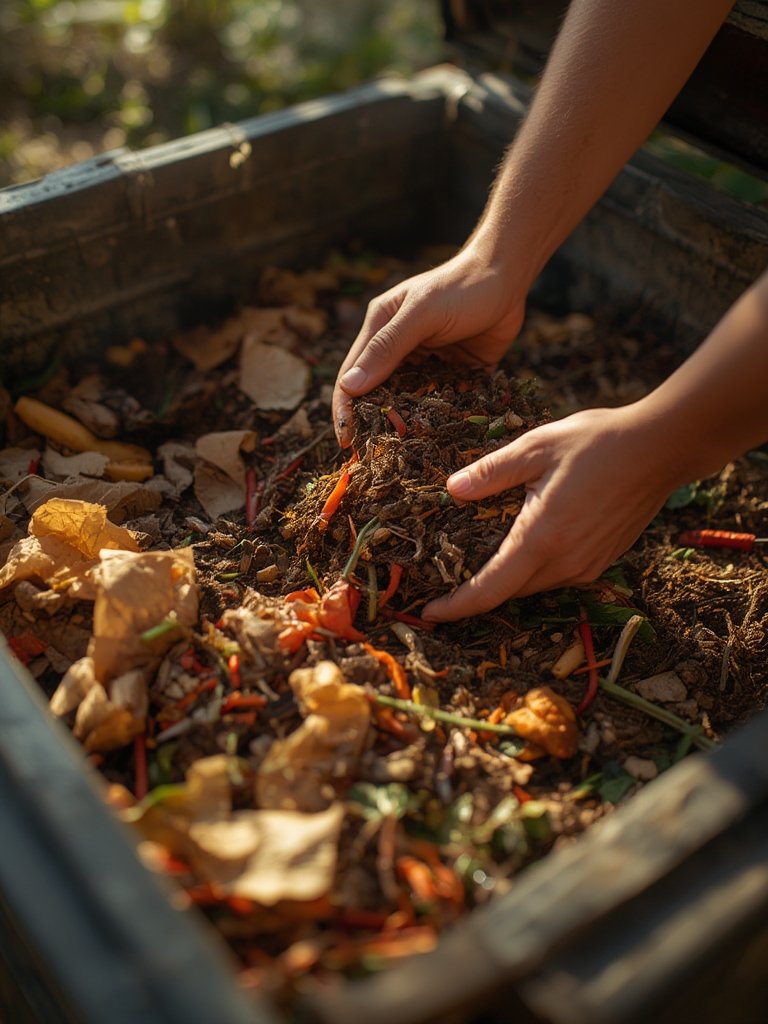
For outdoor setups, consider your local temperature swings. Some bins, like GreenJohanna, advertise year-round performance in extreme heat or cold, but most home composters slow significantly outside of 50-100°F. If you want composting to align with broader sustainability efforts, look into drought-tolerant landscaping or integrating composted material into edible landscaping gardens for a closed-loop yard.
Finally, check for municipal support: Some cities—and even HOAs—provide rebates, compost pickup, or drop-off alternatives. In California or New York City, food scrap separation is mandatory and non-compliance risks fines. Check your city website for home composter rebates or shared compost hubs.
Advanced Analysis & Common Pitfalls
Even the most popular composting systems home present real-world pain points that glossy marketing often ignores. Here’s what you need to know based on 2024 research:
- Odor Problems—Top complaint for both backyard and indoor systems. Wet, too-green inputs or poor aeration create anaerobic “garbage” smells. Electric composters shine here, but require new filters frequently.
- Pest Issues—55% of suburban buyers now demand rodent-proof bins, with sales of such models up 40%. Yard-based systems attract rats, raccoons, and insects when lids are left ajar or food isn’t covered.
- Labour/Effort—Manual bins and tumblers require weekly turning and careful mix balancing. Electric models reduce labor but increase operational costs (power, filter/bokashi refills).
- Climate Limitations—Classic bins and tumblers slow in cold weather; worms will die if not protected. Units like GreenJohanna claim year-round composting, but most homeowners report slowdowns below 50°F.
- Compost Quality—Not all finished compost is the same. Bin and worm compost are usually richer, while electric units produce a pre-compost “soil amendment” that needs maturing or careful use on plants. No direct system-by-system yield studies exist, but many users supplement compost piles for best results.
| Composting Type | Initial Setup | Ongoing Maintenance | Average Lifespan | Notes |
|---|---|---|---|---|
| Backyard Bins | Not specified | Not specified | Not specified | Basic, requires regular effort; rodents/odors common source |
| Tumbler Composters | Not specified | Not specified | Not specified | Quicker than bins but pricier; bugs/pests minimized |
| Electric Composters | Not specified | Filters/subscriptions implied | Not specified | High upfront/ongoing cost; odorless and quick source |
| Worm Bins | Not specified | Not specified | Not specified | Troubles with temperature swings; highest compost quality |
Policy and rebates can help offset costs. States like California and cities such as Los Angeles offer rebates or community hubs for extra scraps. Having clear processes, covering odors, and choosing the right system for your climate are critical for odor and pest prevention. For full-yard impact, consider combining composting with no dig gardening or climate resilient plantings.
Conclusion & Next Steps
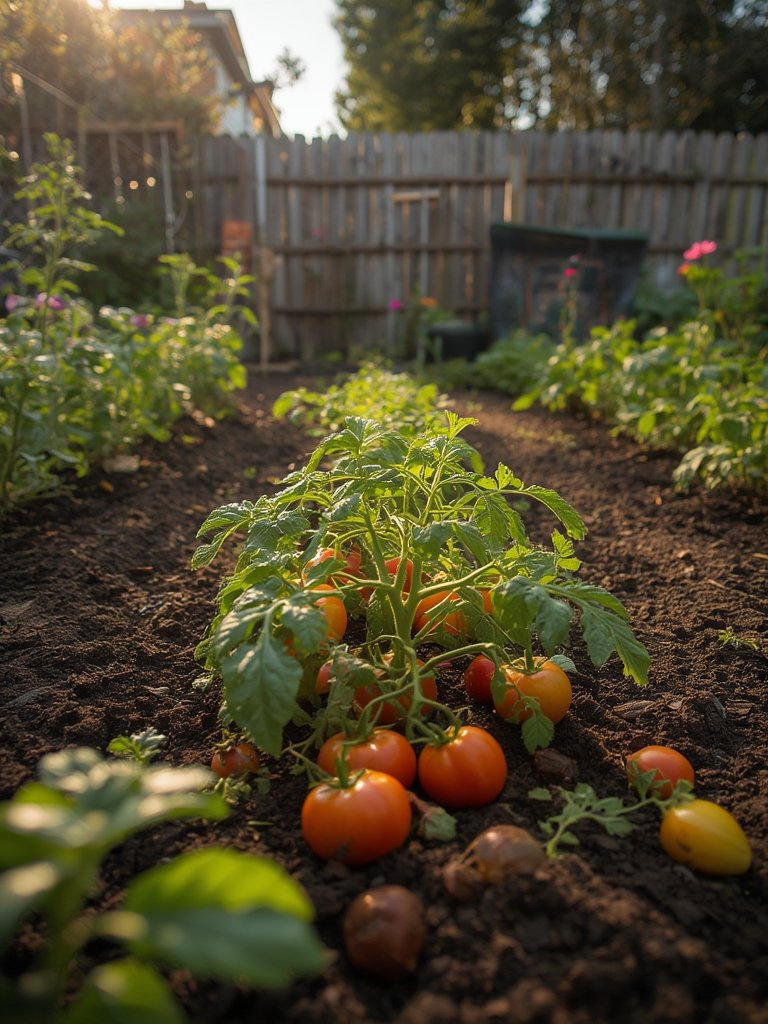
Setting up composting systems home can slash your landfill waste, enrich your soil, and keep your household ahead of environmental mandates. There is no perfect method—backyard bins, tumblers, electric units, or worm bins all have strengths and real limitations. Prioritize covering odors, blocking pests, and matching your system to your climate—and don’t hesitate to start on a small scale and scale up. Ready to turn your food scraps into garden gold? Choose the composting system that fits how you live, start today, and share your results.
Frequently Asked Questions
What is the fastest home composting system in 2024?
Electric composters, such as Lomi or FoodCycler, usually process scraps in hours to a few days. They’re efficient and odor-free but require electricity and filter replacements.
Are composting systems home solutions worth the initial investment?
Yes, especially in regions with composting mandates or rebates. While some systems cost more upfront, all reduce waste and return nutrients to your garden. Compare local rebates and factor in ongoing costs.
How can I stop my compost bin from smelling?
Mix in dry material (cardboard, wood chips) after every batch of wet food waste, keep the bin aerated, and avoid adding meat or dairy. Electric units with carbon filters nearly eliminate odors.
Do I need to worry about rodents with a backyard system?
Rodents are a problem for open piles or poorly sealed bins. Choose a rodent-proof model and always cover new food scraps. Place your bin away from fences and keep lids tightly closed.
Are there rebates or government programs for home composters?
Yes, many states and cities (especially California) offer rebates, free bins, or composting workshops. Some regions mandate household food scrap separation, with penalties for non-compliance.