

### Blog Post:
comfort height toilet installations have become a top choice for those seeking better accessibility, comfort, and future-proofing in bathrooms—especially for seniors, people with mobility needs, and anyone remodeling for long-term usefulness.
Key Takeaways
- Comfort height toilets stand 17–19 inches tall at the seat, making them easier on the knees and back for most adults.
- They are more expensive and have potential drawbacks for children and shorter adults, plus require mindful installation.
- Careful measurement, ADA compliance checks, and awareness of common pitfalls prevent costly mistakes.
- What Is a Comfort Height Toilet and Why Choose One?
- Step-by-Step Guide to Selecting and Installing a Comfort Height Toilet
- Advanced Analysis & Common Pitfalls
- Conclusion
- Frequently Asked Questions
What Is a Comfort Height Toilet and Why Choose One?
A comfort height toilet, also known as a right or chair height toilet, is designed with the seat height set between 17 and 19 inches from the finished floor. That extra height—compared to the standard 14.5–16 inches—provides more comfortable and safer use for adults, seniors, and especially those with mobility needs or who plan to age in place. This design aligns with the Americans with Disabilities Act (ADA) requirements, making it easier to sit down or rise without straining knees or back.
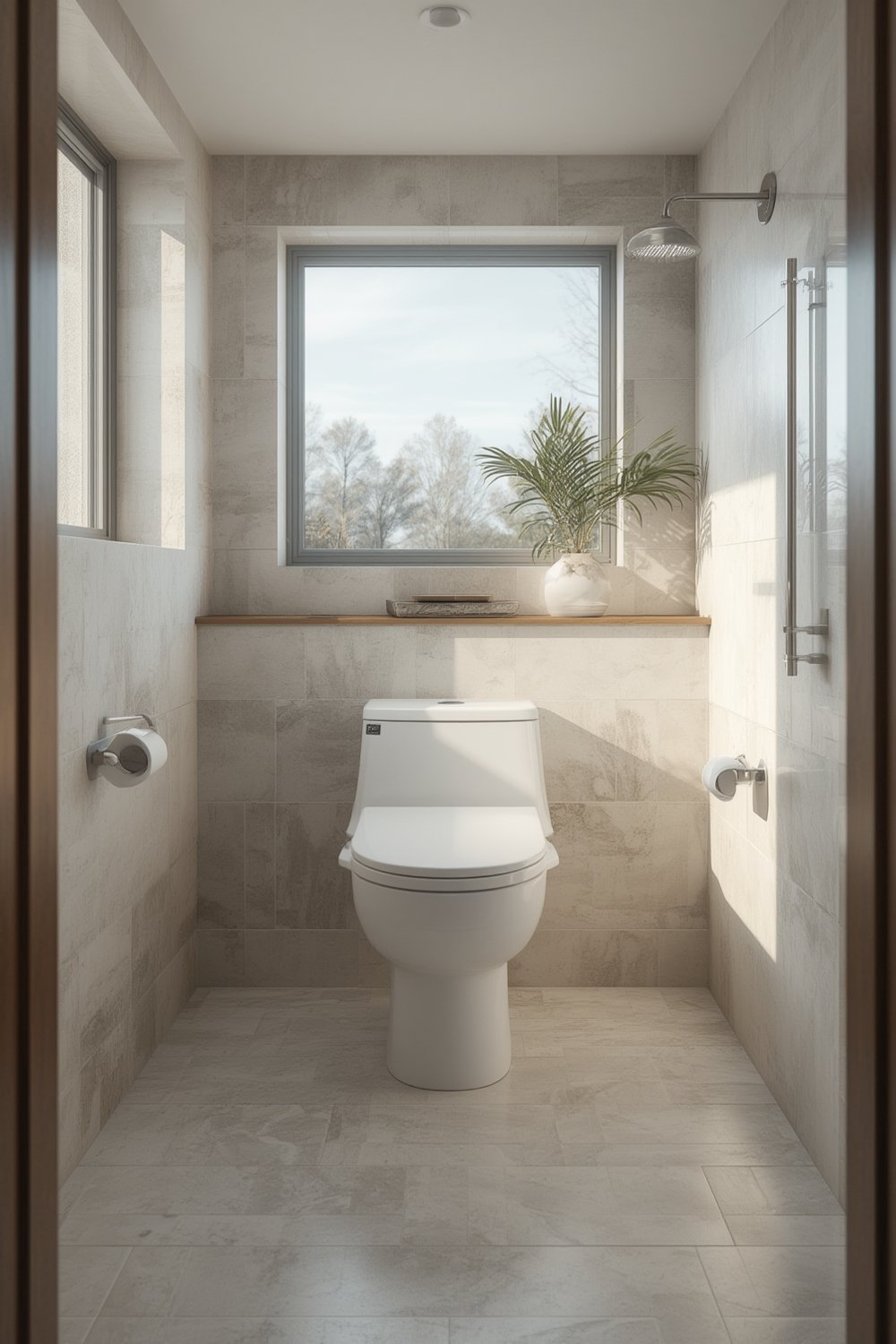
While the market doesn’t track precise adoption rates, studies such as the 2024 Houzz U.S. Bathroom Trends Study confirm a strong, growing interest in specialty toilet features—most commonly built into the fixture itself. Comfort height toilets are now favored for both accessibility and increased comfort, surpassing standard height models in many modern renovations.
Key reasons to choose a comfort height toilet:
- Easier, less painful transitions for the knees and back
- Better accessibility for adults, tall users, and those with disabilities
- No need for separate raised seats or risers
- Improved safety and a more inclusive bathroom experience
If you’re considering aging in place upgrades or universally designed spaces, pairing a comfort height toilet with bathroom remodel strategies ensures your home supports changing needs.
Step-by-Step Guide to Selecting and Installing a Comfort Height Toilet
Upgrading to a comfort height toilet can be straightforward but does require careful planning. Below is a realistic, actionable guide to make your installation go smoothly.
-
Decide Your Requirements
- Is ADA compliance (17–19 inches seat height) a must?
- Round or elongated bowl? Elongated is more comfortable for most, but round can save bathroom space.
- One-piece or two-piece design? One-piece is sleeker but often pricier.
- Consider flushing mechanism: gravity, pressure-assisted, or dual-flush.
-
Budget for the Project
- Expect comfort height toilets to cost $250–$600 for midrange models, slightly more than standard units. Installation by a pro adds $150–$400. Accessibility upgrades (grab bars, wider doors) are extra.
- Accessories like soft-close seats or bidets add to the total.
-
Finalize Measurements
- Check rough-in: Standard is 12 inches; confirm before shopping.
- Account for seat thickness in total height—some seats are up to 2 inches thick.
- Confirm clearances for opening doors, drawers, and the comfort height toilet itself—bulkier designs can feel cramped in small baths.
-
Choose the Right Model
- Select for both comfort and ease of maintenance. ADA-compliant models help future-proof your home.
- Check reviews for reliability. Some users find comfort height units heavier and harder to move.
-
Professional Installation or DIY?
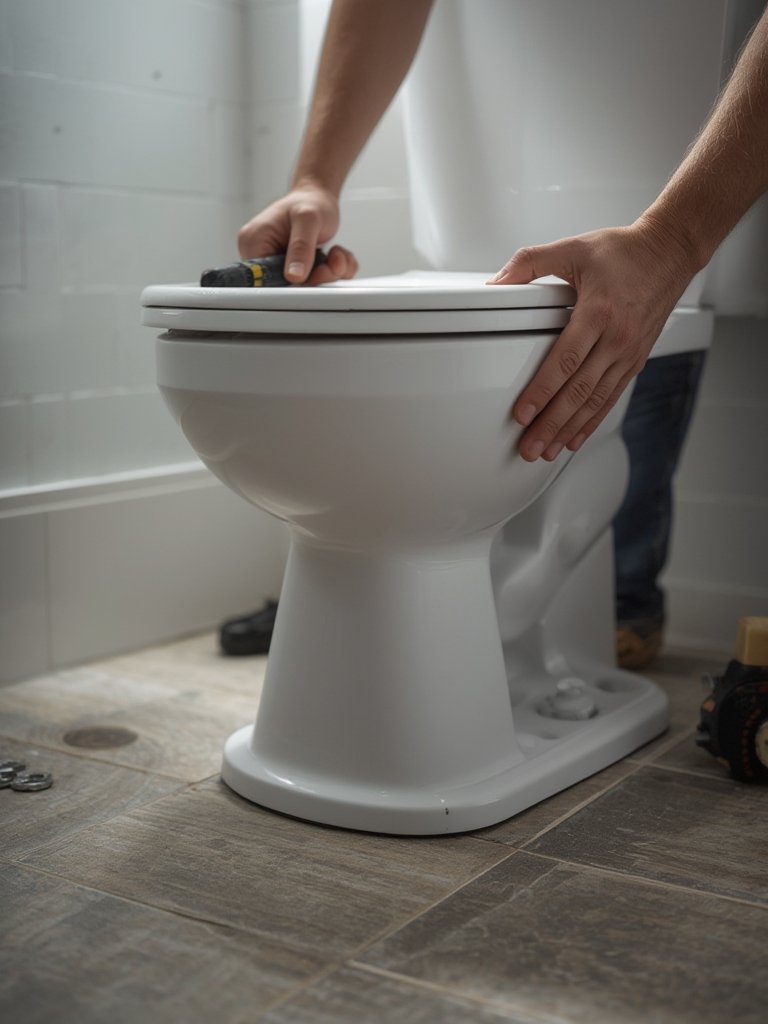
- Professional installation ensures watertight seals and safer setups for accessibility.
- If DIY, follow all manufacturer instructions, shut off water, and use a new wax ring. Replacing old floor bolts helps prevent leaks.
-
Check the ADA Checklist
- Seat height must measure 17–19 inches with seat attached (source).
- Add grab bars for true ADA compliance and improved safety.
- Review local codes—building inspectors sometimes have unique requirements for accessible bathrooms.
-
Test for Comfort
- Have all household members try out the new height, especially children and shorter adults—if feet dangle, consider a step stool or alternative solution.
-
Maintain Properly
- Document install details (brand/model, seat type) for future repairs and matching parts.
- Regular cleaning is the same as for other toilets; follow manufacturer care advice for finish and flushing system.
For more ideas on accessible remodeling, see our complete guide to successful bathroom and kitchen remodels.
When upgrading older homes, consult our aging in place bathroom post for senior-friendly tips. If exploring larger fit-out options—like a curbless shower installation—plan these upgrades together for maximum safety and value.
Advanced Analysis & Common Pitfalls
Comfort height toilets deliver real benefits but do have documented drawbacks and traps. Here’s a deeper look—so your upgrades solve problems, not create them.
-
Potential Pitfall: Too Tall for Kids and Shorter Adults
- Some comfort height toilets cause feet to dangle, increasing risk of slips, falls, and discomfort—especially for kids.
-
Potential Pitfall: Cost Considerations
- These models typically cost more than standard toilets, with installation sometimes pricier due to heavier weight (source).
-
Potential Pitfall: Dimensions and Space
- Larger, bulkier base can cramp smaller bathrooms—measure carefully so doors, drawers, or built-in paper holders don’t interfere (source).
-
Potential Pitfall: Missed ADA Details
- It’s not just about seat height—even a 17″+ seat may not be fully compliant if grab bars or required clearances are missing.
-
Potential Pitfall: Installation Mistakes
- Skipping a rough-in measurement, failing to account for seat thickness, or using old hardware/wax rings risks leaks and failures (source).
| Feature | Comfort Height Toilet | Standard Height Toilet |
|---|---|---|
| Seat Height (with seat) | 17–19 inches | 14.5–16 inches |
| User Comfort (adult/senior) | Much easier on knees/back | More effort to use/rise |
| Child/Short Adult Friendly? | No—can increase slip risk | Yes |
| Cost | Higher ($250–$600+) | Lower ($125–$400) |
| ADA Compliant? | Yes (with other features) | No |
| Durability | Heavier, similar wear | Lighter, similar wear |
Ongoing maintenance needs are similar to standard toilets, but the extra weight of comfort height models should be noted during install and repair. For a full remodel, integrating features like grab bars, zero-entry showers, and biophilic bathroom design can further boost your bathroom’s comfort and accessibility.
Conclusion
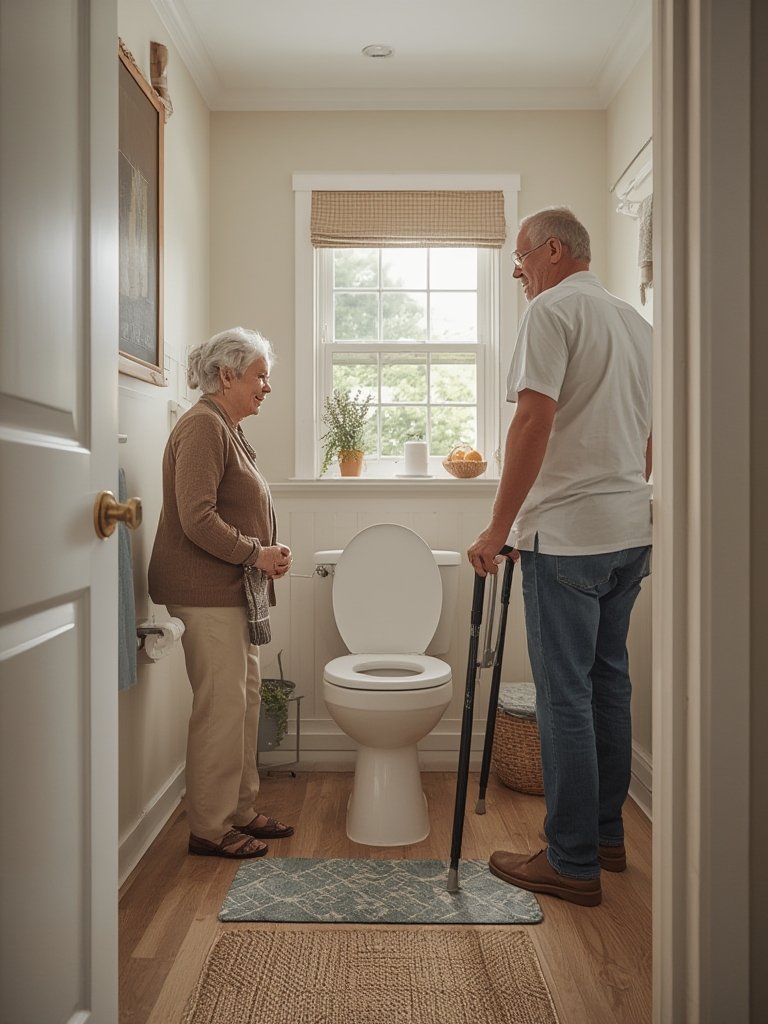
Choosing and installing a comfort height toilet brings real-world benefits for accessibility, safety, and long-term livability—if you carefully measure, budget, and plan for everyone in your home. Cost, size, and the needs of all users must be weighed against the convenience and compliance advantages. Always follow best practices and seek out expert advice—like that in our complete remodeling guide—to ensure the right comfort height toilet is the best fit for your project. Ready to take the next step? Check measurements, verify ADA requirements, and upgrade your bathroom for the future with a comfort height toilet.
Frequently Asked Questions
What is a comfort height toilet?
A comfort height toilet is a toilet with a seat height of 17 to 19 inches from the floor, designed to be easier to sit down on and stand up from compared to standard height models.
Is a comfort height toilet right for kids?
Comfort height toilets are typically too tall for children or shorter adults, which can lead to discomfort and an increased risk of slips. Use a step stool or consider a standard height toilet for child-heavy households.
Are all comfort height toilets ADA compliant?
No. ADA compliance requires a seat height of 17–19 inches and other features, such as sufficient grab bars and space. Simply buying a tall toilet isn’t enough for full accessibility standards (source).
Do comfort height toilets cost more to install?
Yes. Besides being more expensive to buy than standard toilets, their heavier weight can make professional installation pricier as well.
Can I install a comfort height toilet myself?
Yes, if you have basic plumbing DIY skills, but professional installation is recommended for leak-free, safe, and ADA-verified setups—especially if integrating with accessible features (source).
—