

### Blog Post:
Looking for the ideal gym bag for women? You’re not alone—demand is skyrocketing as more women hit the gym, commute, and need stylish, practical ways to organize their workout life and workday. Whether you’re tired of shoes mixing with clean clothes or you’re done carrying “sporty” bags that clash with your office look, smart gym bag choices make a huge difference.
Key Takeaways
- The best gym bags for women blend dedicated compartments, durable yet lightweight materials, and a look that transitions from gym to office.
- Major pain points include poor organization, uncomfortable straps, and overstated waterproofing—avoid these for a better experience.
- Investing in mid-range options ($60–$120) usually delivers the best combination of quality, convenience, and lasting style.
- What Makes a Gym Bag for Women Different?
- Step-by-Step Guide to Choosing the Best Gym Bag for Women
- Advanced Analysis & Common Pitfalls
- Conclusion
- FAQ: Women’s Gym Bags
What Makes a Gym Bag for Women Different?
Gym bags for women aren’t simply “smaller” or “prettier” versions of men’s duffels. Today’s top choices deliver thoughtful organization, pad your commute with comfort, hold up under real-world messes, and look like a chic tote or backpack you’d actually want to carry. Women’s gym bag demand is surging, with global spending approaching multi-billion-dollar figures, driven by shifting fitness participation, athleisure trends, and women’s unique storage needs.[1]
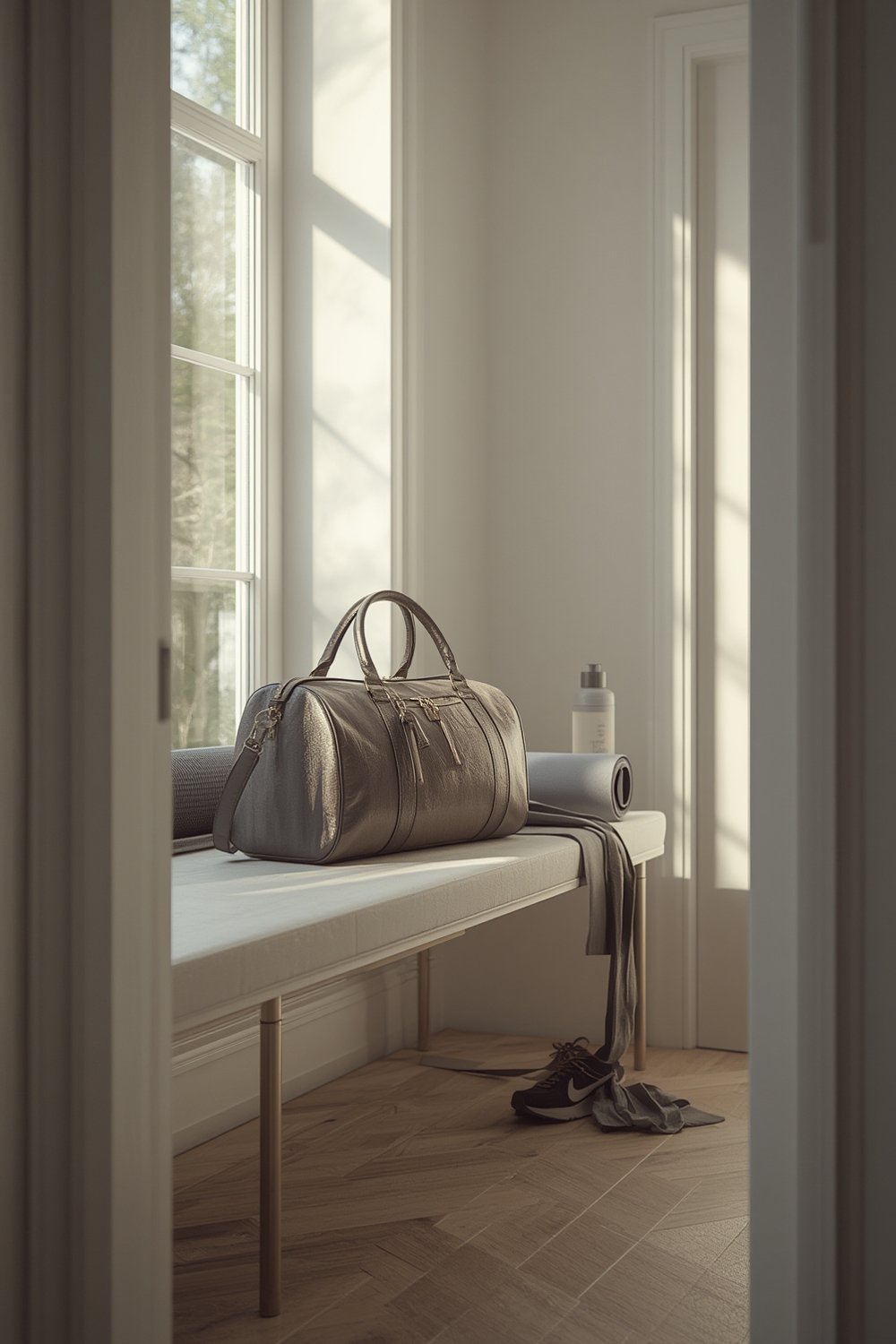
The popularity of hybrid “work-gym” totes, functional backpacks, and high-performance CrossFit duffels reflects this shift. Female buyers, especially from Millennial and Gen Z groups, want bags that keep gym shoes, outfits, laptops, and clean lines all in order. Most options now center on:
- Dedicated shoe and laundry zones—no more mixing damp sneakers with headphones or snacks.
- Padded ergonomic straps, sometimes convertible to backpack or tote modes.
- Materials tough enough for urban commutes but lightweight enough to avoid shoulder strain.
- Fashion-forward colorways and shapes that won’t embarrass you at work.
Done right, a gym bag for women becomes an all-day “mission control”—saving time, keeping you organized, and protecting your gear from rain and locker room mess.
Step-by-Step Guide to Choosing the Best Gym Bag for Women
Ready to upgrade? Here’s a stepwise process based on current market trends, real user complaints, and product stats so you choose a gym bag that fits your life, not just your gym shoes.
- Start With Function First—Not Just Style
- Do you commute by foot, train, or car? Will the bag need to fit under a desk, in a locker, or double as a work tote?
- Backpack-style bags are best for active commutes and comfort; duffels with convertible straps offer versatility. If you want elegance with tech pockets, look at studio-commuter totes.
- Get the Essentials—Compartment Count Is Key
- High-performing gym bags for women nearly all include:
- Separate ventilated shoe pocket (to stop odor and dirt from spreading).
- Water-resistant or lined compartment for sweaty gear or swimwear.
- Padded laptop/tablet sleeve for “work-gym” hybrid needs.
- Multiple pockets for small items—cards, keys, headphones, beauty essentials.
- Low-performing bags usually lack subdivisions. If you must compromise, DIY with organizers until you upgrade. For more targeted workouts, check our Resistance Band review—and remember your bands need a secure side pocket!
- High-performing gym bags for women nearly all include:
- Material Matters—Weather and Durability Aren’t Optional
- Mid- to high-denier polyester (300D–600D) or rugged nylon offers the best combo of durability and lightness.[2] Avoid uncoated fabrics; choose PU or TPU coatings for serious water resistance (not just “splashproof”).
- Look for reinforced base panels and real seam protection. If your gym has wet floors, demand double-layered or coated bottoms—a key detail most brands undersell.
- Prioritize Comfort and Ergonomics
- Wide, padded straps (adjustable or convertible to backpack carry) prevent digging and strain, especially if you’re carrying extra gear or tech.
- Women’s models should suit shorter torso lengths; try on, when possible, to check balance and not just style. Explore how a well-designed weightlifting bag can optimize your total packout.
- Balance Price With Features
- Economy ($25–$60): Basic materials, limited pockets—fine for light packers or backup. Mid-range ($60–$120): The sweet spot—durable construction, thoughtful layout, rain protection, and style. Premium ($120–$250+): Best for ultra-durable, waterproof, or modular systems (removable pouches, tech features).[3]
- Don’t fall for over-hyped bags promising “built like a tank” if all you carry are leggings and shoes; match your load to the bag’s weight and features.
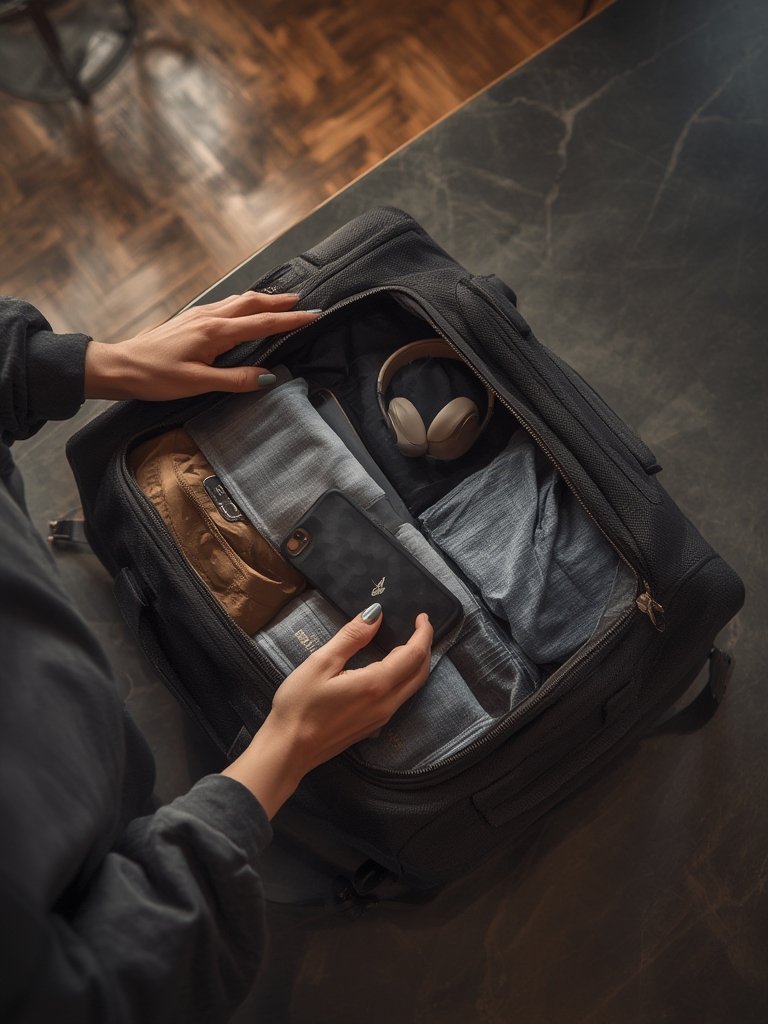
Final Step: Look for real durability and hygiene features—like antimicrobial linings or wipe-clean, ventilated compartments. If odor and wet gear are issues, choose bags with easy-clean surfaces or plan a cleaning schedule to prevent lingering smells (most “odor-proof” claims are exaggerated).
For efficient gym workflows, see how products like the best home gym power racks or situp bars change what gear you actually haul—your gym bag should flex with your training style.
Advanced Analysis & Common Pitfalls
Even experienced buyers often run into frustrating issues. According to leading review roundups and industry data, the biggest pitfalls in choosing a gym bag for women include:
- Poor organization: A single large compartment looks big but quickly turns into a “gear pit”—especially for anyone who juggles shoes, tech, and work extras.
- Straps that hurt over time: Thin, non-padded, or poorly shaped straps dig in during longer walks or commutes—particularly painful for petite women.
- “Not really waterproof” bottoms/seams: Most “water-resistant” bags leak through stitches or cheap zippers in heavy rain or when set on wet gym floors. (Tip: If you use open-shower locker rooms, your bag’s base can soak through in minutes.)
- Awkward sizes or shapes: Some duffels don’t fit gym lockers or under desks; tote handles can be too short for shoulder carry with bulky jackets.
- Style mismatches: “Sporty” graphics or neon panels may feel fine at the gym but look out of place at the office.
| Feature | Low-Performing Bags | High-Performing Bags |
|---|---|---|
| Compartment Layout | Single, large “dump zone”; no shoe/wet pocket | Shoe pocket, lined wet zone, organizer pockets, tech sleeve |
| Strap Comfort | Thin, non-padded, only one carry mode | Padded, adjustable, convertible (backpack/tote) |
| Materials & Waterproofing | Uncoated polyester, seams/stitches exposed, leaks easily | PU/TPU-coated outer, reinforced/wipe-clean base, covered zips |
| Aesthetics | Overly “sporty,” neon or generic colors, bulky silhouette | Minimalist, professional, or hybrid style—blends gym/office/travel |
| Cleaning & Odor Control | No ventilation, hard-to-clean linings, odors linger | Ventilated, wipe-clean compartments, antimicrobial lining option |
| Price Range (2024) | $25–$60 | $60–$120 (best value) |
One overlooked issue is that many “waterproof” bags lose water resistance at seams, zippers, or when coatings wear off after repeated washing. To keep odors down, plan for monthly spot-cleaning or weekly wipe-downs—especially if your shoes or gear get wet.
Interested in optimizing more than your bag? Check out our 7 proven ab exercises with core sliders and see how these tools pair with a gym bag that actually keeps small equipment sorted and clean.
Conclusion
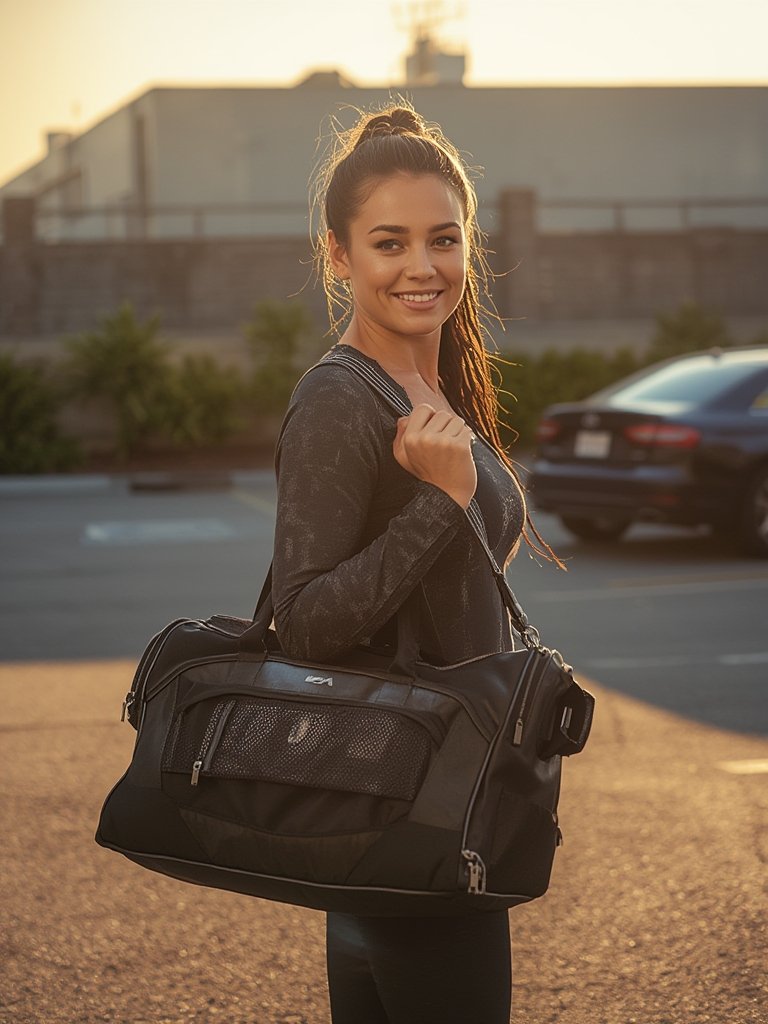
The ideal gym bag for women looks professional, organizes all your gear and tech, and actually stands up to the spills, sweat, and weather real users face. Focus on practical features: separate shoe and wet compartments, comfort-focused straps, proven materials, and a style that fits your life. Don’t sacrifice on layout or choose the newest trend without checking for actual usability. With the right approach, your gym bag for women becomes an investment in day-to-day efficiency and comfort.
Ready to organize your fitness and work life? Start by reviewing your needs and compare the best options—your commute and workouts will never be the same.
FAQ: Women’s Gym Bags
What size gym bag is best for women who combine gym and work gear?
Choose a bag with at least 20–30 liters capacity and a padded sleeve for your laptop or tablet. Ensure a separate, ventilated shoe pocket and a water-resistant compartment for wet clothes. Try to test the bag in person for size if possible.
Are duffel bags or backpacks better for women’s gym needs?
If you walk, bike, or use public transport, a convertible backpack-duffel with wide, padded straps is best for comfort. Classic duffels are fine if you go by car, but look for ergonomic handles and check locker compatibility before you buy.
How do I stop my gym bag from smelling like shoes?
Always use a bag with a ventilated shoe compartment. For extra odor control, empty shoes after each workout, use antimicrobial sprays occasionally, and wipe clean the compartment weekly. Consider using shoe bags or insert odor-eating packets.
What should I look for in materials and waterproofing?
Pick mid- or high-denier polyester/nylon with a real PU or TPU coating. Double-check that the base panel and seams are reinforced or taped. “Water-resistant” is sufficient for most commutes, but if you carry tech in thunderstorms, opt for advanced waterproofing.
Should I pay extra for a premium gym bag?
If you train often, commute on foot, or need a bag that doubles as an office tote, paying in the $60–$120 range often pays off in comfort, usability, and bag life span. Pure premium ($150+) is worth it for niche needs (extra tech, modular organization, or high-demand travel).