
Kettlebell adjustable weight options have exploded in popularity for home gyms, promising space and cost savings—but their real value, long-term durability, and user experience differ from the marketing hype.
Key Takeaways
- Adjustable kettlebells now claim nearly 19% of the global kettlebell market, with rapid annual growth fueled by home workout demand.
- The main complaints are about locking reliability, wear on mechanisms, and real cost of repairs—especially after 2–3 years of use.
- Space savings are real, but biomechanical drawbacks and hidden ownership costs get overlooked in most buying guides.
- What Is a Kettlebell Adjustable Weight? Why Are People Switching?
- Step-by-Step Guide: Choosing & Using an Adjustable Kettlebell
- Advanced Analysis & Common Pitfalls: What Most Reviews Miss
- Conclusion: Is a Kettlebell Adjustable Weight Worth It?
- Frequently Asked Questions
What Is a Kettlebell Adjustable Weight? Why Are People Switching?
Adjustable kettlebells allow you to change the load of a single bell instead of needing a separate kettlebell for each weight. Models use mechanisms such as dials or swappable plates, letting you train with a variety of weights while freeing up floor space. The draw is clear: one device, many loads, less clutter.
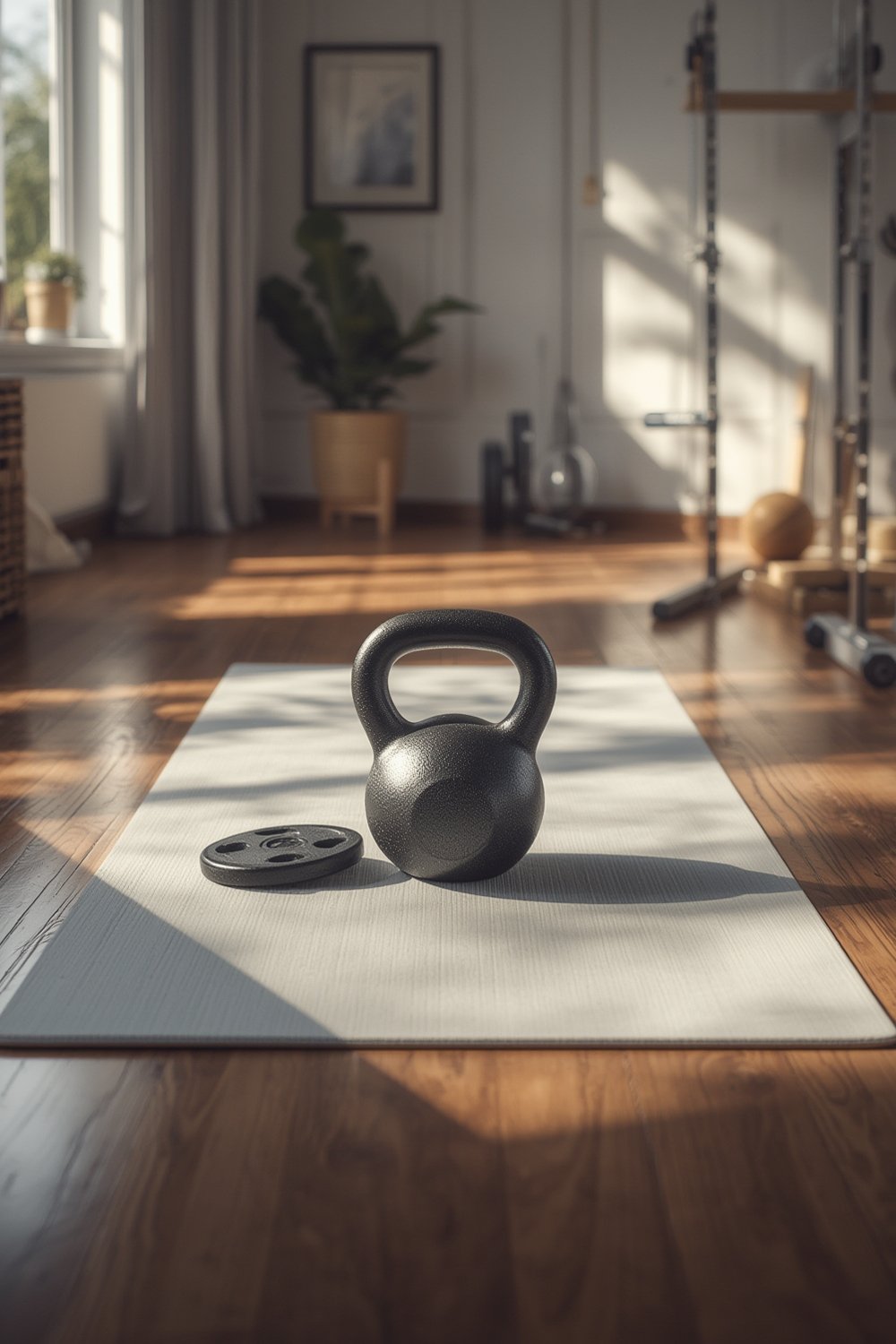
The rise in home gym setups, especially after 2020, turned adjustable models into the fastest-growing segment for kettlebells—outpacing traditional cast-iron bells in sales growth by nearly two-to-one (source). More than half of these are purchased online, primarily by home fitness buyers who want to save space and money.
Space is a big factor. While fixed kettlebells still dominate volume, adjustable kettlebells save about 40% on storage needs and can replace up to eight separate bells in the average home (source). However, this versatility comes with trade-offs—especially in reliability and cost over time, which is where many new buyers get surprised.
Below, you’ll learn how to choose an adjustable kettlebell, avoid hidden pitfalls, and whether it’s the smartest investment for your training needs.
Step-by-Step Guide: Choosing & Using an Adjustable Kettlebell
-
Decide on Mechanism: Dial vs. Plate-Loaded
- Dial/Selectorized: Quicker weight changes, great for intervals. More expensive, usually have more moving parts and potential weak points.
- Plate-Loaded: Cheaper and sometimes more robust, but slower to adjust. Can be fiddly mid-workout.
-
Choose for Your Weight Range & Goals
- Most home users train in the 10–40 lb (4.5–18 kg) or 12–24 kg range. Go higher only if you do advanced kettlebell work or plan to grow beyond basics.
-
Consider Materials and Longevity
- Alloy steel or solid cast iron lasts longer. Avoid models that rely too much on plastic in dials or handles—these are the first to wear down or snap.
-
Evaluate Handle Ergonomics and Window Size
- Look for a handle that matches the size and feel of a classic kettlebell (28–33mm diameter, wide enough for two hands if needed). Poor handle design is a deal-breaker for many exercises.
-
Check for Locking Security and Rattle
- Twist or shake potential models. Tight locks and no rattle are crucial. Some users report plates shifting loose during swings if the mechanism wears out.
-
Calculate Total Long-Term Cost
- Add up shipping, warranty (especially on selector mechanisms), and the likely cost of Replacement dials/pins after a few years. The initial price only tells half the story.
-
Practice Safe Use and Simple Maintenance
- During each workout, double-check the locking system. Clean and lubricate mechanisms every month. Store the bell indoors to prevent rust and plastic degradation.
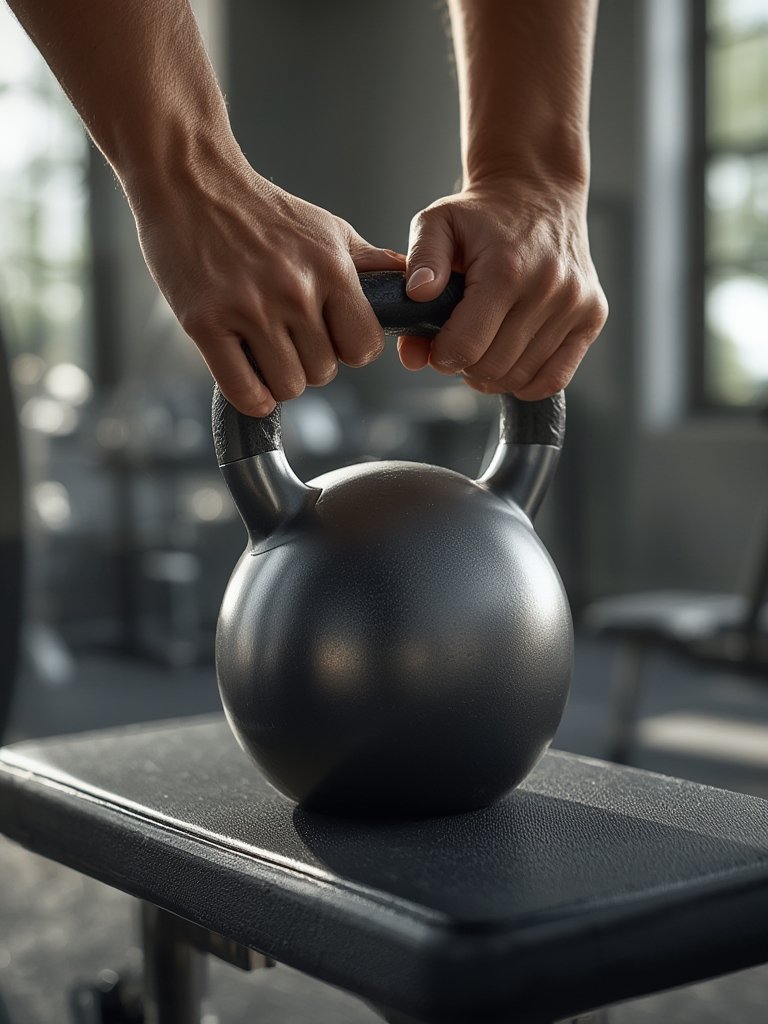
For users wanting to further expand their home gym versatility, consider supporting equipment such as a resistance band set or a compact power rack. These pair well with kettlebell routines and can boost training results while saving space.
Advanced Analysis & Common Pitfalls: What Most Reviews Miss
Not all benefits or risks are listed in the product description. Research and user feedback reveal frustrations that get missed in ordinary buying guides:
Comparison Table: Adjustable vs Fixed Kettlebells (2024)
| Feature | Adjustable Kettlebell | Fixed Cast-Iron Kettlebell |
|---|---|---|
| Storage Space | Saves ~40%, replaces up to 8 bells | Needs rack or larger floor space |
| Weight Range | Usually 10–40 lb (some 12–24 kg+) | Single weight per bell; wider overall range |
| Initial Cost | ~2.5× or more vs same weight in fixed bells | Lower per-bell price, but must buy multiple to match the range |
| Biomechanics | May have wider base, odd balance, or protruding plates | Classic shape; consistent handle and technique |
| Durability | Moving parts wear: dials, pins, plastic tracks | Virtually bombproof if quality iron |
| Warranty & Repair | Warranty usually shorter on adjustment parts Replacement dials/pins can be costly | Minimal issues: shell rarely fails |
Common Pitfalls & Issues (Based on 2024 User Data)
- Locking mechanism fails/slips after one to two years. Most common with plastic dials or pins. Always inspect before and during workouts.
- Slow weight changes disrupt intervals, especially for modular/plate-loaded designs. Not good for group circuits or fast-paced training.
- handle size and geometry issues limit advanced kettlebell moves. Some models have thick or awkward handles that make Turkish get-ups, snatches, or double-handed swings uncomfortable.
- Painful warranty and repairs. If the dial or selector breaks, some owners must ship the whole bell to the manufacturer and pay out-of-pocket, even inside the first three years. Check in advance if the brand offers spare parts directly.
- Limited resale value and short lifespan on “smart” or app-connected models. Updates may stop, and parts are often proprietary, making these the riskiest long-term purchases (source).
- corrosion-resistant finishes, especially when stored in garages or sheds. Look for corrosion-resistant finishes if this applies to you.
For alternative compact weights, you may also consider bumper plates or core sliders for a modular, space-efficient routine. They complement lighter kettlebells or fill gaps in training where heavy swings aren’t required.

Conclusion: Is a Kettlebell Adjustable Weight Worth It?
Adjustable kettlebells solve real home gym problems for many people, especially where space is tight and budgets are limited for a big kettlebell rack. However, the appeal of a kettlebell adjustable weight comes with caveats: maintenance of moving parts, risk of breakdown, and long-term cost if you ever need to repair or replace key components.
Bottom line: If you value space and want quick weight changes for general strength, they’re a strong pick. But advanced lifters, heavy kettlebell users, or anyone intolerant of mid-set hiccups may prefer competition-grade fixed bells. Calculate the real cost of ownership—including replacement parts and warranty terms—before you buy.
Ready to expand your home gym? Check your real space and needs, compare top models with the table above, and always handle and inspect the mechanism before your first serious swing.
Frequently Asked Questions
How many kettlebells can an adjustable weight model replace?
Most adjustable kettlebells cover 4 to 8 fixed bell weights, typically ranging from 10 to 40 lb (4.5–18 kg) or 12–24 kg. Higher-end models may go heavier, but usually cost much more.
Are dial-based adjustable kettlebells safe for advanced moves like snatches?
They can be safe, but only if built well and kept in good repair. Cheaper or worn dials may slip under high loads—always double-check the lock before ballistic lifts and monitor for any rattle or movement.
What kind of maintenance do adjustable kettlebells require?
Routine inspection of dials or selector pins is crucial. Clean and lubricate mechanisms monthly, and store indoors to avoid corrosion or plastic breakdown.
What are the main drawbacks of adjustable kettlebells?
The most common complaints are locking mechanism failures, troublesome weight changes under time pressure, and inconsistent handle or bell geometry vs. traditional competition-style kettlebells. Replacement parts can also be expensive or hard to obtain.
Is the space saving really worth the extra cost?
For many, yes—especially in small apartments or if you train multiple people with different weights. But if you train heavy, value bombproof construction, or need ultimate reliability, fixed cast-iron kettlebells may provide better long-term value.