

### Blog Post:
Triple pane windows are one of the highest-performing choices for home insulation, promising meaningful energy savings, reduced noise, and enhanced comfort. Is this window upgrade really worth the cost in 2024? Here’s exactly what homeowners need to know—without the hype.
Key Takeaways
- Triple pane windows can cut heating bills by up to 25% and cooling costs by nearly 30% in cold climates, but payback is typically long outside frigid zones.
- Upfront costs are notably higher than double pane, and practical benefits depend greatly on climate, installation quality, and window design.
- Many competitor guides skip essential details like gas fills, long-term seal reliability, and air leakage—knowing these will help you make a smarter investment.
- What Are Triple Pane Windows and Why Do They Matter?
- How to Upgrade: Step-by-Step Guide for Homeowners (2024)
- Advanced Analysis & Common Pitfalls (What They Don’t Tell You)
- Conclusion
- FAQs
What Are Triple Pane Windows and Why Do They Matter?
Triple pane windows, also called triple glazed windows, feature three layers of glass with gas fills and Low-E coatings to enhance insulation. These advanced designs can slash energy loss, combat outside noise, reduce condensation, and regulate indoor temperatures. But with significant costs over double pane, it’s crucial to understand when—and why—this upgrade pays off.
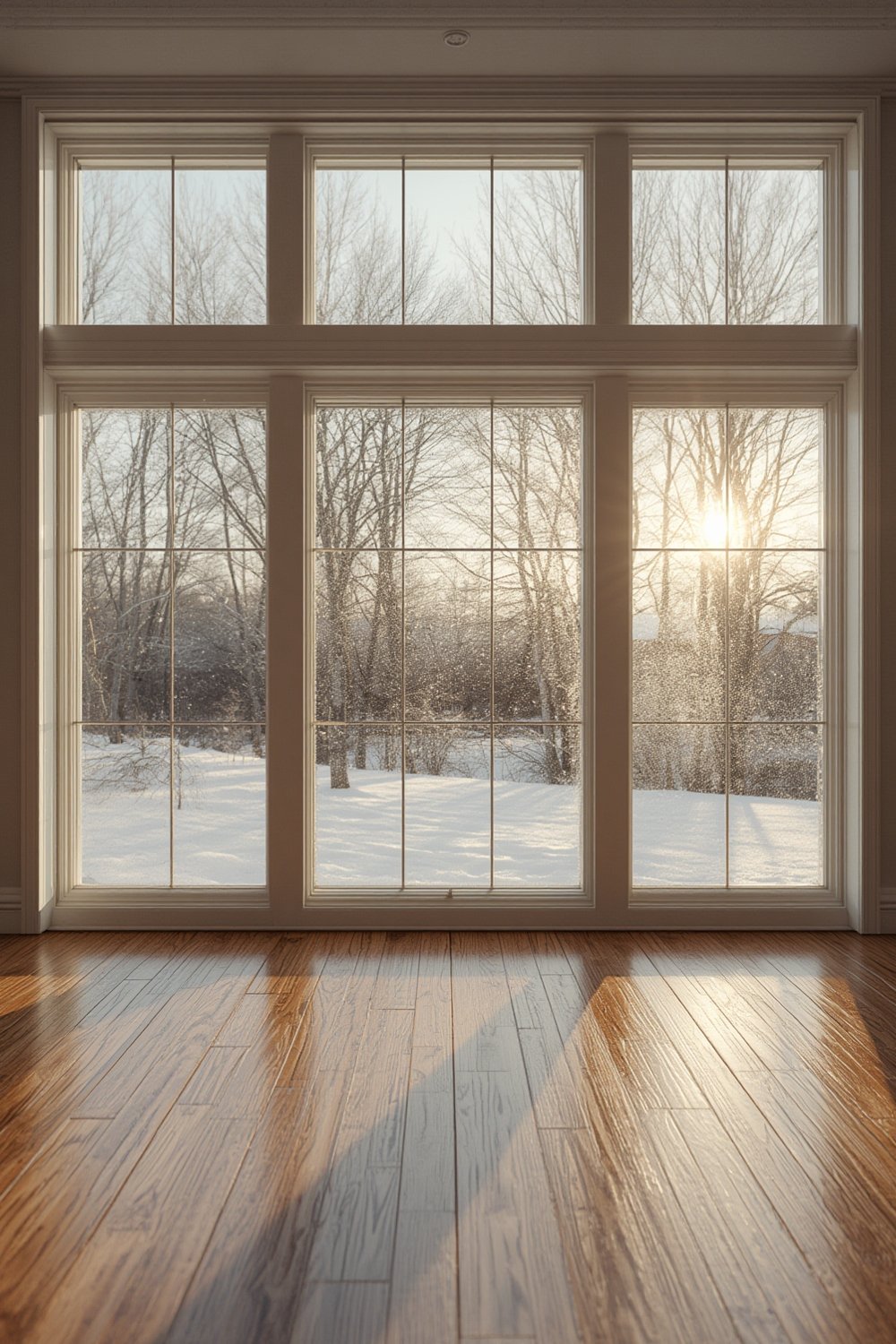
Pacific Northwest National Laboratory studies show that, in a standard 1,500-square-foot home, triple pane windows save the average homeowner up to 12% on heating and 28% on cooling annually compared to older windows (source). If you live in a cold climate (like Zones 6 to 8, including the Upper Midwest), you might see annual energy savings in the $150 to $400 range, primarily from big wintertime heating reductions. Homeowners in mild or moderate climates will see lower—yet still measurable—savings, roughly $100 to $250 per year (source).
If switching from single pane, triple pane can reduce heat loss by up to 70%, slashing energy costs by 25–40% compared to your old windows (source). In double-to-triple pane upgrades, insulation improves by 15–20%, and annual energy savings per window can hit $280–$350 in cold zones.
For even more home value upgrades, read our complete guide to successful bathroom and kitchen remodels.
How to Upgrade: Step-by-Step Guide for Homeowners (2024)
- Assess Your Climate Zone and Goals
Are you battling harsh winters, steamy summers, or both? Triple pane offers the strongest ROI in climates with extreme temperature swings and in homes where noise reduction or condensation control are top priorities. - Plan Your Budget & Window Count
Expect $20,000–27,500 for a whole-home retrofit (25 windows), or $400–1,100 per window depending on options (source). Triple pane maintains a 25–40% price premium over double pane. Labor, window size, and zoning can influence final costs. Before investing, check if you can pair your project with other insulation upgrades for greater whole-home comfort.
(Energy efficient windows can also boost home value, with nearly 68% of cost recouped at resale, according to Remodeling Magazine 2024.) - Choose the Right Features: Low-E, Gas Fills, Spacers
Select triple pane models with high-performance Low-E coatings and high-quality gas fills. Ask specifically what gas is used—argon is standard, but krypton insulates even better (though it’s more expensive; often justified only in very cold climates). U-factors for top triple pane windows range from 0.15 to 0.25, and R-values can hit 7.0 (vs. 3.3–3.8 for double pane). - Vet Installers Carefully
Research contractors with a proven track record of perfectly square, airtight window installs. A poor fit or rushed caulking job wipes out most insulation gains and can lead to annoying condensation between panes.- Check for Certified Installers
- Verify warranty details—leading brands offer glass “lifetime” warranties, but hardware usually gets 20–30 years, and labor just 5–10 years.
- Coordinate Timing and Possible Permits
Window replacement can require local permits. Plan for possible delays, especially if you need custom sizes. Each window install can take from 45–90 minutes for pros. - Audit for Rebates and ENERGY STAR Credits
While no specific triple pane rebates are universal in 2024, many states and utilities offer incentives for ENERGY STAR qualifying windows. Check for local offers and ensure product certifications before committing.
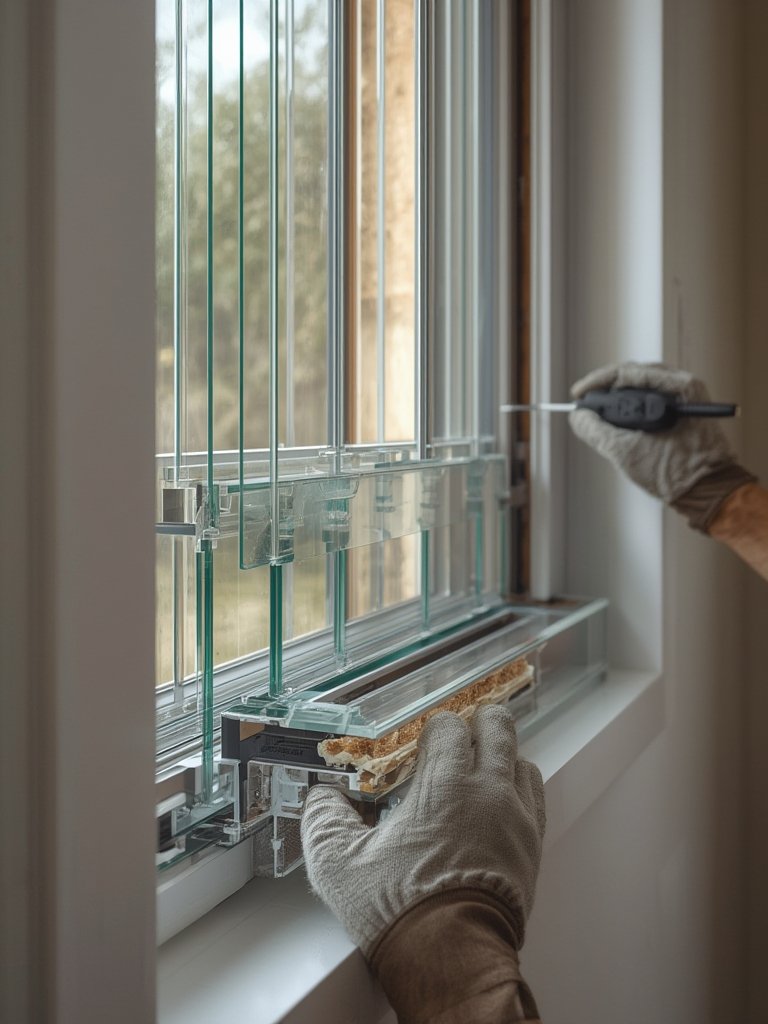
Want more on how insulation upgrades mesh with modern home systems? Check out our complete guide to smart homes and home automation, and for exterior value, see our trendy decor and home transformation ideas.
Advanced Analysis & Common Pitfalls (What They Don’t Tell You)
Real Limitations and Downsides
- Payback Can Be Slow in Mild Climates: Outside very cold regions, annual energy savings may take over 20 years to offset initial investment (source).
- Higher Upfront Cost: Triple pane windows cost 25–40% more than double pane, and up to four times more than single pane replacements.
- Installation Demands Finesse: Each added pane increases overall window weight; improper installation risks framing issues, seal failure, or future warping.
- Warranty Transfer Limits: Most brands allow a single transfer of materials warranty; resale could be less attractive if the warranty clock resets.
- Performance Depends on All Window Factors: If air leakage, poor spacers, or weak frame insulation are present, triple pane’s value is eroded quickly.
These problems highlight why competitor guides too often gloss over the real technical details. For a truly energy-wise home, a whole-building approach (walls, air sealing, attic insulation) may bring a faster payback on comfort and cost.
Essential Comparison Table
| Feature | Single Pane | Double Pane | Triple Pane |
|---|---|---|---|
| U-factor (lower = better) | 0.49–0.89 | 0.25–0.35 | 0.15–0.25 |
| R-value (higher = better) | 0.9–1.3 | 3.3–3.8 | 6.0–7.0 |
| Air Leakage (≤0.3 cf/m/ft² best) | High | Low–Moderate | Lowest |
| Average Installed Cost (per window) | $175–400 | $300–800 | $400–1,100 |
| Payback (cold zone) | NA | 6–12 yrs | 11–30 yrs |
| Carbon Savings/year (vs. single pane) | — | 2,000–2,500 lbs | 2,300–2,800 lbs |
Want the best exterior and landscaping upgrades to match? See our expert tips on finding the number 1 landscaping services near you and drought tolerant landscaping strategies.

Triple pane windows work best as part of a complete, climate-resilient home upgrade, such as adding a four season porch enclosure for increased comfort and efficiency.
Conclusion
Choosing triple pane windows in 2024 is an investment in comfort, energy savings, and long-term resilience—especially for homeowners in cold regions. The payback is slow in milder climates, and careful product selection plus airtight installation makes all the difference. For those seeking better noise protection, condensation elimination, and a warmer home, the triple pane windows upgrade can be a savvy move. Consider your climate, ask about gas fill and warranty specifics, and always coordinate with broader energy upgrades for the best value.
Ready to boost comfort and curb appeal? Get quotes from certified pros now, and make your next window project a smart success.
FAQs
Do triple pane windows always save more energy than double pane?
Not always. Triple panes outperform in cold zones or for noisy areas, but in mild regions, the energy savings versus double pane may not justify the additional cost.
How long do triple pane windows last?
Frames and materials typically last 20–30 years; glass units can carry lifetime warranties. Always verify specifics with each manufacturer.
Is Low-E coating important for triple pane windows?
Yes. Low-E coatings greatly improve insulation by reflecting heat and blocking UV, further reducing heating and cooling needs.
Are there rebates for installing triple pane windows?
While there are rarely rebates specific to triple pane, many energy utilities and states offer incentives or tax credits for ENERGY STAR-certified windows.
Can I replace some, but not all, windows with triple pane?
Yes. Many homeowners target north-facing or high-traffic/noise windows first to balance comfort and budget.