

### Blog Post:
Thinking about a home sauna installation? You’re not alone. U.S. households are adopting home saunas at a record pace in 2024, driven by a surge in wellness-focused home improvements. But real success—and satisfaction—comes from understanding the options, facing potential pitfalls, and making smart choices tailored to your space and goals.
Key Takeaways
- Home sauna installation is rapidly growing, with 1.5 million U.S. households now owning saunas.
- Traditional, infrared, and portable saunas each come with unique benefits and challenges—know them before you start.
- Most content misses real-world pitfalls: factoring space, electrical upgrades, and safety are critical for a smooth upgrade.
- What Is Home Sauna Installation and Why Is It Popular?
- Step-by-Step Guide: How to Install a Home Sauna
- Advanced Analysis & Common Pitfalls
- Conclusion
- Frequently Asked Questions
What Is Home Sauna Installation and Why Is It Popular?
Home sauna installation means adding a traditional or infrared sauna to your private residence, whether indoors, in your bathroom remodel, your basement, or as a backyard retreat. It provides health-conscious homeowners with an in-demand relaxation and wellness amenity—without leaving the house.
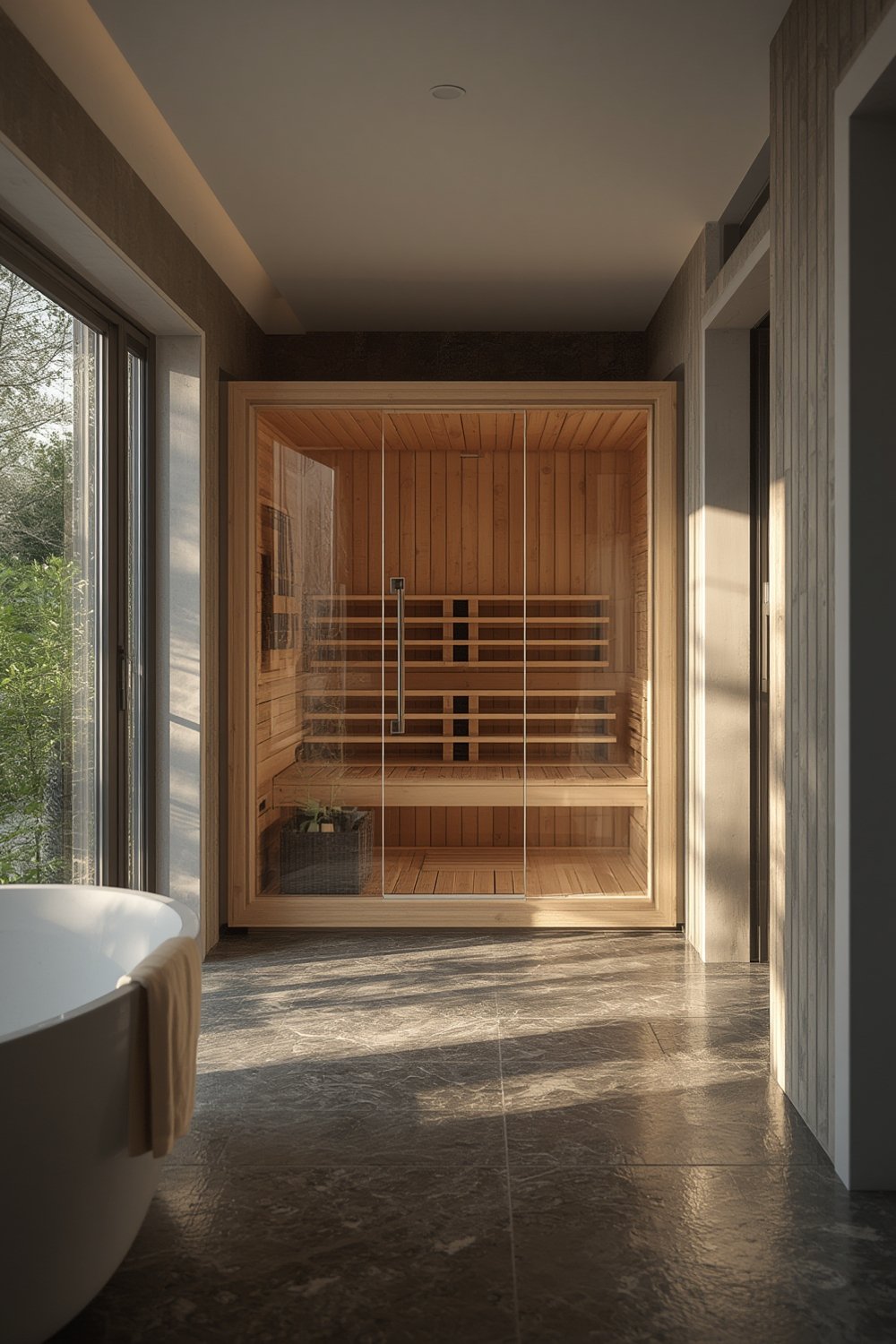
According to recent reports, the U.S. sauna market alone reached $197.6 million in annual revenue in 2024, with over 1.5 million U.S. households now owning a sauna. The trend is accelerating—home installations are growing 5% annually.
The reasons for this surge are clear:
- DIY-friendly prefabricated kits and portable models make it easier and more affordable than ever before.
- Saunas are linked to benefits around heart health, mental wellness, and restful sleep—appealing to people who want natural wellness solutions. (source)
- The rise in wellness spending means a home sauna boosts both your comfort and your home upgrade value.
Whether you want the ritual of a Finnish steam sauna or the convenience and energy savings of infrared, understanding your choices and preparation steps is non-negotiable for a safe, long-lasting installation.
Step-by-Step Guide: How to Install a Home Sauna
- Assess Your Space and Needs
Decide between an indoor or outdoor sauna. Measure your intended location and check the floor plan, ceiling height, and nearby plumbing or electrical sources. - Choose Sauna Type
Pick between Traditional models (electric or wood-burning), infrared, or portable/kit models. Traditional offers a true steam experience. Infrared is energy-efficient and often plug-and-play. Portable kits are budget-friendly but smaller. - Plan for Power and Ventilation
Traditional models usually require a dedicated electrical circuit, and sometimes panel upgrades. Infrared units often run on standard outlets. Outdoor saunas need weatherproofing and foundation prep.
Ensure proper ventilation—overlooked ventilation causes moisture, mold, or structural damage. - Build or Assemble
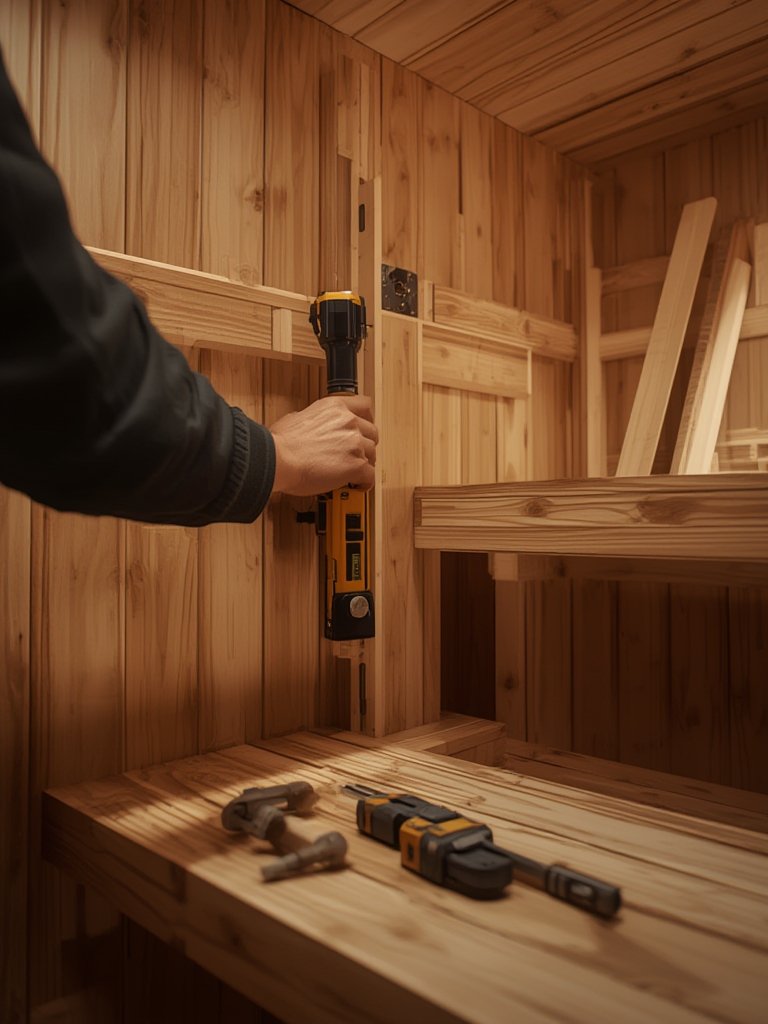
Prefab kits can be assembled in a day by handy homeowners. Custom builds need professional installation and compliance with local safety codes. - Final Installation and Safety Check
Have a licensed electrician confirm electrical work. Inspect insulation, heater wiring, door seals, and any benches or accessories. Test temperature controls and safety shutoffs before first use.
- Want to integrate your sauna with a larger remodeling project?
See Your Complete Guide to Successful Bathroom and Kitchen Remodels for seamless design advice. - Considering adding wellness upgrades outdoors?
Pair your sauna with number one landscaping services near you for a truly spa-like backyard retreat.
Advanced Analysis & Common Pitfalls
Most home sauna installation projects run into snags—even with prefab kits. Here’s what often goes wrong, and how to realistically prepare:
- Electrical Surprises: Many older homes lack the dedicated 240V circuit required for traditional or large infrared saunas. There may be panel upgrades costing several hundred to thousands of dollars.
- Space Constraints: Not every spare room or basement is suitable. Low ceilings or narrow doorways can block kit assembly or limit comfort.
- Poor Ventilation: Skipping or minimizing ventilation leads to trapped moisture, mold, or even damage to surrounding walls and floors.
- Hidden Expenses: Prep work—like leveling floors, installing a foundation for backyard saunas, or unexpected labor costs—is rarely included in kit pricing.
- Permit and Code Issues: Some municipalities require permits or inspections for sauna heaters. Skipping permits can stall or void warranty/insurance coverage.
| Sauna Type | Pros | Cons | Market Share (2024) |
|---|---|---|---|
| Traditional (Finnish, Wood/Electric) | Classic steam ritual High heat Durable feel | Needs robust electrical Longer warm-up Ventilation required More expensive to run | 44.5% (U.S.) |
| Infrared | Lower power demand Faster to install Lower temps usable Wellness claims | Less “classic” experience Smaller capacity Potential EMF worries | Fastest growing (50% sales growth) |
| Portable/Kit | No renovation required Can move/relocate Lower cost | Limited features Shorter lifespan Less aesthetic | Expanded access, fastest new user growth |
Health and wellness benefits are driving adoption, but don’t overlook drawbacks. For a truly maintenance-friendly addition, consider extending upgrades with smart home and property systems. For inspiration, see Trendy Decor Ideas and Seasonal Inspiration or add curb appeal with robotic lawn mowers for a low-maintenance landscape.
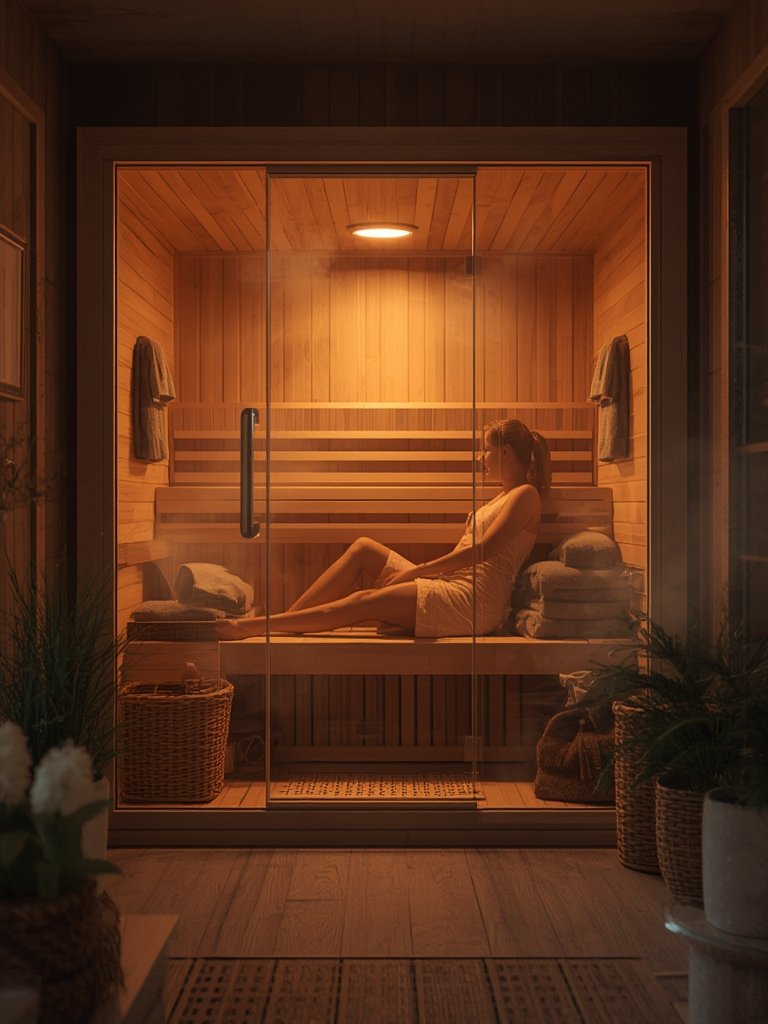
Technical and safety considerations are critical, especially since many guides and manufacturers gloss over them. For reliability, consult local code or a qualified home repair and appliance pro before you start.
Conclusion
Saunas are a top home wellness improvement for 2024, but smart home sauna installation means much more than following the basic kit manual. Really consider space, electrical, ventilation, and the type that fits your health and lifestyle needs. When in doubt, consult pros and set aside a budget buffer. Done right, you’ll enjoy years of comfort and value.
Ready to upgrade? Start your planning now—list your must-haves, research local code, and check compatible kits. There’s never been a better time to enjoy next-level relaxation at home.
Frequently Asked Questions
Is a permit required to install a home sauna?
It depends on your local building codes. Most areas require permits for electrical work and sometimes for the installation of sauna heaters. Check with your city or hire a licensed electrician to stay compliant.
Which costs more to operate: traditional or infrared home saunas?
Traditional saunas generally use more power, especially during warm-up. Infrared saunas are more energy-efficient and usually cheaper to run, but the overall experience is different.
What size sauna can fit in a standard U.S. home?
Most homes can accommodate a 1-4 person sauna. Kits range from compact models at under 4×4 feet up to 8×8 feet for larger custom builds. Always measure your ceiling height and entryways before purchasing.
Can a home sauna add value to my property?
While hard data is limited, home wellness upgrades are increasingly appealing to buyers. If installed professionally and blended into the home’s style, a sauna can boost perceived value.
How can I make my home sauna more energy efficient?
Use proper insulation, seal all joints and doors tightly, and invest in a timer or smart control system to avoid unnecessary run-time. Infrared models tend to be the most energy conscious.