

Contrast therapy pool installations are rapidly changing how homeowners, gyms, and wellness studios support muscle recovery and stress relief. If you want a real at-home spa experience with both hot and cold plunge features, understanding the approach, pitfalls, and requirements is essential before you buy or build.
Key Takeaways
- Contrast therapy pool setups are growing fast in home and business settings, but require careful planning for safety, space, and maintenance.
- New tech offers smart controls, but dual-temperature systems are complex—overlooked details often raise costs and impact reliability.
- Not all claims about cold/hot plunge health benefits are verified; use contrast pools responsibly, especially at home.
- Contrast Therapy Pools: What They Are and Why They Matter
- How to Install a Contrast Therapy Pool: Step-by-Step
- Advanced Analysis & Common Pitfalls of Contrast Baths
- Conclusion
- FAQ
Contrast Therapy Pools: What They Are and Why They Matter
Contrast therapy pools combine both hot and cold plunge capabilities. Typically, they enable users to alternate between heated and chilled water rapidly. This process is gaining major popularity for muscle recovery, joint comfort, and mental relaxation. Gyms, athletic centers, spas, and residential owners are investing heavily in them. Globally, the cold therapy and contrast pool market is expected to reach $12.34 billion by 2030, with U.S. demand over $5 billion by 2033 (source).
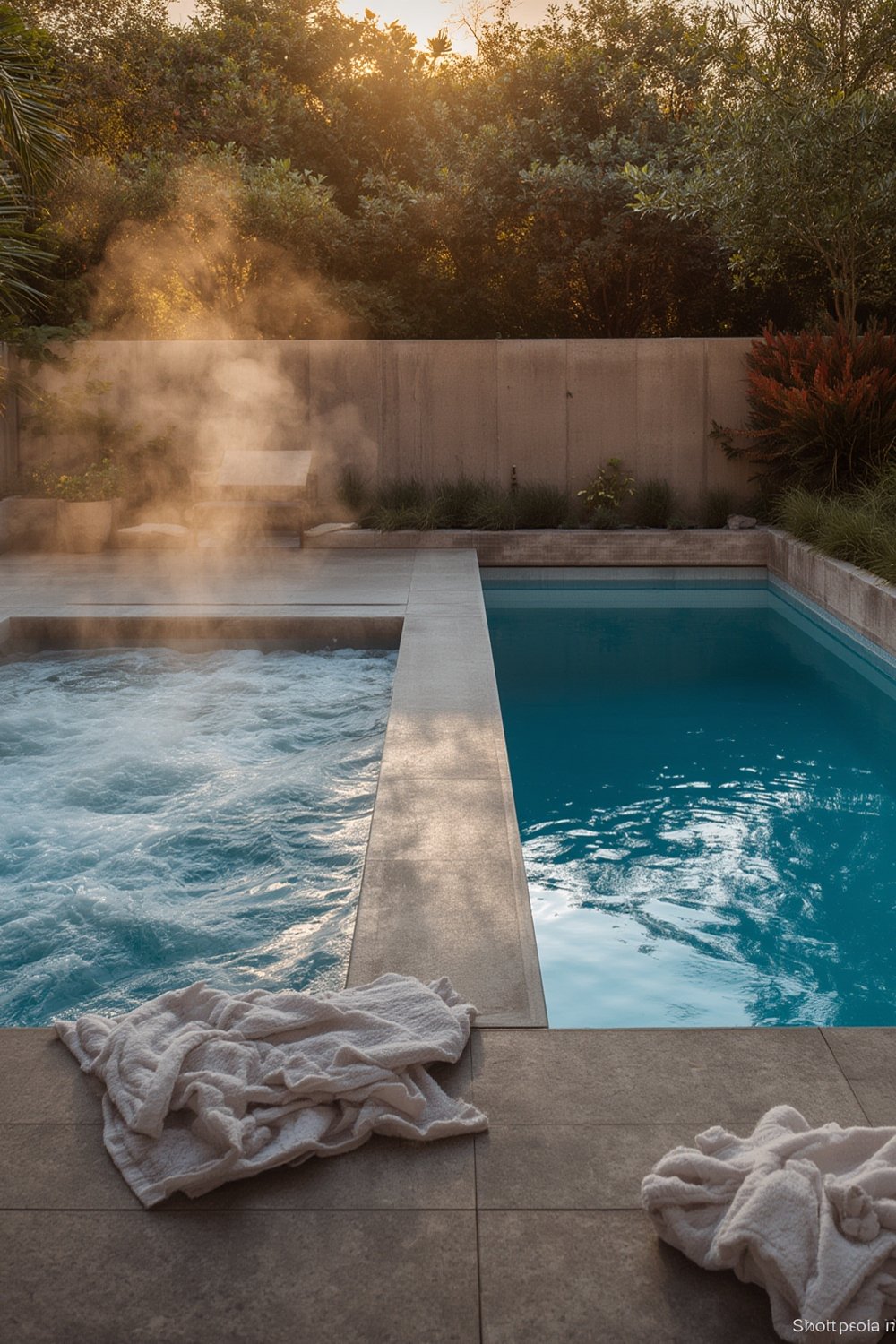
The main value comes from the ability to switch instantly between hot and cold plunges, which can boost blood flow and assist athletic recovery. However, building a contrast therapy pool involves more than just buying a hot tub and a cold tank. Essentials like energy use, smart controls, and space are often misunderstood or ignored when planning these dual systems.
How to Install a Contrast Therapy Pool: Step-by-Step
Setting up a proper contrast therapy pool at home or for your business takes more than wishful thinking. Here’s a realistic breakdown of what’s involved, so you avoid future regrets:
-
Assess Your Space
- Allocate enough square footage for both hot and cold units, plus walking and changing space.
- Indoor installations need extra ventilation and moisture-proofing. Outdoor setups require all-weather protection and secure foundations.
-
Determine Plumbing and Drainage
- Professional plumbing for both intakes and drains (ideally direct-to-waste for easy emptying and cleaning).
- Hot and cold units need their own lines; using a single circuit leads to temperature cross-contamination and poor performance.
-
Select Your Technology
- Modern systems offer app control, temperature scheduling, and even biometric monitoring for precise routines.
- Opt for self-cleaning, ozone, or UV sanitation for less day-to-day maintenance.
-
Choose Durable Materials
- Stainless steel, fiberglass, and commercial-grade acrylic last the longest. Cheaper plastics crack or fade quickly.
- Verify insulation quality, especially for outdoor units—thick, closed-cell foam cuts heat/cold loss and boosts efficiency.
-
Energy Supply and Efficiency
- Dedicated 30–50A circuits are common. Check local code and factor in both heating and chilling loads for a dual setup.
- Inquire about average kWh usage. Top models list monthly operating costs so you can plan your budget.
-
Professional Installation
- Even if you’re handy, licensed electricians and plumbers can prevent expensive mistakes with electrical, plumbing, and waterproofing issues.
-
Maintenance Plan
- Create a cleaning, draining, and filter change schedule. Smart models send reminders via apps.
-
Local Codes, Safety, and Certifications
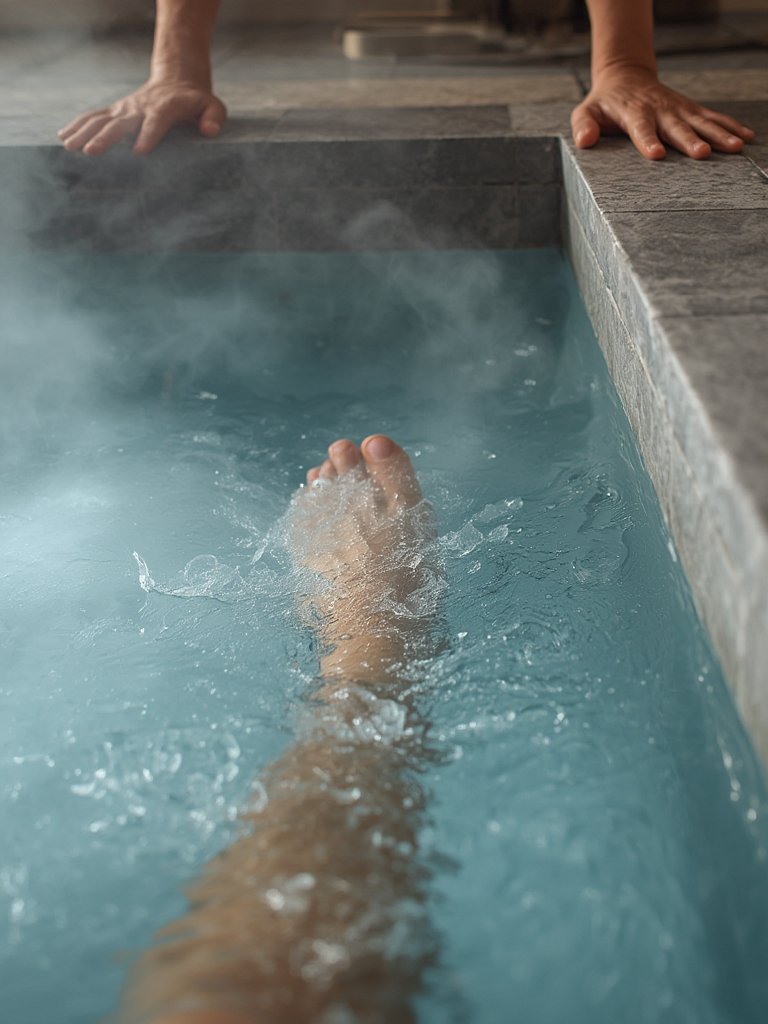
- Check for any local or HOA restrictions. While 2024 brings no new federal regulations, some municipalities or states have rules on safety fencing, anti-slip surfaces, and drain covers.
If you’re remodeling as part of a complete home upgrade, see Your Complete Guide to Successful Bathroom and Kitchen Remodels for project sequencing tips.
For those interested in linking their system to smart home routines, learn more about Smart Homes and Home Automation and how modern wellness tech fits in.
Advanced Analysis & Common Pitfalls of Contrast Baths
Contrast therapy pools deliver unique benefits, but there are real-world issues and pitfalls that most guides miss:
- Operational Complexity: Balancing two water systems means double the potential for failures, leaks, or control issues. Budget for spare parts and regular servicing.
- Upfront and Ongoing Costs: There’s little public data on averages, but dual setups—especially app and AI-enabled—command higher upfront and monthly bills.
- Safety: Health risks from improper cold exposure are real, especially for home users unfamiliar with protocols. Monitoring is vital (source).
- Installation Gaps: Many homeowners forget about splash management, backup drainage (for emergencies), and code compliance for both hot and cold equipment.
- Resale and Upgrade Limits: Permanent dual-pool installs may not appeal to every buyer, possibly limiting resale value.
| Feature | Modern Dual-Temp Pools | Basic DIY Setups |
|---|---|---|
| Temperature Range | 4°C (39°F) to 42°C (108°F) with digital control | Limited, often unreliable swing without precise controls |
| Durability | Stainless steel/fiberglass, 10+ years | Plastics or retrofits, 2-5 years (often less) |
| Smart Features | App, AI, and biometric tracking, self-cleaning options (source) | Rare or non-existent |
| Maintenance | Lower with UV/ozone; reminders via app | High manual input; easy to forget filter/drain cleaning |
| Cost | High upfront & ongoing, but more reliable | Lower upfront, higher cost if failures occur |
For pure cold immersion options or hybrid installations, check out our deep dive on robotic lawn mowers for automation parallels.
Curious about home wellness upgrades that blend function and style? Transform Your Home with Trendy Decor offers ideas for making your wellness zones look as inviting as they feel.

Conclusion
The contrast therapy pool trend is more than hype, but careful planning is essential for a safe, reliable, and cost-effective installation. The latest smart features add value, but expect higher costs and complex setup compared to single-temperature pools. Whether you’re starting your wellness journey at home or looking to build a commercial recovery center, be realistic about installation, safety, and ongoing maintenance. If you want to get the most from a contrast therapy pool, use expert help and keep a critical eye on claims—what you don’t plan for today could cost you tomorrow. Ready to upgrade your wellness space? Take action now and plan your contrast therapy setup with confidence.
FAQ
What is a contrast therapy pool?
A contrast therapy pool is a setup that offers both hot and cold water plunges, letting users alternate between extremes to promote blood flow and aid recovery.
How much space do I need for a contrast therapy pool at home?
Plan for at least 100 to 200 square feet per unit, plus space for movement and changing. Indoor setups need even more space for ventilation and moisture management.
Are contrast therapy pools expensive to maintain?
Yes. Dual-pool systems cost more to operate and maintain than single tubs, due to two sets of heaters, chillers, filters, and sanitation systems. Smart features may reduce manual labor but increase upfront costs.
Is it safe to use a contrast therapy pool every day?
Regular use is usually safe for healthy adults, but risks rise with pre-existing heart conditions or improper cold exposure. Follow the manufacturer’s guidelines and consult a health professional for personalized advice.
Can I control my contrast therapy pool with my phone?
Many modern contrast pools now offer app or even AI-powered controls. These make temperature scheduling and maintenance reminders easy, especially for busy users.