

Butler pantry design is rapidly becoming one of the most requested home upgrades for maximizing kitchen efficiency, style, and real estate value. Homeowners and remodelers are transforming underutilized spaces into highly functional service zones that cater to modern lifestyles—yet most people underestimate what’s involved in delivering a stylish, functional pantry that truly fits their needs and their space. Here’s a proven approach to get it right.
Key Takeaways
- Butler pantry design is at the forefront of 2024 home trends, offering multifunctional storage and prep spaces that boost a kitchen’s value and daily convenience.
- Choosing the right layout, shelving solutions, and technical specs is essential—especially in older homes or tight spaces.
- Advanced features, smart integrations, and bold style statements can transform even small pantries into high-impact assets—if pitfalls are avoided.
- What Is Butler Pantry Design and Why Is It Essential?
- Step-by-Step Guide: Designing a Perfect Butler Pantry
- Advanced Analysis and Common Pitfalls
- Conclusion
- FAQ
What Is Butler Pantry Design and Why Is It Essential?
At its heart, butler pantry design is about creating a buffer zone between the kitchen and dining or living areas—a space for prepping meals, storing serveware, hiding clutter, and showcasing your style outside the main kitchen footprint. Unlike basic walk-in pantries, a true butler’s pantry provides countertop workspace, secondary sinks, extra appliances like beverage fridges, and ingenious cabinetry that adapts to daily life. Demand for these spaces is surging, especially among homeowners seeking luxury functionality and clutter-free main kitchens.
Whether you’re planning a new build or a cost-effective remodel, a butler pantry can dramatically increase home value and kitchen enjoyment. Recent reports confirm that North America’s butler pantry design market hit $950 million in 2024, reflecting its widespread appeal and influence on modern home layouts. Sources such as Steven Mueller Architects and Maison de Cinq highlight this as a top trend, offering solutions ranging from hidden storage to multi-purpose home bars, laundry stations, and more.
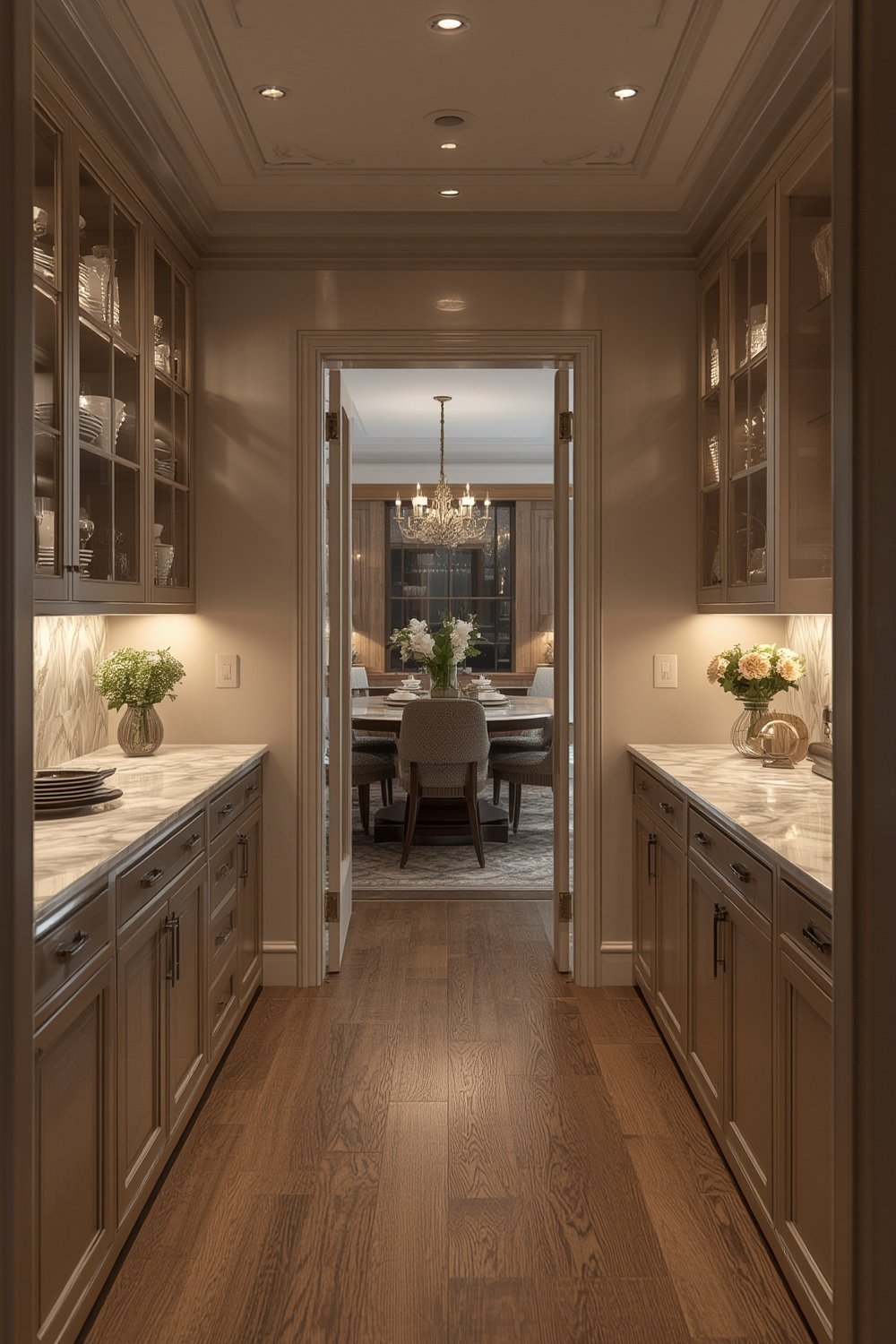
Step-by-Step Guide: Designing a Perfect Butler Pantry
Start with a clear goal: Is your butler’s pantry mostly for meal prep, entertaining, or maximizing storage in a tight kitchen? Each purpose shapes the space, shelving, and appliances you’ll choose. Follow these steps for a high-impact result:
- Assess Your Layout and Needs
Identify your highest pantry pain points: Is it overflow from daily meal prep? Nowhere to store your stand mixer or platters? Pinpoint these issues and sketch out the available area adjacent to your kitchen. - Set Your Budget and Wish List
Materials, custom cabinetry, extra sinks, and appliances will quickly add cost—yet deliver strong ROI on resale. Smart planning lets you prioritize what matters (e.g., deep drawers for cookware versus showpiece shelving). - Choose Shelving and Storage Layouts
Modern butler pantries often feature open shelves for attractive dishware, floor-to-ceiling cabinets for bulk items, and split zones for appliances or beverage centers.
See creative shelving inspiration here. - Consider Technical Requirements
Bring in a contractor or architect early. Butler pantries usually need electrical (for lighting, outlets, and appliances), plumbing (for sinks or ice makers), and sometimes vented gas (for warming drawers or ovens). Lighting must be bright and layered—think task lighting beneath shelves and accent lighting above. - Style It Boldly
Don’t be afraid of statement tile, wallpaper, or bold hardware choices. This is a space where you can experiment. Hidden pantries that blend with cabinetry, or even a walk-in with a home bar, are trending in 2024 for good reason. - Integrate Multi-Use Functionality
Many butler pantries now double as laundry rooms, baking stations, or coffee nooks. Consider how you can layer functionality without cramping the flow. - Plan for Maintenance and Organization
Opt for easy-to-clean surfaces, sturdy pull-out baskets, and adjustable shelving to accommodate new needs over time.- For more on successful remodels, visit Your Complete Guide to Successful Bathroom and Kitchen Remodels.
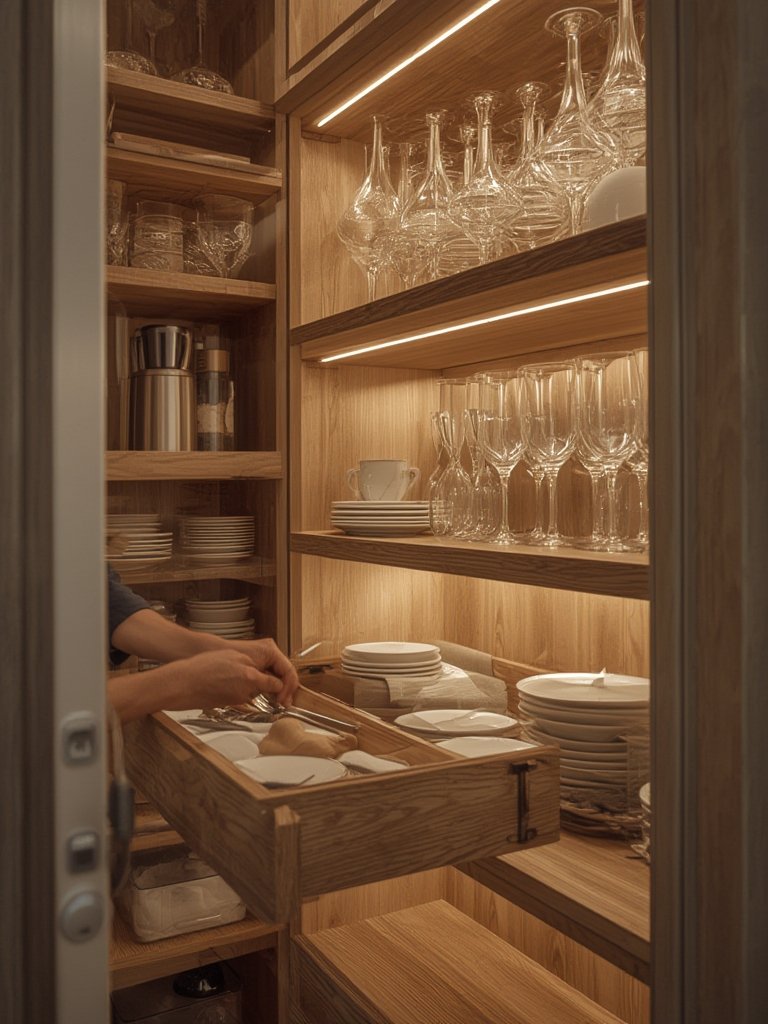
- Consider cross-utilizing the pantry entry as a feature wall—try a bold stone or wood countertop for easy prep (without overwhelming the kitchen). It can elevate everyday tasks and impress guests.
- For inspiration on décor, see Trendy Decor: Ideas and Inspiration for Every Season.
- Don’t forget to adjust the pantry plan for existing kitchen plumbing and wiring (moving pipes or wires can escalate costs fast).
For more on smart home enhancements, visit our Ultimate Guide to Smart Homes and Home Automation.
Advanced Analysis and Common Pitfalls
Even the most stylish butler pantry design can fall flat without solid planning or budgeting. Here are realistic challenges many homeowners face:
| Butler Pantry | Walk-In Pantry |
|---|---|
| Requires more square footage, finishes, custom cabinetry, and utilities (electric, plumbing, lighting). | Smaller space, open shelving, mainly for food storage—rarely needs extra utilities. |
| Ideal for meal prep, entertaining, and appliance storage—but can be overkill if underutilized. | Less versatile, but cost-effective and simple to organize. |
| Can be difficult to fit into older homes or odd-shaped layouts. | Fits in tight spaces, but offers fewer features. |
| Higher cost: custom cabinetry, possible plumbing/electrical permits, premium surfaces. Example market context: North America’s sector reached $950M in 2024 (see report). | Lower material and labor cost. |
| Maintenance: More features mean more to clean, maintain, and repair—be realistic about your willingness for upkeep. | Simple to keep organized and clean. |
- Undershooting the Budget: Forgetting about electrical or plumbing upgrades can bust budgets. Always buffer for these hidden costs.
- Skipping Functionality: Sacrificing counter space for more storage often backfires—always find a balance.
- Missing Ventilation: Sinks and appliances may require added ventilation, particularly in tight layouts. Don’t overlook airflow and humidity control or you risk future mold or odors.
- Neglecting Maintenance: Glass shelving, dramatic tile, and painted cabinetry look stunning but require upkeep. Factor in real-life use, not just Instagram-ready moments.
- Ignoring Smart Features: Most guides overlook the value of adding motion-activated lighting, energy-efficient appliances, or eco-friendly surfaces. For more on such upgrades, see our Guide to Interior House Painting.
- Design Imbalance: A butler’s pantry that contrasts too strongly in style or color from your kitchen can feel jarring—maintain some visual consistency, even when going bold.
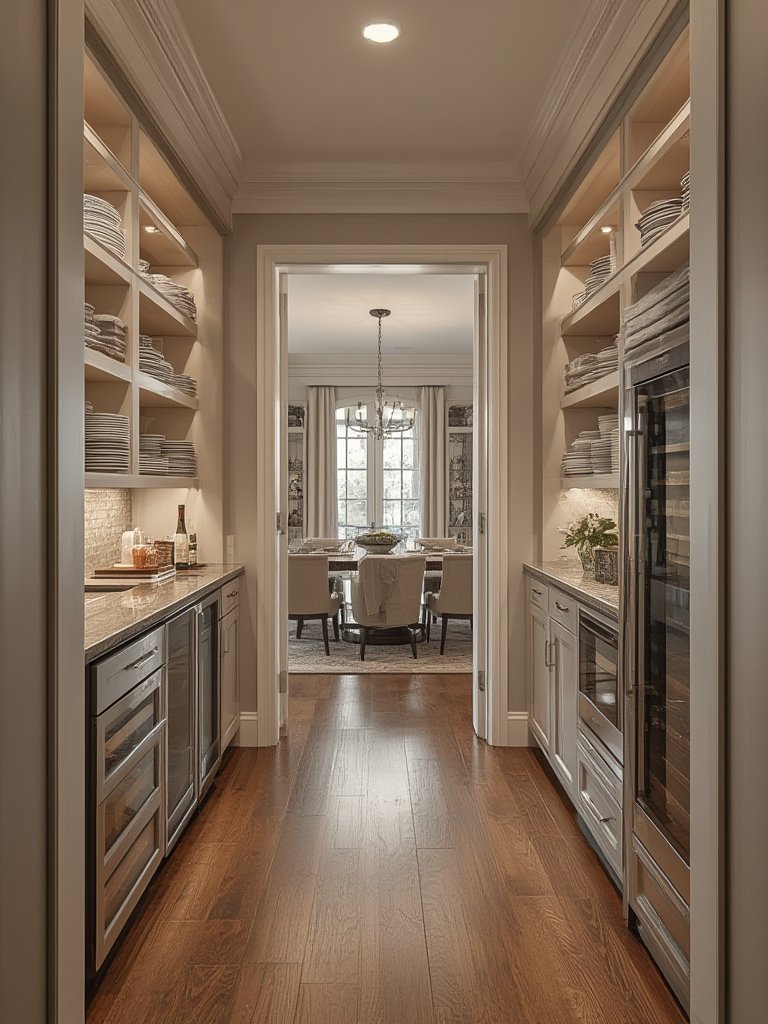
For outdoor projects with similar high-function/luxury balance, don’t miss our tips on Finding the Number 1 Landscaping Services Near You for Stunning Outdoor Spaces.
Conclusion
A thoughtfully executed butler pantry design is a strategic upgrade that delivers real daily convenience, aesthetic impact, and home value—whether for a busy family or frequent entertainer. As with any major project, it pays to look beyond surface trends and tailor every decision for your kitchen’s unique needs. Don’t be afraid to inject personality or add advanced features—but always stay grounded in practical planning and routine upkeep. Ready to transform your kitchen life? Start planning your butler pantry design today with these actionable strategies.
FAQ
How much extra space do I need for a butler pantry?
Butler pantries can work in as little as 4 feet of width, but 6-10 feet is ideal for including counter workspace, cabinets, and possibly an extra appliance or sink. Custom designs can maximize awkward, narrow, or leftover spaces.
Can I add a butler pantry to an older home?
Yes, but older homes may require creative layouts, rerouting plumbing or electrical, and careful coordination with professional remodelers. A “hidden” pantry with matching cabinet doors is often best for maintaining character.
What features add the most value to a butler pantry?
Extra counter space, secondary sinks, under-cabinet lighting, custom cabinetry, and distinct zones for appliances (like a wine fridge or coffee bar) contribute most to home value and functionality.
Are walk-in pantries as useful as butler pantries?
Walk-in pantries are ideal for bulk food storage on shallow shelves but lack the prep surfaces, sinks, and multi-use potential of a butler pantry. They suit homes with limited space or budgets.
Should I use open shelving or closed cabinets?
Open shelving is popular for displaying dishes and quick access, but closed cabinets hide clutter and protect items from dust. A mix is often the smartest choice for both looks and function.