

Enclosed porch conversion is one of the most practical home upgrades today, allowing you to transform underused outdoor space into a true extension of your living area. Whether you want a relaxing three-season retreat or a fully insulated room for year-round comfort, understanding all aspects of porch conversion is crucial for success.
Key Takeaways
- Converting an existing porch is usually faster and more affordable than building a new sunroom addition from scratch.
- Regional building codes, permit requirements, and material choices have a significant impact on cost, energy efficiency, and project success.
- Moisture control, insulation, and HVAC planning are essential for long-term comfort and avoiding costly post-construction regrets.
- What Is Enclosed Porch Conversion? (The Core Concept)
- Step-by-Step Guide: How to Convert Your Porch
- Advanced Analysis & Common Pitfalls
- Conclusion
- Frequently Asked Questions
What Is Enclosed Porch Conversion? (The Core Concept)
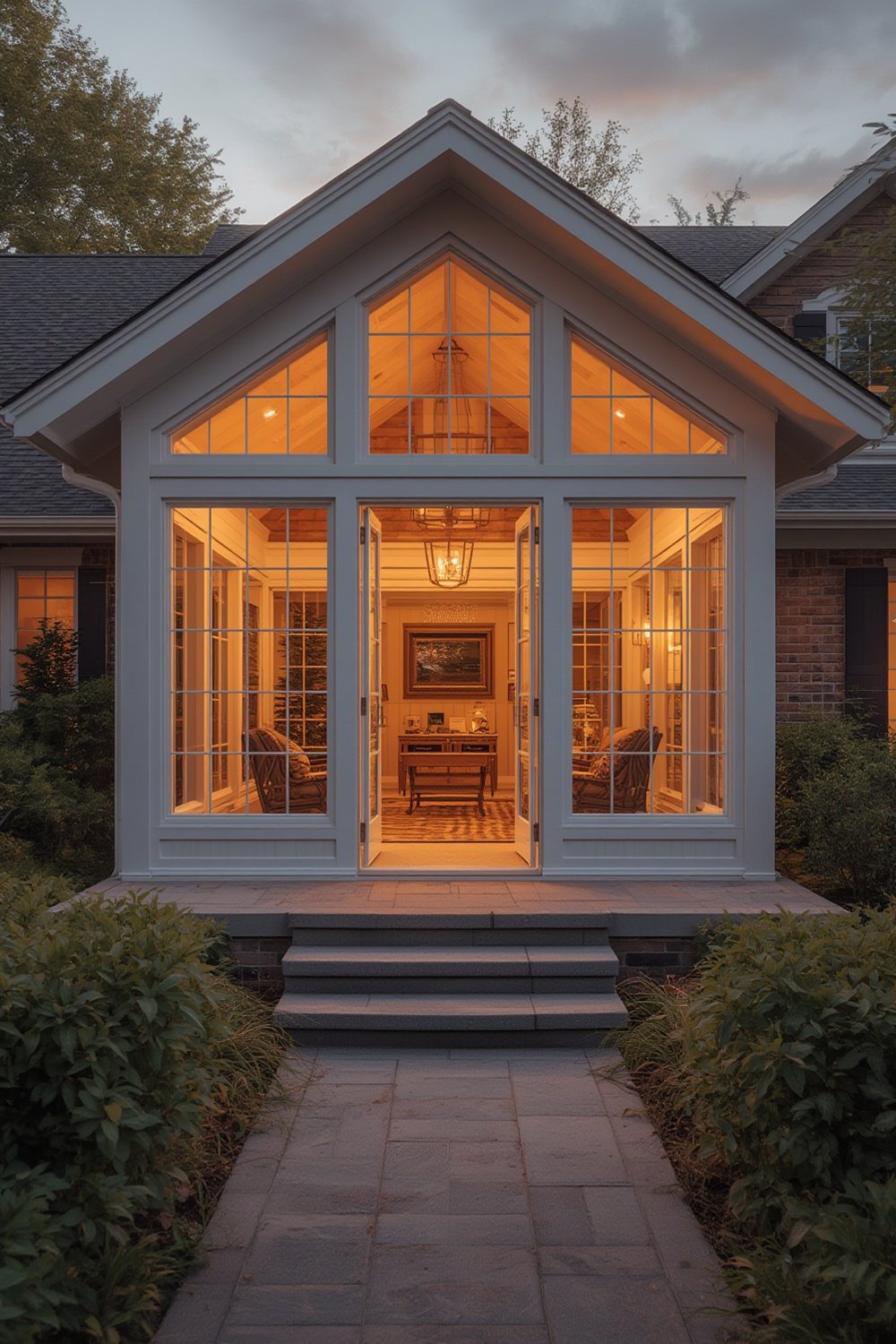
Enclosed porch conversion means turning an open or screened porch into a room you can use during more months of the year—or even all year round. Most homeowners pursue this upgrade to gain versatile square footage without the budget or disruption of a brand-new build. Compared to new sunroom additions, conversions take advantage of existing footings, framing, and roofing, making them a faster option with significant cost savings.
Three-season conversions focus mainly on screen or glass wall installation, basic weatherproofing, and updating the floor as needed. Four-season conversions demand insulation, new HVAC, foundation assessment, and high-performance glazing to handle temperature extremes. The approach you choose determines results, comfort, and price.
Step-by-Step Guide: How to Convert Your Porch
-
Assess Your Structure
Begin with a thorough inspection of your porch’s foundation, framing, and roof for rot, moisture, or settling. Secure, repair, or reinforce as needed before considering further upgrades. -
Research Codes & Obtain Permits
They are almost always required for enclosed porch conversions. Permit fees range from $250 to $1,500, and you should expect 2-8 weeks for approval, particularly in metropolitan areas where labor costs and code requirements run highest. Learn more about permit requirements here. -
Clarify the Enclosure Type
Decide whether you want a three-season or four-season space. Three-season rooms cost less and skip full insulation and HVAC, while four-season rooms require robust walls, glass, and temperature control year-round. -
Frame and Insulate (as necessary)
For four-season rooms, add insulated wall systems and a thermal roof panel after reinforcing the structure. Prefab wall kits speed up work but limit design flexibility. -
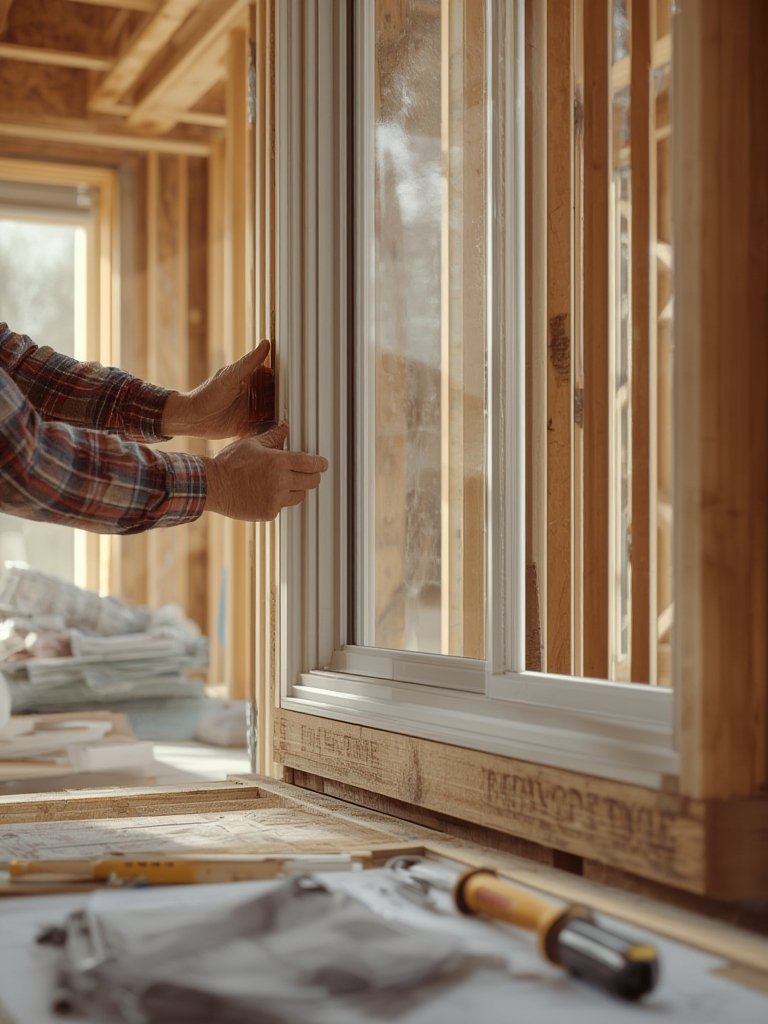
Install Windows, Doors, and Flooring
High-performance glazing is key for four-season usage; screens or basic glass may suffice for three-season spaces. Upgrading the flooring for durability and insulation is also important. -
Add HVAC, Electrical, and Controls
Plan for outlets, lighting, and heating/cooling. Split units are popular for sunrooms because they’re efficient and require no new ductwork. -
Interior Finish & Moisture Management
Use mold-resistant finishes, sealers, and plan proper drainage to prevent condensation and mildew. Attention to moisture now prevents expensive repairs later.
Looking to coordinate upgrades inside and out? Explore trendy home decor inspiration for every season to match your new sunroom style. And if you want to enhance your landscape surrounding the porch, discover the top landscaping services near you.
Advanced Analysis & Common Pitfalls
While enclosed porch conversion is appealing, many homeowners hit obstacles that lead to unexpected expenses or below-average results. Key pitfalls include:
- Hidden structural or moisture damage: Skipping a full inspection risks expensive problems later. Always check framing, slab, and roofing for unseen water damage or rot.
- Permit or code violations: Not getting a permit can lead to fines or issues with mortgage and home insurance. Metro areas may have strict setback or appearance rules—always double-check with your city and HOA if applicable.
- Poor energy efficiency: Inadequate insulation or cheap single-pane glass in four-season conversions leads to costly heating and cooling—and can make the room uncomfortable in extreme weather.
- Condensation and mildew: Improper vapor barriers, lack of drainage, and missed waterproofing cause moisture buildup that leads to mold. Plan for ventilation and moisture management from the start.
- Underestimating HVAC needs: Mini-split sizing, system integration, and venting are often overlooked. This is a leading cause of post-build regrets—plan and budget for proper climate control.
- Labor costs and regional price spikes: If you live in areas like California or New York, expect sunroom costs far above national averages (source).
| Project Type | Typical Cost | Finish Level | Best For |
|---|---|---|---|
| Screened Porch to 3-Season | $10,000–$40,000 | Basic (screens, glass, minimal insulation) | Budget upgrades, summer/fall use |
| Screened Porch to 4-Season | $25,000–$120,000 (regional variation) | Insulated walls/roof, HVAC, high-performance glass | Maximizing year-round square footage |
| Full Custom Sunroom Addition | $47,000–$110,000+ | Custom design, premium finishes | Homes lacking existing porch or seeking full design freedom |
| Prefabricated Sunroom Kit | $6,000–$40,000 | Standard design, few custom options | Fastest timeline and lowest cost |
It’s tempting to cut corners by skipping steps, but the shortcut usually ends up costing more in the long run. If you’re new to home upgrades, our complete guide to bathroom and kitchen remodels covers what to expect from professional contractors—a mindset equally valuable for sunroom work.
Material selection also plays a huge role: prefabricated panel systems cut costs and simplify installation, but they limit your ability to fine-tune the design. If custom looks or matching existing home finishes is critical, expect higher labor and material budgets (more on this here).
Conclusion
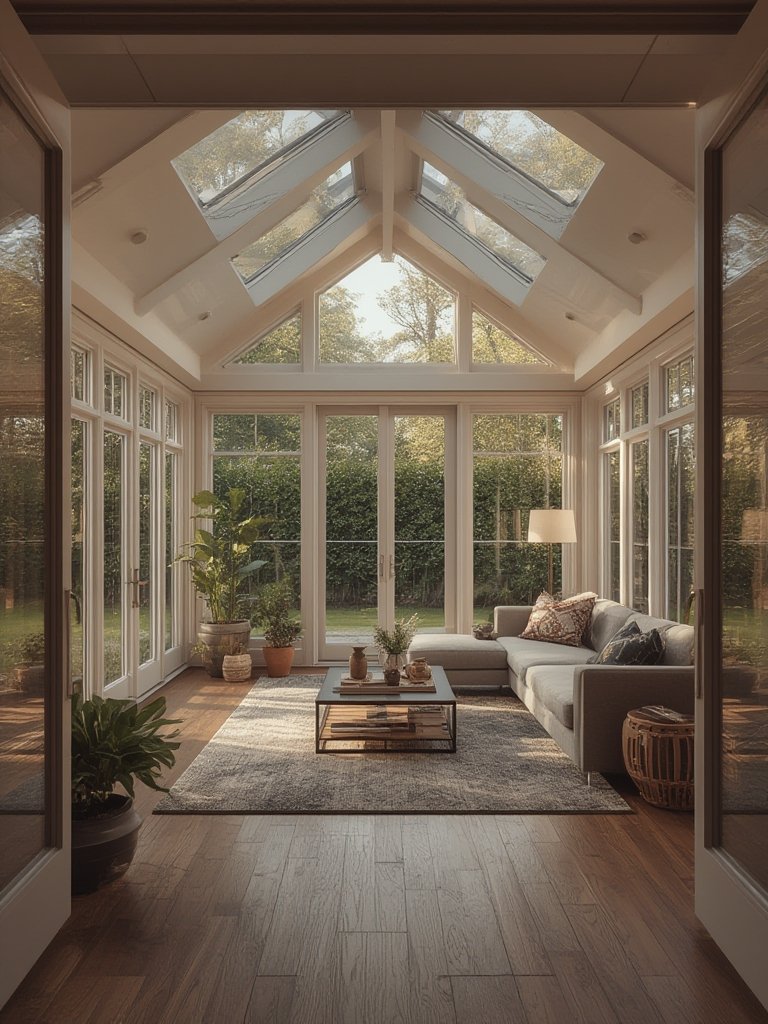
An enclosed porch conversion is a high-impact, high-value upgrade—but only if you approach it with careful planning, realistic budgeting, and attention to regional codes and moisture management. Don’t let the temptation of a quick transformation lead to long-term regrets. For best results, address structure, insulation, HVAC, and finishes from day one, and protect your investment with proactive moisture and code compliance strategies.
Still have questions, or want advice tailored to your specific project? Explore how an expert home repair service can help you avoid the biggest mistakes with your porch conversion. Ready to boost your curb appeal and give your outdoor spaces a fresh start? Now is the perfect time to begin planning your next project.
Frequently Asked Questions
How much does an enclosed porch conversion typically cost?
Costs range from $10,000 for a basic three-season upgrade to $120,000+ for a fully custom, insulated four-season space. National averages fall around $47,000, but regional labor, finishes, and codes impact the final price heavily. See the detailed cost breakdown here.
Do I really need a building permit for this type of project?
Yes. Almost all counties require permits for porch enclosures, especially those involving electrical, HVAC, or structural changes. Permit costs range from $250 to $1,500, and approval can take 2-8 weeks.
What are the best ways to prevent condensation or mildew inside my enclosed porch?
Seal all surfaces, use vapor barriers in insulated walls, and make sure your porch is properly ventilated. Dehumidifiers and smart drainage solutions are smart additions. For more moisture control strategies, check out our interior finishing tips.
Are prefabricated sunroom kits worth it, or should I build custom?
Prefabricated kits are cost-effective and quick to install, but they limit design flexibility, window placement, and finishing options. If matching your home’s architecture is a priority, custom is better (but more expensive).
How can I boost energy efficiency in a four-season porch conversion?
Invest in high R-value insulation, triple-glazed windows, and a properly sized HVAC system. Avoid cheap single-pane glass and uninsulated slab floors. For more ideas, see our smart home automation guide.