

### Blog Post:
Smart garage door opener technology is transforming how homeowners manage access, security, and convenience for their garages. Whether you’re tired of fumbling for the remote, want to monitor your home from anywhere, or are building a truly connected smart home, understanding the step-by-step process and common pitfalls is critical.
Key Takeaways
- Smart garage door openers offer remote operation, real-time monitoring, and improved integration with major smart home platforms.
- Security features and system compatibility are getting better, but WiFi reliability and privacy remain real concerns.
- Careful installation and smart setup can prevent the most common headaches and help you enjoy true smart home convenience.
- What is a Smart Garage Door Opener and Why Should You Consider One?
- How to Install and Set Up a Smart Garage Door Opener
- Advanced Analysis: Problems, Pitfalls, and Real-World Lessons
- Conclusion
- FAQs
What is a Smart Garage Door Opener and Why Should You Consider One?
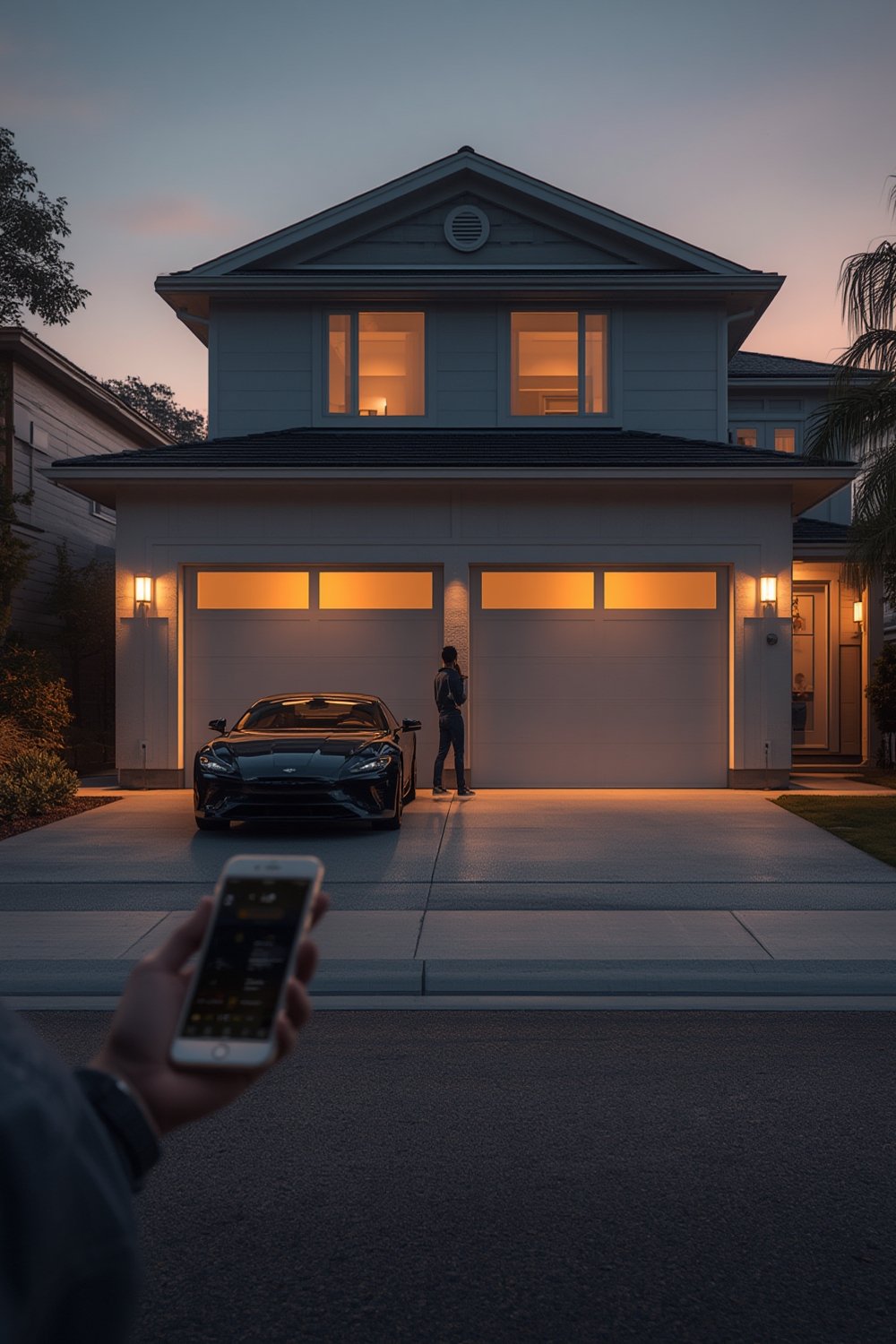
A smart garage door opener replaces or upgrades your current opener system, allowing you to control and monitor your garage from your smartphone, tablet, or voice assistant. These WiFi and Bluetooth-enabled controllers let you open, close, and secure your garage from anywhere—eliminating worries about lost remotes or doors accidentally left open.
In 2024, global demand has driven the smart garage door opener market to between $0.64 and $2.63 billion, with annual growth projections as high as 12.5% through 2035 (source; source). Homeowners in North America are especially quick to adopt, thanks to a high prevalence of garages and increased smart home integration.
The benefits are real: enhanced security through monitoring and automatic alerts, hands-free access when your hands are full, and seamless integration with platforms like Alexa, Google Home, and Apple HomeKit. With more people focused on safety and convenience in 2024, a smart garage door opener is no longer just a gadget—it’s part of the modern connected home.
How to Install and Set Up a Smart Garage Door Opener
Upgrading your garage with a smart opener does not have to be overwhelming. Here’s a step-by-step process that works whether you’re a DIY homeowner or coordinating with a pro:
-
Choose your device.
Pick a smart garage door opener that matches your existing opener or door. Leading brands like Chamberlain, LiftMaster, and devices with MyQ compatibility are widely supported. -
Check compatibility.
Not all openers or home WiFi setups work seamlessly. Use the manufacturer’s compatibility tool and make sure your router covers the garage with a strong WiFi signal. Integration with Alexa or Google Home? Double-check the specs and reviews. -
Install the hardware.
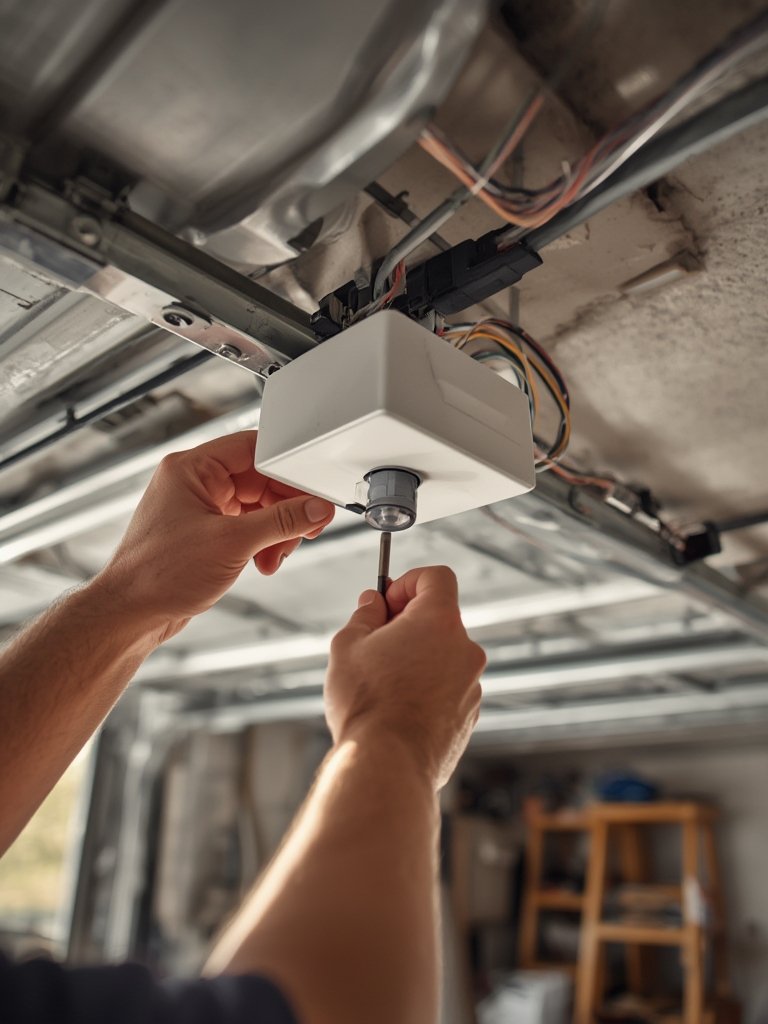
Mount the smart controller near your ceiling opener or wire it directly to control terminals. Many kits use simple double-sided tape or screws for mounting, but some retrofits may need extra wiring for older openers. -
Connect to WiFi.
Follow the app’s guidance to connect the hardware to your home WiFi. Strong, reliable WiFi is crucial—consider a mesh WiFi node, bridge, or extender if your garage signal is weak. -
Pair with the mobile app.
Download the brand’s app for iOS or Android. Set up user accounts, adjust access permissions, and enable features like auto-close, activity alerts, or geofencing. -
Test and calibrate.
Run several open/close cycles using your phone. Sync the system with your chosen smart home assistants if available.
Once installed, smart garage door openers can be integrated into your broader smart home automation routines. For inspiration on automation, see our ultimate guide to smart homes and home automation.
Want to take your home transformation even further? Pair your opener with other smart outdoor solutions like robotic lawn mowers or smart irrigation controllers for true convenience.
Advanced Analysis: Problems, Pitfalls, and Real-World Lessons
Technology is powerful when it works, but it has real limits you’ll want to prepare for. Here are the most common pitfalls and advanced issues when upgrading to a smart garage door opener:
-
WiFi Coverage Issues
Many garages sit at the edge of home WiFi coverage. Weak signals can result in inconsistent operation, delayed alerts, or failed remote access. -
Integration Hiccups
While Alexa, Google Home, and Apple HomeKit compatibility are big selling points, not every model plays well with every platform. Some features (like geofencing or scheduling) may be restricted based on brand or app. -
Security & Privacy Risks
Leading brands now use encrypted protocols, AI monitoring, and remote access logs to limit hacking risks (source). Still, early smart openers have faced security flaws, and cybersecurity threats do not disappear. Always install updates, use strong passwords, and check privacy settings. -
Hidden Fees & Compatibility Costs
Some advanced features—like delivery access, multi-user permissions, or Apple HomeKit support—may require a subscription or premium model. Carefully review pricing policies before you buy. -
Installation Surprises
Most new openers install quickly, but older or non-standard garage systems may need wiring, new hardware, or even professional installation. Don’t assume a universal “plug-and-play” fit.
| Issue | Smart Garage Door Opener | Traditional Opener |
|---|---|---|
| Remote Control | Smartphone/App/Voice | Physical Remote Only |
| Security Features | Encryption, AI, Alerts | Basic Rolling Code, No App Alerts |
| Smart Home Integration | Yes (Alexa, Google, Apple) | No |
| Common Pitfalls | WiFi drops, Subscription traps | Lost remotes, no alerts |
When planning your upgrade, make garage WiFi part of your home network strategy. If you’re already taking on a major home remodel, consider running a wired access point or powerline adapter—as explained in our complete guide to successful remodels—to keep all devices connected and responsive.
Conclusion
With convenience, enhanced security, and true smart home compatibility, adopting a smart garage door opener can be a substantial upgrade for modern homeowners. In 2024, strong market growth and technology advances make these systems more appealing and accessible than ever. Plan your install carefully, ensure strong garage WiFi, and always review security and subscription features closely. The benefits are real—and with the right approach, your smart garage door opener will simplify home life for years to come.
Ready to experience smarter home access? Explore the latest models, read user guides, and make your next home project a true upgrade. For more ways to boost curb appeal and everyday convenience, check out our articles on trendy home decor ideas and expert home repair services.
FAQs
Do all smart garage door openers require a subscription fee?
No, many basic features like smartphone control do not require a fee, but advanced integrations (like in-garage delivery or multi-user management) may come with a monthly charge. Always review the brand’s features list before buying.
Can I install a smart garage door opener if my WiFi is weak in the garage?
Yes, but you’ll need to boost your signal using a mesh WiFi system, extender, or even a wired access point for reliable operation.
Are smart garage door openers compatible with all garage doors?
Most models fit common residential openers, but older or specialty doors might need adapters or aren’t compatible at all. Use the manufacturer’s compatibility checker on their website to be sure.
What if I lose my phone—can someone else access my garage?
Smart opener apps use authentication steps and can revoke device access remotely. For maximum security, use two-factor authentication and immediately log out lost devices using the web dashboard.
How do smart garage door openers improve security compared to traditional remotes?
They offer app alerts, activity logs, strong encryption, and better remote control, reducing risks of lost remotes and forced entry. Premium systems also detect forced door openings and send instant notifications.