

### Blog Post:
Cold plunge installation continues to explode in popularity among homeowners in 2024, but the real-world costs and challenges aren’t always what influencers show. Whether you want to DIY or hire a pro, knowing the process, expenses, and potential pitfalls for installing a home cold plunge saves you money, time, and regrets.
Key Takeaways
- DIY cold plunge installation costs start as low as $150, but most realistic setups range from $800–$3,000+; pro installs can hit $15,000+ with high-end custom jobs up to $30,000.
- stock tanks and portable tubs are the most affordable and DIY-friendly options, while permanent or in-ground plunges require professional help and higher budgets.
- Recurring costs like electricity, filtration, and sanitation can add $360–$960 per year, making setup and location choices crucial for long-term enjoyment.
- What Is Cold Plunge Installation and Why Try It at Home?
- Step-by-Step Guide: How to Install Your Home Cold Plunge
- Advanced Analysis & Common Pitfalls for DIY and Pro Installs
- Conclusion
- Cold Plunge Installation FAQ
What Is Cold Plunge Installation and Why Try It at Home?
Cold plunge installation is the process of setting up a dedicated tub or pool for cold water therapy in your home. These systems range from simple stock tank setups you build yourself, to fully integrated, professional-grade installations. The goal? Give you easy, safe access to cold therapy for recovery, mental health, and wellness at your convenience.
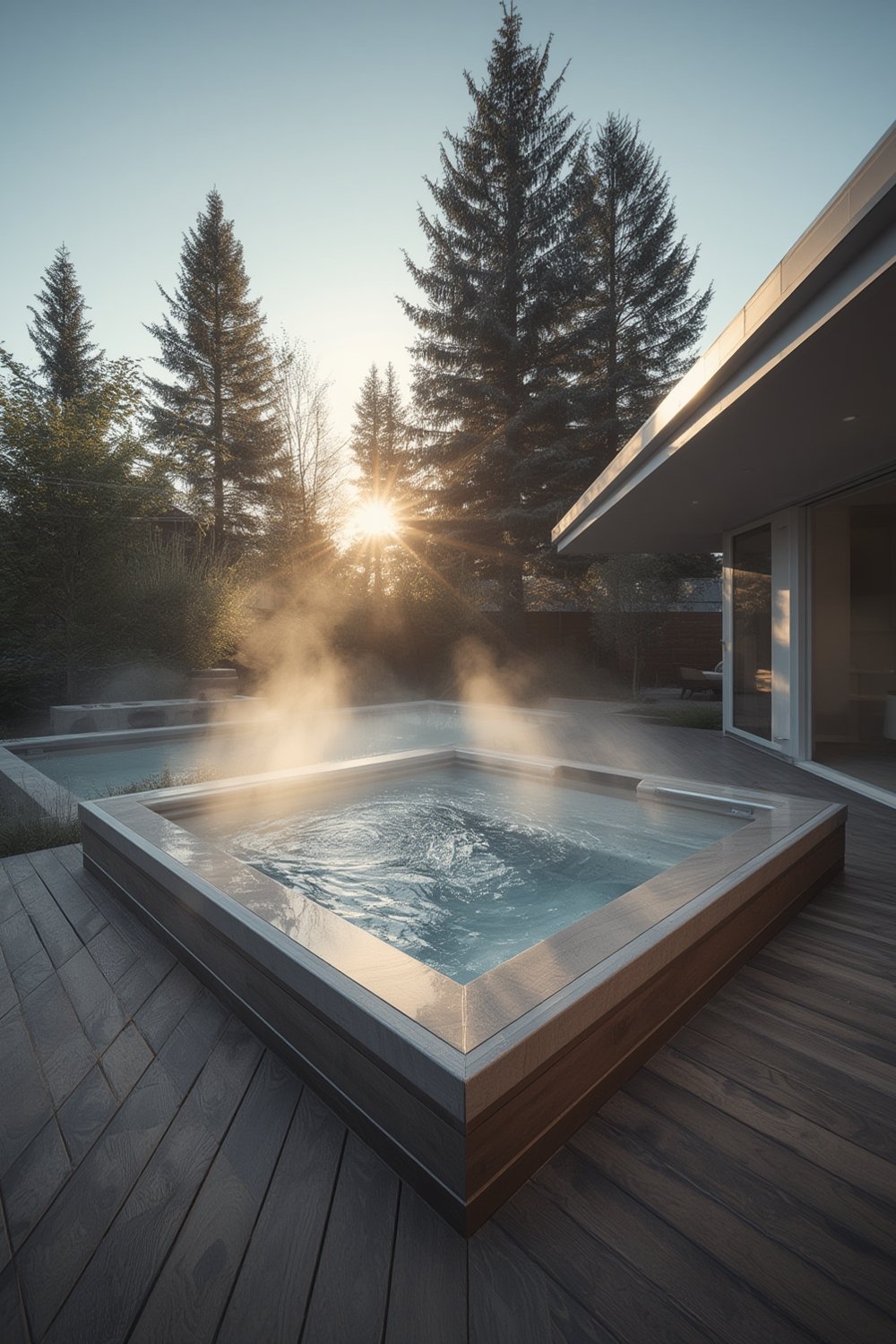
Why install a cold plunge pool at home? For many, it saves money versus regular spa visits and provides year-round control (no more waiting for natural ice or cold weather). A backyard or indoor plunge boosts the value and versatility of your space—if built correctly.
How much does it really cost? DIY cold plunge installation ranges from $150 to $3,000+ depending on features. Portable professional tubs start at $1,000, while top custom installs can cost more than $30,000 after adding plumbing or site work (source).
No matter which route you choose, installation involves planning for plumbing, electrical, space, water quality, and safety. If that feels daunting, see our complete guide to successful bathroom and kitchen remodels for broader home improvement advice.
Step-by-Step Guide: How to Install Your Home Cold Plunge
Ready to take the plunge? Here’s how to install a cold plunge at home, using the most common and cost-effective DIY approach: the stock tank cold plunge.
- Choose Your Plunge Type: Decide on your setup: stock tank ($110+), portable tub, or professional model. DIY kits and clear plans are available from sites like DIY Cold Plunge.
- Select a Location: Indoors (garage, bathroom, basement) works for all weather, but check for drainage and water-resistant floors. Outdoors? Look for level ground close to power and water. Weatherproofing is a must.
- Gather Materials: Common needs include:
- Stock tank: $110–$500 depending on size
- Water chiller: ~$568 for small models, more for pro-grade
- water pump: ~$110
- ozone generator: (optional, $110)
- Filtration: Inline filters or aquarium filters (~$40)
- Insulation/lumber: $500+ for finished builds
- GFCI Outdoor Extension Cord and safe, grounded outlet
- Build Your Cold Plunge: Drill holes for inlet/outlet fittings if using a pump. Attach plumbing with PVC and sealant. Install pump and chiller; connect to GFCI outlet only.
- Sanitation: Add ozone or filter system. Ensure easy drainage for regular cleaning.
- Test & Insulate: Fill and check for leaks. Add weatherproof insulation to save on electric costs (and make it less of a shock).
- Splash & Safety: Always supervise kids, use non-slip mats for entry/exit, and never use it alone if you have underlying health conditions.
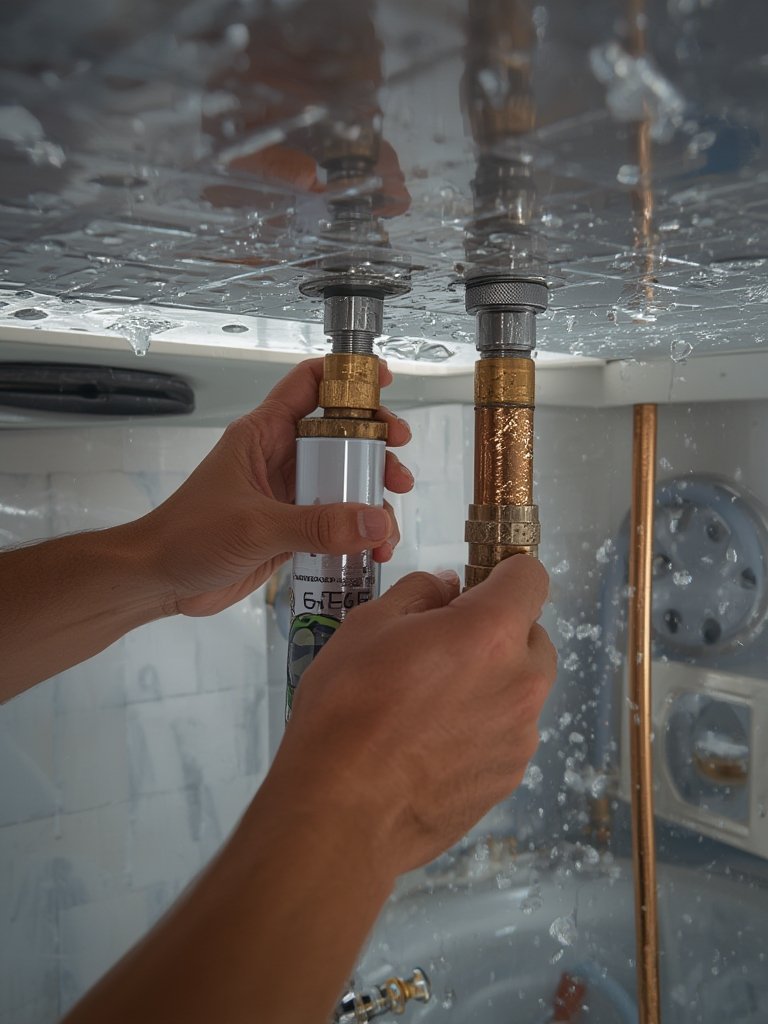
Most first-timers can finish a basic DIY cold plunge installation in a weekend. For more advanced home automation or plumbing, consult a pro—see our guide to smart homes and home automation for integration ideas.
If you live in areas with extreme drought, consider drought-tolerant landscaping and water-wise design to balance your new wellness amenity with eco-friendly solutions.
Advanced Analysis & Common Pitfalls for DIY and Pro Installs
Most blogs skip the realities of cold plunge installation—especially hidden costs, overlooked technical details, and ongoing headaches. Here’s what they miss:
| Aspect | DIY Setup | Professional Install |
|---|---|---|
| Upfront Cost | $150–$3,000+ | $3,000–$30,000+ |
| Technical Skill Needed | Basic plumbing/electrical | Licensed install, permits |
| Recurring Costs | $30–$80/mo (electricity/filtration) | Similar or higher (custom parts) |
| Maintenance | Self or handyman | Annual service visits |
| Common Pitfalls | Leaks, poor insulation, electrical mistakes, water sanitation lapses | Delays, warranty limits, hard-to-service components |
| Zoning/Permits | Rarely addressed | Required for custom jobs |
| Water Quality Checks | Often skipped, risky | Usually included |
| Typical Lifespan | 3–8 years (DIY materials) | 7–15+ years (pro) |
Hidden and Recurring Costs:
- Monthly electricity for chillers is $20–$50, and sanitation adds $10–$30.
- A full year can set you back $360–$960 in running costs (source).
- Repairs for leaks, failed pumps, or poor water quality can be expensive—plan for replacements every few years.
Some installers ignore electrical load calculations or don’t clarify whether you need local permits. Always consult your municipality before starting a major project—especially for in-ground or permanent installs. For outdoor builds, weatherproofing (and pest control) is crucial to avoid costly damage.
Lacking plumbing skills? Skipping proper water quality testing can lead to mold, odors, or skin issues. Not all top-ranked “guides” address these risks—double check materials before buying and follow recognized safety practices.
Still not sure a cold plunge is right for you? Compare the experience with other wellness upgrades, like smart irrigation (see here), or energy-efficient robotic lawn equipment for your yard.
Conclusion
Installing a home cold plunge pool can transform your daily wellness routine if you start with the right plan, realistic budget, and clear-eyed sense of what’s involved. Weigh the pros and cons of each approach, consider hidden costs, and don’t skip electrical or plumbing safety steps. Whether you pick a simple DIY stock tank or high-end pro unit, cold plunge installation is an investment in recovery, but also in ongoing upkeep and safety.
Ready to take action? Compare your options, figure your budget, and get your own personal cold plunge up and running this year.
Cold Plunge Installation FAQ
What is the cheapest way to install a cold plunge at home?
A basic DIY stock tank ($110–$500) with ice is the cheapest. Adding a pump and chiller for year-round use brings it to $800–$2,000. Skip custom plumbing unless needed.
Do I need a plumber or electrician for a cold plunge installation?
For most portable tubs and DIY stock tanks, no. If adding permanent plumbing, new outlets, or installing in-ground, hire licensed professionals for safety and code compliance.
How do I keep my cold plunge water clean?
Use standard pool or aquarium filters and consider ozone generators or UV sterilizers. Drain and clean every 1–2 weeks if not using continuous filtration or if water smells odd.
Are there hidden costs after the initial setup?
Yes—recurring expenses like electricity for chilling ($20–$50/month), filtration, ozone, and routine cleaning, plus occasional repairs. Expect $360–$960 per year in ongoing costs.
Can I install a cold plunge outdoors?
Yes. Outdoor cold plunge installations are common but must be weatherproofed and on level, well-drained ground. Outdoor electric connections must be GFCI protected; tanks require insulation to prevent freezing in winter.
—