

Front yard vegetable garden projects are becoming a standout trend for homeowners seeking to boost food security, curb appeal, and sustainability—without sacrificing beauty. If you’re curious about transforming your lawn into a thriving edible landscape, this guide covers everything you need to know, from practical steps to pitfalls others wish they had known before starting.
Key Takeaways
- Front yard vegetable gardens require careful planning for design, legality, and maintenance to succeed—and avoid expensive mistakes.
- Combining edimentals (edible ornamentals), perennial vegetables, and smart garden structures can make your front yard productive and attractive.
- Common hurdles include local regulations, HOA rules, and unexpected start-up costs—know these before you dig.
- What Is a Front Yard Vegetable Garden and Why Try One?
- Step-by-Step: How to Transform Your Lawn into a Food Garden
- Advanced Analysis & Common Pitfalls
- Conclusion
- FAQ
What Is a Front Yard Vegetable Garden and Why Try One?
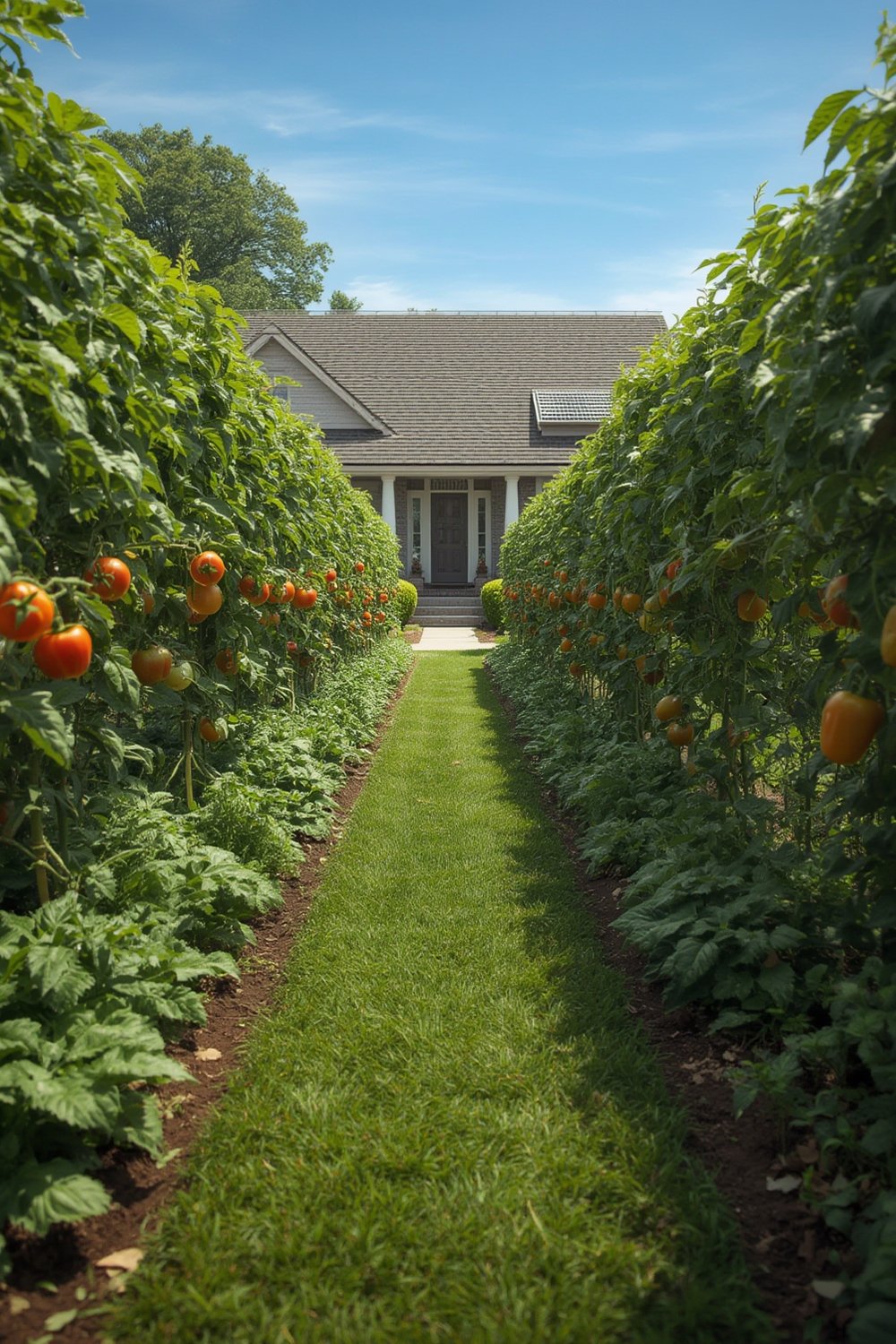
Unlike a traditional backyard plot, a front yard vegetable garden replaces or blends in with your home’s facade landscaping—breaking from the standard “just lawn” model. This approach turns more of your property into productive space, allowing you to grow fresh produce where sunlight is often best. It can enhance curb appeal when designed intentionally, provide financial savings by producing food at home, and support pollinator health and biodiversity—especially relevant for those in water-limited or urban areas. However, front yard edible gardens can be controversial or restricted in some areas, so planning and community awareness are key before transforming your grass into greens.
Step-by-Step: How to Transform Your Lawn into a Food Garden
-
Check Local Rules and Physical Conditions
Before you break ground, research your city ordinances and HOA (Homeowner Association) rules. Some communities restrict or ban front yard gardens, while others have aesthetics requirements. Also, analyze your yard’s sunlight (aim for at least 6 hours), slope, and proximity to water sources. Check with your local extension office for soil and zoning info. -
Design with Curb Appeal and Function
Use formal or informal geometric beds, paths, and borders to define your garden visually. Edimentals—plants that are edible and ornamental—help soften the transition from traditional looks. Ornamental kales, rainbow chard, purple basil, and blueberry bushes blend in beautifully. For more tips, see our guide on edible landscaping. -
Remove Lawn Grass (Safely)
The easiest low-labor way is sheet mulching—lay cardboard over grass, wet it, and pile on 6-10 inches of compostable material. In 3-4 weeks, your grass breaks down. Learn more about this proven method in our article on no dig gardening. -
Install Paths, Edging, and Raised Beds
Use attractive pavers, bricks, or wood for easy access and clear separation between garden beds and walkways. Consider permeable paving to avoid drainage issues and boost rain absorption. Find out more in our deep dive on permeable paving solutions. Install Paths, Edging, and Raised Beds -
Test and Amend Soil
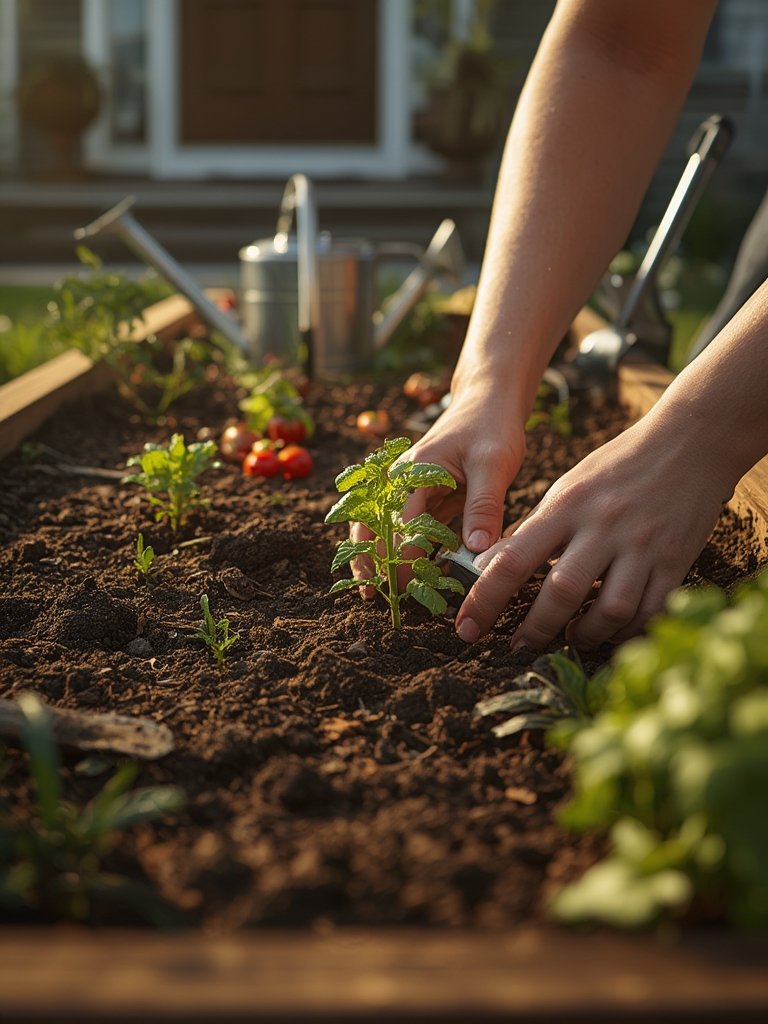
Healthy soil is essential. Use a mail-in soil test service or an at-home kit to analyze pH, nutrients, and organic matter. Amend with compost to create a rich, productive base—read more about options in our soil testing services review. Test and Amend Soil -
Choose Crops and Plant for Seasons
Combine perennial vegetables with seasonal annuals for continuous harvest and resilience. Include pollinator-attracting flowers to boost biodiversity. Focus on high-value crops such as tomatoes, greens, peppers, strawberries, and herbs. -
Install Efficient Irrigation
Drip irrigation or soaker hoses are best. Add smart timers for water savings. Check out our feature on smart irrigation systems to automate watering and save time. Install Efficient Irrigation -
Mulch and Layer for Low Maintenance
Deep mulch suppresses weeds, retains moisture, and visually unifies the design. Organic or decorative mulches (bark, straw, or gravel) can be used depending on climate and desired look. -
Maintain, Monitor, and Enjoy
Regular harvesting, pruning, and replanting will keep your garden looking intentional and thriving year-round.
Advanced Analysis & Common Pitfalls
Real-life front yard vegetable gardens can offer more than fresh food and beauty—they sometimes introduce challenges that aren’t obvious at first glance. Here’s a breakdown of realistic pitfalls, what to watch for, and how to address them.
Legal and Neighborhood Restrictions
Not all neighborhoods or municipalities permit edible front yards. Many HOAs have strict landscaping rules. Violating these could mean removal orders or fines. Always review your city code and HOA covenants before planning.
Startup and Operating Costs: Budget Realistically
| Item | Estimated Cost (USD) | Notes |
|---|---|---|
| Initial Lawn Removal (sheet mulch method) | $0 – $200 | Cardboard & compost can be free or purchased |
| Soil Testing & Amendments | $30 – $150 | Test kits & compost for healthy beds |
| Raised Beds or Edging Materials | $100 – $800 | Wood, stone, or metal, DIY vs prebuilt |
| Starter Plants & Seeds | $50 – $300 | Annual + perennial crops & ornamentals |
| Irrigation System Setup | $70 – $400 | Drip/soaker hoses & timers |
|
Annual Upkeep (average garden) Source: Organic Backyard Gardening | $600 – $1200 | Fertilizer, plant replacement, mulch, water |
| Potential Annual Savings | Up to $600 – $875 | Depends on crop productivity (source) |
Common Homeowner Pain Points
- Pests & Wildlife: Vegetables in the front can attract rabbits, deer, or neighboring dogs. Fencing isn’t attractive but may be required.
- Maintenance “Creep”: If neglected, edible gardens can quickly look messy or “unkempt” compared to a mowed lawn.
- Social Pressure: Some neighbors dislike the look or worry about lost property value—even though many edible landscapes boost appeal when well-designed.
- Watering Needs: Fruit and vegetable beds use more water than turf, so drought tolerance and smart irrigation are crucial for sustainability. For low-water options, see our guide on drought tolerant landscaping.
- Seasonal Gaps: Without clever plant selection or all-season planning, the front yard can look barren in winter or between crop cycles.
Design Strategies for Beauty and Productivity
To truly maximize curb appeal, blend edible with ornamental features rather than going for “all farm, no fashion.” Modern trends include naturalistic planting, color-contrasted varieties (like purple podded beans with golden marigolds), and border hedges of berries or dwarf fruit trees. For inspiration and practical tips, browse our deep dive into edimental garden trends.
Environmental Impact: What We Know
While detailed research on front yard conversion is missing, food gardens can contribute to biodiversity and sustainability by reducing the area of water-hungry turf and supporting pollinators—especially when native flowers are included. Composting food scraps in-situ (see composting systems for home) further reduces waste and chemical fertilizer reliance.
Conclusion
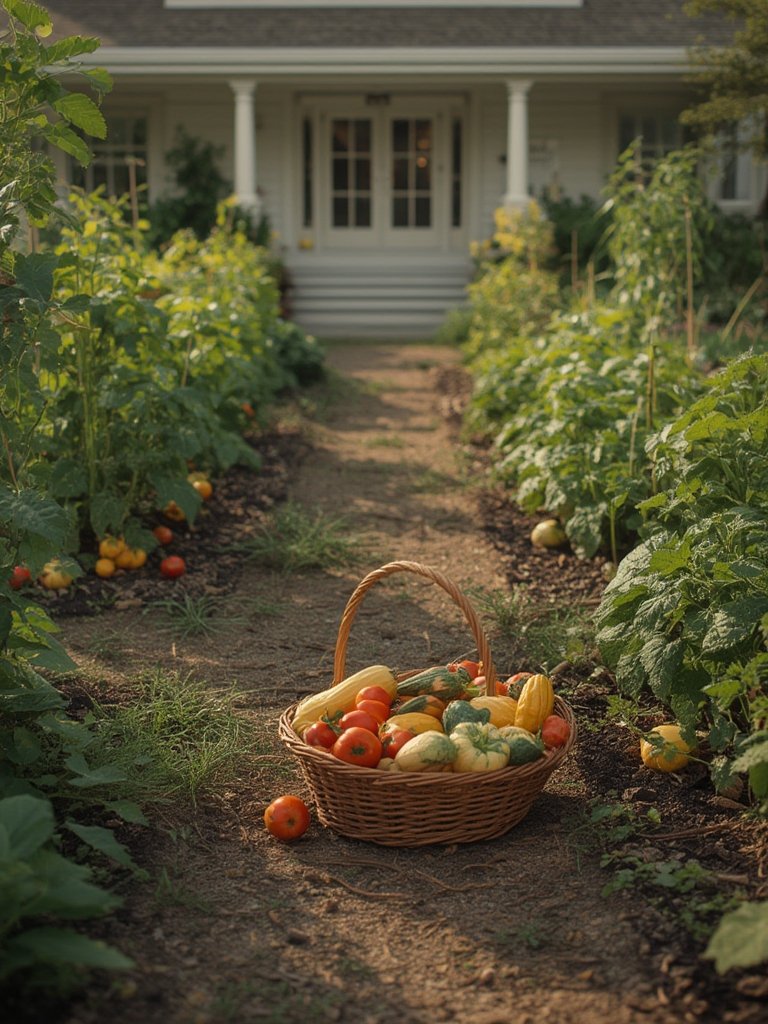
A front yard vegetable garden delivers more than homegrown food—it connects you to your community, enhances curb appeal (when designed intentionally), and turns wasted space into abundance. Begin with clear research and neighborly communication, build a balanced and beautiful design, and commit to ongoing care. If you’re ready to create your own front yard vegetable garden, start small, experiment, and share your success. Inspiration is contagious—why not start today?
Want professional help establishing the yard of your dreams? Read our guide to finding the number 1 landscaping services near you for stunning outdoor spaces.
FAQ
Is a front yard vegetable garden legal in my city?
Regulations vary by city and HOA. Always check your local laws and community rules before making changes. Some places allow edible gardens with certain restrictions on height or plant type.
How much maintenance does it take compared to a lawn?
Vegetable gardens require regular care—watering, weeding, and harvesting—especially in the first year. However, thoughtful design (mulch, perennials, drip irrigation) dramatically reduces seasonal effort after setup.
How can I make my edible landscape look attractive?
Use raised beds, defined borders, trellises, and a mix of ornamental edible plants (edimentals). Include paths and flowers to boost both utility and beauty. For tips, see our post on edible landscaping.
What’s the typical start-up cost?
Depending on design and scale, expect anywhere from $300 for basic conversion to over $1,000 with raised beds and premium materials. Most home gardeners report an average of $750 per season on food gardens, according to recent trends.
Will it really save me money?
You can expect to grow $600 to $875 worth of produce in a well-maintained garden—enough to offset initial investment over time. Higher savings come from growing high-value crops and extending the harvest season.